




A hotel's transport arrangements are judged entirely by their worst moment. A hundred flawless collections are forgotten the instant a guest stands under a portico at six in the morning while somebody at the desk telephones to ask where the car is. Concierges know this, which is why they are among the most demanding and the most loyal clients a chauffeur business can have.
The requirement is unusual in that it splits into two very different jobs. There is the planned work, booked days ahead for arrivals, departures and excursions, and there is the unplanned work, requested at short notice by a guest who has just changed their plans. A supplier who handles the first well and the second badly is not much use to a front desk.
The concierge request at short notice
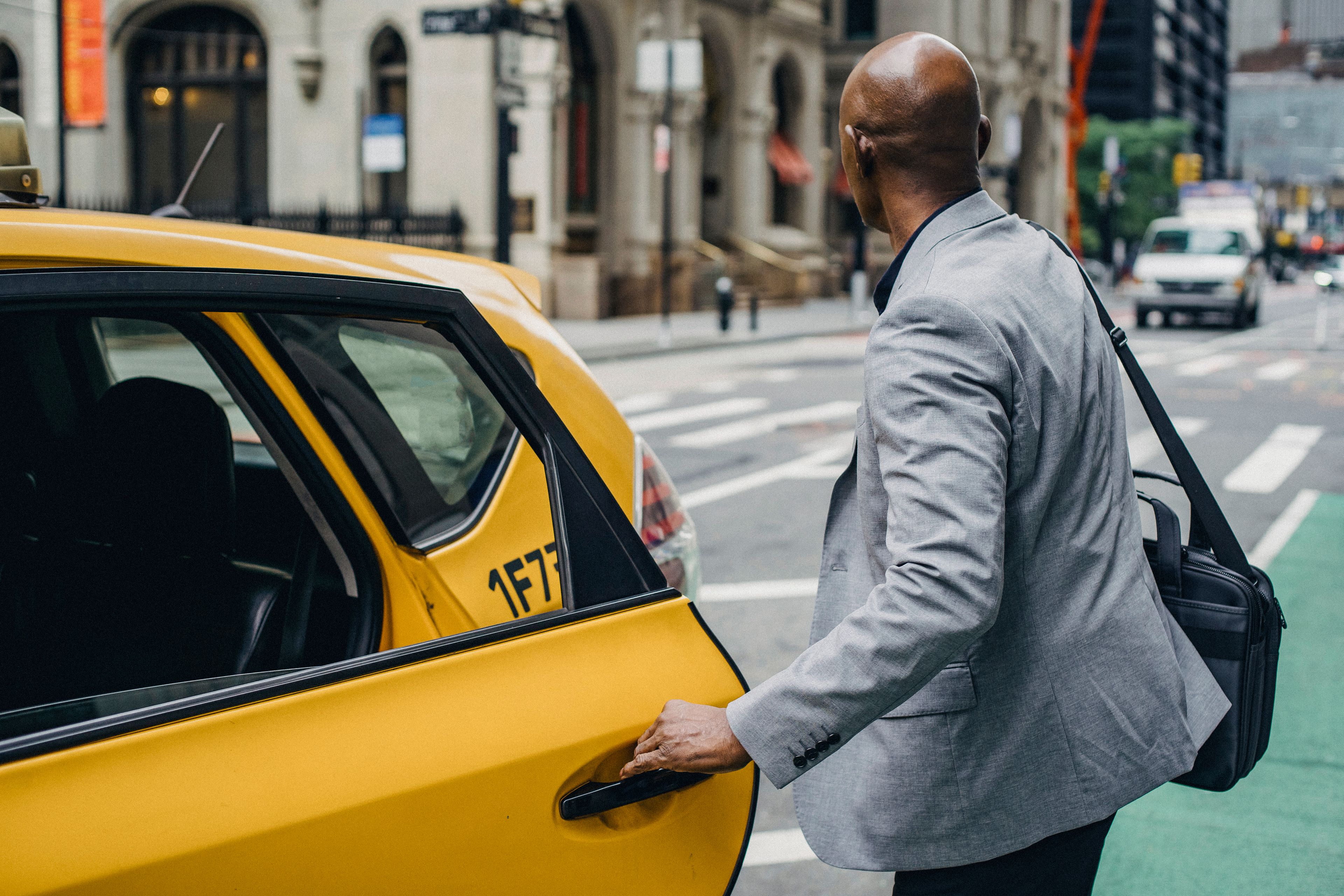
The defining test in this sector is the request made an hour before it is needed. A guest decides to go to a restaurant across town, a meeting finishes early, a family wants to see something before dinner. The concierge cannot say no, and cannot afford to promise something that fails to appear, so what they need is a straight answer quickly about what is genuinely possible.
That means a direct line to somebody who replies, rather than a booking form. It also means honesty when the answer is that a particular vehicle cannot be there in twenty minutes. A concierge would far rather be told immediately that a saloon is available and a larger car is not, and make a decision, than be told everything is fine and discover otherwise at the door with the guest waiting.
Arrivals and the first impression
Guests form their opinion of a stay before they reach reception. Being met at an airport by a named chauffeur who knows the hotel, takes the bags without being asked and does not need directions is a considerably better start than a taxi queue after a long flight, and it reflects on the hotel rather than on the transport company.
For this to work, the hotel needs to pass on the practical detail: the flight number and arrival details, how many in the party, how much luggage, whether anyone needs assistance, and where the guest should be met. Meeting arrangements at the larger UK airports vary by terminal, and agreeing in advance whether the chauffeur waits in arrivals or at a set-down point avoids the most common misunderstanding in the whole business.

House cars and standing arrangements
Some properties want a vehicle available on site rather than summoned each time. A car and chauffeur held at the hotel for set hours covers the airport runs, the theatre trips and the guest who wants to be taken somewhere without a wait, and it turns transport from a series of requests into an amenity the desk can offer confidently.
Whether that makes sense depends on volume and on the shape of the demand. A property with a steady flow of short journeys through the day benefits considerably; one with three airport transfers a week does not. We would rather look at your actual pattern and tell you honestly which arrangement suits than sell a standing car to a hotel that does not need one.
Presentation and the guest experience
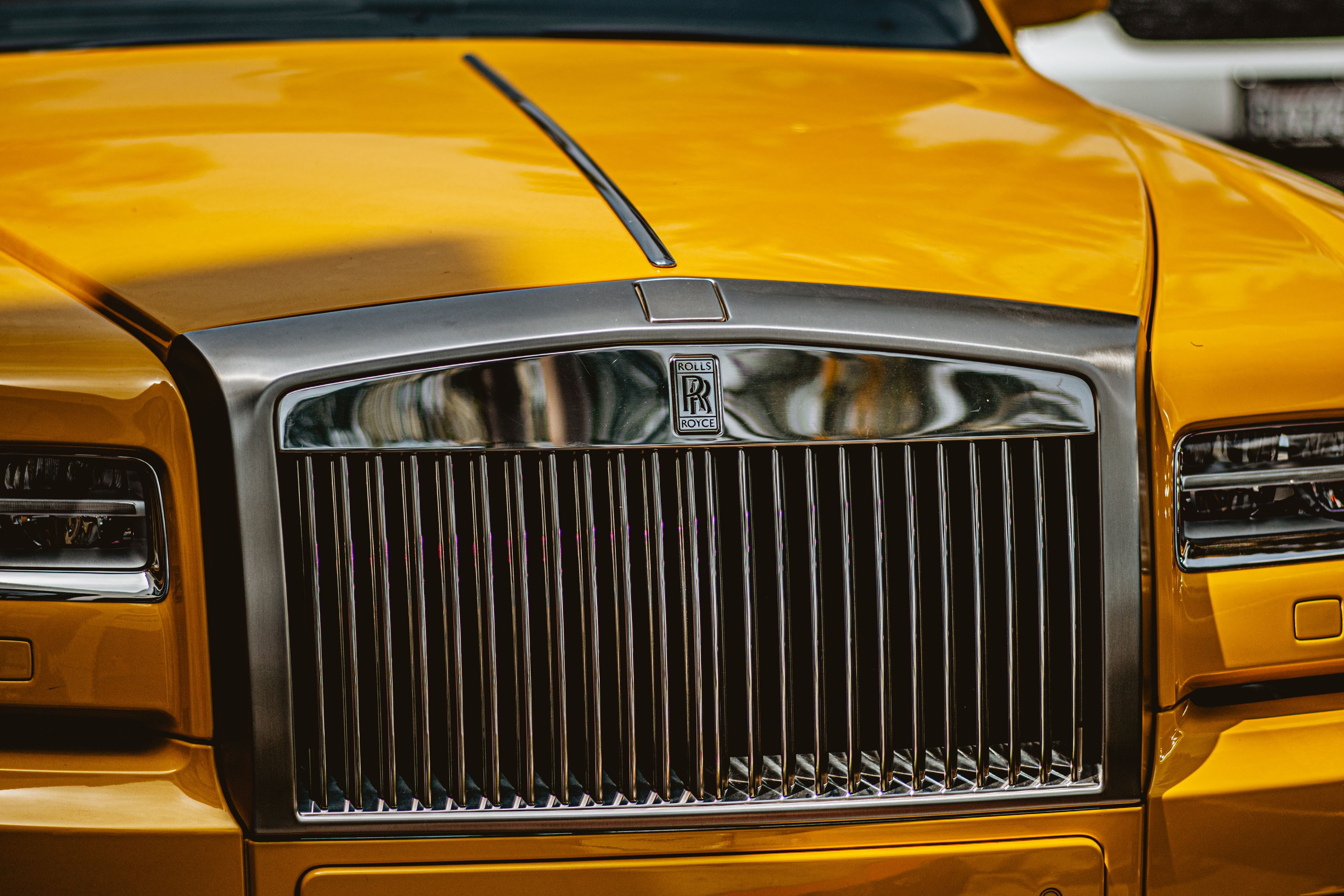
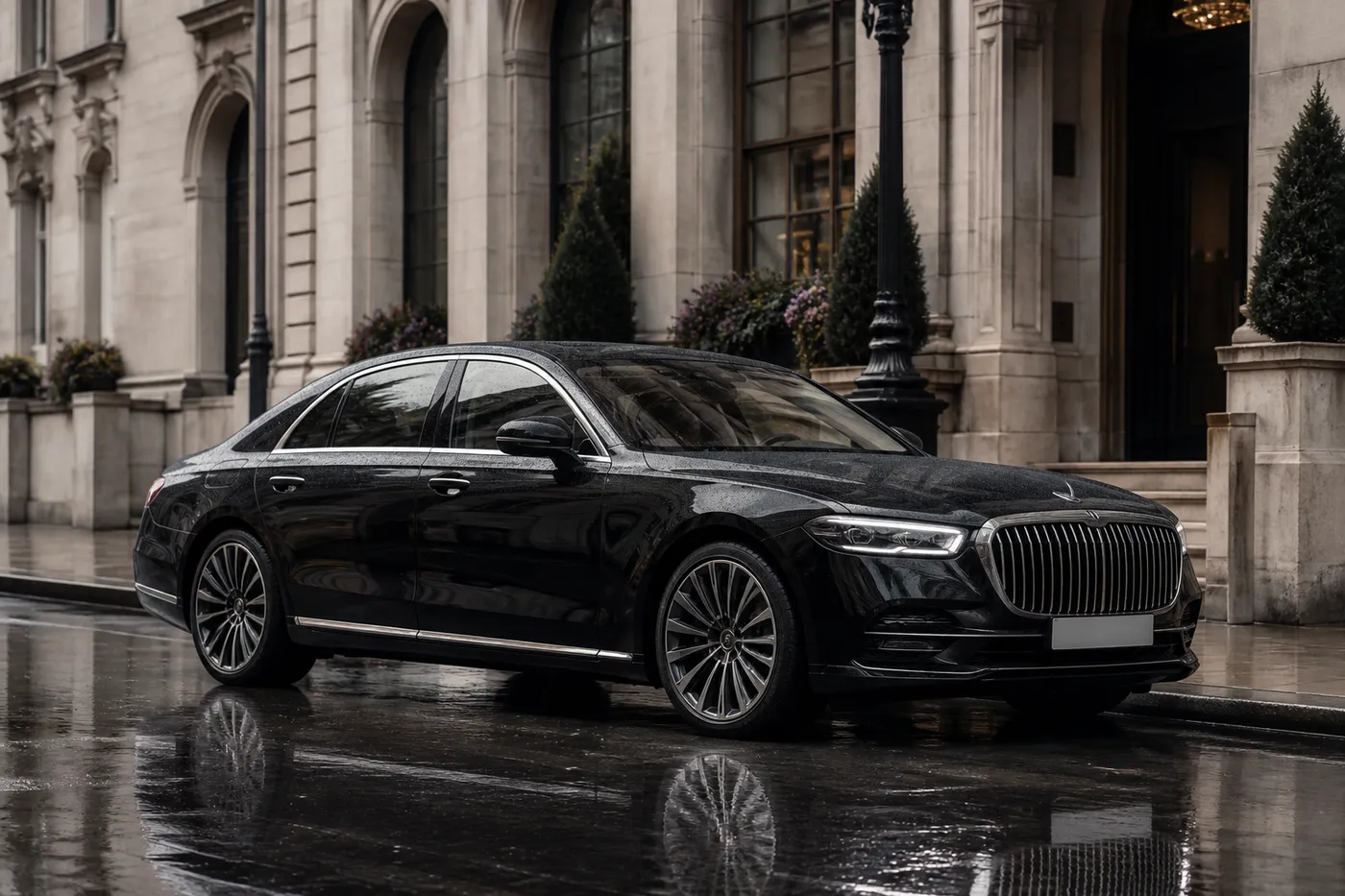
Vehicles arriving at a hotel entrance become part of the property's frontage for as long as they are there. Clean, unbranded and appropriate to the setting is the minimum; a chauffeur in proper attire who greets the doorman by name and knows the house routine is the standard that makes a concierge comfortable recommending the service unprompted.
The same applies inside the car. Guests are frequently tired, frequently in an unfamiliar country, and frequently asking questions the chauffeur is not obliged to answer but should. Where a hotel has particular expectations about how guests are addressed, what is offered in the cabin or how a return is arranged, set them out at the beginning and they become routine rather than something learned by trial.
Excursions and guest itineraries
Beyond transfers, hotel guests want days out: a country house, a distillery, a shopping day, a golf course, a run to a race meeting. These are held-car arrangements rather than transfers, and they benefit from a chauffeur who can advise on realistic timings rather than simply drive to whatever the guest has found online.
British distances mislead visitors constantly, and a guest planning three counties in a day needs telling gently that two is better. A supplier who will have that conversation before the booking saves the concierge from an unhappy guest afterwards. Give us the outline and we will say what actually works, including when the honest answer is that the day is too ambitious.
Setting up the working relationship
The practical arrangement most properties want is simple: a single point of contact, requests made over WhatsApp or email, written quotations for anything planned and a quick answer for anything urgent. Guest details are handled discreetly and not discussed, and the hotel decides how bookings are presented to the guest.
Where a property wants an account so the desk can book without arranging terms each time, that can be set up, with the arrangements agreed and confirmed in writing when the account is opened. Some hotels prefer guests to deal with us directly and simply make the introduction; both work, and it is worth deciding which you want at the outset rather than mixing the two.