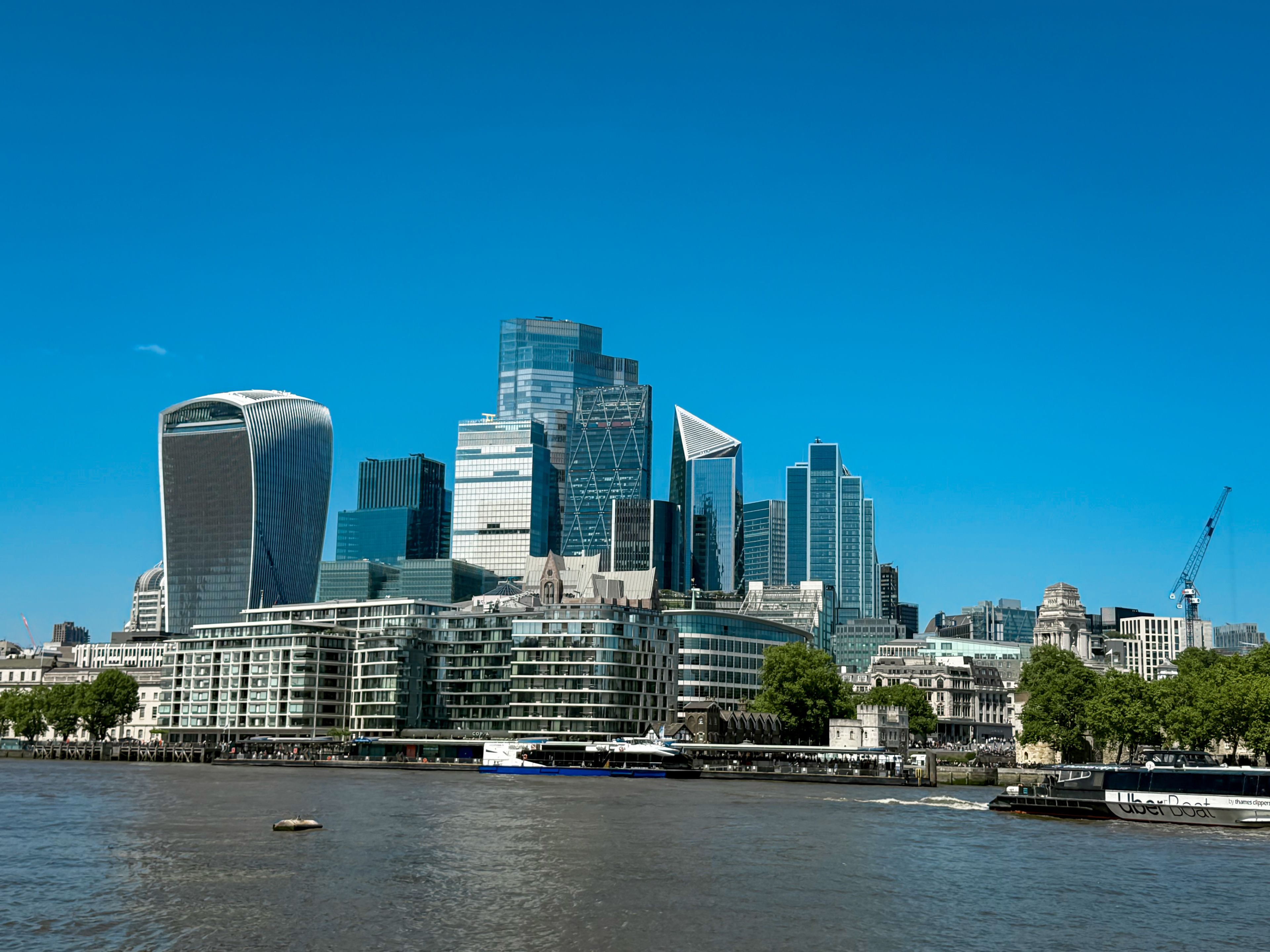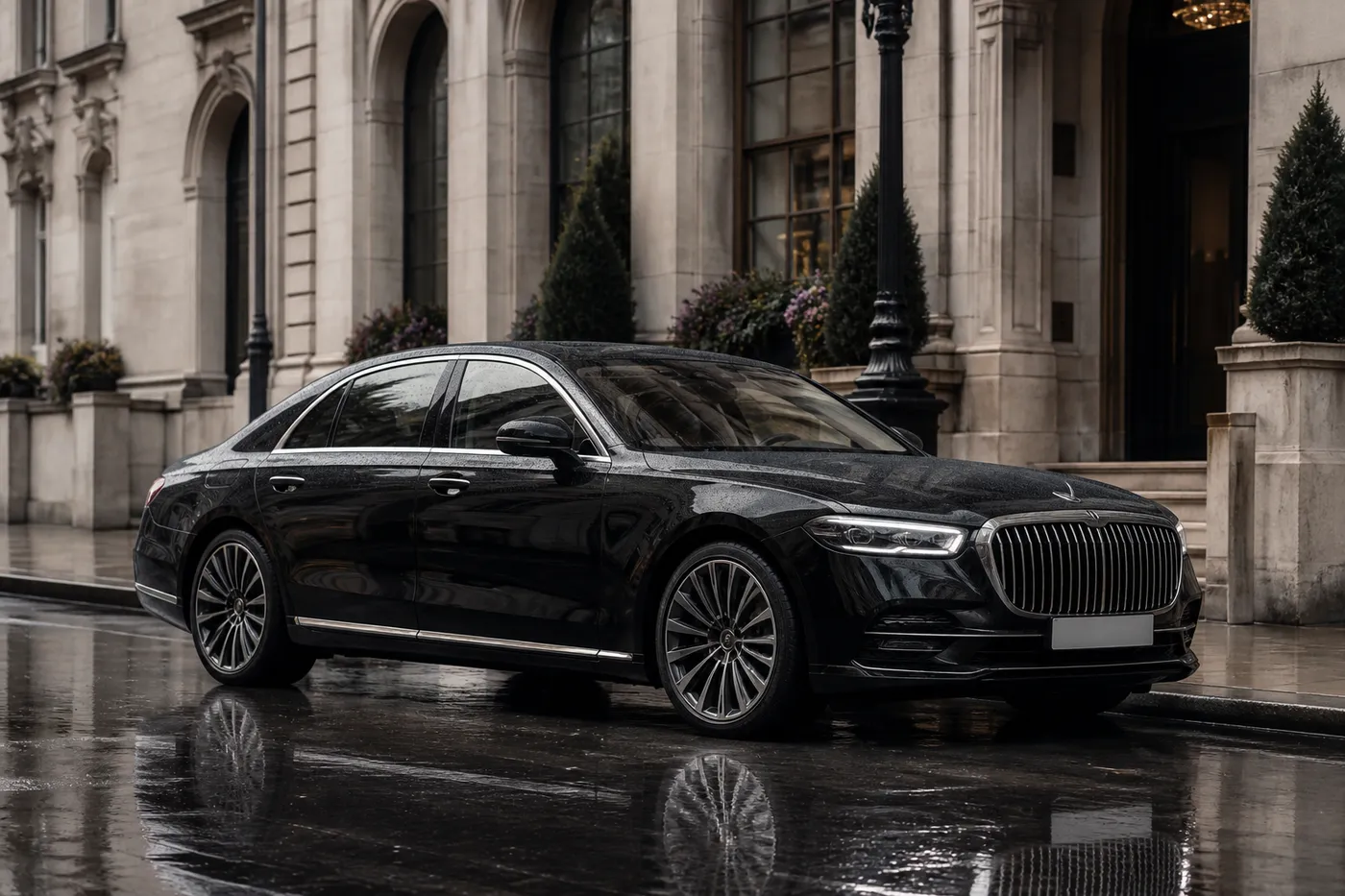





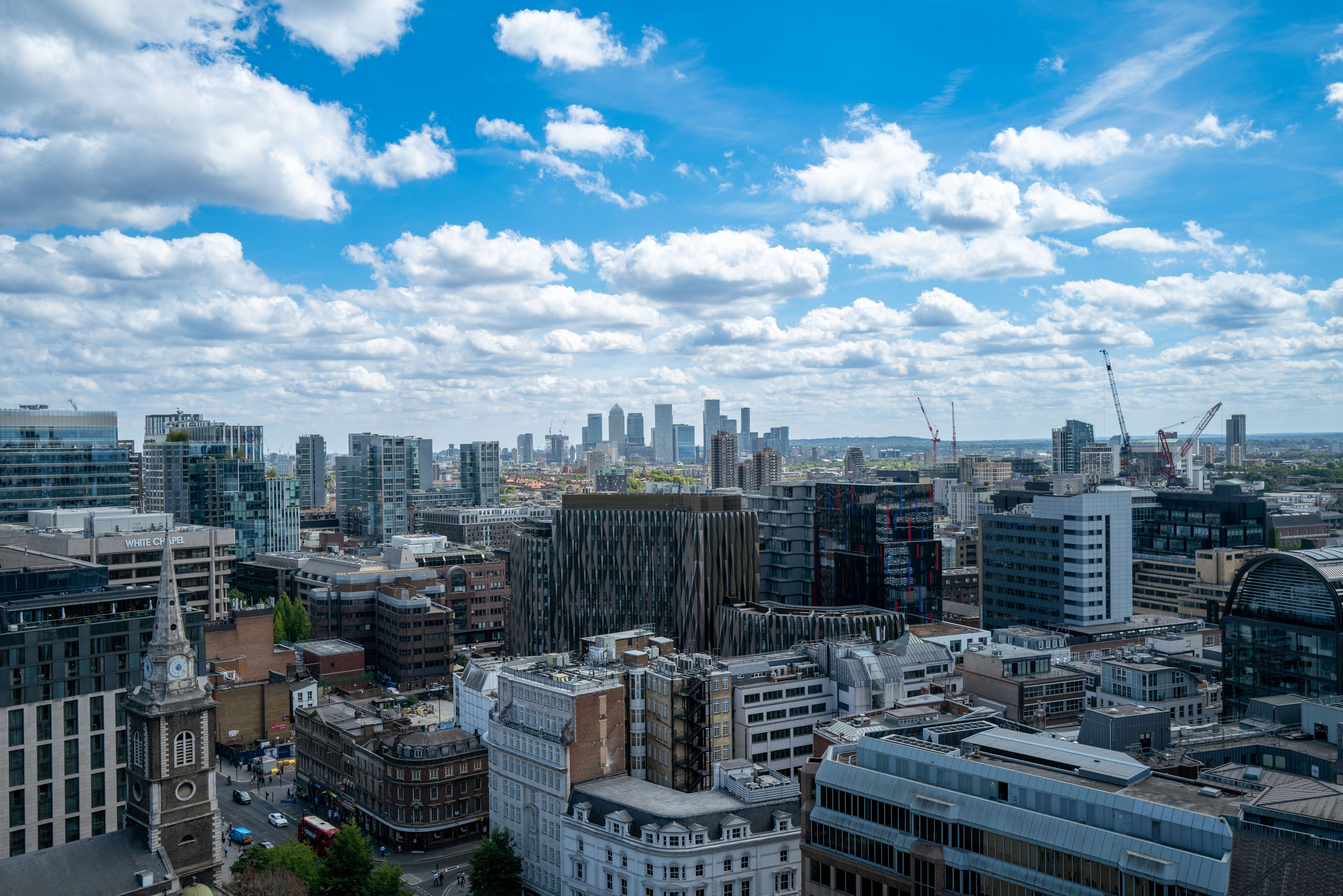
Financial services runs on a diary that most industries would find intolerable. Meetings are set in half-hour blocks, the person you are seeing has three more after you, and the window between the last question in one boardroom and the first handshake in the next is measured in single figures. Ground transport either protects that structure or quietly dismantles it, and there is very little middle ground between the two.
The firms that book chauffeur travel well treat the car as part of the meeting schedule rather than as the gap between meetings. It is where the final set of notes is read, where the follow-up call is taken, and where a team settles on what it is actually going to say upstairs. This guide sets out how that works in practice, and where the arrangement tends to come apart.
The rhythm of a results week
Reporting seasons compress everything. A team that travels sensibly for ten months of the year suddenly needs four cars on the same morning, one of them from a home address in Surrey at half past five, because the call is at seven and nobody wants to be reading the statement on a platform. The pattern repeats with quarterly predictability, which makes it one of the easiest things in corporate travel to plan for and one of the most commonly left to the final week.
The practical consequence is that availability, not price, becomes the constraint. Results dates are published well ahead; so are analyst day dates and the broad shape of a fundraising calendar. Sending those dates to a supplier as soon as they are fixed, even without addresses or passenger names, holds the capacity. Details can follow later. Firms that do this find the difficult mornings unremarkable, and firms that do not find themselves rearranging a board meeting around a car.
Why the car becomes a meeting room
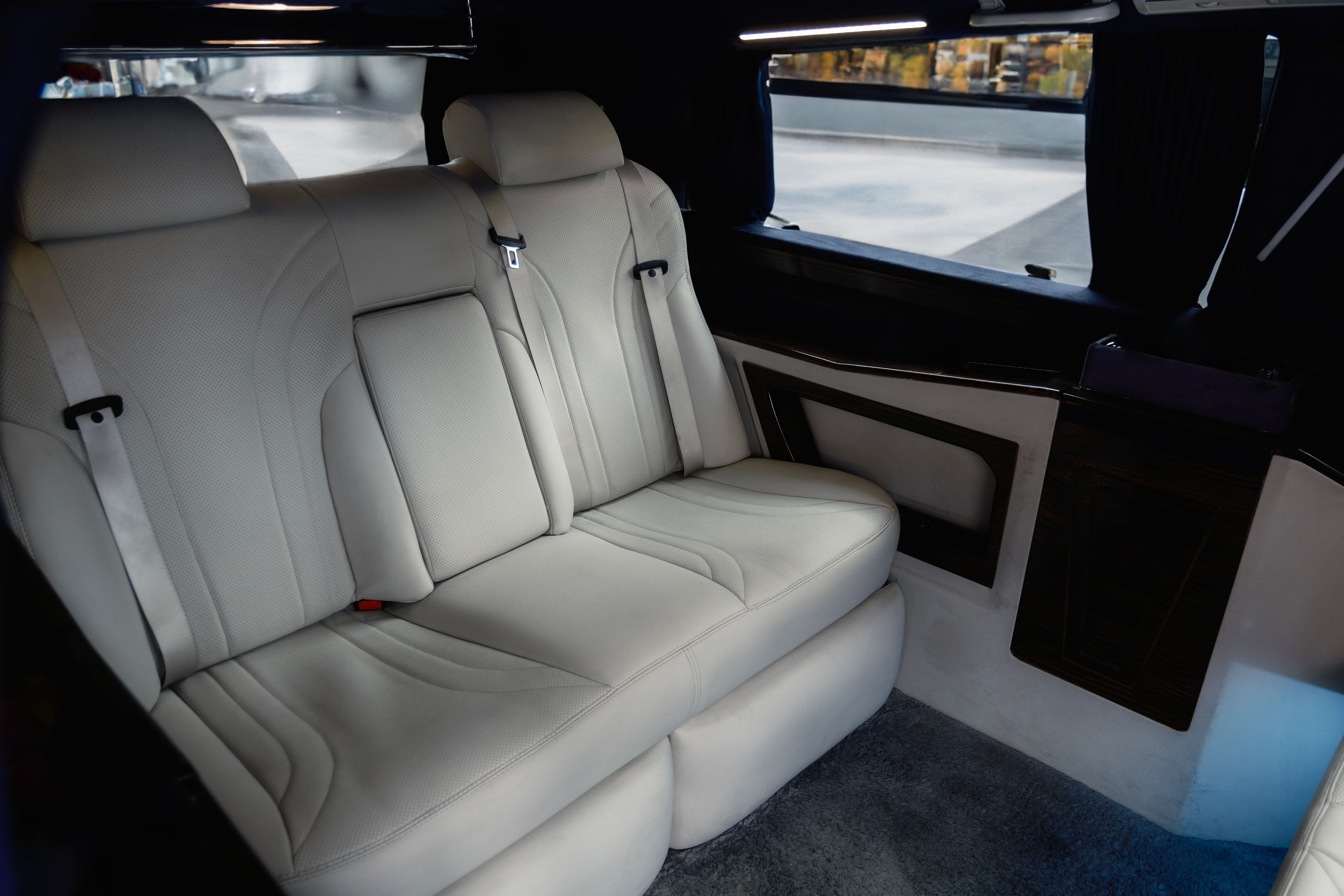
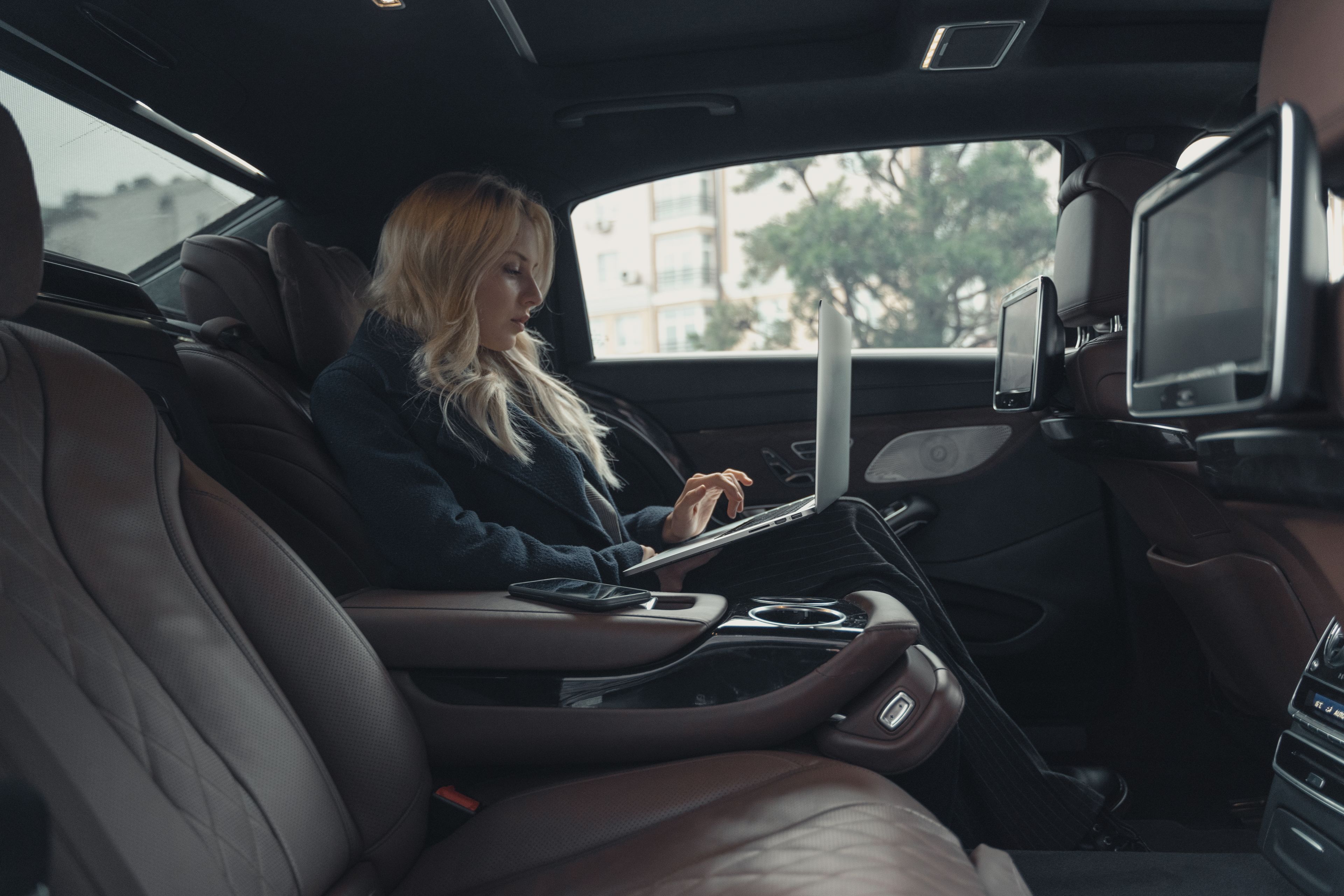
A rear cabin, with the silence a professional chauffeur maintains, is one of the few genuinely private spaces in a working day. Between an investor meeting in Bishopsgate and a second in Berkeley Square, a team gets twenty-five minutes to compare notes on what was actually being asked, decide who takes the awkward question next time, and agree the follow-up before anyone forgets it. That conversation does not happen in a taxi and it certainly does not happen on a train.
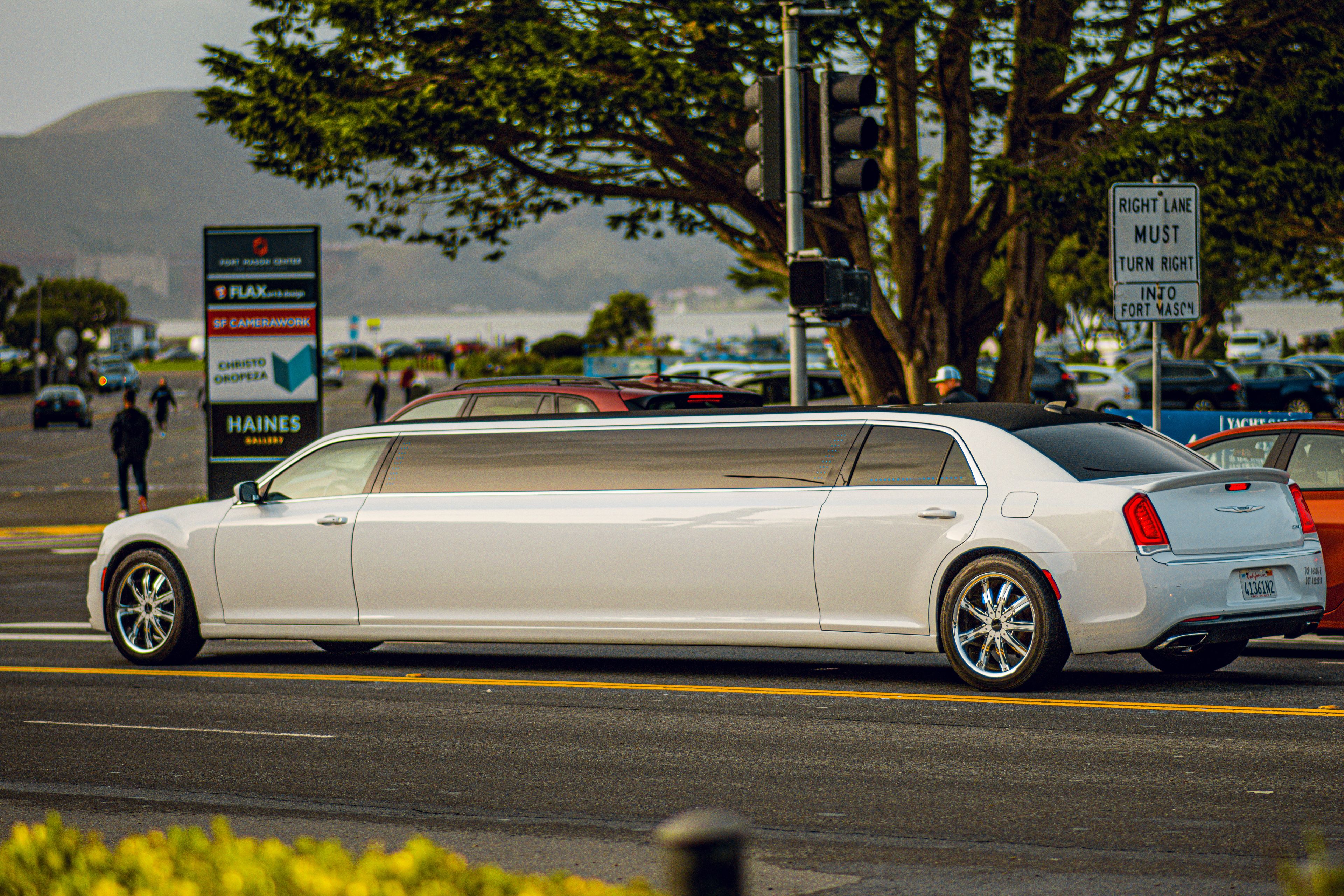
This is why vehicle choice in finance is less about status than acoustics and layout. An executive saloon works for one or two people who mostly want quiet. For three or four colleagues who need to talk to each other, a luxury MPV with generously spaced seating is the more useful room, and it carries the document cases nobody wants on their lap. Say how many people need to speak to each other, not simply how many are travelling.
Connectivity matters more than people admit. Calls dropping in the tunnels and cuttings on the approach to Canary Wharf is a known irritation, and a chauffeur who knows the dead spots will often hold a route for two minutes so a call finishes cleanly rather than cutting through them mid-sentence. A small judgement, and a considerable difference.
Roadshows and analyst days
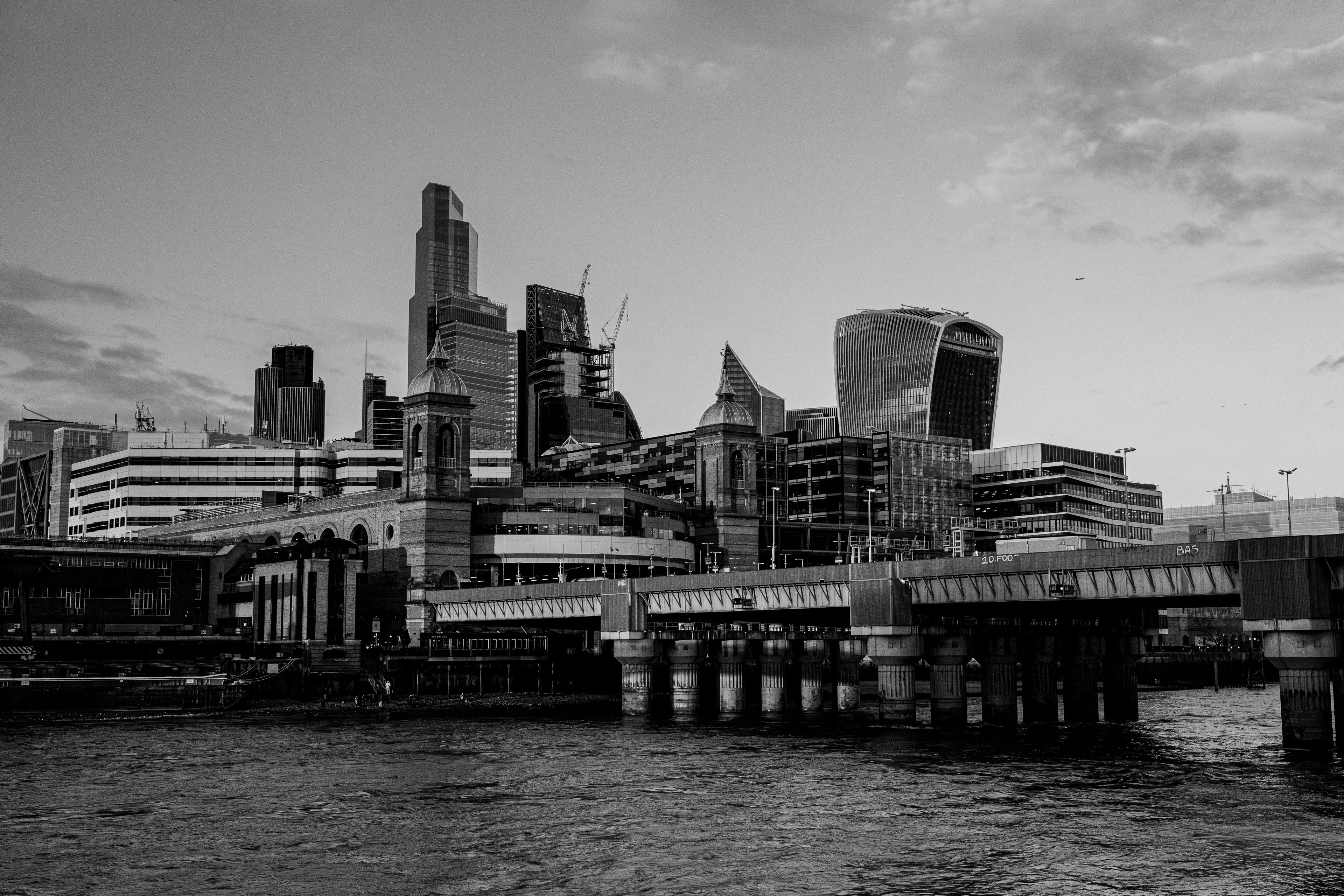
A roadshow is a sequence of appointments in which the whole schedule depends on the first one running to time. Six meetings across London in a day is an ordinary ask; six meetings where the fourth is in the Wharf and the fifth is in St James's is a planning problem, because the route between them at four in the afternoon is nothing like the route at eleven. Good sequencing groups meetings geographically and puts the least forgiving of them where the traffic is kindest.
The car should be held for the whole day rather than booked as separate transfers. It means the same chauffeur, the same boot, the same understanding of who sits where, and no interval spent finding a vehicle in the rain outside a building whose entrance faces the wrong way. It also means somebody is looking after the bags, the presentation materials and the coats while the meetings happen, which is worth more on a long day than most people expect.
Confidentiality handled without theatre
Discretion in this sector is not about mystique; it is about a professional simply not being interested in what he hears. A chauffeur working with financial clients treats the identity of passengers, the addresses visited and the fact a journey happened at all as nothing to discuss. No name on a windscreen card unless you ask for one. No conversation about the last client. No comment about where the car went yesterday.
Where a firm has its own requirements, they can be set out in writing before work begins, and a named chauffeur can be assigned so the same person handles a sensitive sequence of journeys rather than a rotating cast. What we would not do is dress this up as something it is not. Our chauffeurs are professional drivers held to confidentiality expectations, not security personnel, and any firm with a genuine protective requirement should take specialist advice separately.
Moving between the City and the Wharf
London's financial geography is awkward in a specific way. The Square Mile is dense, heavily restricted and full of buildings whose set-down points are not where the front door appears to be. Canary Wharf is straightforward once you are inside it and slow to approach. Mayfair and St James's, where much of the buy side and the advisory work sits, has narrow streets, resident parking pressure and almost nowhere a car can legally stand for long.
Chauffeurs who work these postcodes daily solve this with knowledge rather than optimism: which side of Broadgate to use at eight in the morning, which Wharf entrance takes a car without a twenty-minute loop, where a vehicle can genuinely wait near Bruton Street. Give the supplier the building name rather than only the postcode. Half the delay in City collections comes from a car standing one street away from a passenger who is looking in the other direction.
Booking around a diary that moves
Financial diaries change late and often. A meeting drops out, another lands, and the shape of the afternoon is different by lunchtime. The way to absorb that is to book the day rather than the journeys, agree an outline, and treat the schedule as something that can be adjusted from the car itself. A chauffeur held for a period can be redirected in thirty seconds; four separate transfers cannot be.
Everything is arranged over WhatsApp or email. Send the outline of the day, the passenger count and any fixed points that genuinely cannot move, and you will receive a written quotation covering the vehicle, the timings and the terms before anything is confirmed. For firms travelling regularly, an account can be set up so bookings are made against agreed arrangements, with those arrangements confirmed in writing at the point the account is opened.