




Fashion and luxury retail both run on seasons, and the seasons produce weeks in which everybody needs to be everywhere at once. Press days, market appointments, buying weeks and the shows themselves concentrate an enormous volume of movement into a small part of central London, at exactly the times when central London is least able to absorb it.
The industry also moves objects as much as people. Samples, rails, look books, stock transfers and client purchases all need transporting with a level of care that ordinary courier arrangements do not always supply. A garment that arrives creased, or a handbag that arrives in the boot with a spare wheel, has failed at the only thing that mattered.
Press days and market appointments
A press day is a circuit: several showrooms, each with an appointment, each expecting a stylist, editor or buyer to arrive within a window. The distances are short and the timings are brutal, because the appointments are stacked at half-hour intervals across Mayfair, Soho, Marylebone and increasingly east London. It is precisely the sort of day where a taxi between each stop loses an hour by lunchtime.
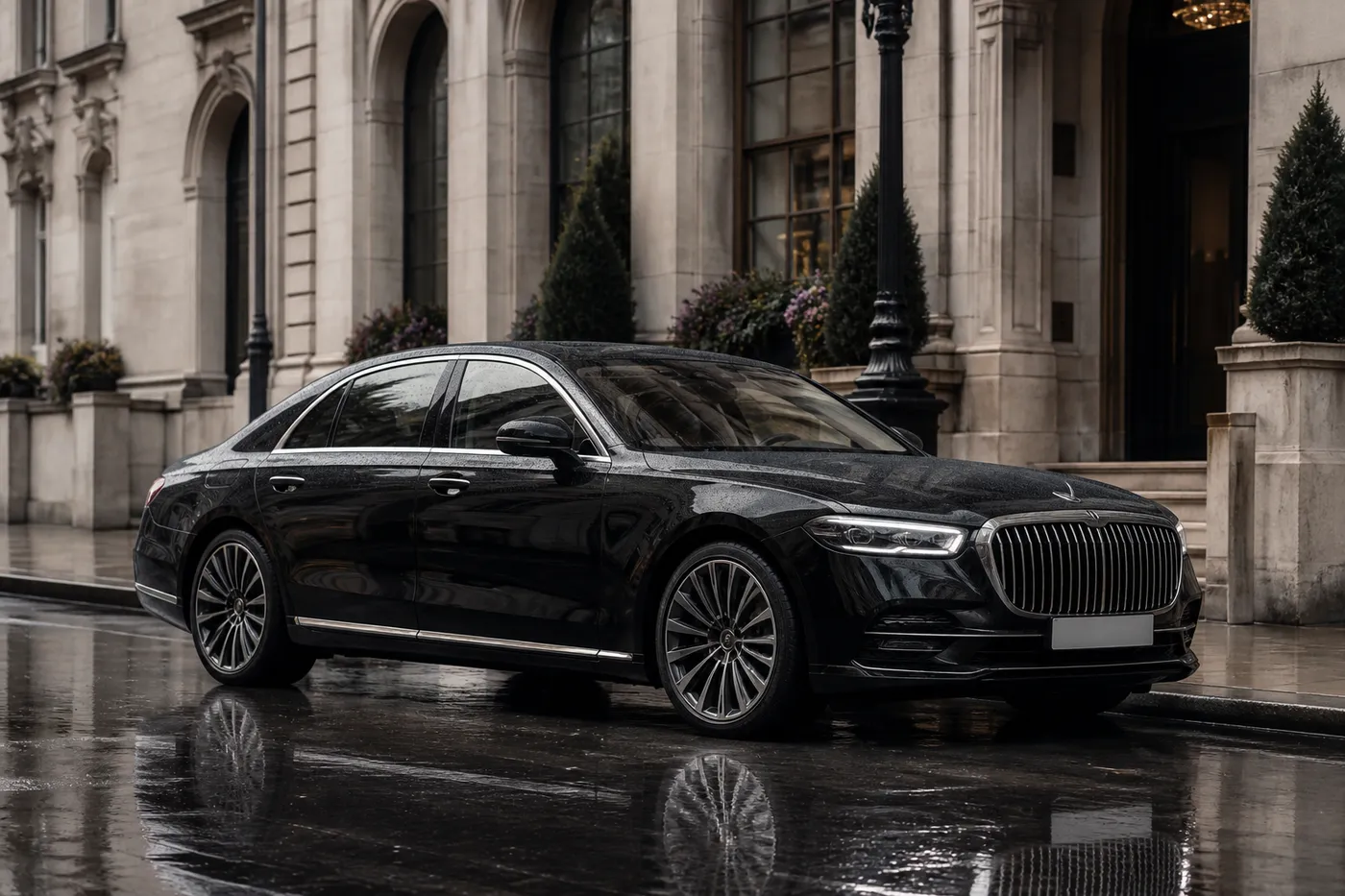
The efficient arrangement is a car held for the day with the full appointment list given to the chauffeur at the start, so the sequence can be adjusted when an appointment overruns. It also gives the passenger somewhere to put the accumulating pile of look books, samples and press packs that these days generate, rather than carrying them from showroom to showroom.
Moving samples and rails
Sample transport has requirements ordinary luggage does not. Garments on hangers need to travel hanging or laid flat rather than folded into a boot, accessories need protecting from each other, and everything needs to arrive clean. A vehicle with a flat, empty boot and a rear rail or hanging space is far more useful than a larger vehicle full of fixed seating.
Say exactly what is travelling when you book. The number of garment bags, whether a rail is coming, whether boxes must stay upright, and whether anything is fragile enough that it should be in the cabin rather than the boot. If a person is travelling with the samples, and for valuable pieces they generally should be, that changes the vehicle again. Nothing about this is difficult; it is simply the information that decides the car.
Show season and the West End
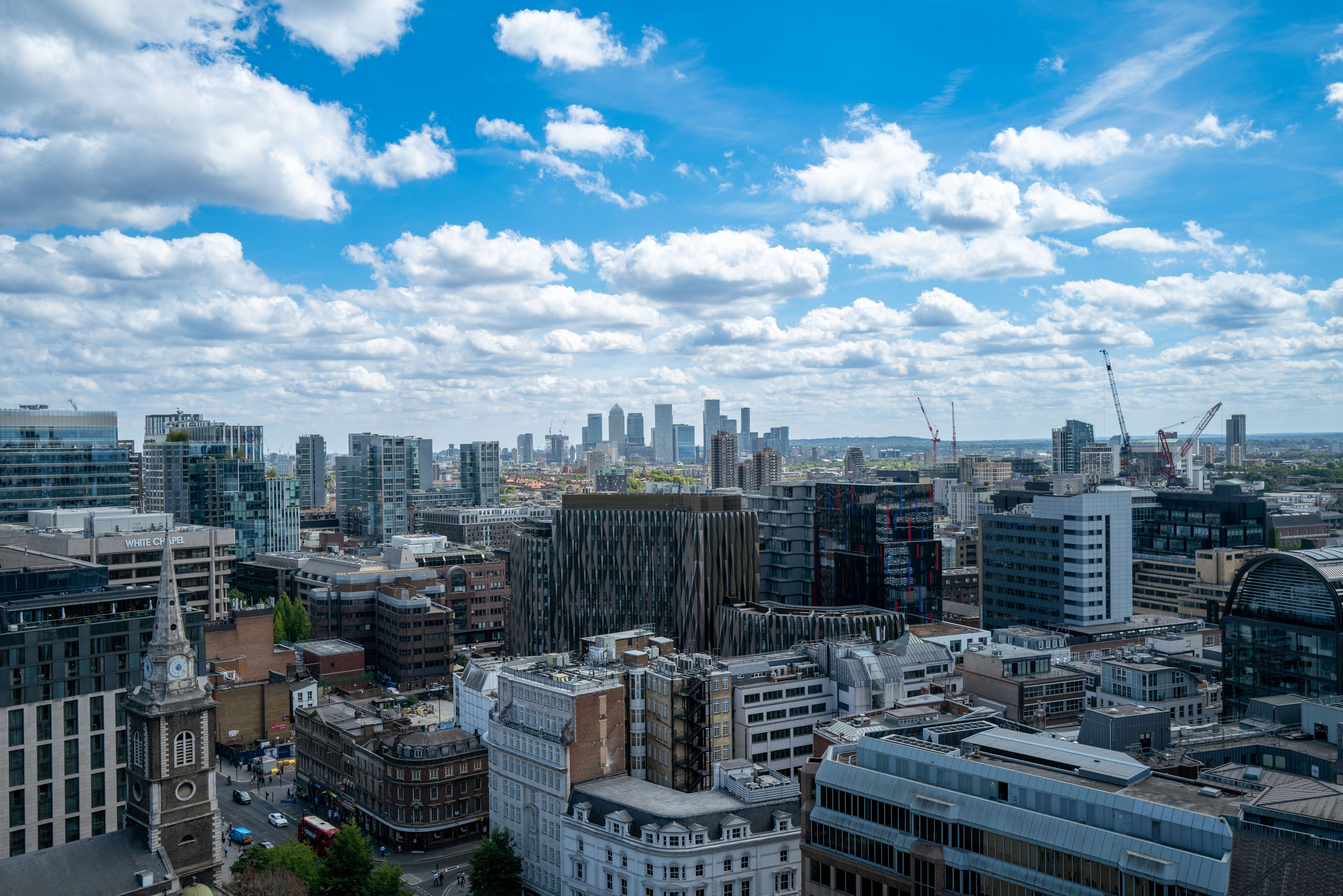
During show weeks, central London acquires a set of temporary constraints: venue road closures, accredited vehicle areas, and a queue of cars outside every venue at exactly the moment the show finishes. Journeys that take fifteen minutes in an ordinary week take three times that, and the set-down point may be several streets from the door.
Plan for the walk. Agree with the venue where vehicles can actually stop, tell the chauffeur, and build the schedule around the realistic time rather than the hopeful one. After a show, the departure is easier if the car waits away from the immediate crush and comes in on a message once the passenger is genuinely on the pavement, rather than sitting in a stationary line of vehicles for twenty minutes.
Personal shopping and client days
Luxury retail's other transport requirement is the client themselves. A personal shopping day may take in Bond Street, Sloane Street, Knightsbridge and a boutique appointment somewhere quieter, with purchases accumulating throughout. The point of the car is that nobody carries anything: bags go into the boot at each stop and the client walks into the next appointment unencumbered.
That means holding a vehicle for the day rather than booking transfers, and choosing one with genuine boot capacity, because a serious shopping day fills a saloon faster than most people expect. It also means a chauffeur who will bring the car to the door at each store, take the bags without being asked, and place them so nothing is crushed on the way to the hotel.
Discretion in a visible industry
Fashion is a small industry in which who is meeting whom is legitimately interesting information, and a car outside a particular showroom during market week says something. Vehicles are unbranded, chauffeurs do not discuss passengers or destinations, and no photographs of anybody or anything in the car are taken or shared.
For brands moving unreleased product or hosting clients whose visit is not public, the same principle applies to the goods as to the people. Where written undertakings are required before a season begins, those can be agreed. What we would not claim is anything beyond a professional service: our chauffeurs are drivers held to confidentiality expectations, and high-value goods requiring specialist secure transport should be handled by firms who specialise in it.
Arranging around a seasonal calendar
The advantage of a seasonal industry is that the pressure points are known months ahead. Press day dates, market weeks, show schedules and the retail peaks around late autumn are all foreseeable, and sending those dates to a supplier early secures capacity in weeks when everyone in the industry wants the same cars at the same hours.
Arrangements are made over WhatsApp or email, with written quotations covering vehicles, periods and terms before anything is confirmed. For brands, agencies and stores booking through a season, an account can be set up so bookings are made against agreed arrangements, and those arrangements are confirmed in writing when the account is opened.