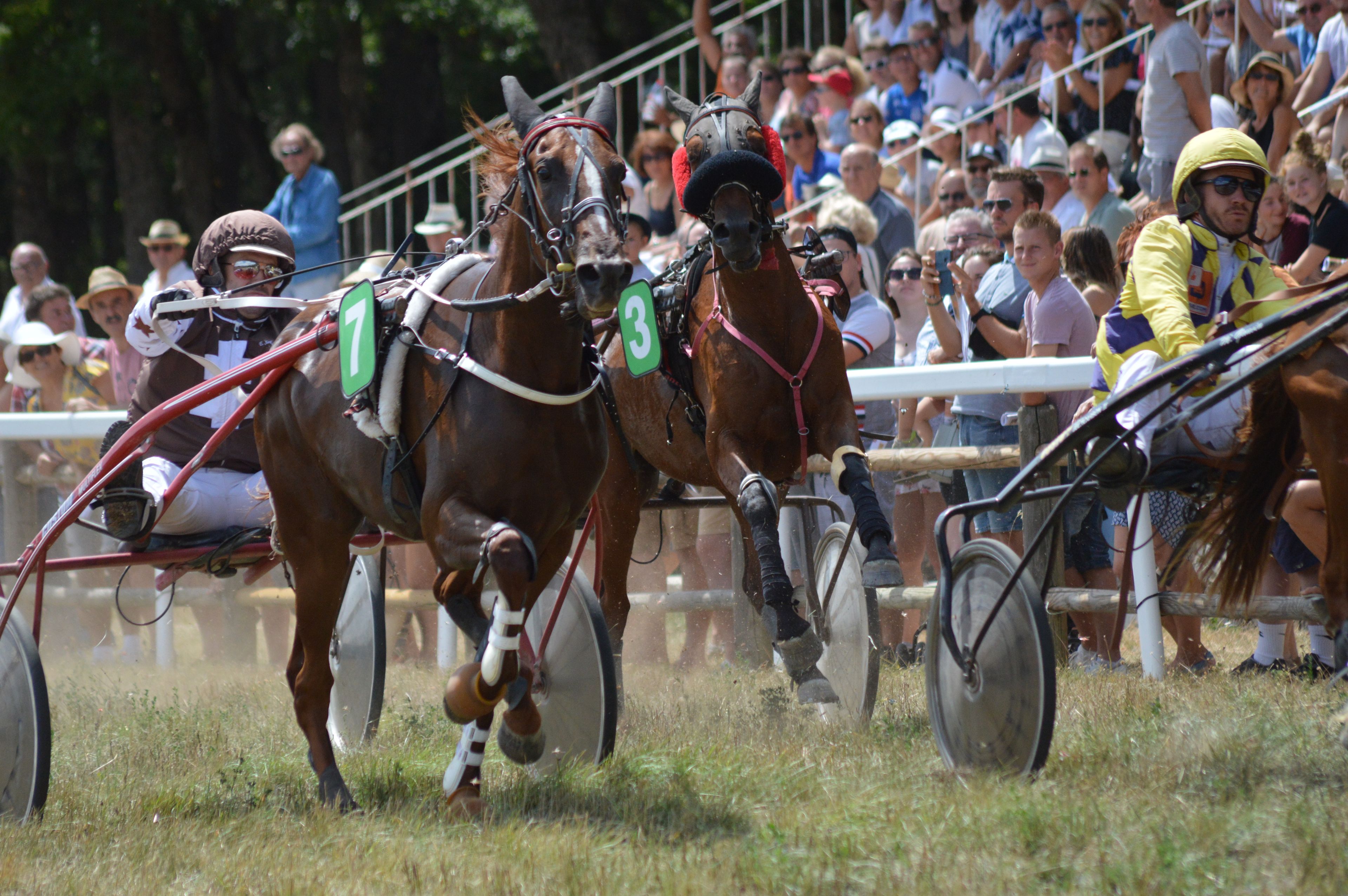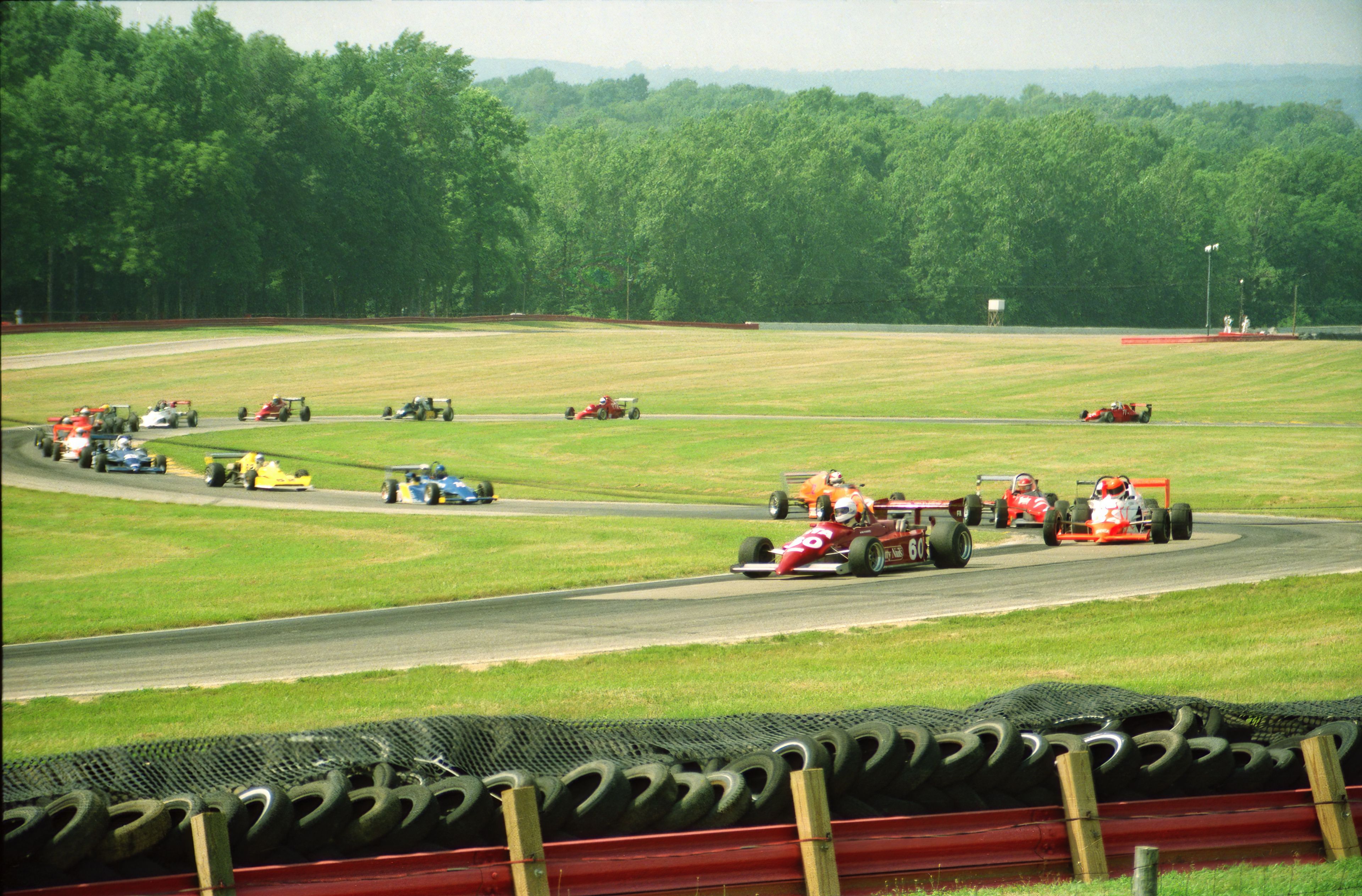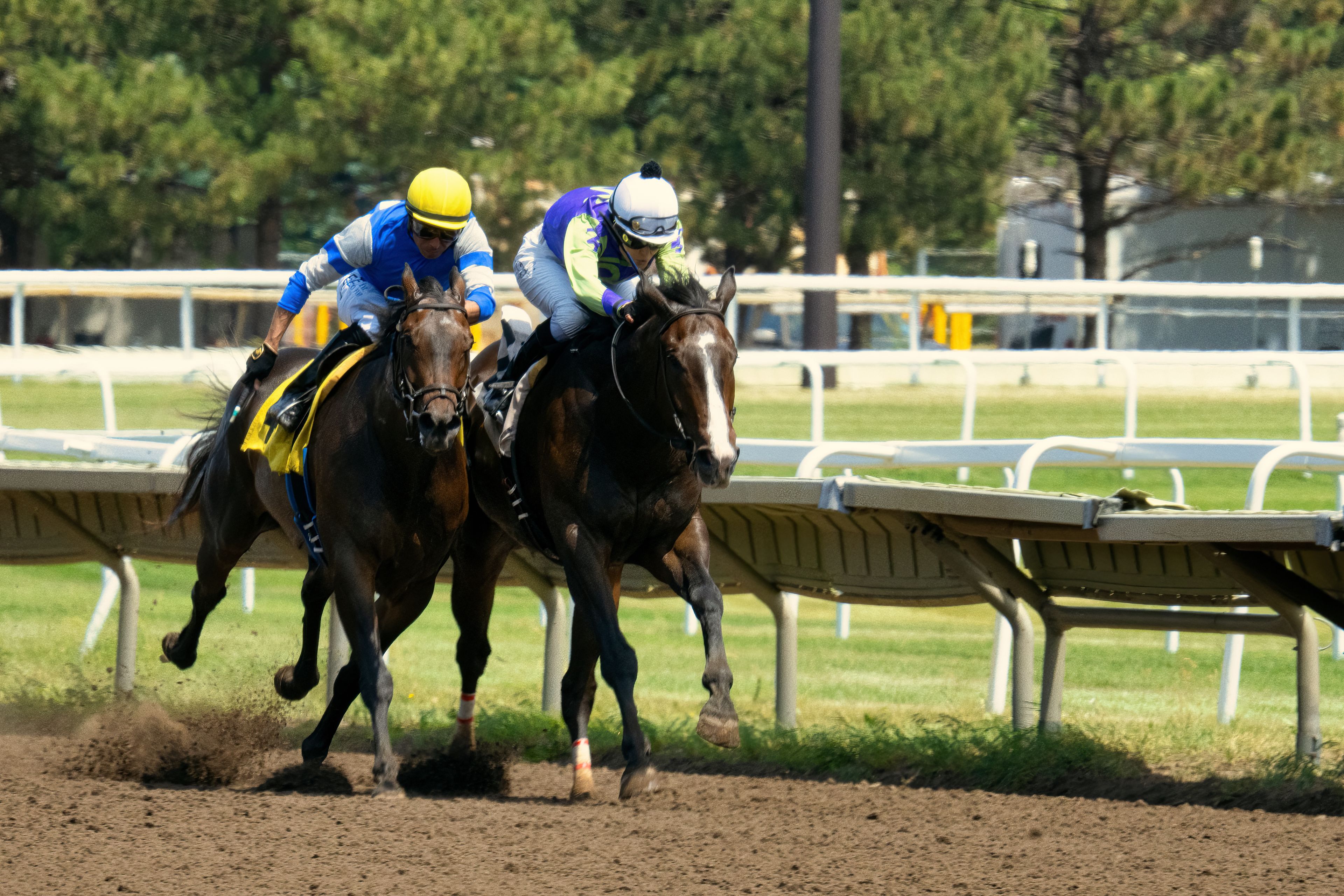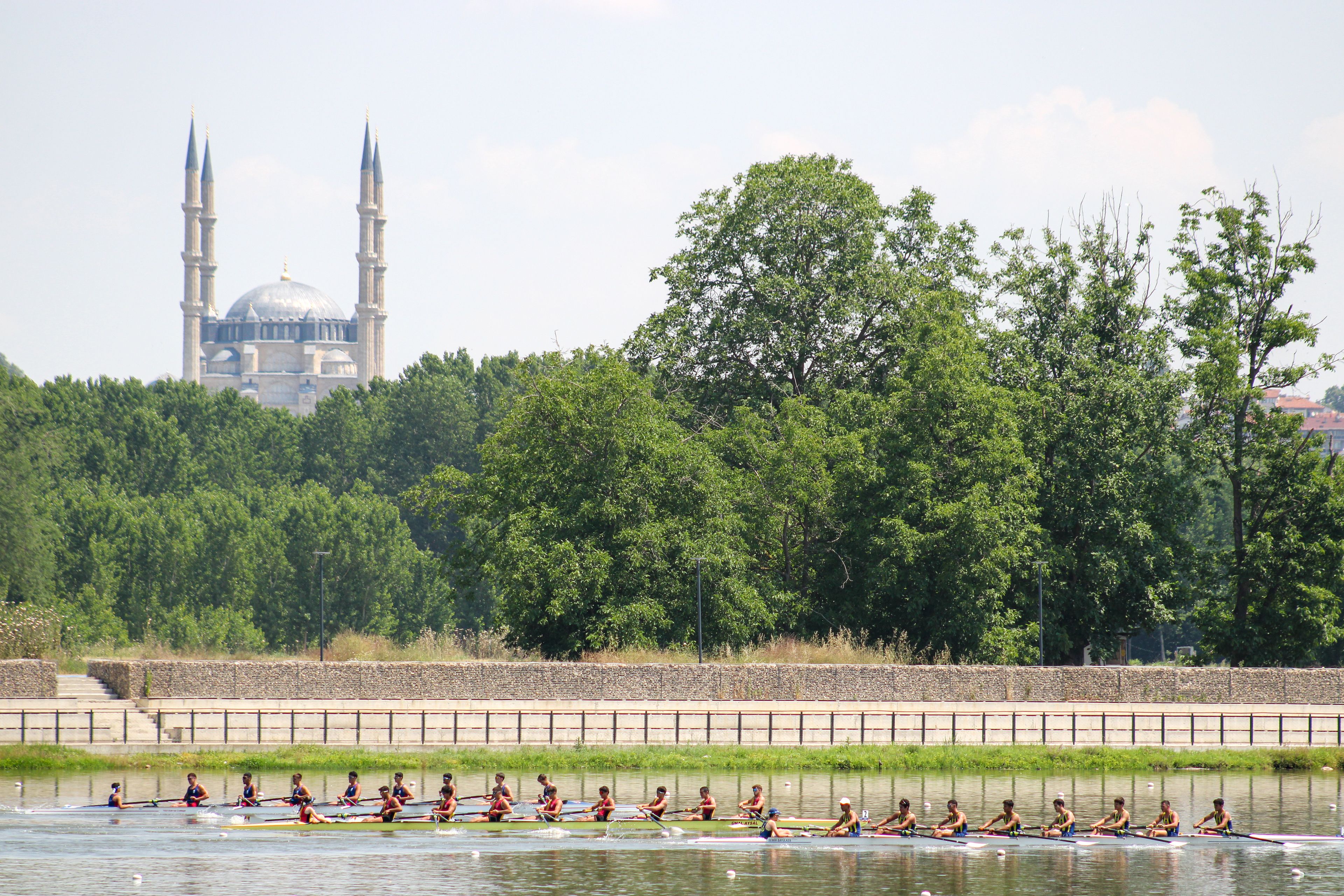





Sport has the most rigid schedule of any sector we work with, and the least sympathy for excuses. A kick-off, a first serve or a race start happens whether or not the traffic behaved, and the person who arrives late has not merely inconvenienced a meeting; they have compromised a warm-up, a physiotherapy slot and occasionally a selection decision. Everything about ground transport in this world flows from that.
What is less obvious from the outside is how much of an athlete's travel is not the fixture at all. Training ground, treatment, media duties, sponsor commitments, recovery sessions and airports fill more days than matches do, and it is the accumulation of those journeys, week after week, that decides whether a season feels manageable or exhausting.
Fixture travel and arrival windows
Clubs and teams work to arrival windows rather than arrival times. There will be a period during which the athlete is expected in the building, dictated by warm-up protocols, medical checks and whatever the competition rules require. Arriving early is usually fine; arriving inside the last few minutes of the window is not, because it removes every buffer from the preparation that follows.
Planning for that means building the journey around the earliest sensible arrival rather than the latest acceptable one, and knowing where a car can actually get to. Stadium approaches close progressively as crowds build, and a route that works two hours before a fixture can be impassable forty minutes later. Where an accreditation, parking pass or specific gate is required, that needs supplying to the supplier in advance rather than presented at a barrier.
Return journeys are the mirror image. Post-match the athlete may be held for media, testing or treatment for an unpredictable period, so a car held nearby with a flexible departure is more useful than a fixed collection time that nobody can honour.
Kit, bags and boot space
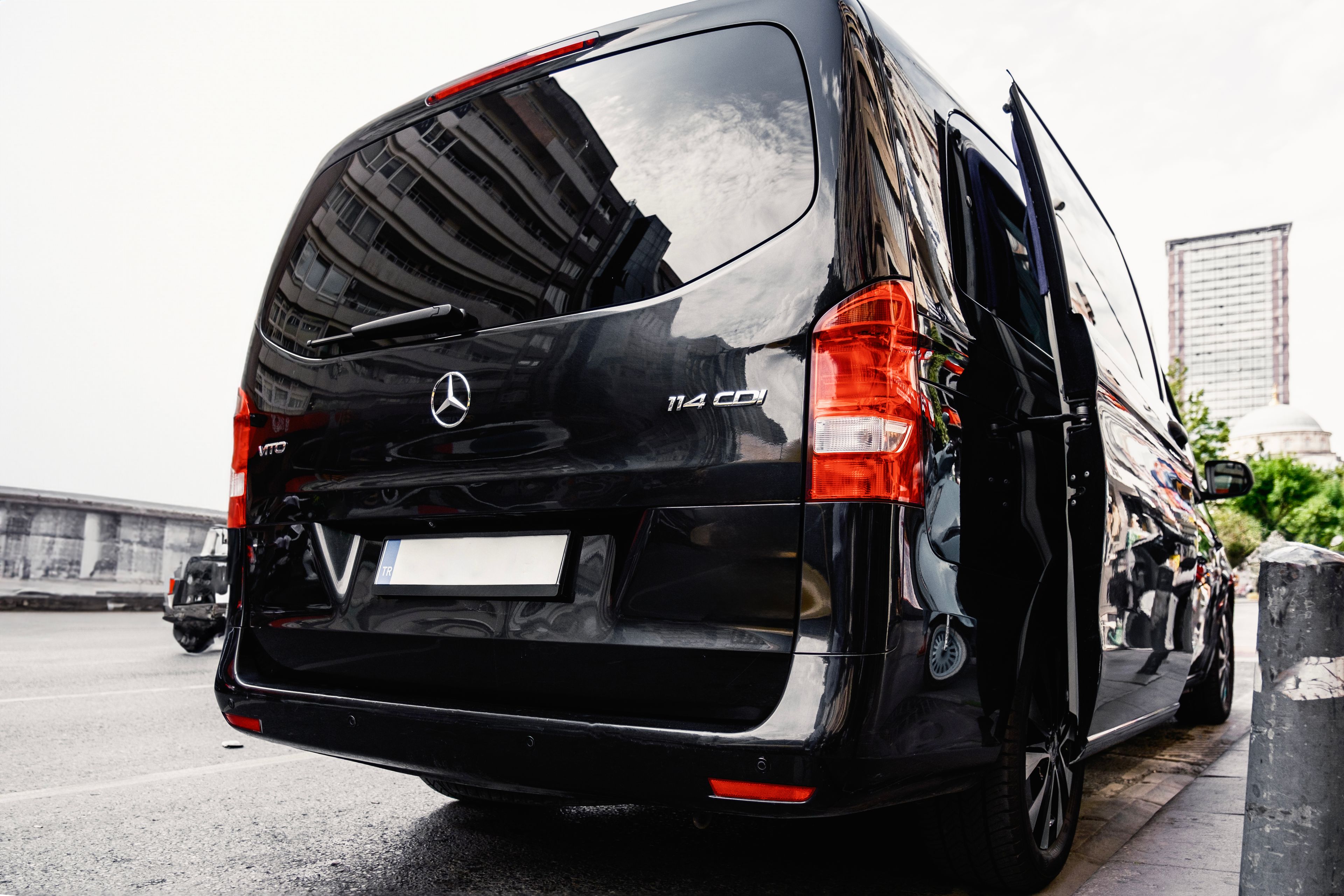
Sporting luggage defeats saloons with impressive regularity. A single athlete may travel with a holdall, a boot bag, a racquet case, a recovery unit and a suit carrier, and that is before anyone adds a second person. Golf clubs, cycling equipment and long-handled kit have shapes that do not fold, and a boot that swallows three suitcases will not necessarily accept one bike box.
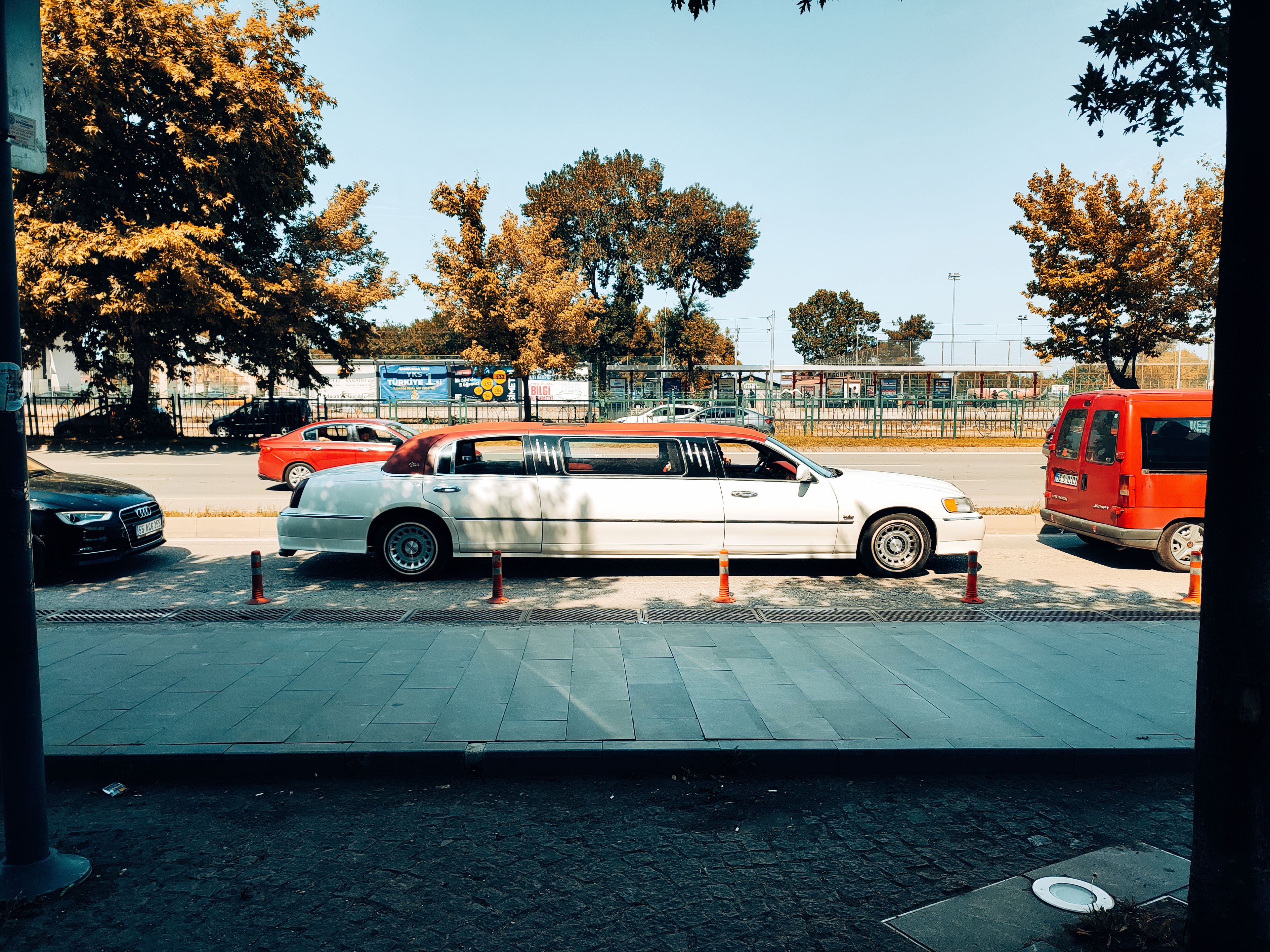
Describe the equipment rather than counting bags. Length and rigidity matter more than the number of items, and knowing in advance whether something must travel flat, upright or in the cabin decides the vehicle. For teams and squads moving together, several MPVs frequently work better than one larger vehicle, because equipment can be distributed sensibly and nobody spends the journey with a bag across their knees.

Recovery, treatment and the quiet hour
Between a fixture and the next commitment there is often a journey of an hour or more, and how that hour is spent affects the following day. A cabin that is warm, quiet, smooth and dark allows genuine rest. A cramped one with a hard ride does not. For long returns after evening fixtures, reclining rear seats and generous legroom stop being a luxury and start being part of the recovery plan.
Chauffeur behaviour follows the same logic. No conversation unless it is invited, no radio commentary on the match that has just finished, no opinion offered about the result. Athletes coming out of a competitive environment frequently want silence, and a professional recognises that within the first thirty seconds and behaves accordingly for the rest of the journey.
Privacy away from the fixture
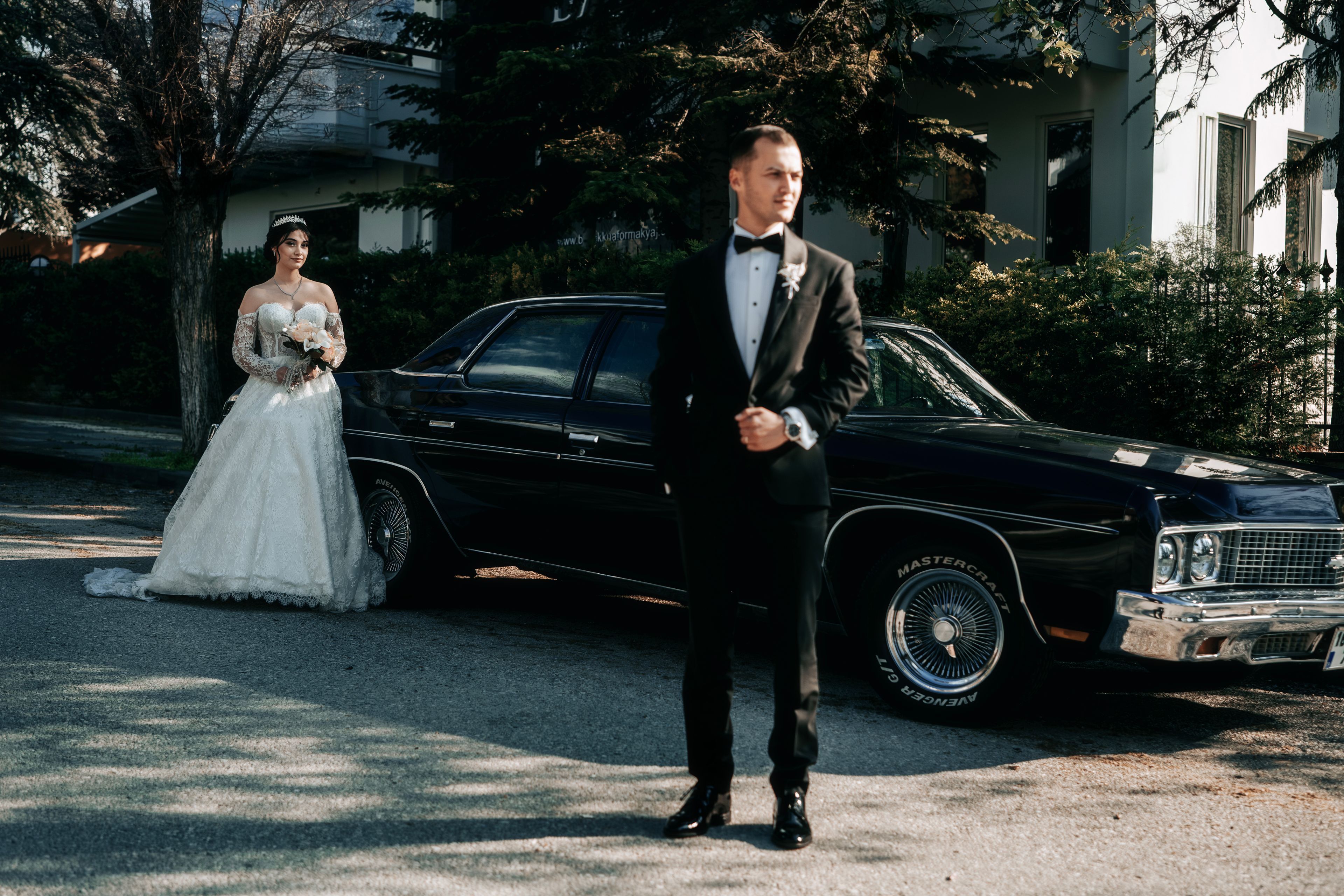
Recognisable athletes are photographed constantly, and much of that happens at the moment they get into or out of a car. Unbranded vehicles, sensible waiting positions away from a main entrance, and a chauffeur who does not linger with a phone in his hand all reduce the friction of an ordinary day considerably.
The discretion extends to information. Home addresses, training patterns, medical appointments and the identity of anyone else in the car are not things a chauffeur discusses, mentions in passing or posts about. Where an agent or club wants specific written undertakings before work begins, those can be agreed. We should be equally clear that our chauffeurs are professional drivers, not protection personnel, and any genuine security requirement is a separate specialism.
Agents, families and the wider party
Much sporting travel involves more than the athlete. Agents move between meetings, families travel to fixtures, and academy players are often minors travelling with parents or club staff. Each of those has different requirements, and the useful thing at the point of booking is to say who is actually in the car rather than simply how many.
Child seats, booster requirements and the rules a club applies to young players all need flagging in advance, because they change both the vehicle and the arrangements around collection. Where a family is travelling to an away fixture from a home address, a single chauffeur handling the day from door to door removes a considerable amount of stress from people who did not choose the schedule and are simply trying to be there.
Seasons, standing bookings and travel patterns
Sporting calendars are published well in advance, which makes them ideal for standing arrangements. Training ground runs on the same days each week, a regular treatment appointment, a fixture list stretching across months: all of these can be set up as recurring bookings with the same chauffeur, so the routine is established once rather than rebuilt every week.
Send the shape of the season, the recurring commitments and any known travel to a supplier early, and the exceptions become the only thing that needs managing. Arrangements are made over WhatsApp or email, with written quotations covering vehicles, periods and terms. For clubs, agencies or households booking regularly, an account can be set up and its arrangements confirmed in writing at that point.