





A family office arranges travel for a household rather than for a company, and households do not behave like businesses. The principal has a diary that changes hourly, children have school and activities that do not change at all, guests arrive from abroad, and staff need moving between properties. All of it lands on one or two people who are also doing several other jobs.
What those people want from a transport supplier is not variety but reliability. The same standard every time, the same small number of chauffeurs, and arrangements that continue working without needing to be supervised. The measure of success is how rarely the office has to think about it at all.
Standing arrangements and the weekly pattern
Most households have a rhythm underneath the unpredictability. The school run happens at the same times, a regular appointment recurs weekly, somebody goes to the same office three days out of five. Setting those up as standing bookings, rather than arranging them each week, removes a substantial amount of recurring administration from an office that has plenty already.
The same chauffeur across those journeys is what makes them work without supervision. He knows the gate code, the route the family prefers, which child sits where, and that the middle of the week is the one with the later finish. After a few weeks the arrangement runs itself, and the office only becomes involved when something changes.
Travel for several different principals
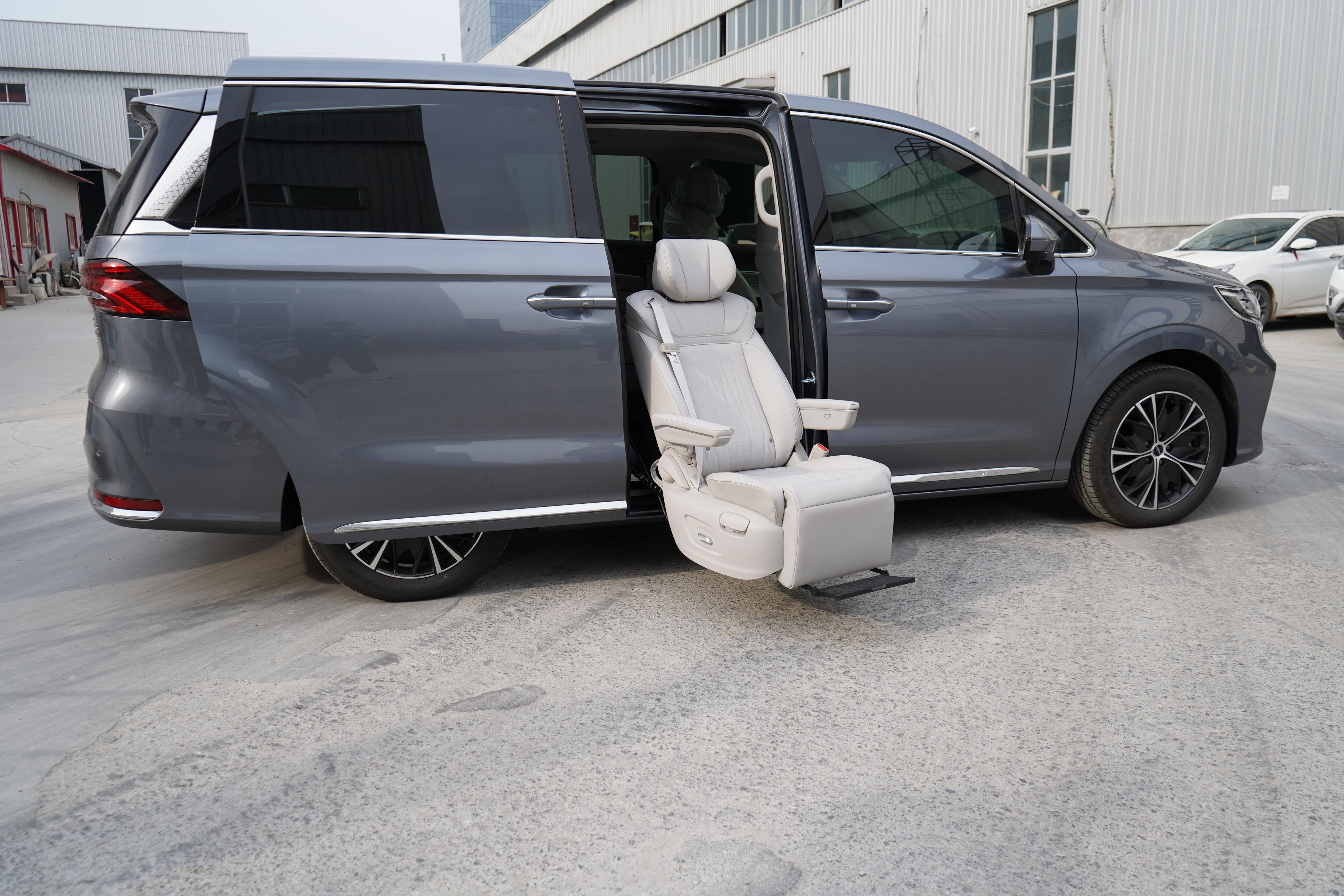
Family offices frequently arrange travel for people with quite different requirements: a principal who wants silence and a particular vehicle, a spouse who prefers a different chauffeur, adult children with their own schedules, and older relatives for whom seat height and door assistance matter far more than anything else.
Recording those preferences centrally, with the supplier as well as internally, is what stops the office having to restate them with every booking. Vehicle preference, seating, temperature, conversation, water, route habits and any accessibility requirement can all be held on file and applied automatically. It is a small piece of set-up work that pays back every week thereafter.

Guests, staff and the wider household
Beyond the family, an office arranges travel for a considerable number of other people: visiting guests, advisers coming for a meeting, household staff moving between properties, and occasionally contractors or deliveries that need a person accompanying them. Each has a different level of formality and a different expectation.
The useful discipline is to be explicit about who the passenger is and what the booking is for, because it changes the vehicle and sometimes the chauffeur. A guest arriving for a weekend at a country property, a nanny taking children to an activity, and a principal going to a formal dinner are three quite different jobs, and they benefit from being briefed as such rather than treated as identical journeys.
Moving between properties and seasons
Households with more than one property generate seasonal movements that are logistically substantial: a family, luggage, staff and sometimes pets moving between a London house and a country one, or to and from an airport for an extended stay abroad. These are rarely one vehicle and rarely one journey.
Plan them as a small operation rather than a booking. Establish what travels with whom, how many vehicles are genuinely needed, whether luggage goes ahead separately, and what time the property at the far end can receive everybody. Where these movements repeat with the seasons, they are entirely predictable, and arranging them a good way ahead removes the annual scramble that otherwise accompanies them.
Discretion inside the household
A chauffeur working regularly for a household sees a great deal: addresses, routines, who visits, what the family's week looks like. The professional standard is complete discretion about all of it, including with other staff, and a chauffeur who does not discuss one part of the household with another.
Where an office requires written confidentiality undertakings before work begins, those can be agreed, and a small named group of chauffeurs can be assigned so the household deals with familiar people rather than a rotating cast. It is worth being clear that our chauffeurs are professional drivers held to confidentiality expectations rather than security personnel, and any protective requirement is a separate specialism for which you should take specialist advice.
Administration a family office can live with
The administrative requirement here is usually straightforward: predictable arrangements, clear records of what was booked and for whom, and journeys attributable to whichever part of the household structure the office needs them recorded against. Nobody wants to reconstruct a month of car journeys from memory.
Bookings are made over WhatsApp or email with one point of contact, and quotations are provided in writing before anything is confirmed. Where an office wants an account so several people can book against agreed arrangements, those arrangements are set out and confirmed in writing when the account is opened, and journey records can be organised to match how you report internally.