




Medical travel has an asymmetry that other journeys do not. The outbound leg needs to be punctual, because appointment slots run to a timetable that assumes everybody arrives; the return leg needs to be gentle, because the person in the car may be tired, sore, sedated or simply absorbing news. Treating both halves as the same journey is the most common mistake in arranging it.
There is also the matter of who is actually travelling. Patients are frequently accompanied by a partner, a relative or a carer, and the practical requirements come from the whole group rather than one person. Comfort, timing and the ability to wait without pressure matter far more here than anything about the specification of the vehicle.
Appointment timings and the outbound leg
Clinics and hospitals run appointment systems that assume punctuality and penalise lateness, sometimes by moving a patient to the end of a list and occasionally by requiring the whole visit to be rebooked. Where a procedure involves preparation, a fasting window or an admission time, arriving late may make the appointment impossible rather than merely inconvenient.
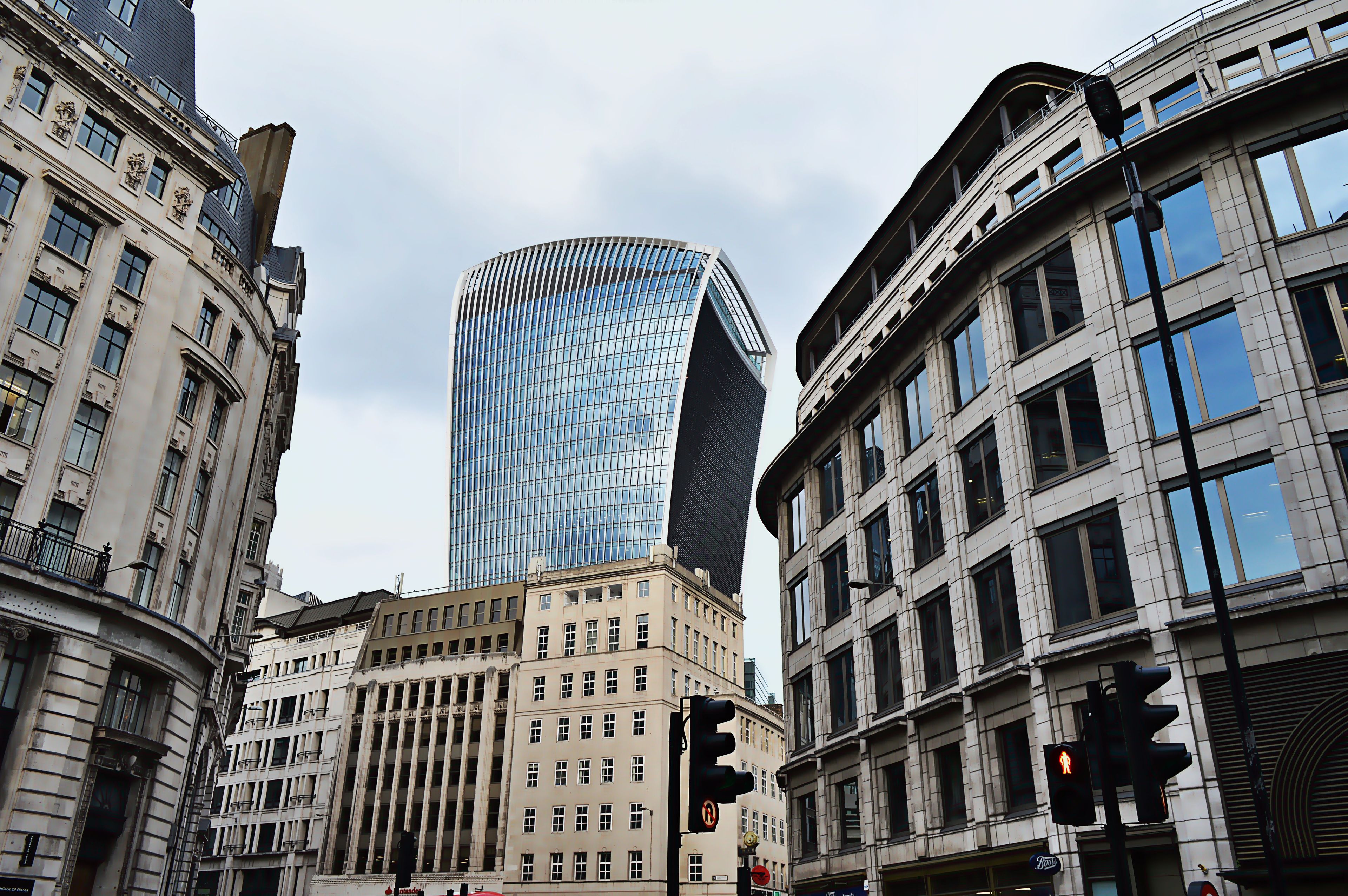
The sensible response is a departure planned against a difficult morning rather than a good one, particularly for the London hospital districts. Harley Street and the surrounding streets have severe parking constraints; the large teaching hospitals sit on congested arterial roads. Ask where the set-down point actually is, because at several major sites the useful entrance for a patient with limited mobility is nowhere near the main one.
The journey home
The return is where a chauffeur earns their place. Somebody leaving a procedure may need a slow, smooth drive, a warm cabin, minimal conversation and a driver who does not mind stopping. Discharge times slip constantly, so the arrangement should allow the car to wait rather than assume a collection at a fixed hour. A patient standing outside a hospital entrance waiting for a vehicle to be summoned is precisely what the booking existed to prevent.
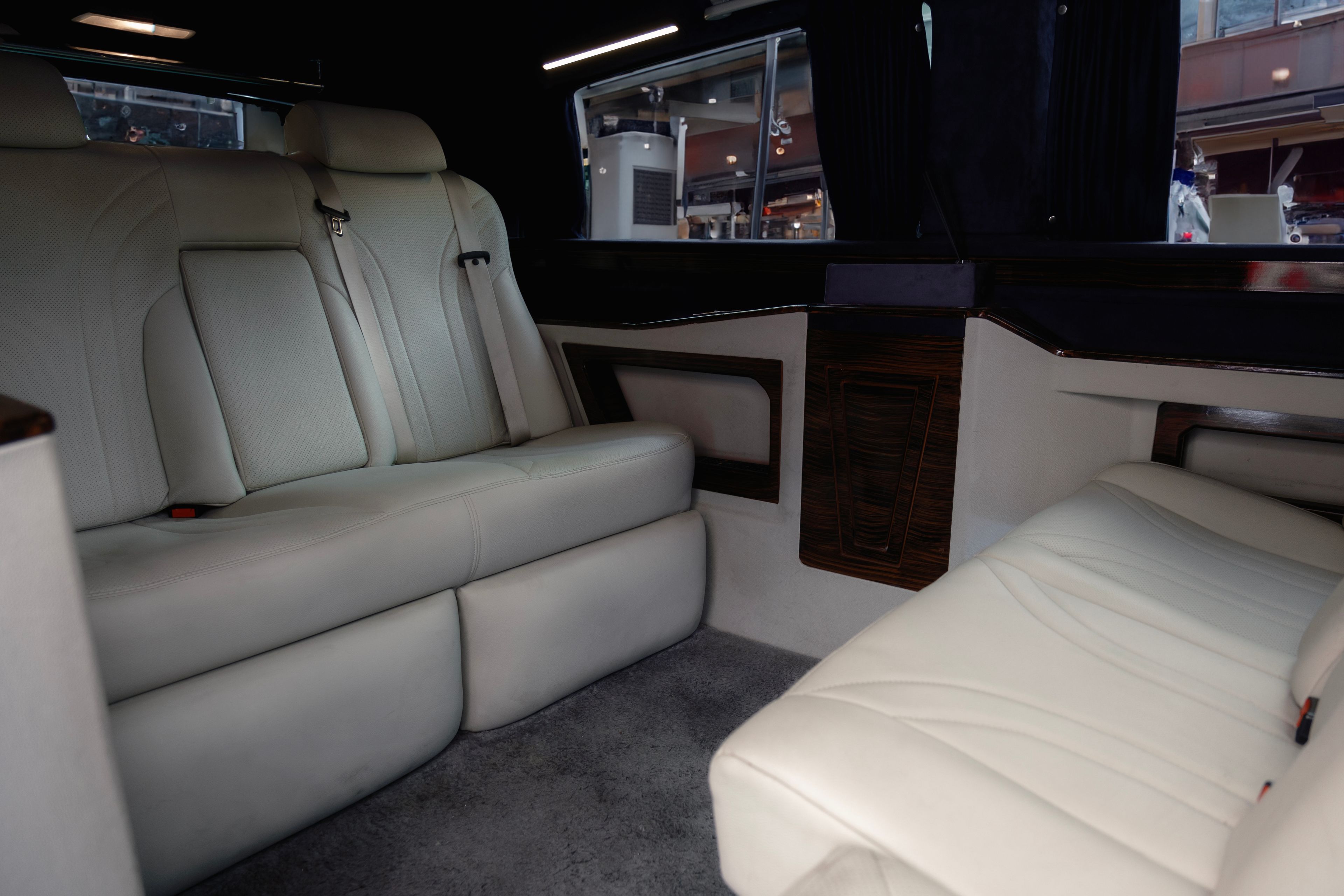
Practical details make a disproportionate difference. A car parked close to the door rather than across a car park. A chauffeur who opens the door and steps back rather than hovering. Water in the cabin, a bag placed within reach rather than in the boot, and the heating set before the passenger gets in. None of it is medical care, and all of it is noticed by somebody having a difficult day.

Mobility, access and getting in
Seat height is the single most important vehicle characteristic for anyone with limited mobility, and it is rarely the one people ask about. A low sports saloon is difficult to get into and considerably harder to get out of. Many MPVs sit at a height where a passenger can turn and sit rather than lower themselves, which is easier on hips, knees and recent surgery alike.
Tell us in advance what help is needed: whether a folding wheelchair or walking frame is travelling, whether the passenger needs a hand from a doorway to the kerb, whether a door on a particular side is easier. Be aware of the limits too. A standard chauffeur vehicle is not a wheelchair-accessible vehicle, and a passenger who must remain seated in their own chair needs a specifically adapted vehicle, which is a different service we would tell you to arrange rather than pretend to provide.
Treatment cycles and repeat journeys
A great deal of medical travel is not one appointment but a course of them: a cycle of treatment, a series of follow-ups, a rehabilitation programme running weekly for months. These are far better arranged as a standing booking than as a sequence of separate ones, because the repetition is exactly what makes them tiring.
The same chauffeur across a cycle means the route, the entrance, the seat position and the level of conversation are all established after the first journey and never need discussing again. For families managing an unwell relative alongside their own work, that continuity removes a recurring administrative task at a time when they have little appetite for one. Dates can be set as a block and individual sessions moved as the clinic changes them.
Privacy and personal information
Health information is among the most sensitive there is, and the correct approach is to hold as little of it as possible. We need an address, a time and any practical requirement relating to comfort or mobility. We do not need a diagnosis, a treatment plan or the reason for an appointment, and we would not ask.
Nothing about a journey is discussed outside the people arranging it, chauffeurs do not comment on where a passenger has been, and personal details are handled with the same care as any other client information. If you have specific requirements about what is recorded or who may be told about a booking, say so when you arrange it and it can be agreed in writing. Anyone with obligations of their own around patient data should take their own advice on what those require.
Arranging travel for someone else
Much of this is booked by somebody other than the passenger: an adult child, a private secretary, a clinic coordinator or a case manager. If you are doing that, the useful thing is to state clearly who will be travelling, who the chauffeur should expect at the door, and whether the passenger knows the arrangement has been made.
Send the outline over WhatsApp or email, including the appointment time rather than only the pickup time, and you will receive a written quotation covering the vehicle, the timings and the terms before anything is confirmed. For clinics and case management firms arranging regularly, an account can be set up, with those arrangements agreed and confirmed in writing at the point it is opened.