



Booking four cars is not the same as booking one car four times. The difference is coordination: who travels in which vehicle, in what order the cars arrive, where they wait between legs, and who decides what when something changes. Handled as separate journeys, a group movement fragments at exactly the moment it matters.
Set out here is what makes several vehicles into one booking rather than several, how such a movement is planned before the day, what a passenger actually experiences of the arrangement, and the related formats it sits between, since convoy, shuttle and roadshow all describe quite different things on paper and on the day.
What makes it one booking
The unifying element is the schedule. Every vehicle in the movement works from the same document, with the same timings, the same venue information and the same contingency arrangements, and one coordinator holds the whole picture rather than each chauffeur holding a fragment of it. That is what allows a change in one place to be reflected everywhere within a minute.
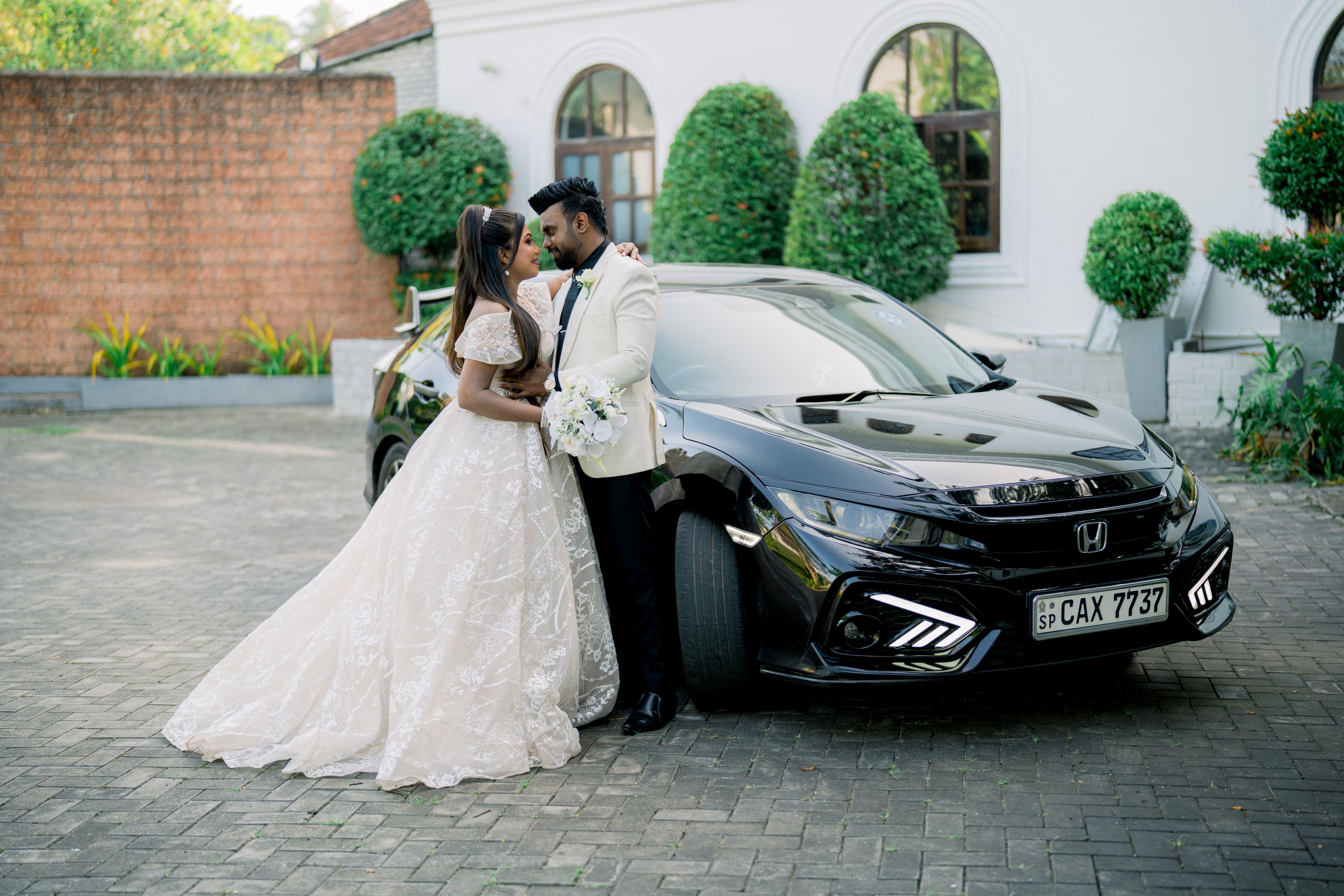
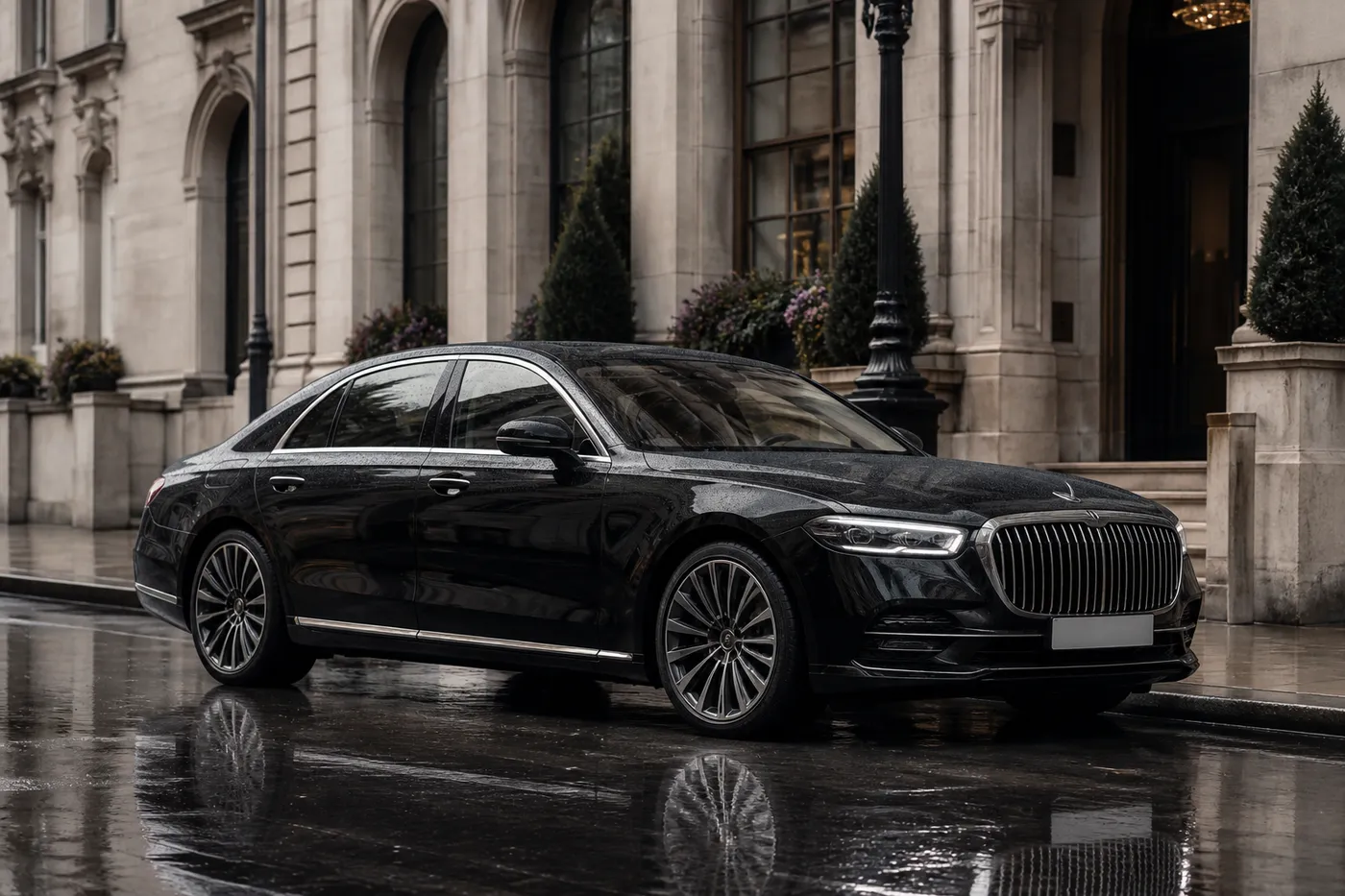
It also changes how the fleet is assembled. Vehicles are matched to one another as well as to the passengers, which matters at weddings and formal arrivals where four cars pulling up should look like a set rather than a coincidence. Cars come from our own fleet and from vetted professional chauffeur operators, marshalled to one standard.
How the movement is planned
Most of the work happens before the day, and it is largely a matter of writing down decisions that would otherwise be made on a pavement under pressure. Every item below is agreed in advance and appears in the confirmation, so that nobody is improvising a seating plan while guests are waiting.
- A manifest showing who travels in which vehicle, and with what luggage
- The arrival sequence, and the order in which cars set down
- A marshalling or holding point for vehicles between legs
- A single contact chain, so instructions come from one person
- Contingency arrangements if one vehicle is delayed en route
- The departure plan, including any party splitting up afterwards

What passengers actually experience
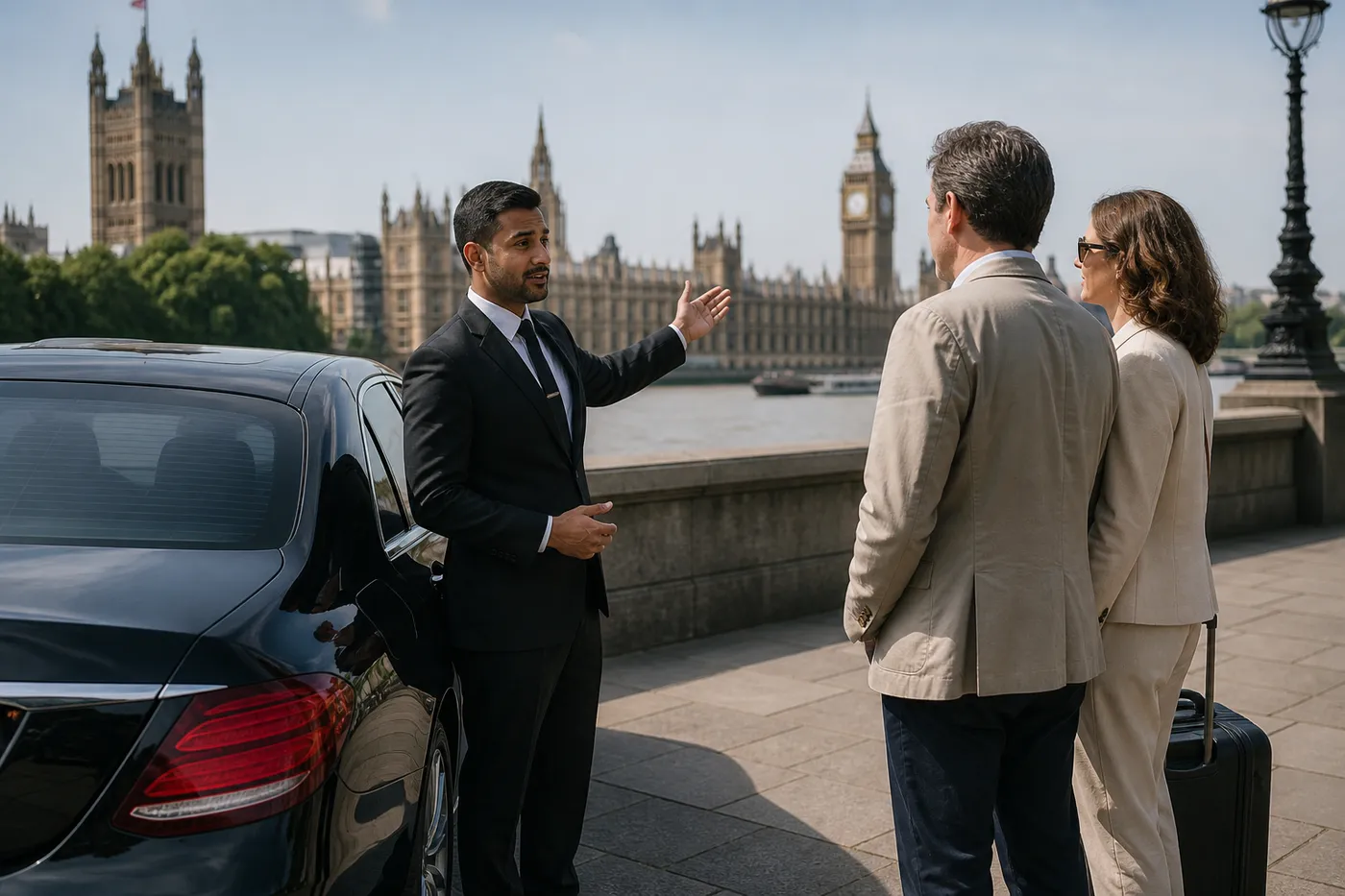
From the ground it should feel simple. You are told which car you are in before you arrive, the vehicles are identifiable, and somebody is directing rather than leaving a group of people to sort themselves out in a car park. At airports the chauffeurs meet their allocated passengers individually, so nobody has to find a stranger in a crowd.
The part guests notice most is the departure, because that is where unmanaged group travel usually falls apart. A movement planned properly has the cars in position and in order before the first person walks out, which turns the end of an event into something that takes four minutes rather than forty.
Formats it sits between
Convoy travel means vehicles moving together in formation and staying together throughout, which is a stricter arrangement used where a party must not be separated. A multi-vehicle movement does not require the cars to travel in sight of one another, only to arrive as planned. In heavy traffic that distinction is what keeps a schedule intact rather than holding everybody to the pace of the slowest car.
A shuttle is one vehicle repeating the same leg to move a group in stages, which suits a venue with a car park a mile away and no particular need for everyone to arrive at once. A roadshow is a fixed schedule of meetings across days or cities, often using several cars but organised around appointments rather than around a single movement.