




Most people meet the word on a booking confirmation rather than in a dictionary, which is why it tends to be read as a polite synonym for driver. It is not. The term carries a specific set of duties, a licensing position and a standard of conduct, and understanding those three things tells you what you are actually buying when you arrange one.
This page defines the term, traces where it came from, and sets out how it appears in practice on a quotation and at the kerb. It also covers the roles it gets confused with, because taxi driver, private hire driver and chauffeur are three different things under UK licensing even when the car outside looks much the same.
The origin of the word
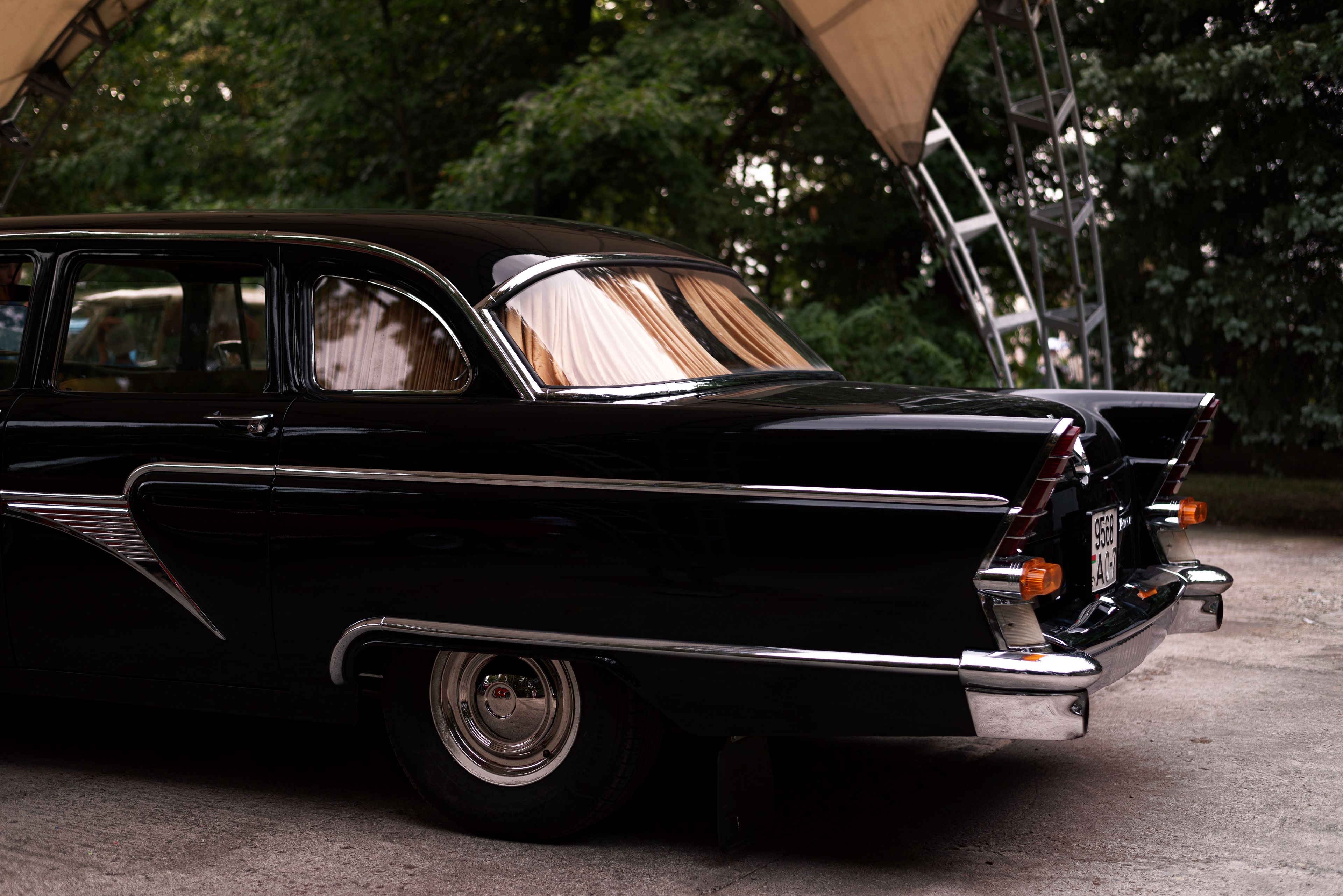
Chauffeur is French for stoker, from chauffer, to heat. The earliest motor cars ran on steam, and somebody had to keep the boiler fed and hot before the vehicle would move at all. That person was the chauffeur, and the name stayed attached to the job long after the boiler disappeared and petrol engines took over.
The word crossed into English at the turn of the twentieth century alongside the cars themselves. Because early motoring was expensive and mechanically demanding, the person who drove was usually employed by the person who owned, and the association with private, salaried service was fixed early. That association survives in the modern usage even though almost nothing else about the job does.
What the role includes today
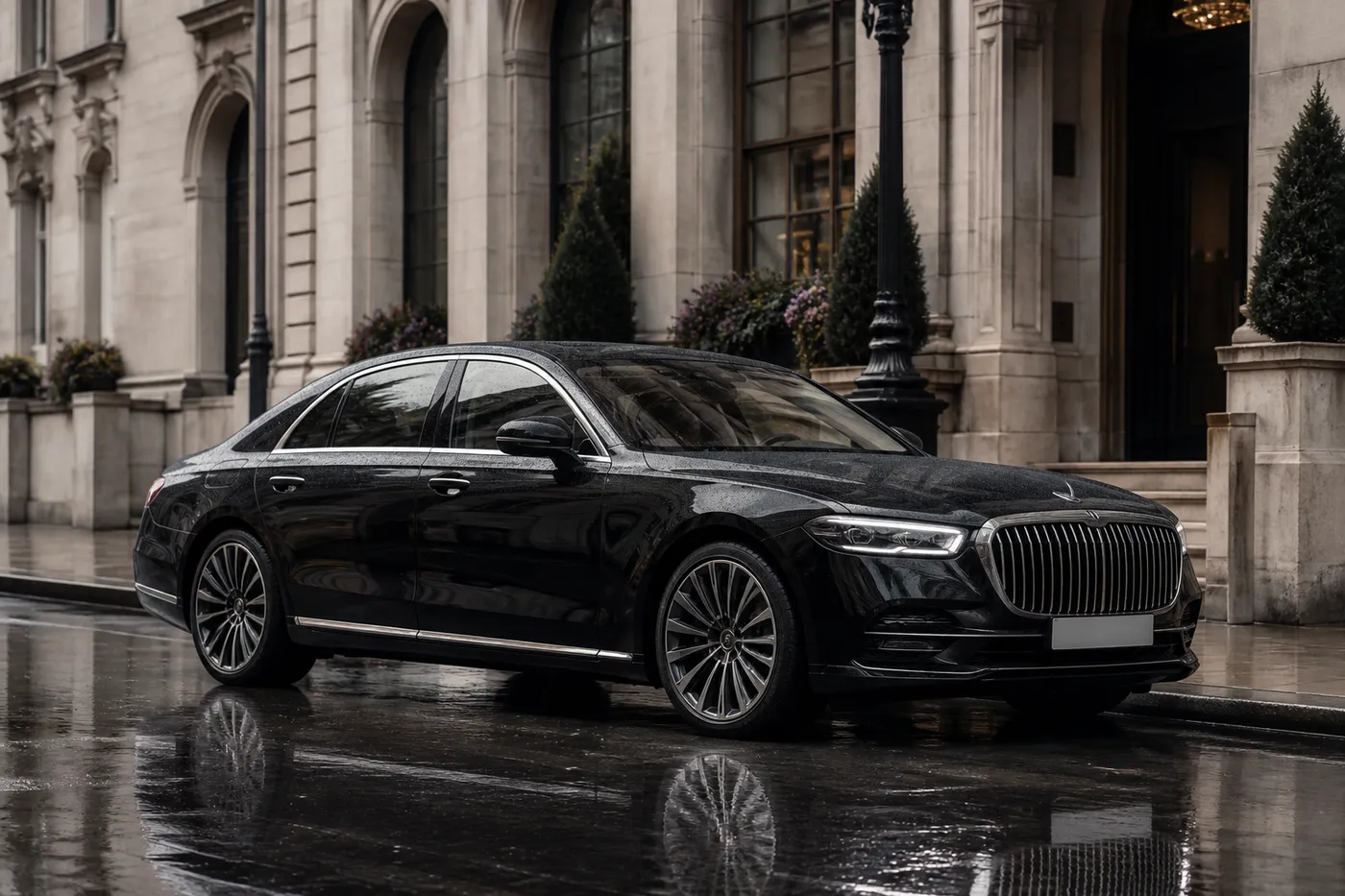
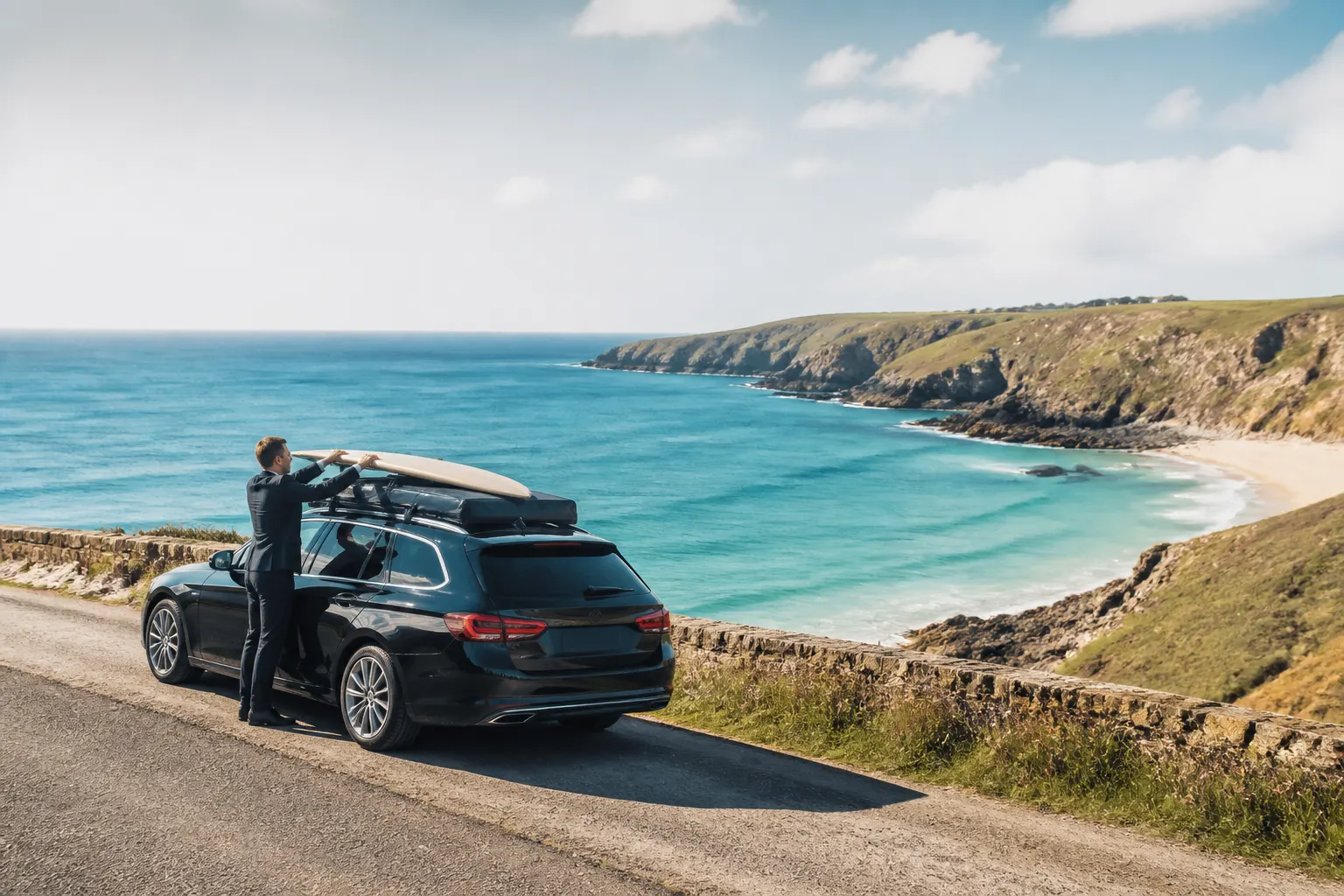
A modern chauffeur is judged on anticipation rather than driving alone. Routes are checked for closures before the journey rather than discovered during it. The car is cleaned before each booking, not at the end of a shift. Doors are opened, luggage is handled without being asked for, and the cabin is set to the temperature the passenger requested rather than the one the chauffeur prefers.
There is also a conduct element that has nothing to do with the road. A chauffeur reads within the first minute whether conversation is wanted and behaves accordingly. Nothing seen, heard or overheard in the car is repeated afterwards. These are trained behaviours rather than personality, and they are the part of the service hardest to fake and easiest to notice when it is absent.

How it appears on your booking
On a written quotation the word usually describes the person rather than the service, with the vehicle listed separately. Once the journey is confirmed, the chauffeur is named and their details are shared before the day, so you know who to expect. Cars come from our own fleet and from a vetted network of professional chauffeur operators, and the same standards apply either way.
- The named chauffeur allocated to your journey, confirmed before the day
- Vehicle class and registration, sent with the confirmation
- The collection point, and the exact door or bay to expect the car at
- Included waiting time, and how any additional waiting is handled
- Whether the chauffeur will meet you inside or wait at the kerb
- Any charges that apply on the route, already built into the price
Terms it is confused with
A taxi driver holds a hackney carriage licence and may be flagged down or picked up from a rank. A private hire driver must be booked through a licensed operator and cannot legally accept a street hail. A chauffeur is a private hire driver working to a higher service specification, usually in a premium vehicle held for one booking at a time rather than dispatched to whoever happens to be nearest.
The word is also confused with valet, which in British usage means a personal attendant or, at a hotel, the person who parks cars. A chauffeur does neither of those jobs. And chauffeur driven simply means the vehicle arrives with its driver, as opposed to self-drive hire where you take the keys yourself.