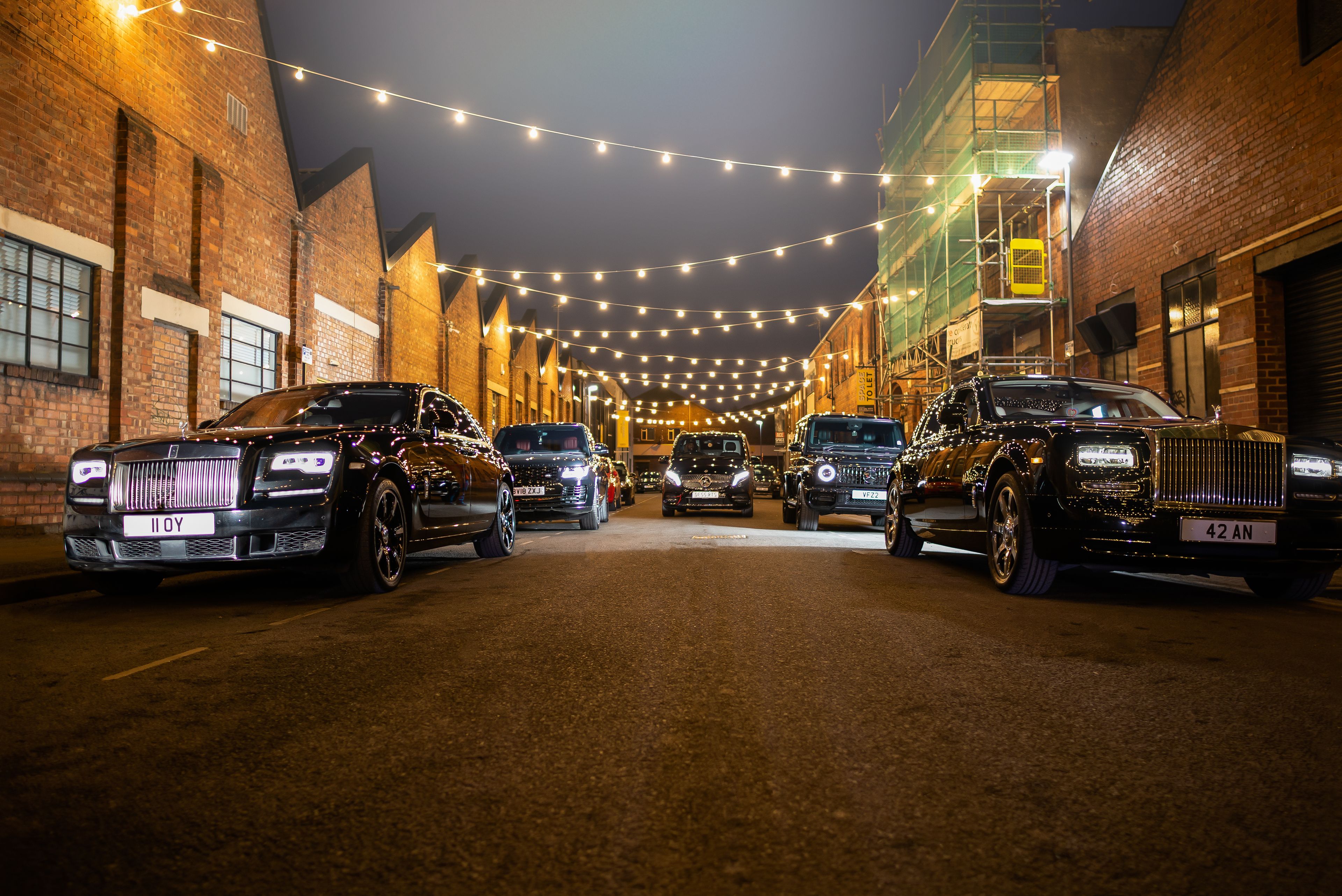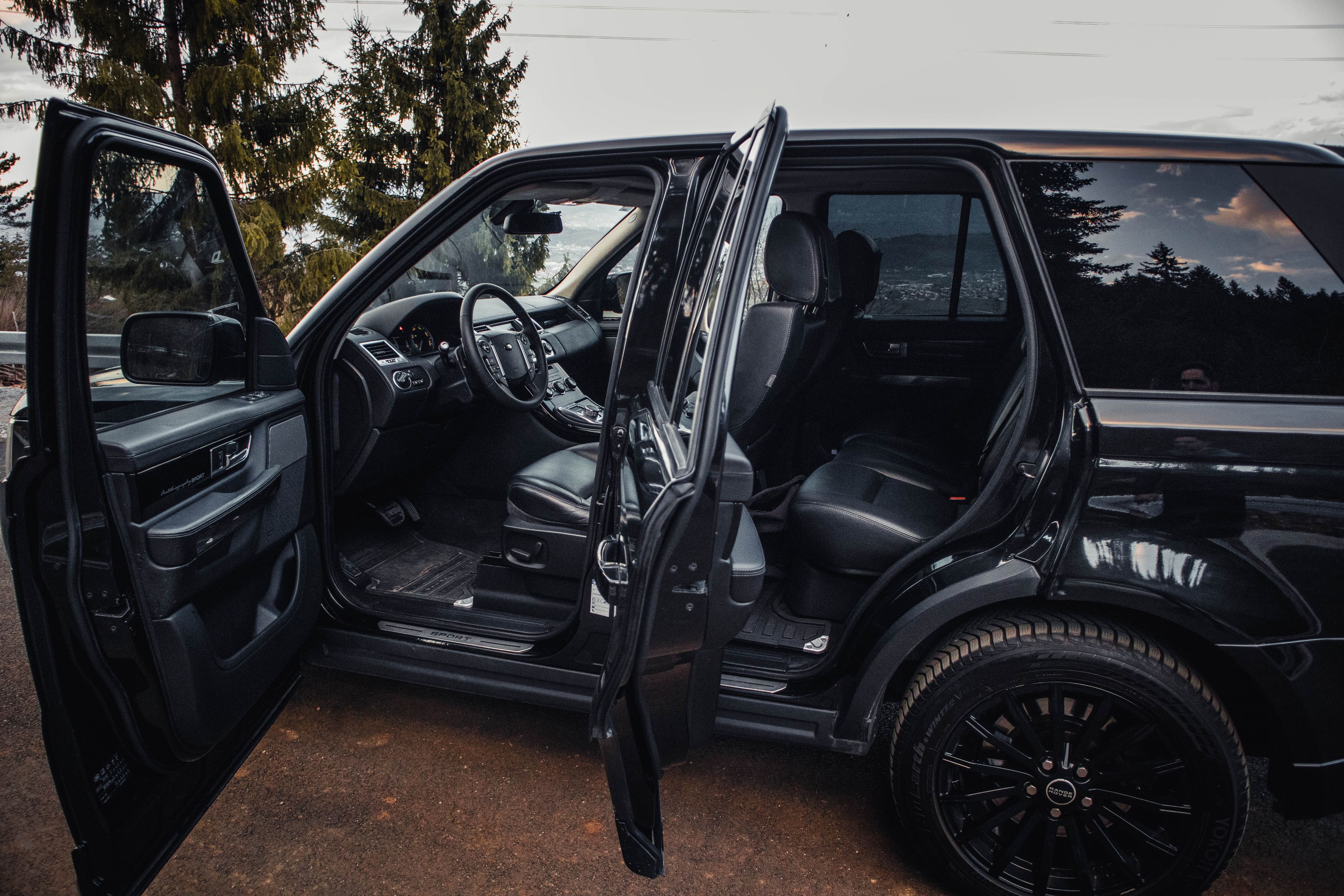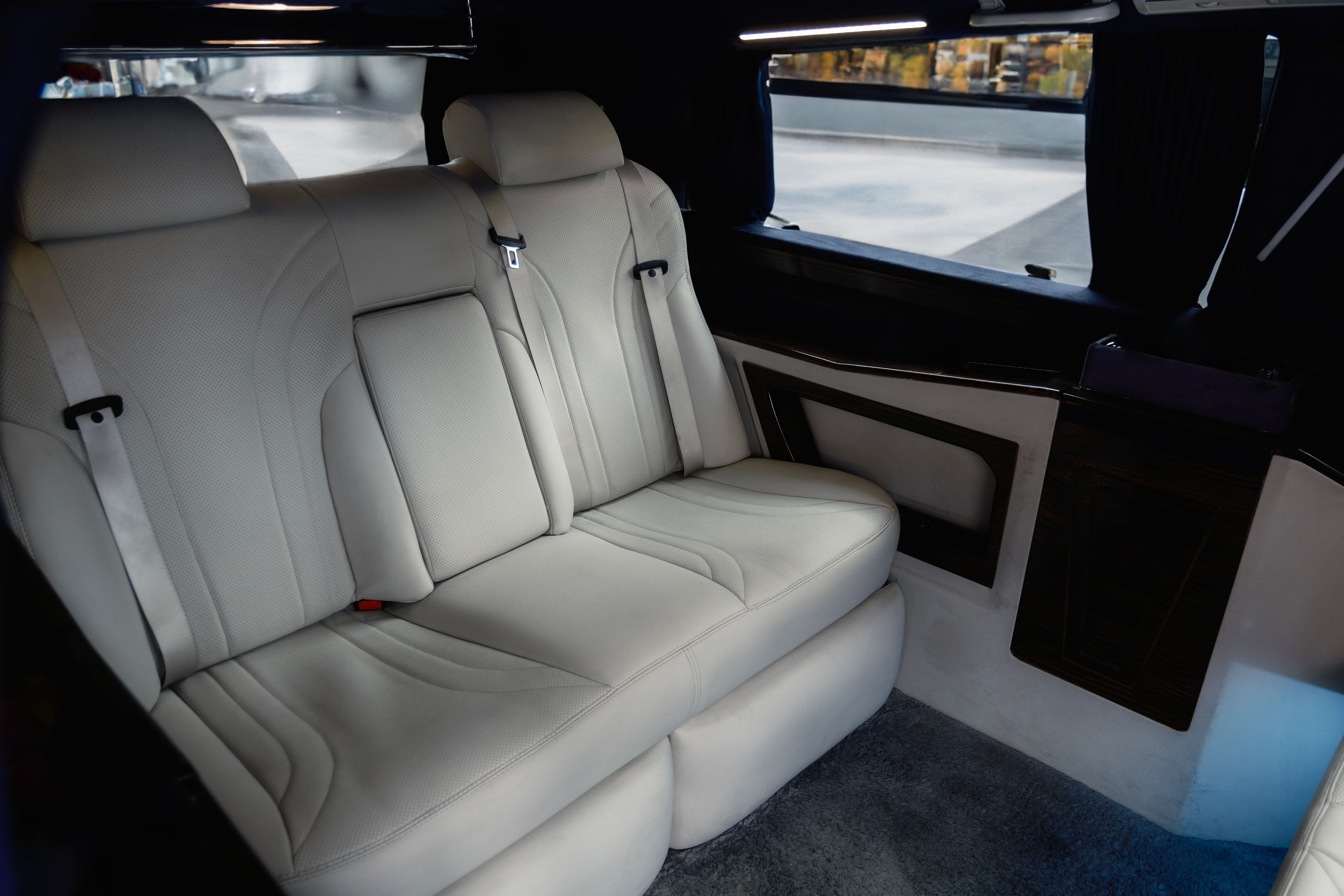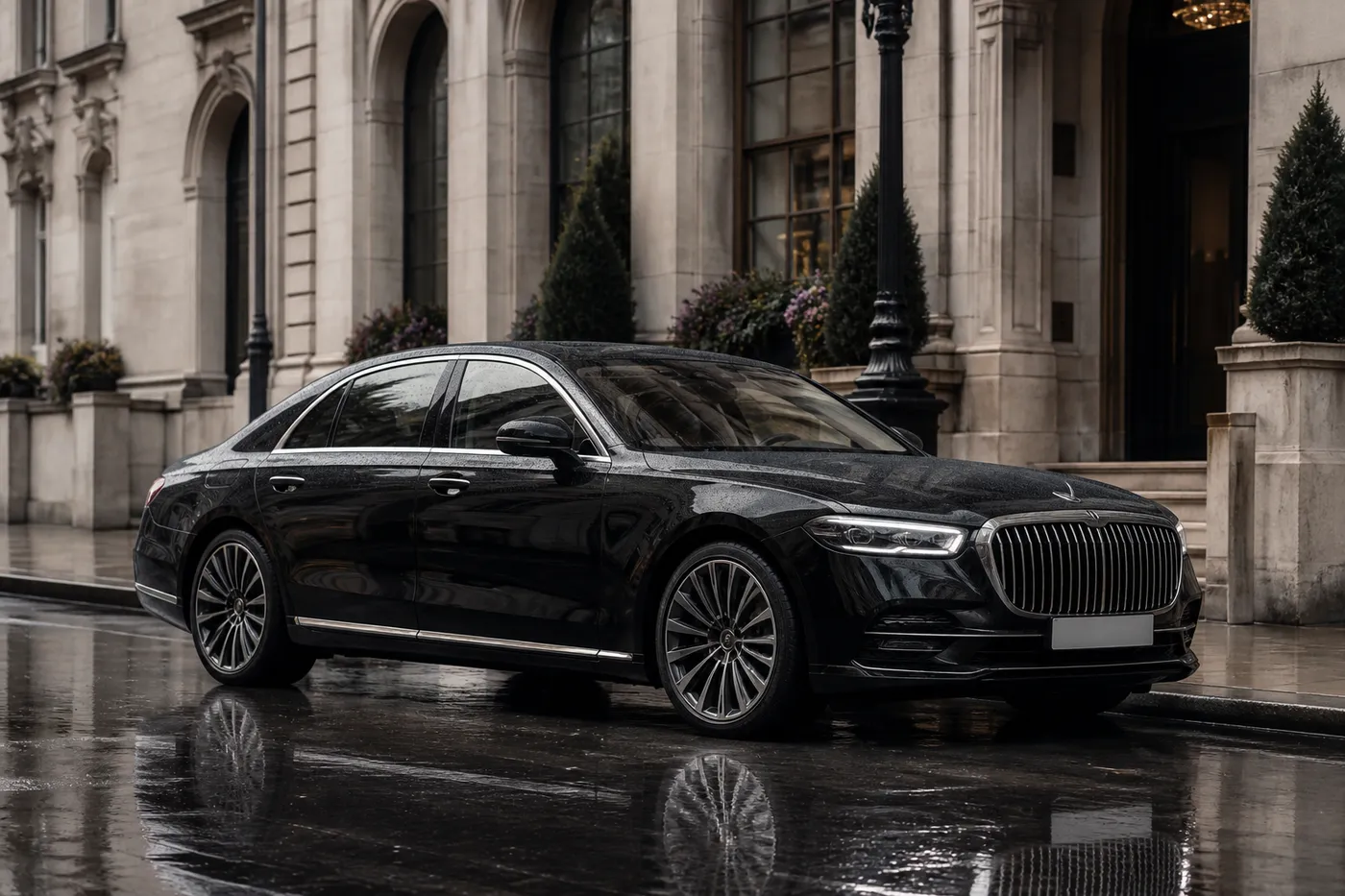






The honest answer is that it depends on three things, none of which is the journey itself: the date you want, the vehicle you want, and the hour of day you want it. A standard saloon on a Tuesday afternoon is a different proposition from a prestige car on a Saturday in June, and the first can often be arranged the same morning while the second may already be impossible.
What follows is a practical map of the British chauffeur calendar, so that you can work out where your own booking sits without having to ask. It also covers what booking early actually buys you, when it makes no difference at all, and what to do when your date is already uncomfortably close and you would rather not be told that you have left it too late.
Three things decide the answer
The first is the date. Some dates are contested by everybody at once and some are not, and the difference is enormous. The second is the vehicle: common executive saloons and luxury MPVs exist in real numbers, while prestige and ultra-luxury cars exist in small ones and commit early. The third is the hour, because very early mornings and late nights are harder to staff than the middle of a working day.
Combine those three and you can usually predict your own position. A saloon at ten in the morning on a February weekday is about as easy as it gets. A prestige car at four in the afternoon on the second Saturday in July is about as hard. Most real bookings sit somewhere in between, and the more of the three you are flexible on, the later you can leave it.
The weeks that fill first
British demand is not spread evenly across the year; it clumps. Wedding season takes most Saturdays from late spring to early autumn. The summer race meetings and the London social season pull on the same weeks. Then the December party fortnight arrives, followed immediately by New Year, and the whole pattern repeats itself the following spring with remarkable consistency. Anybody who works in this trade could name the difficult weekends from memory.
Around those there are smaller pressure points that catch people out: the start and end of school terms, half-term Fridays, bank holiday weekends in both directions, and the mornings after any major sporting fixture. None of these makes a booking impossible, but each of them means asking rather earlier than you otherwise would, and each of them catches out people who have booked easily a dozen times before.
- Saturdays from late spring to early autumn, dominated by weddings
- The summer race and social season, especially in the south east
- The December party fortnight and the nights around New Year
- Bank holiday weekends, both the outbound and the return day
- School term start and end dates, and half-term Fridays
- Major conferences and sporting fixtures in and around host cities

What booking early actually buys
It does not buy a different price, and any operator suggesting otherwise is telling you something about their pricing rather than about your journey. What it buys is choice: the vehicle you wanted rather than the one still free, a chauffeur who can be properly briefed, and time to solve any awkwardness in the plan long before it becomes urgent. Those three things are worth a great deal on a day that actually matters.
It also buys the option to change your mind cheaply. A booking made well ahead can usually be reshaped without difficulty, because nothing else has been arranged around it yet. The same change requested two days out has to work around whatever the chauffeur and the vehicle have since been committed to, which is a considerably narrower space to work in, and occasionally no space at all.
How late is too late
For an ordinary saloon in a city with reasonable supply, later than you would think. Same-day and next-morning bookings are frequently possible, particularly outside the early rush, and there is no shame at all in asking. The worst outcome is a straight no delivered quickly, which still leaves you time to arrange something else, and a quick refusal is worth far more than a maybe that arrives at seven in the evening.
For a specific prestige vehicle on a peak date, the honest answer is that late is often too late by several months. If your requirement is a particular car for a particular Saturday, treat the enquiry as one of the first things you do rather than one of the last. If it is simply a comfortable car and a good chauffeur, you have far more room than you probably assume.
If your date is already close
Ask anyway, and ask in a way that makes a fast answer possible. Give the date, the times, the addresses, the passenger and luggage count and the flight number if there is one, all in the first message. A late enquiry that arrives complete can be answered while an incomplete one is still being clarified, and at short notice that difference decides the outcome.
Say what you can flex, too. If the vehicle class is negotiable, or the collection could move by half an hour, or you would accept an MPV rather than two saloons, tell us in the same message. Flexibility is the currency of short-notice booking, and knowing where yours lies lets us find the arrangement that actually exists rather than the one you first imagined.
- Whether the vehicle class can change if something else is free
- Whether the collection could move by half an hour either way
- Whether one larger vehicle would do instead of two saloons
- Whether a different meeting point at the airport would help
- Whether the return leg could be arranged separately later
A simple rule of thumb
Book as soon as the date is genuinely fixed rather than when the rest of the plan is finished. Most people wait until they have every detail settled, by which time the car they wanted has gone to somebody with a less complete plan and a better sense of timing. A booking can be refined afterwards; a vehicle that is already committed cannot be recovered.
Send the outline to us on WhatsApp or by email as soon as you know the date, even if the times are still approximate. We will tell you honestly how tight the availability looks, quote in writing once the details firm up, and say plainly if we think you should be moving faster than you currently are, which is not something every operator will volunteer.