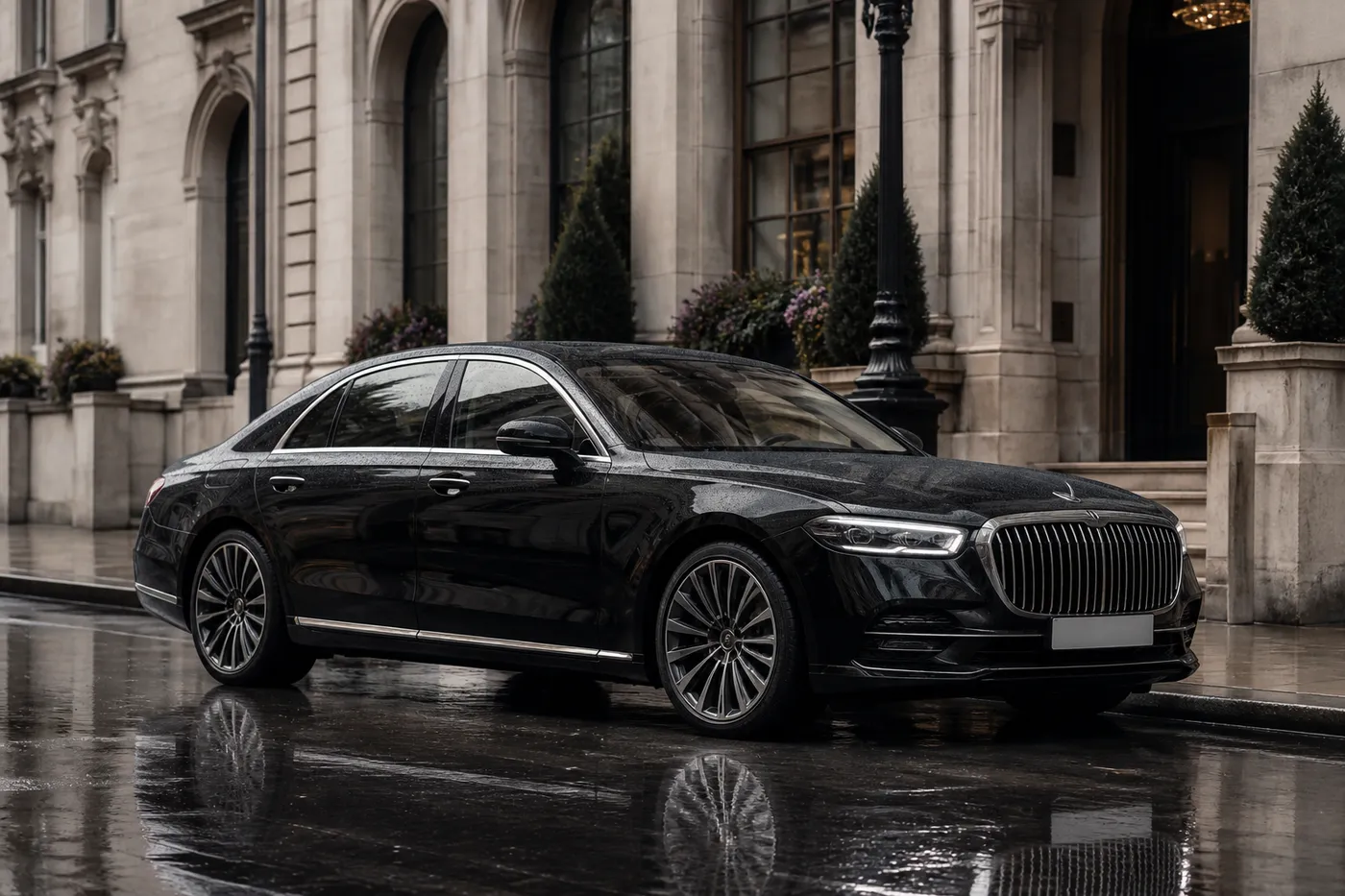





Almost every chauffeur company quotes a class of vehicle rather than an individual car, and almost nobody explains why. It sounds like hedging. It is in fact the only honest way to make a commitment months ahead about a machine that can develop a fault, be held on a delayed job, or be off the road for a service in the very week you need it.
This page explains how allocation works in practice, what happens when something has to change, and where the firm commitments actually lie. It also sets out the small number of bookings where a specific detail can be held, and what you need to say in order to hold it. None of it is complicated, but it is rarely written down anywhere.
Why a class, not a registration
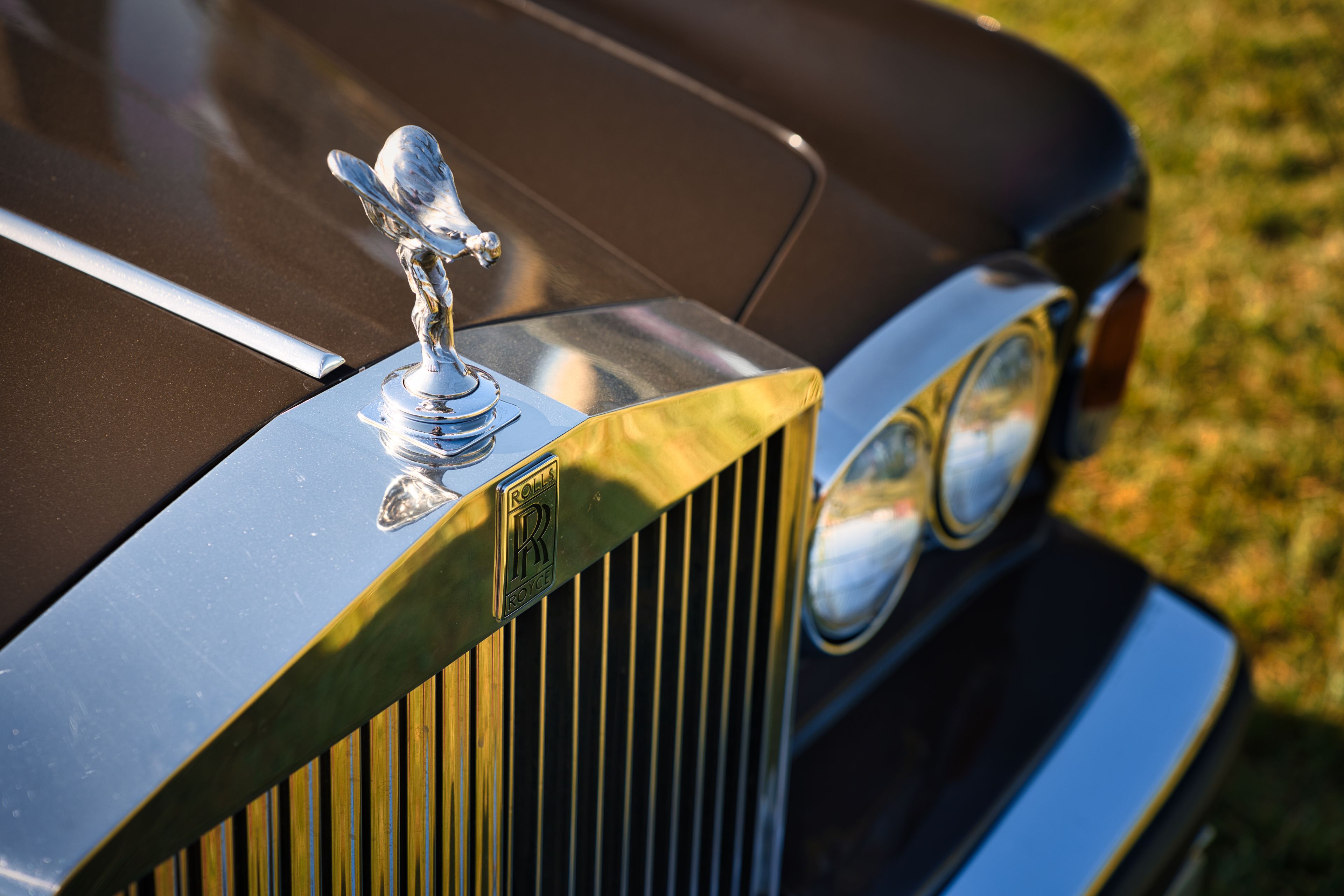
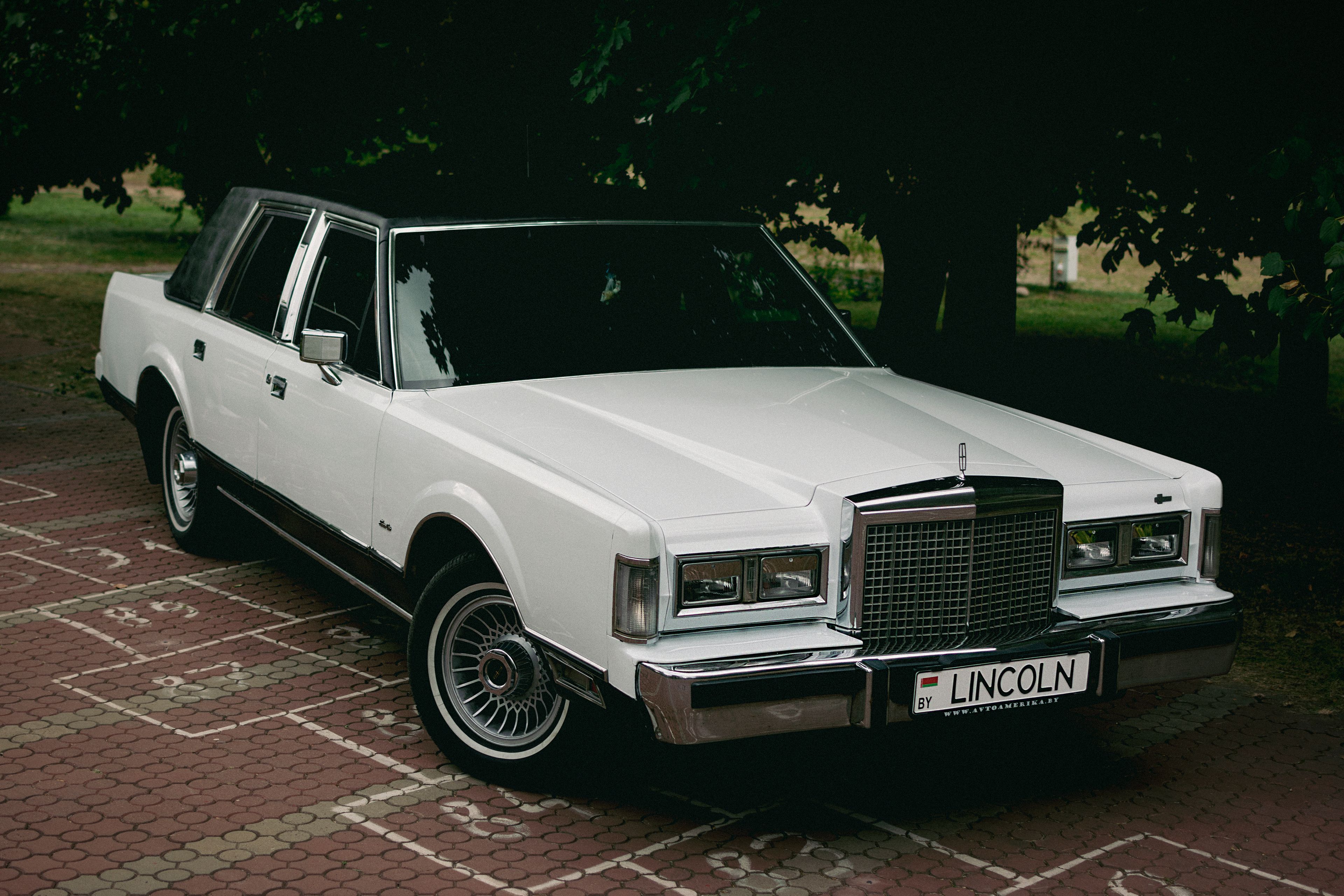
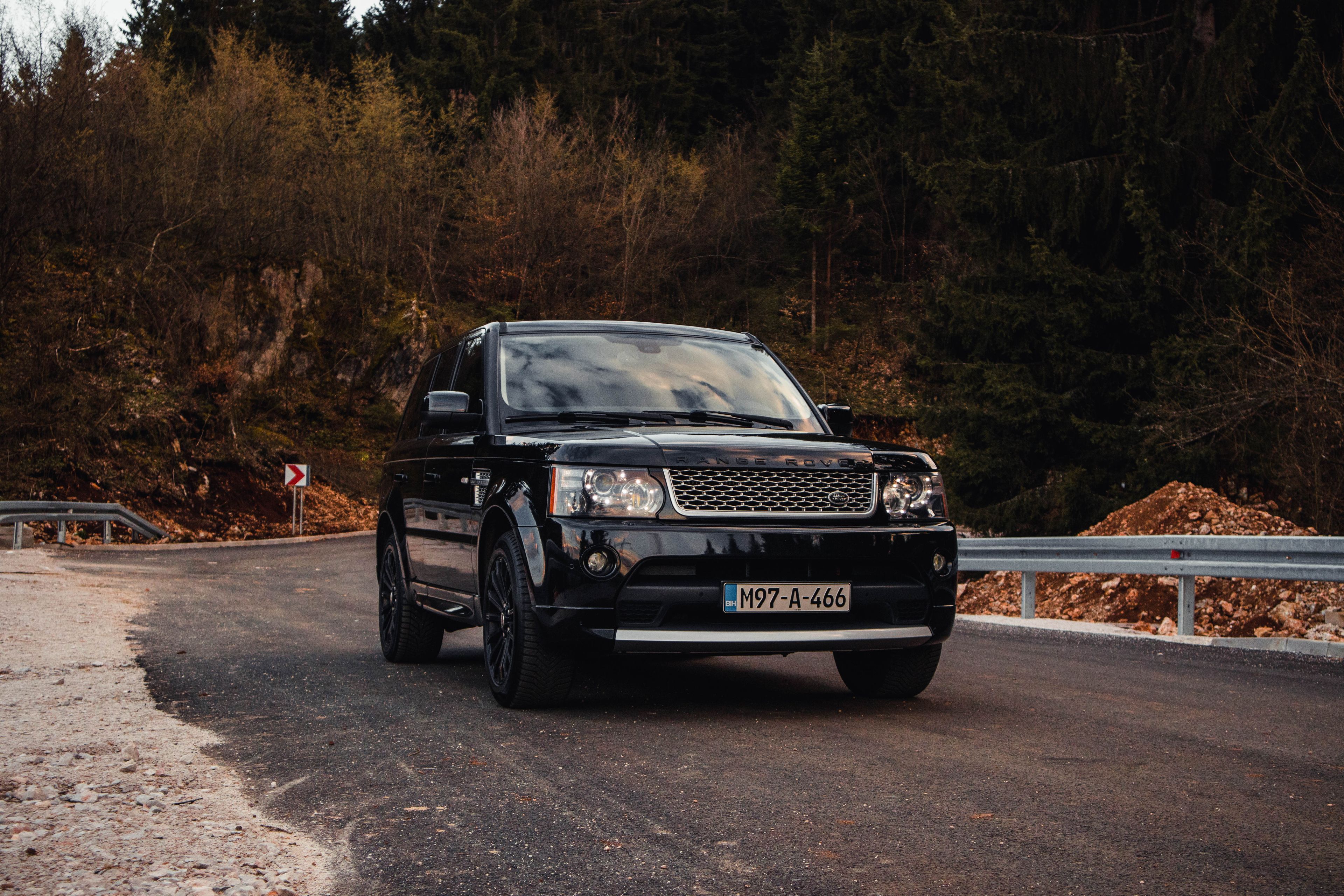
A class describes what you will get: an executive saloon, a flagship saloon, a luxury MPV, an SUV or an ultra-luxury motor car. It defines the seating, the luggage capacity, the standard of finish and the kind of arrival you will make. What it does not do is name a particular car, because a named car cannot be honestly guaranteed weeks or months in advance by anybody.
Cars are mechanical objects in daily use. They pick up stone chips, they get held on a delayed airport run, they go in for a recall or a warranty repair, and occasionally somebody reverses into one in a car park. A company that promises a specific registration for a date four months away is either very lucky or not telling you the whole story.
How allocation actually happens
Vehicles are matched to bookings a few days ahead, not at the moment you enquire. Whoever schedules the work looks at the class booked, the route, the luggage, any access notes and the chauffeur roster, then assigns the car that fits best. Special requirements move a booking up that list, which is exactly why they belong in the enquiry rather than in a message on the morning.
Our vehicles come from our own cars and from a vetted network of professional chauffeur operators, which is how coverage across the whole country is possible without leaving cars standing idle in every county. Operators are checked for licensing, insurance and standard of presentation, and a car arriving under our booking is expected to meet the same standard whoever supplies it.
What like-for-like really means
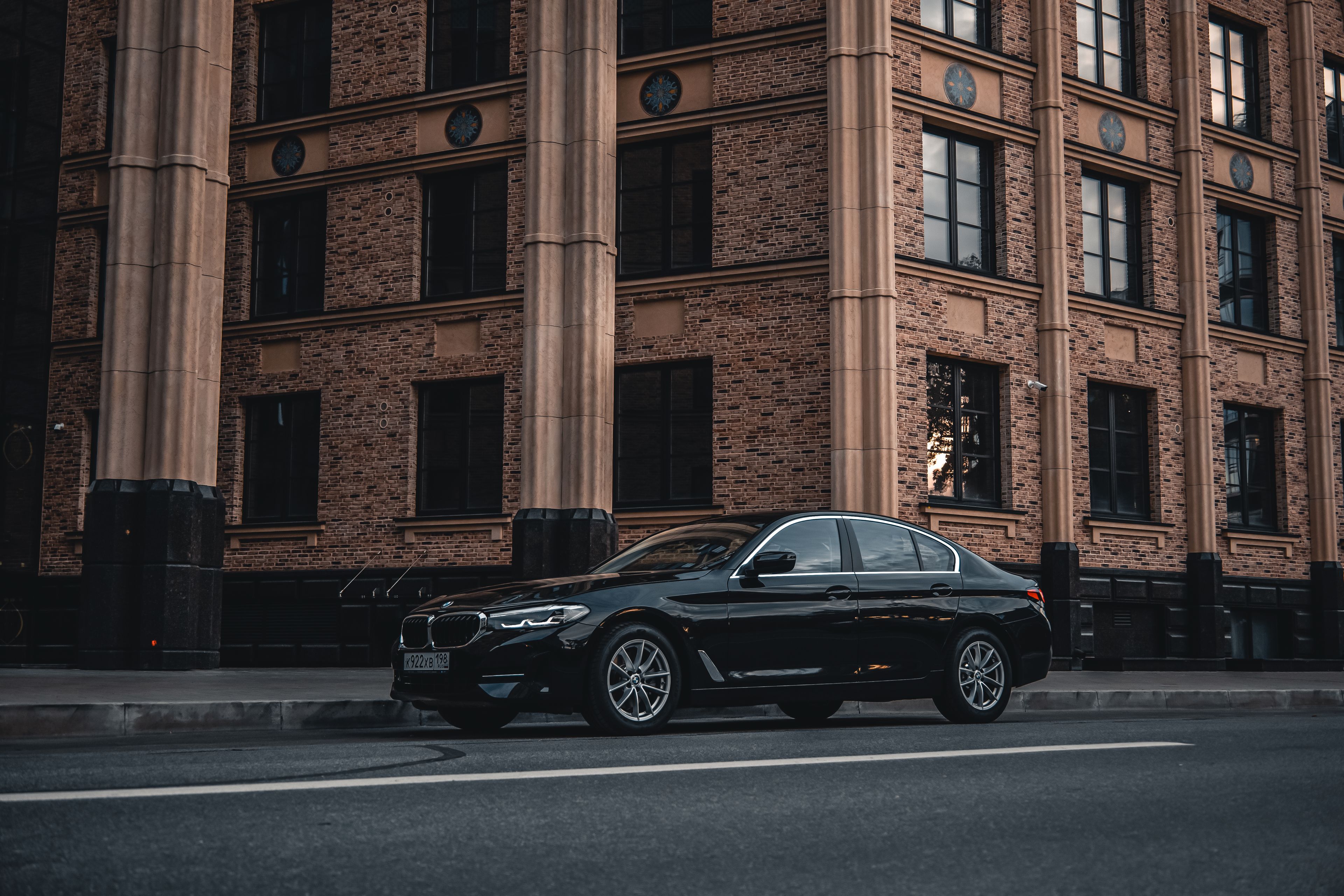
If a car has to be changed, the replacement should match on the things that affect your journey: seats, luggage space, standard of finish and the impression made on arrival. A flagship saloon replaced by another flagship saloon is like-for-like even where the badge differs. A flagship replaced by an executive saloon is not, and should never be presented as though it were.
The direction of a substitution matters as well. Being moved up a class costs you nothing and is occasionally how a scheduling problem gets solved. Being moved down is a different matter, and it should come with an explanation before the day rather than as a surprise at the kerb. Ask how a company handles that before you book; the answer tells you a good deal.
- The same number of comfortable seats, including in the rear
- The same realistic luggage capacity for your actual load
- An equivalent standard of interior finish and condition
- The same ease of getting in and out for your passengers
- Any child seat, mobility or pet arrangement already agreed
- Notice in advance, with a reason, rather than a surprise
When a specific car can be held
Some bookings genuinely turn on the individual vehicle. Weddings are the obvious case, where the car appears in photographs that last considerably longer than the day and a particular colour has been chosen to sit with everything else. Formal occasions, film work and any arrival that will be photographed fall into the same category. For those we work backwards from the car rather than forwards from the date.
Holding a specific motor car means committing it early, and it means accepting that it may not be possible at all for a popular Saturday in June. The earlier the request arrives, the better the odds are. What we will not do is agree to something in principle and hope it resolves itself, because the discovery that it has not comes far too late to fix.
The things that are always fixed
It is worth being clear about what does not vary, since the flexible parts attract all the attention. The date, the times, the addresses and the written quotation are fixed at the point of booking. A professional chauffeur is allocated to your journey and to nothing else while it runs. The class of vehicle is fixed. The standard of presentation is fixed too.
What flexes is the individual car within that class, along with its colour and specification, unless a particular one has been agreed and confirmed. That is the whole of the uncertainty, and it is a great deal narrower than the phrase subject to availability tends to suggest to somebody reading it for the first time. Knowing where the line falls usually stops it worrying anyone.
How to protect what matters to you
The practical answer is to say what matters, and to say it early. A preference nobody knows about cannot be honoured, while a preference mentioned at the enquiry stage usually can be. That applies to colour, to interior shade, to wheelbase, to drivetrain and to anything else you would notice and mind about on the day itself. It costs one sentence in a message.
Everything is arranged over WhatsApp or by email, so the request and the answer both sit in writing where you can find them again. If something cannot be held for your date you will be told plainly rather than reassured vaguely, and you can then decide whether to move the date, change the vehicle or accept the alternative. That is a far better conversation to have in advance.
- Colour of the car, and of the interior hide
- Standard or extended wheelbase, where both exist
- Electric, hybrid or combustion drivetrain
- Rear seat layout, particularly in an MPV or an SUV
- Features you rely on, such as rear climate or blinds
- Anything the vehicle must physically fit through or under