


Nobody dreams about being collected in a people carrier, and then they travel in a properly specified V-Class and change their mind within a mile. The reason is simple geometry. Everybody has their own seat, everybody can see out, nobody has a bag on their knees, and the person who drew the short straw in the middle of a saloon rear bench does not exist in this vehicle.
That said, it is not the right car for every journey, and pretending otherwise would be unhelpful. This guide describes what the cabin is like, how the different layouts change the feel of a trip, what getting in and out is genuinely like for older or less mobile passengers, and the circumstances in which we would send a saloon instead.
Seating layouts and what they do
Chauffeur V-Class vehicles are usually specified with individual leather armchairs on rails rather than fixed benches, which allows several arrangements. The most common has two rows facing forward. The most useful for business has the middle row turned to face the rear across a folding table, which converts a transfer into an hour of proper working time.
Face-to-face seating is excellent for a group who need to talk and slightly less good for anyone prone to travel sickness, so it is worth mentioning if that applies. Layouts differ between vehicles because seats are ordered and configured by each operator, and reconfiguring them is not a five-minute job. Tell us what you need at the enquiry stage and the correct vehicle is assigned from the start.
Getting in and out
This is where the V-Class quietly outperforms every luxury saloon in the range. Powered sliding doors on both sides open to a wide aperture, the floor is flat, and the step height is low enough that most passengers walk in rather than lower themselves in. In a fitted dress, a formal suit or with a small child in your arms, that difference is considerable.
Sliding doors have a second advantage that comes up constantly in cities. They need no swing clearance, so the vehicle can be boarded in a tight parking bay, alongside a narrow pavement or between two parked cars, without anyone having to squeeze through a half-open gap. On school runs and hotel forecourts it makes the whole business calmer.
What it is actually like to ride in
Honesty matters here. The V-Class is a comfortable vehicle, but it does not ride like an S-Class and it never will. There is more road noise, a firmer response to broken surfaces, and a little more body movement in corners. Air suspension is fitted to some examples and improves matters noticeably, though it is a specification item rather than a given.
In exchange, you get space that no saloon can offer: headroom to sit upright, room to spread out papers, and enough distance between passengers that a group of six does not feel like a group of six. On a two-hour run to an airport with a family, that trade is worth making almost every time.
The journeys it transforms
There are certain trips where the MPV is not merely acceptable but clearly the best answer available, and most of them involve either luggage, mobility or the need for people to talk to one another en route.
- Family airport runs where everyone travels in one vehicle with their bags
- Roadshows and site visits with a working discussion between stops
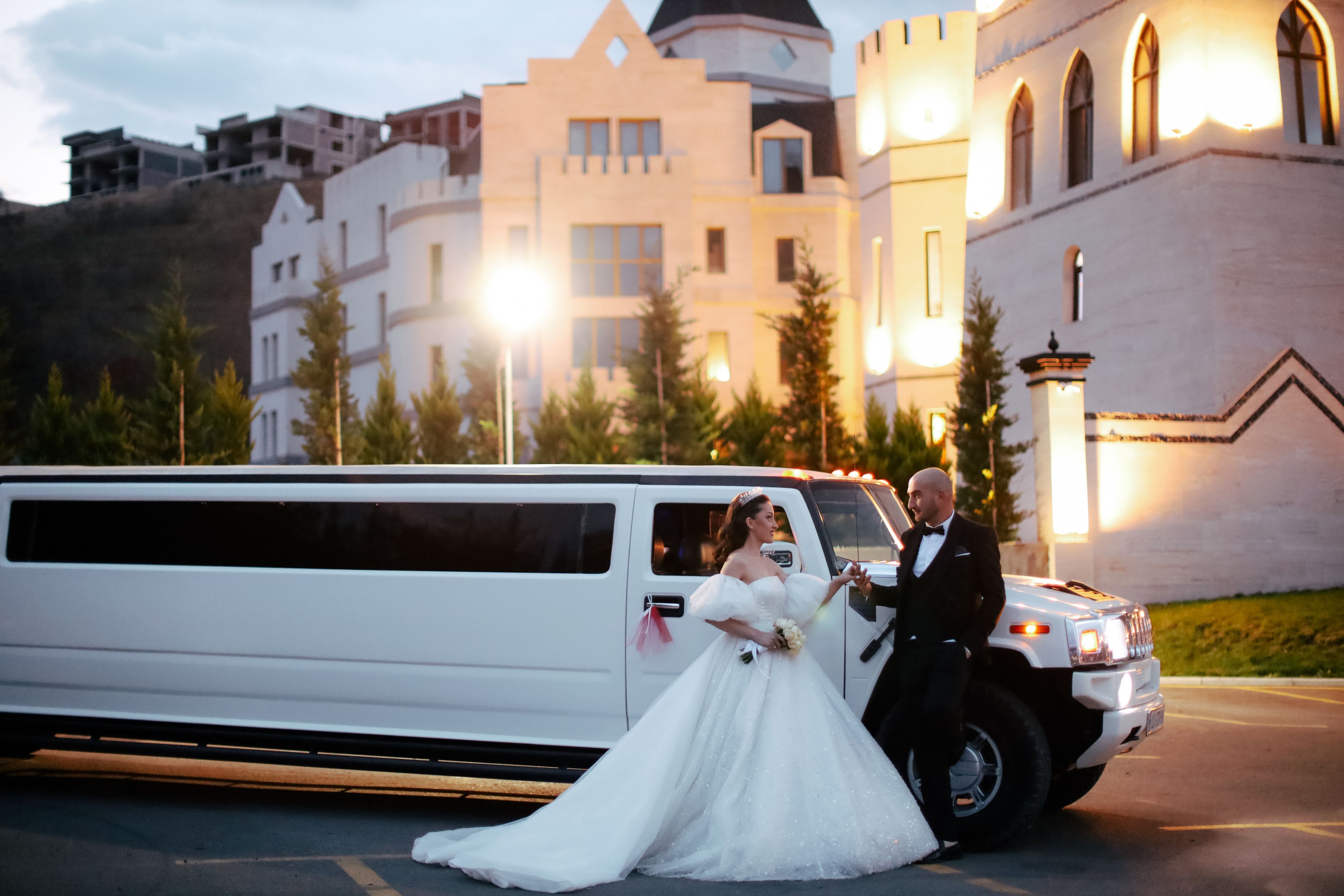
- Wedding parties moving between a hotel, a church and a venue
- Golf and ski trips where equipment would defeat any saloon
- Travel with a folded wheelchair, walking frame or mobility scooter
- Corporate guest collections where six people arrive on one flight
When a saloon is the better booking
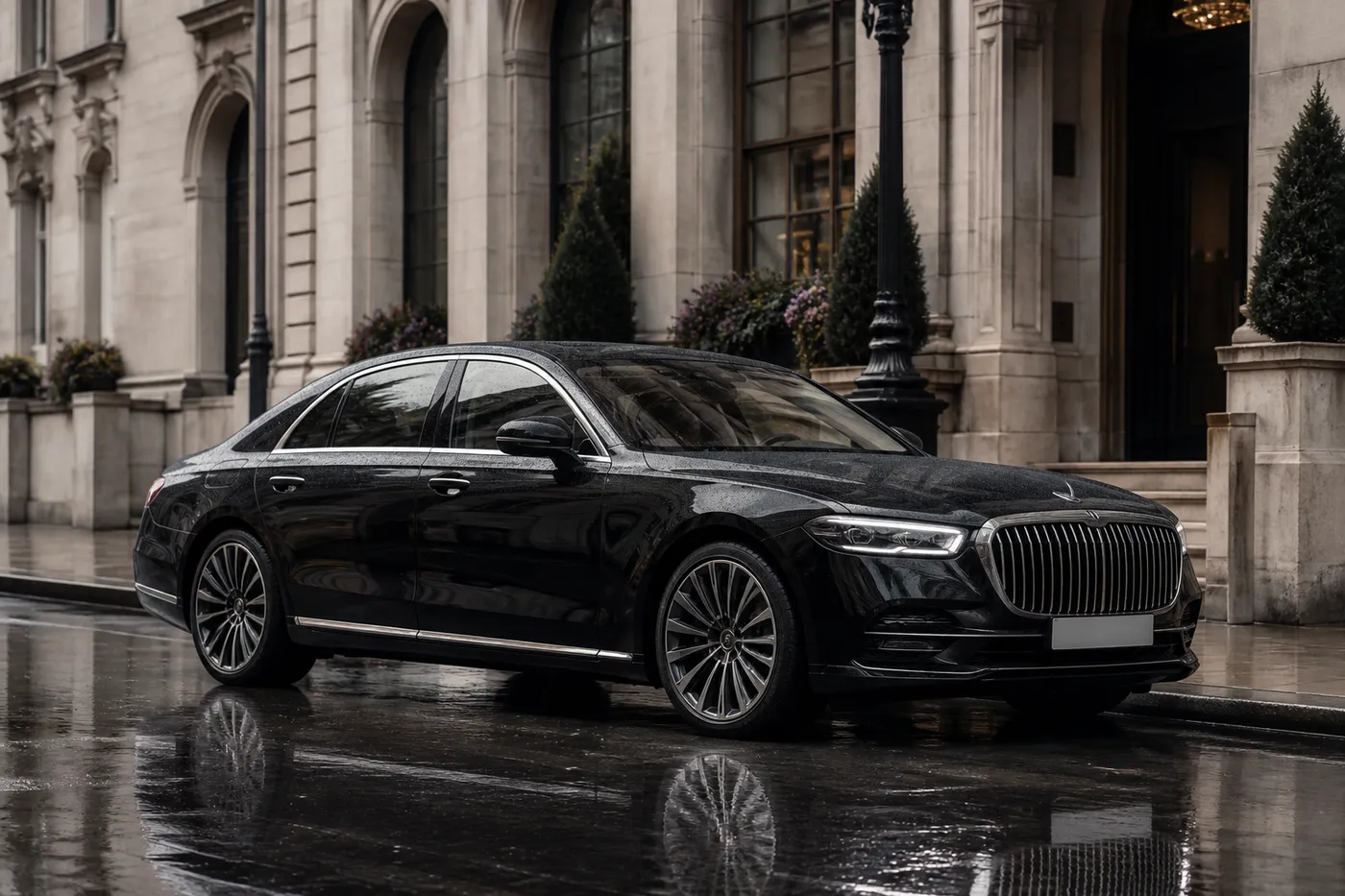
For one or two passengers with light bags, the V-Class is more vehicle than the job requires. A saloon is quieter, rides more smoothly and slips into central London kerbs and car parks with less thought. If the day is a series of short hops between meetings, the smaller car is genuinely the more comfortable choice as well as the more discreet one.
Height is the other practical consideration. A V-Class stands close to the two-metre mark, which makes some older multi-storey car parks and a number of hotel undercroft entrances impossible. If your day involves parking beneath a building, tell us the address and we will check the clearance rather than discover it at the barrier.
Specification, access and availability
Because layouts and equipment vary, we ask a few questions before assigning a vehicle: how many passengers, whether conference seating is wanted, whether a child seat is needed and at what stage, and whether anybody needs help boarding. None of it is intrusive and all of it changes which vehicle turns up.
V-Class bookings are covered by our own vehicles and by a vetted network of professional chauffeur operators, so seat count, colour and interior specification are subject to availability and confirmed with your booking. Send the details over WhatsApp or by email and you will have the arrangement in writing before anything is fixed.