



Chauffeur work asks a very particular set of things from a car, and they are not the things a road test measures. Nobody in the back is interested in how quickly it reaches sixty or how it behaves on a track. They are interested in whether the door opens wide enough, whether the seat is still comfortable after two hours, and whether a telephone call is audible.
This page sets out what the trade actually looks for, why a handful of models dominate the industry worldwide, and why some very expensive cars are entirely unsuitable for the job. It is useful reading if you are choosing between vehicles for a booking, and mildly interesting if you have ever wondered why the same three or four cars keep turning up.
The car is judged from the back
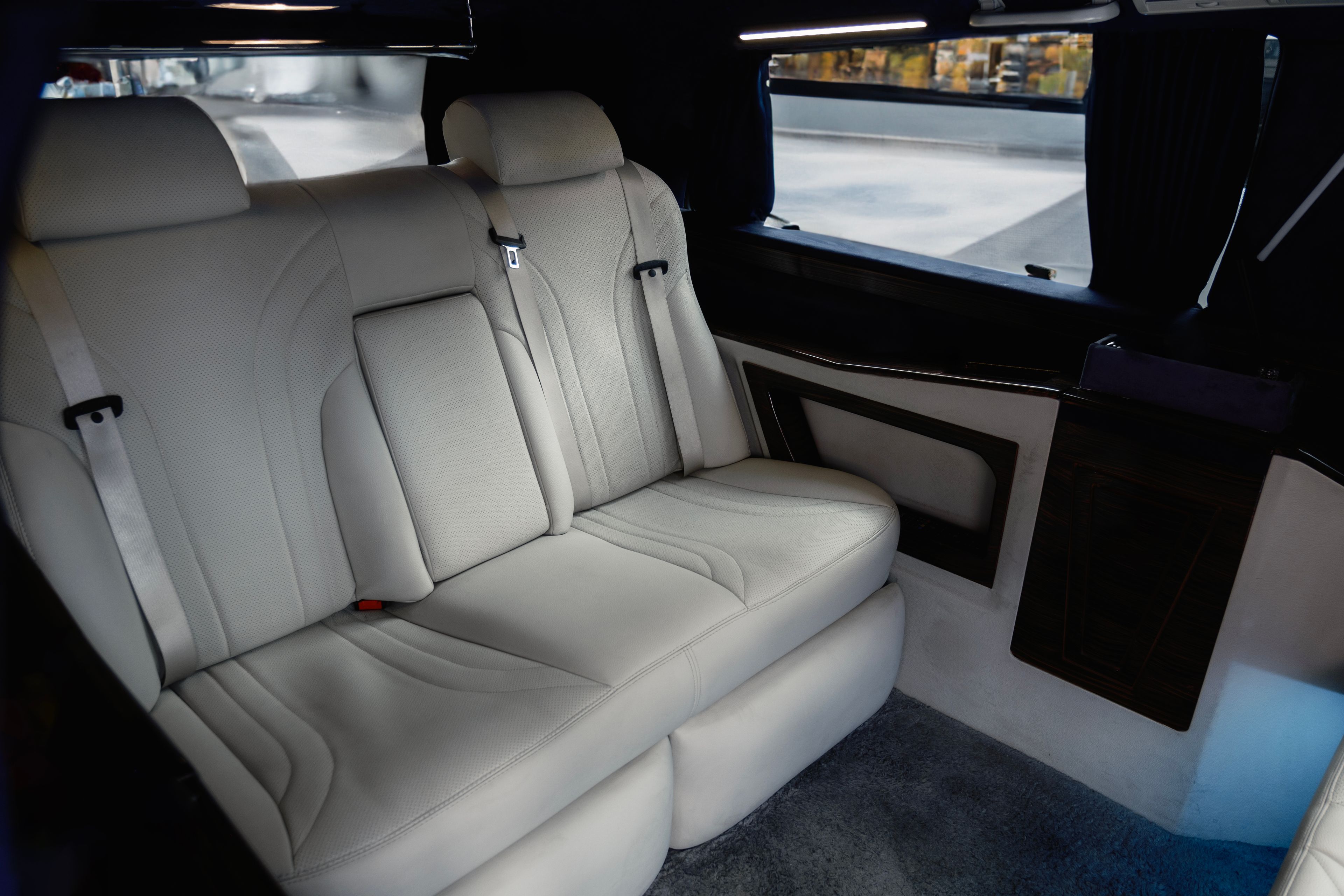
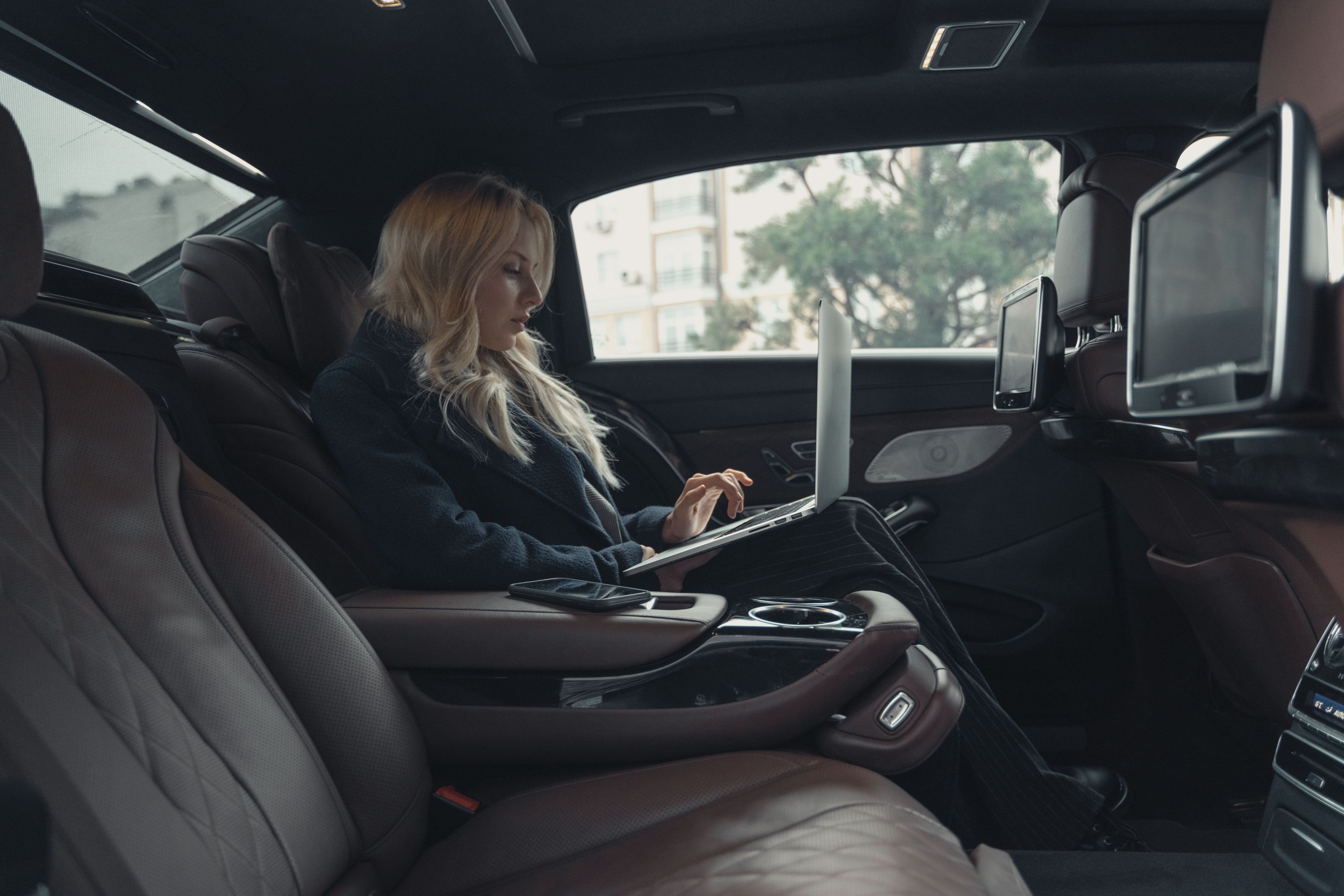
Everything starts with the rear compartment, because that is where the client sits. Legroom behind a tall driver, a cushion long enough to support the thigh, a backrest angle that is not bolt upright, and a door aperture that lets an adult step out without contorting. Those four things separate a usable chauffeur car from an expensive one that is merely quick in a straight line.
Height matters more than people expect. A roofline that slopes dramatically towards the boot looks handsome in a photograph and forces the rear passenger to duck on the way in. Coupes and sportier saloons are ruled out on that basis alone, regardless of badge, and so are cars whose panoramic roof takes an inch from a tall passenger's headroom. That inch is the one that gets noticed.
Quiet, and how it is achieved
Cabin noise is the quality most passengers rate a car on without realising that is what they are doing. Laminated acoustic glass, thick door seals, insulation in the bulkhead and tyres chosen for silence rather than grip all contribute. The test is simple: can two people in the back hold a conversation at ordinary volume at seventy, and does a call sound normal at the other end?
Ride quality does similar work. Air suspension smooths poor surfaces in a way steel springs cannot, which matters far more on a rutted London street than on a motorway. Large wheels with very low-profile tyres look impressive and make the ride worse, which is why chauffeur specifications frequently avoid the biggest wheel offered. It is one of the few cases where the cheaper option is better.
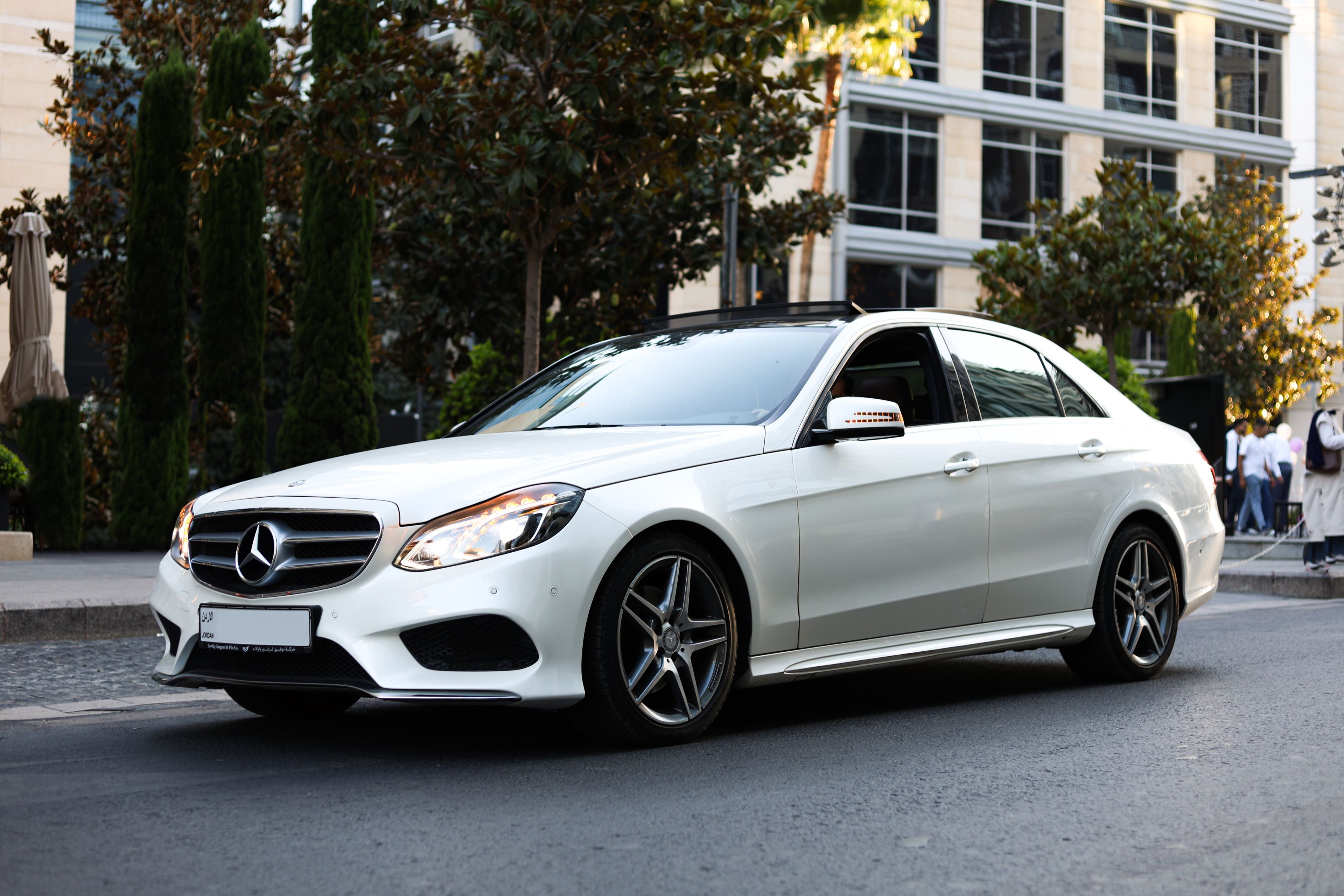
Doors, boots and practical shapes
A boot has to be the right shape rather than merely large. A long, flat floor takes suitcases lying down; a deep, narrow well does not, however impressive the capacity figure appears. A low loading lip saves a chauffeur's back over a career. A wide opening means cases go in straight instead of at an angle, which is the difference between two large ones fitting and not.
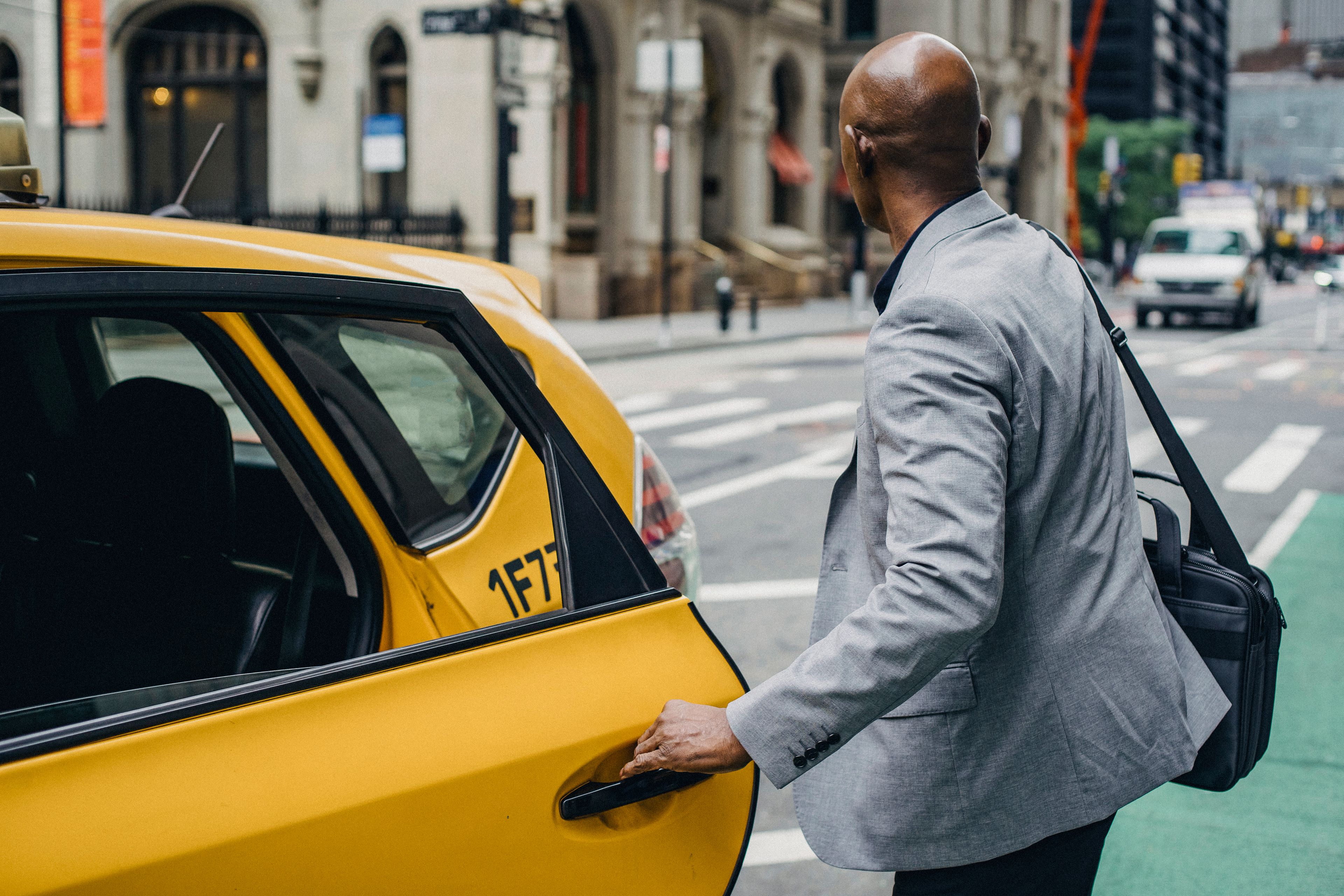
Doors are the other half. A rear door that opens close to a right angle makes entry easy in a formal outfit, and a door that fouls a high kerb is a nuisance every single day. Sliding doors on an MPV remove the problem entirely in tight spaces. These are unglamorous details that decide more bookings than any engine specification, and they are almost never mentioned in a brochure.
- A flat, square boot floor rather than a deep, narrow well
- A low loading lip that avoids a shoulder-high lift
- Rear doors that open wide enough to step out in formal dress
- A roofline that stays high over the rear seat
- Rear climate controls, so passengers set their own temperature
- Charging points within reach of a seated passenger
What durability actually demands
Chauffeur cars cover very high mileage in stop-start conditions, which is the hardest work a car can do. Seat bolsters, door trims, carpets and switchgear wear at a rate an ordinary owner never sees, and a car that looks tired well before the end of its working life is a liability in this trade. That is one reason the same manufacturers keep appearing: their interiors survive being used properly.
Servicing patterns matter as much as build quality. Vehicles working every day need parts availability, a dealer network that can turn a car around quickly, and a maintenance schedule that is followed rather than deferred until it is convenient. A car spending a fortnight waiting for a component is not earning, and more to the point it is not available for the booking you made.
What counts for nothing
A surprising amount of what sells cars is irrelevant here. Acceleration figures matter not at all, because a chauffeur never uses them. Handling balance is beside the point at the speeds and in the manner these cars are driven. Engine noise, prized elsewhere, is a defect. A firm, sporting ride is actively unwanted, and so is a low-slung seating position that is difficult to get out of.
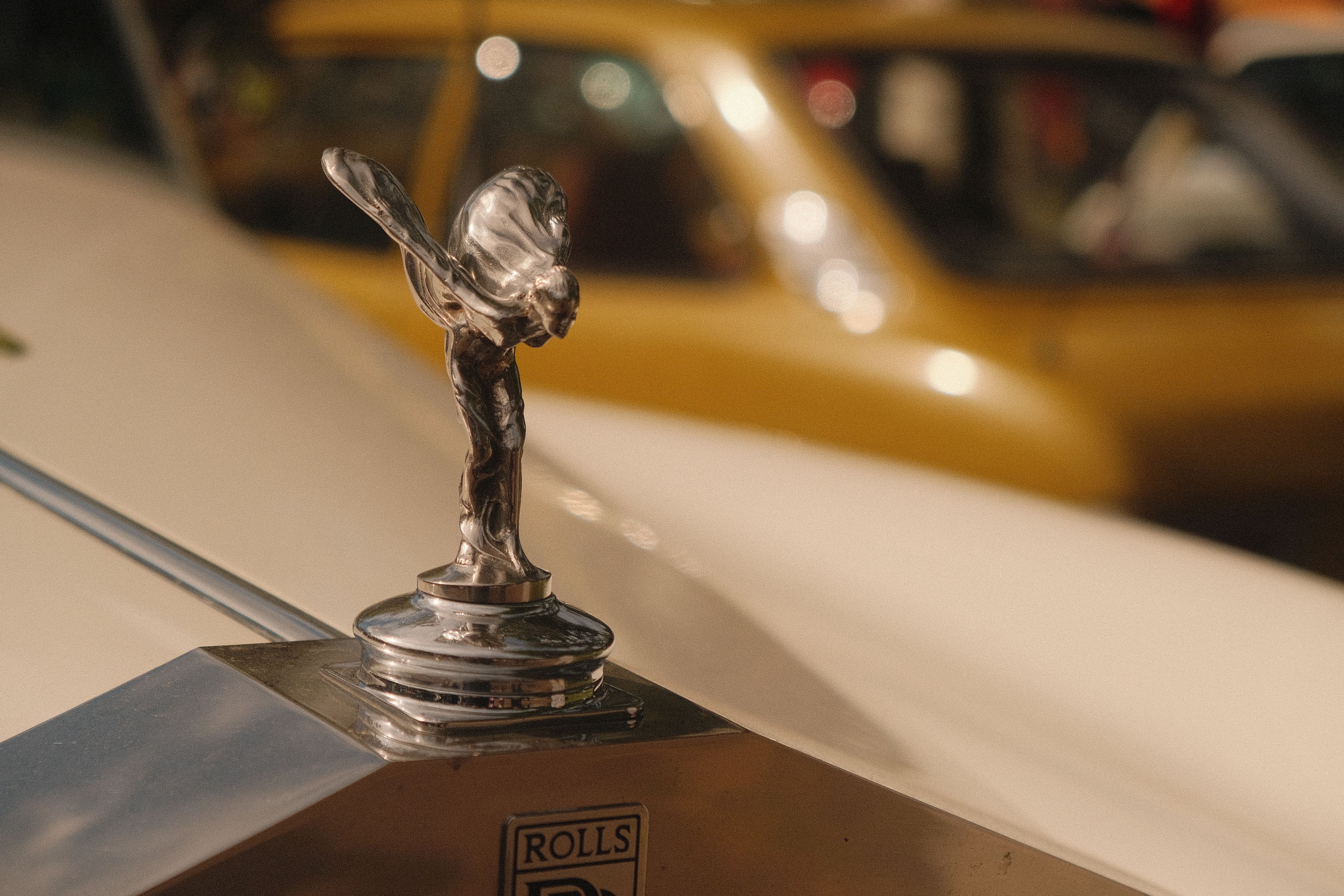
Badge value is more complicated. It matters on the days when the arrival is part of the occasion, and not at all on a Tuesday morning school run or a hospital appointment. Treating it as a permanent virtue leads people to book cars that are worse at the job in hand, which is why we ask what the day involves before recommending anything at all.
How this shapes what we send
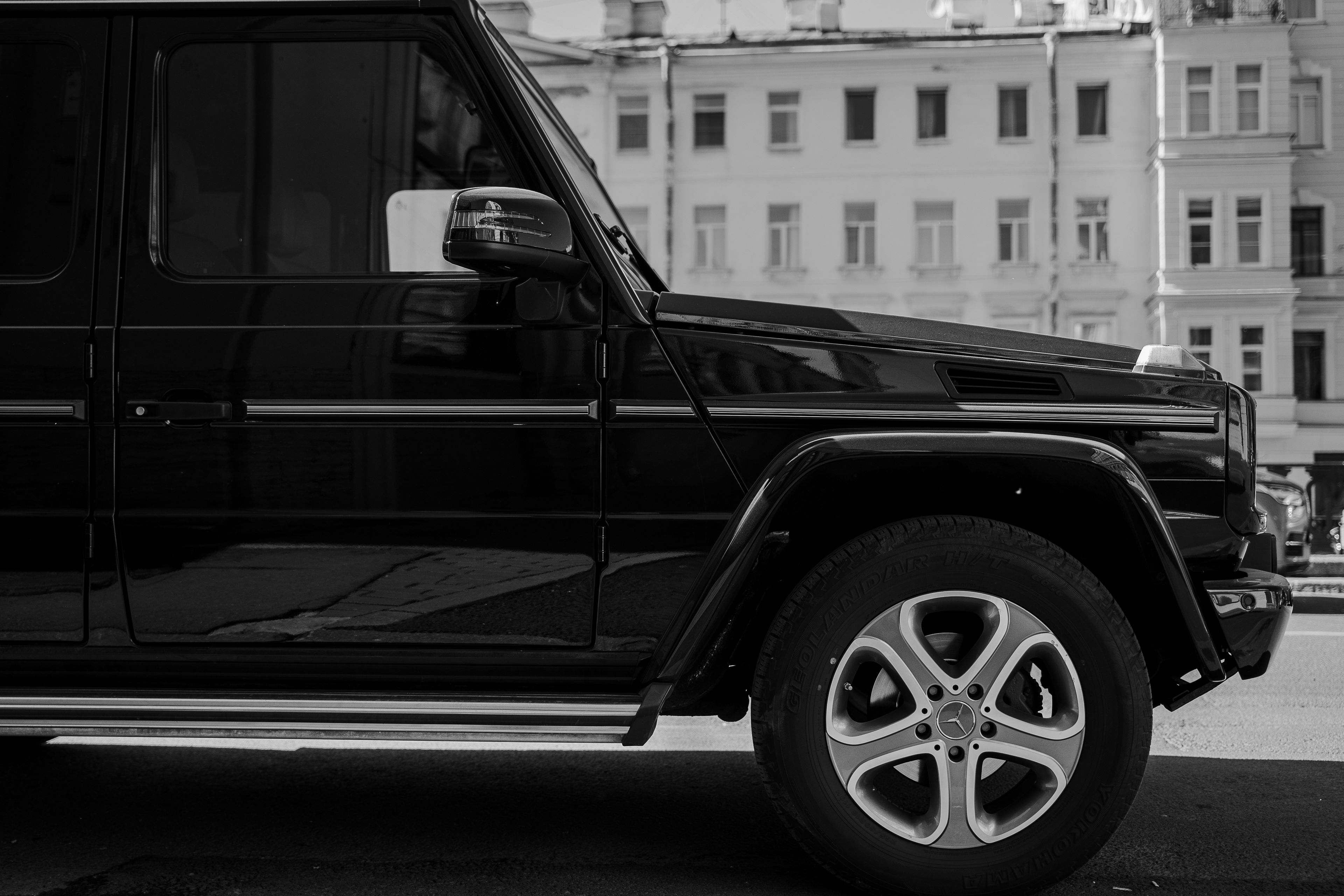
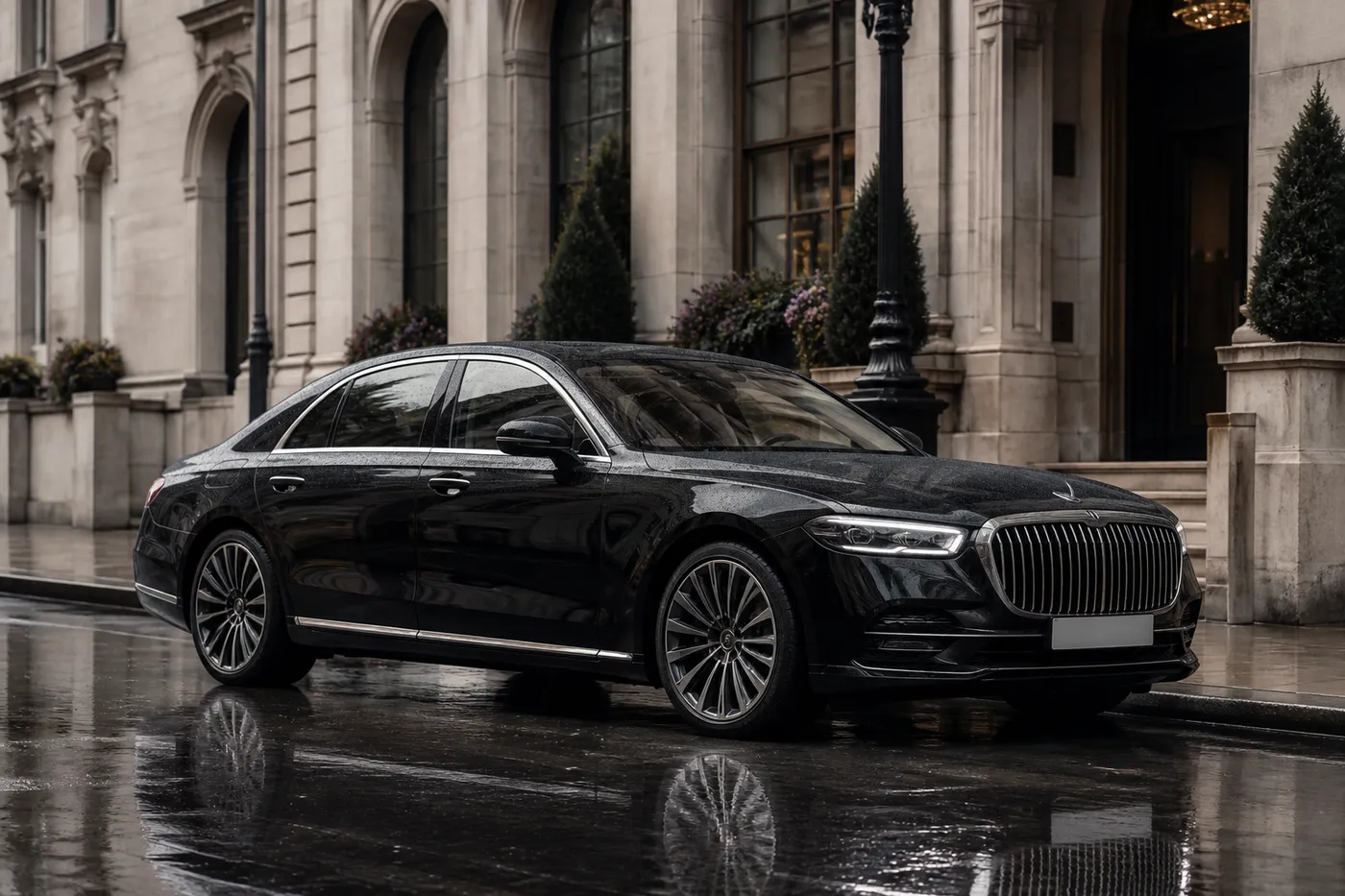
Put the requirements together and the field narrows quickly, which is why chauffeur fleets across the world look broadly similar. Full-size saloons, a handful of luxury MPVs, two or three SUVs and the ultra-luxury marques cover almost everything anybody needs. Within those, specification is chosen for the rear compartment rather than for the driver, and that is a deliberate decision rather than an economy.
Presentation is the last requirement and the one clients notice first. Cars are cleaned before a journey, not merely at some point recently, and the interior is checked as carefully as the paint. Vehicles come from our own cars and from a vetted network of professional chauffeur operators, and each operator is expected to meet the same standard on arrival regardless of who supplies the car.
Model, colour and specification are subject to availability and are confirmed with your booking rather than promised at the enquiry stage. If a particular feature genuinely matters to your journey, such as rear blinds, a specific seat layout or a low load lip, mention it on WhatsApp or by email and the requirement gets matched rather than hoped for. That is the difference between a good day and an awkward one.
- Cleaned inside and out before the journey, not merely recently
- Still water and basic comforts carried as a matter of course
- No exterior branding, livery or advertising of any kind
- Tyres, glass and lights checked before the vehicle leaves
- An interior free of odours, including air freshener
- The boot empty and lined, ready to take your luggage