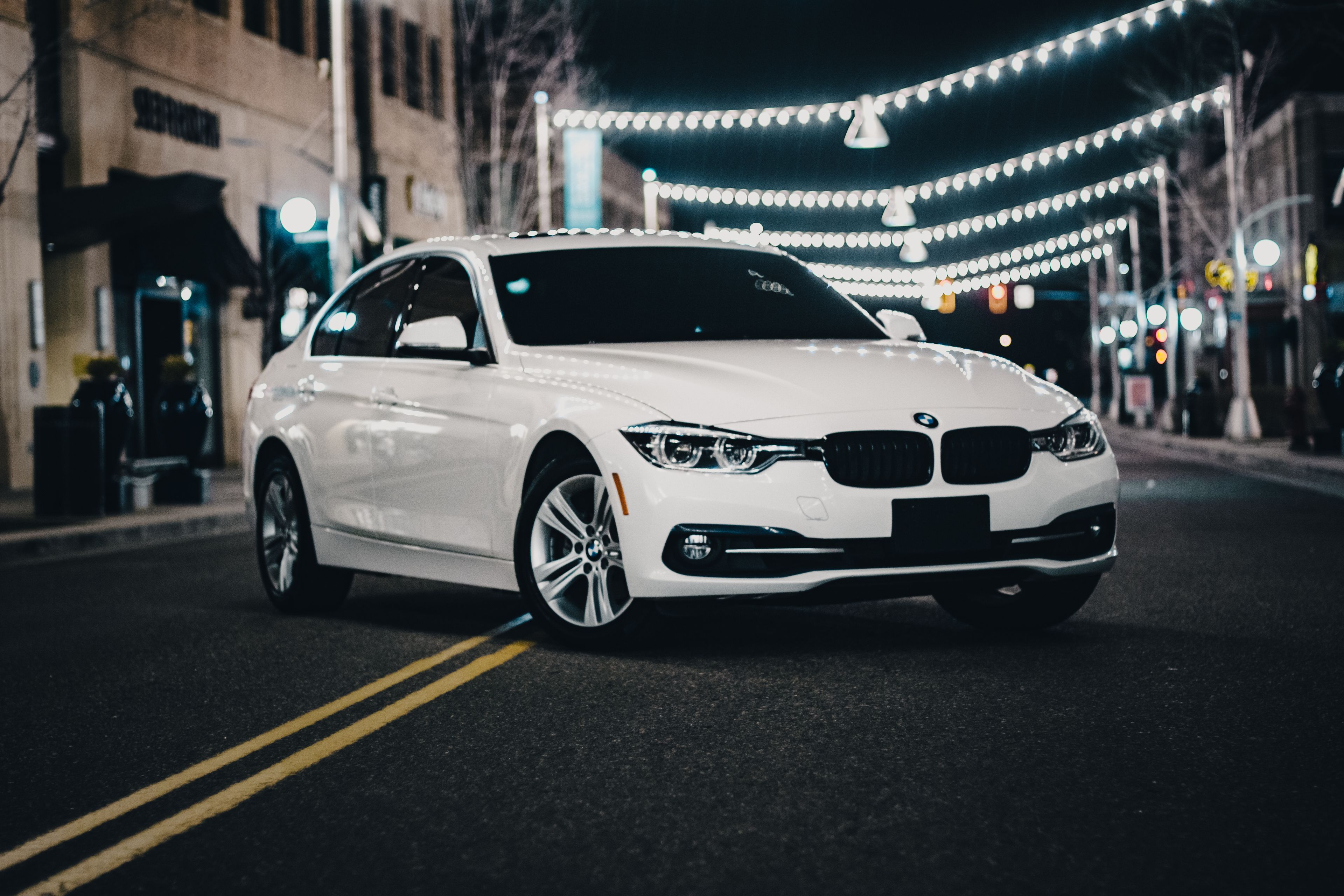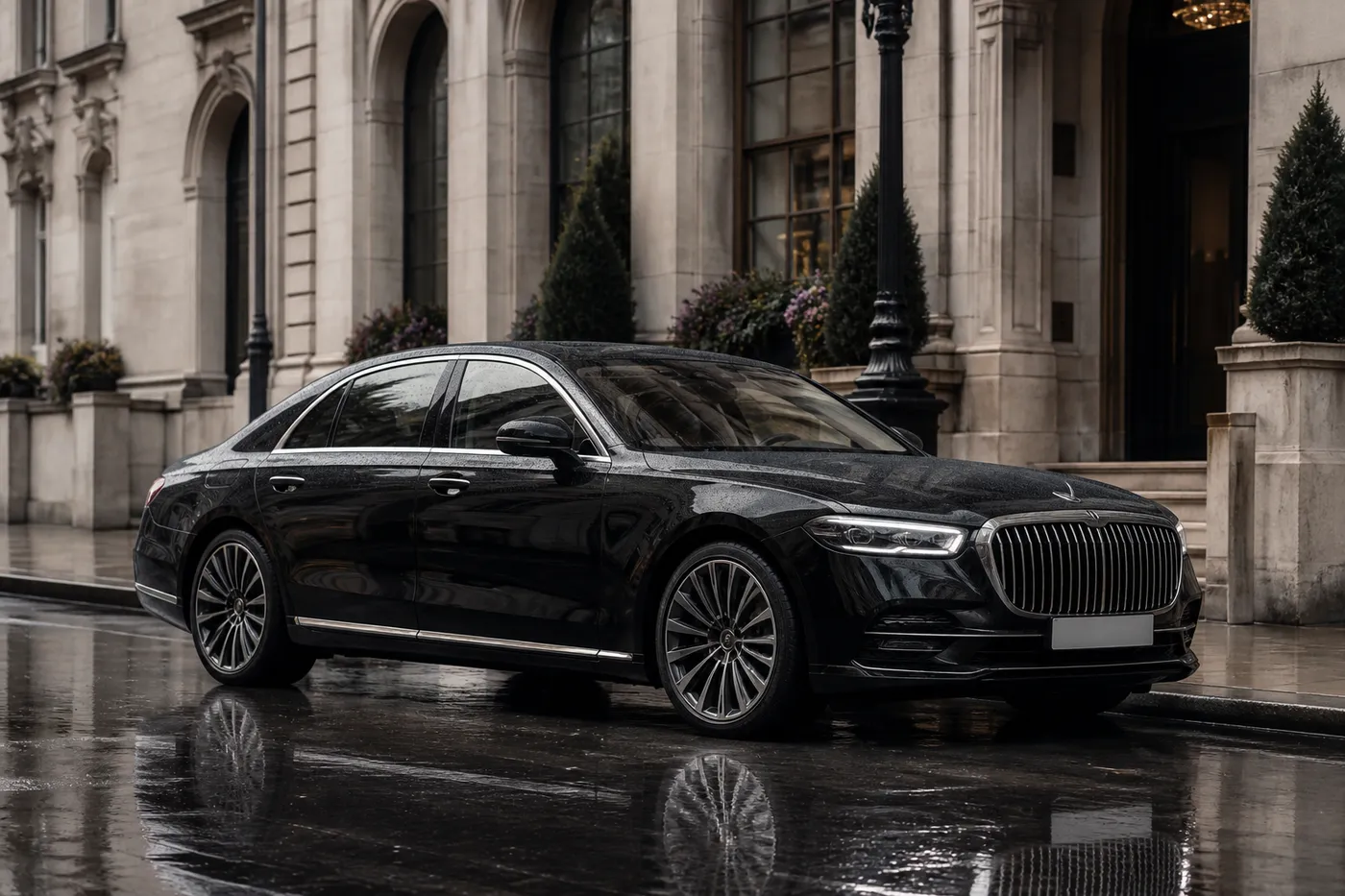



Electric cars arrived in chauffeur work quietly and then, quite suddenly, changed what the best seat in the range feels like. The i7 is the clearest example. Strip out an engine and there is nothing left to insulate against at low speed, and the cabin becomes a room that happens to be moving. Passengers notice within about thirty seconds, usually without being able to say why.
This guide covers what that actually means over a real journey rather than a showroom demonstration. It looks at the rear compartment and its screen, the doors that open themselves, how the quiet changes conversation and calls, the honest position on range and charging, and the handful of situations in which we would still recommend something with a fuel tank.
The silence, and what it changes
In a combustion car, quiet is achieved by fighting noise with mass, glazing and insulation. In the i7 there is far less noise to fight in the first place. Pulling away from a set of lights produces no sound at all beyond a faint whisper of tyre on tarmac, and in slow London traffic the cabin is close to still. Passengers tend to lower their voices without meaning to.
At motorway speed the picture is different, because wind and road noise scale with velocity in any car. The i7 handles both very well, but the drama of the contrast belongs to town driving. If your day is a series of central London movements, this is the car that will leave you least worn down by the end of it.
The rear compartment
BMW builds the current 7 Series in long-wheelbase form only, so rear legroom is generous in every example. The seats are broad and softly bolstered, with a reclining backrest, and the Executive Lounge configuration takes the offside seat well back with a footrest on the seat in front. That configuration is an option rather than a fixture, so it is worth asking about.
The headline item is the Theatre Screen, a very wide display that folds down from the roof lining and turns the rear into something closer to a private cinema. It is genuinely impressive and, on a long evening run, genuinely useful. It also folds away completely, which matters: many passengers deploy it once out of curiosity and then spend the rest of the journey watching the road.
Details that surprise first-time passengers
The i7 does a number of things differently from a conventional saloon, and none of them are difficult, but it helps to know they are coming so the first thirty seconds are not spent looking for a door handle that is not there.
- Doors that open and close under power at the touch of a button
- Touchscreen panels set into the rear door cards for climate and seating
- A folding roof-mounted screen with its own sound and streaming apps
- An illuminated crystalline bar running across the width of the dashboard
- Flush exterior handles that sit level with the bodywork until needed
- A panoramic roof on many cars, with electrically dimmed light bands
Range, charging and your itinerary
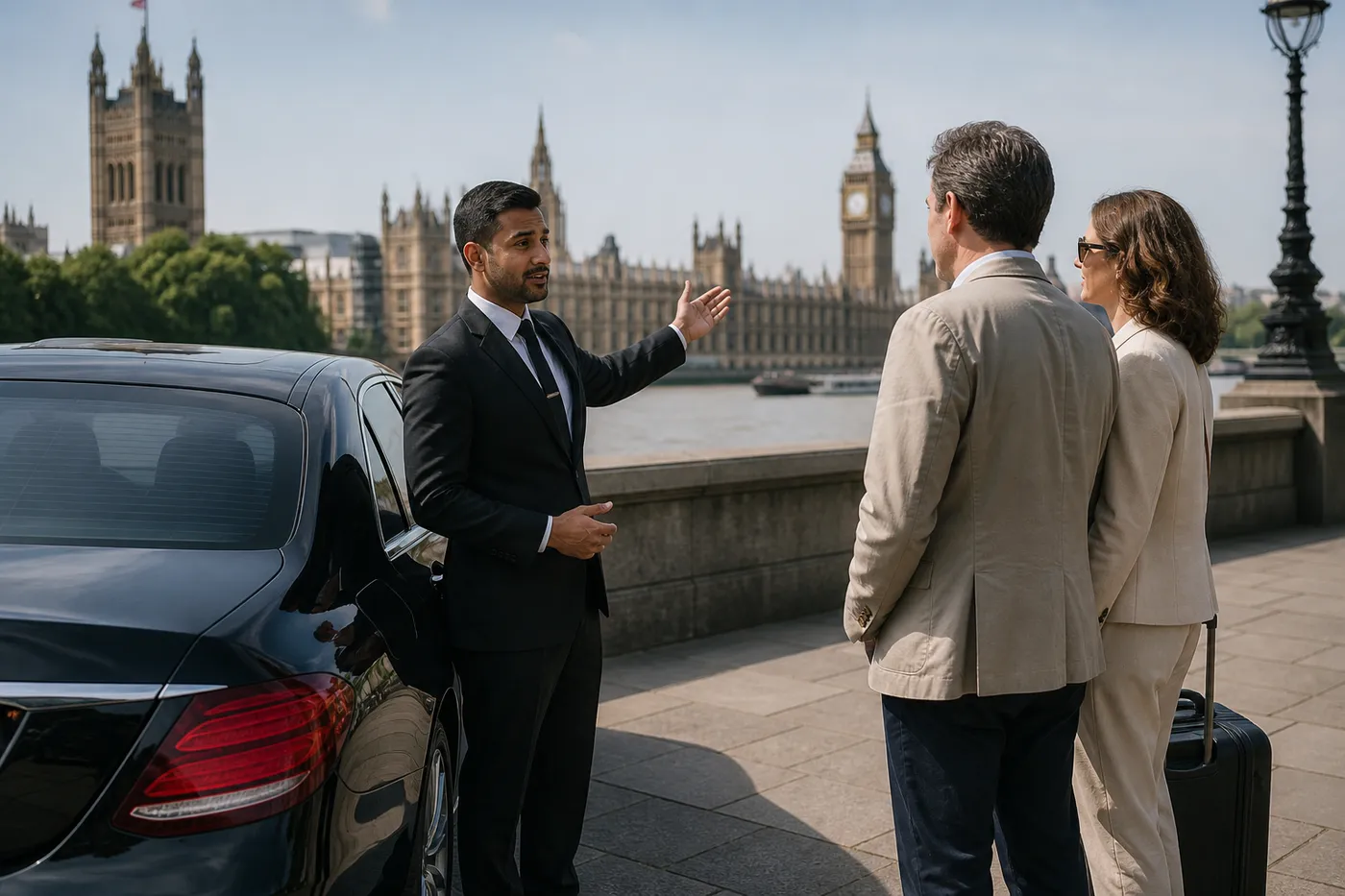
The question every client asks is whether the car will need to stop, and the answer is no, because it is planned around before you travel. Manufacturer figures for the i7 sit around three hundred miles depending on specification and conditions, and in cold weather with the heating on, real-world range is meaningfully lower. Your chauffeur works to the real number, not the brochure one.
In practice this means charging happens before collection or during waiting time, never during your journey. For a day of London movements it is a non-issue. For a very long single leg followed by an immediate return, we will discuss it honestly at the quotation stage, and occasionally we will recommend a different car rather than build your schedule around a charging stop.
Where a combustion car still wins
Long, remote and unpredictable itineraries are the honest exception. A day that runs from London to the Highlands, then to a shoot with no charging within thirty miles, then back to a hotel late at night is simply easier in a diesel or petrol saloon. So is a schedule that may double in length at short notice, which happens more often than clients expect.
There is also the matter of preference. Some passengers dislike the sensation of regenerative braking, which slows the car as the driver lifts off rather than only when the brake is applied. A good chauffeur minimises it, but it is not identical to a torque converter coasting. If that matters to you, say so, and we will suggest the S-Class or Maybach instead.
Availability and city schemes
As a fully electric car the i7 sits in the cleanest category under London's emissions schemes, which simplifies a day built around repeated central movements. Scheme rules and eligibility change from time to time, so we confirm the current position when we quote rather than relying on what was true last year.
The i7 is supplied from our own vehicles and from a vetted network of professional chauffeur operators. Colour, interior trim and the rear-seat configuration vary between cars and are subject to availability, so they are confirmed at the point of booking. Ask on WhatsApp or by email if a particular feature is important to your journey.