





Most people assume a chauffeur has to be booked weeks ahead and so do not bother asking when a plan collapses at four in the afternoon. That assumption is wrong more often than it is right. Standard vehicles at ordinary hours can frequently be arranged the same day, and the enquiry costs you nothing but the time it takes to type it.
What decides the outcome is not luck but the shape of what you are asking for and how you ask. This guide covers what is realistically possible, the variables that make a late request succeed, the ones that make it fail regardless of goodwill, and how to phrase an enquiry so that the answer arrives in minutes rather than after three rounds of clarification.
What is genuinely possible
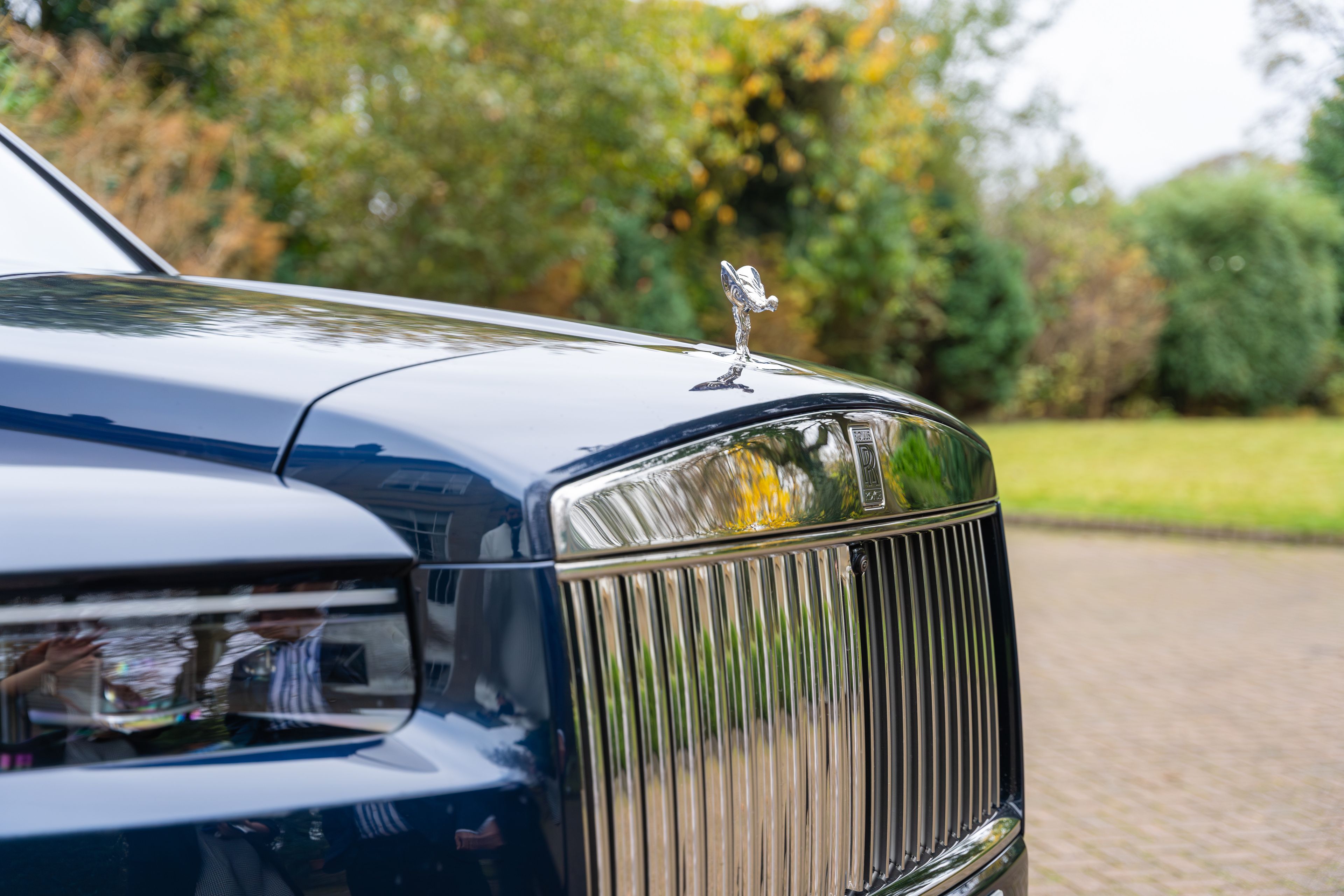
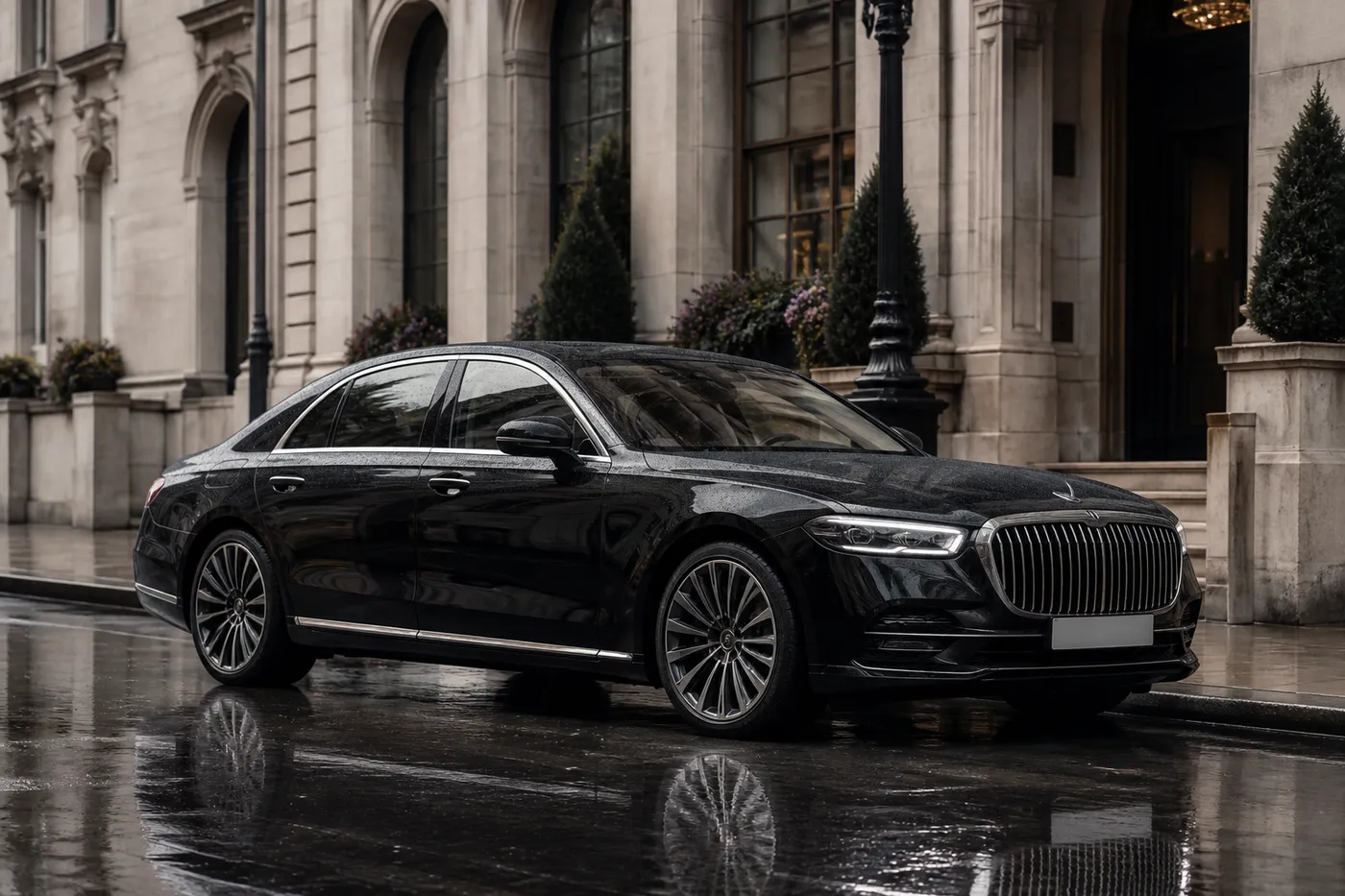
A standard executive saloon in a city with reasonable supply, wanted in the middle of a working day, is often available at very short notice indeed. A luxury MPV is a little harder because there are fewer of them. A prestige or ultra-luxury car at short notice is possible but genuinely unlikely, and on a weekend in season it is close to impossible.
The other axis is the hour. Late-afternoon and evening requests for the same day compete with a fleet already committed to the evening rush. A request at ten in the morning for two in the afternoon sits in the easiest window there is. The same request for five o'clock is harder, and for a departure at five the following morning it depends entirely on who has already been rostered.
What makes a late request succeed
Flexibility is the currency. If any part of your requirement can move, the probability of a yes rises sharply, and the parts that most often can move are the vehicle class and the collection time. A client who will accept whatever comfortable car is free at a quarter past three is far easier to help than one who needs a specific model at three exactly.
Completeness is the other half. At short notice there is no time for a conversation to develop over an afternoon; the enquiry that can be answered on first reading is the one that gets answered. Everything below in one message will usually produce a definitive reply quickly, which matters just as much when the reply is no, because a fast refusal leaves you the time to arrange something else.
- The date, the collection time and the time you must arrive
- Full pickup and destination addresses with entrances
- Passenger and luggage counts, both actual numbers
- Flight number and terminal if an airport is involved
- Which elements you can flex: vehicle class, timing, meeting point
- A number you can be reached on immediately

The requests that fail late
Some things cannot be conjured. A specific prestige car on a peak Saturday is the clearest example, because the supply is small and was committed months ago. Multiple vehicles for a group at a few hours' notice is another, since it requires several chauffeurs to be simultaneously free. A very early departure the following morning is a third, because rosters for those hours are set well in advance.
Long-distance one-way journeys booked late are also awkward, since they commit a chauffeur to a full day and a return with nothing in the car. None of these is impossible in principle, but if this is your requirement it is better to know quickly that it is difficult than to spend an afternoon hoping. We will tell you which category you are in as soon as we know.
- A named prestige car on a contested weekend date
- Several vehicles at once for a group movement
- Departures in the small hours, where rosters are set well ahead
- Long one-way journeys that commit a chauffeur for a whole day
- Anything needing a child seat fitted with no notice at all
How to ask so we can answer quickly
Lead with the deadline. Say when you need to know by as well as when you need the car, because that tells us whether to answer with what we can confirm now or to spend twenty minutes checking a better option. Both of those are useful answers, but only one of them is what you actually want when a plan has just collapsed.
Then send the details in a single block rather than in fragments, and say explicitly what you can flex. A message that reads as a complete brief with two lines of flexibility at the bottom is the fastest thing anybody can act on. Send it to us on WhatsApp or by email and you will normally have a straight answer rather than a holding reply.
If we cannot help
We will say so plainly and quickly rather than leaving the request open while you assume it is in hand. An unanswered enquiry at short notice is worse than a refusal, because it consumes the time you needed for the alternative. If there is something we can do that is not quite what you asked for, we will describe it rather than substituting silently.
Where a chauffeur is not the right answer anyway, we will say that too. A single traveller with a cabin bag needing to reach a well-connected city centre in the next hour is often better served by rail, and there is no sense in pretending otherwise simply because an enquiry happened to arrive. Saying so costs us a booking and saves you an hour.
Turning a rescue into a plan
Short-notice booking is a fine tool and a poor habit. If you find yourself doing it repeatedly, the pattern is usually visible in advance: the same recurring meeting, the same monthly airport run, the same client visit that is always confirmed late. Those can be held provisionally and released, which is far more reliable than starting from nothing each time.
Where travel is genuinely unpredictable, tell us the pattern rather than the individual journeys. Knowing that somebody flies most Thursday evenings, or that a particular week each month is always busy, lets availability be anticipated instead of chased. It costs nothing at all to describe, and it changes how often the answer can be yes rather than a regretful no on a Thursday afternoon.