
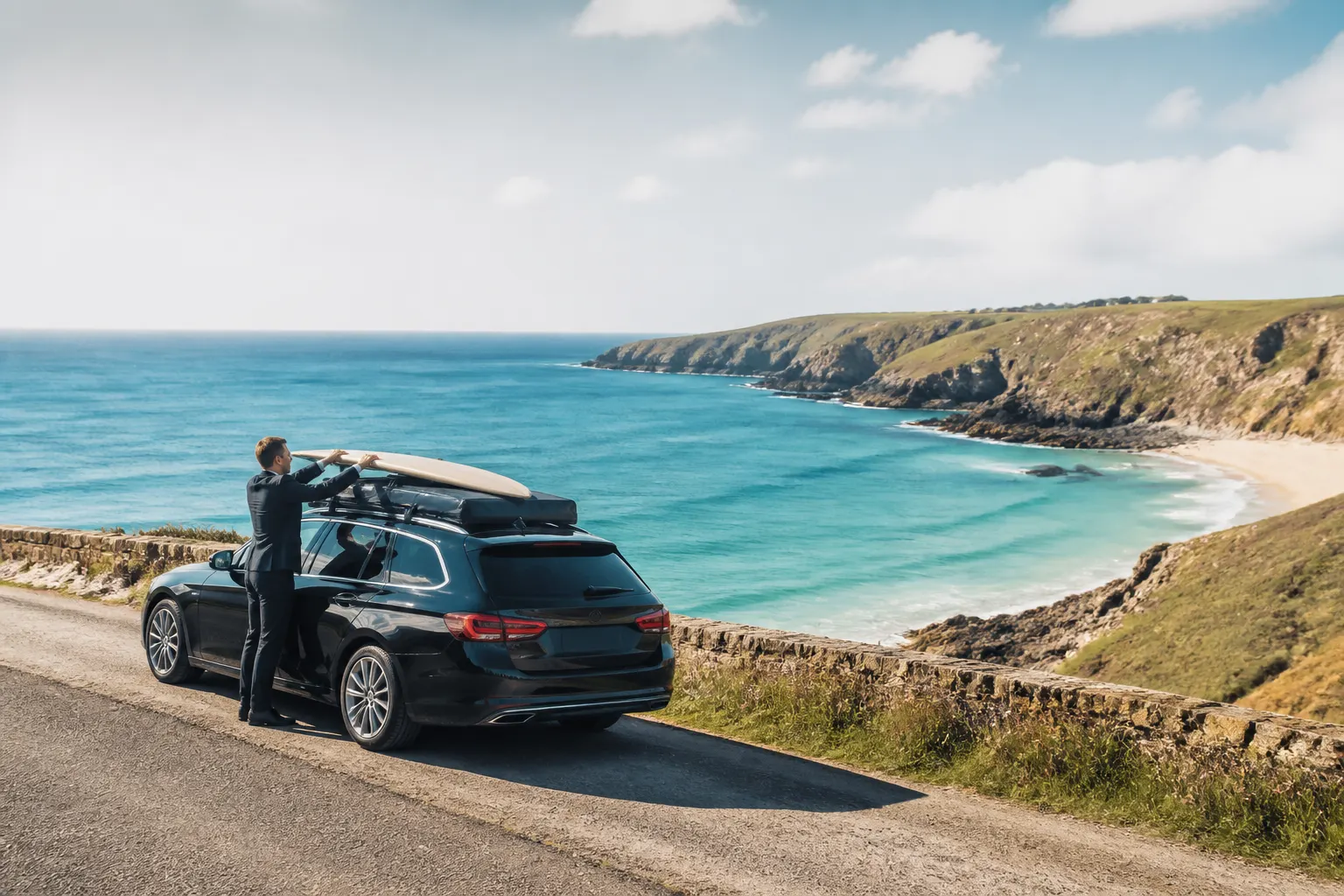


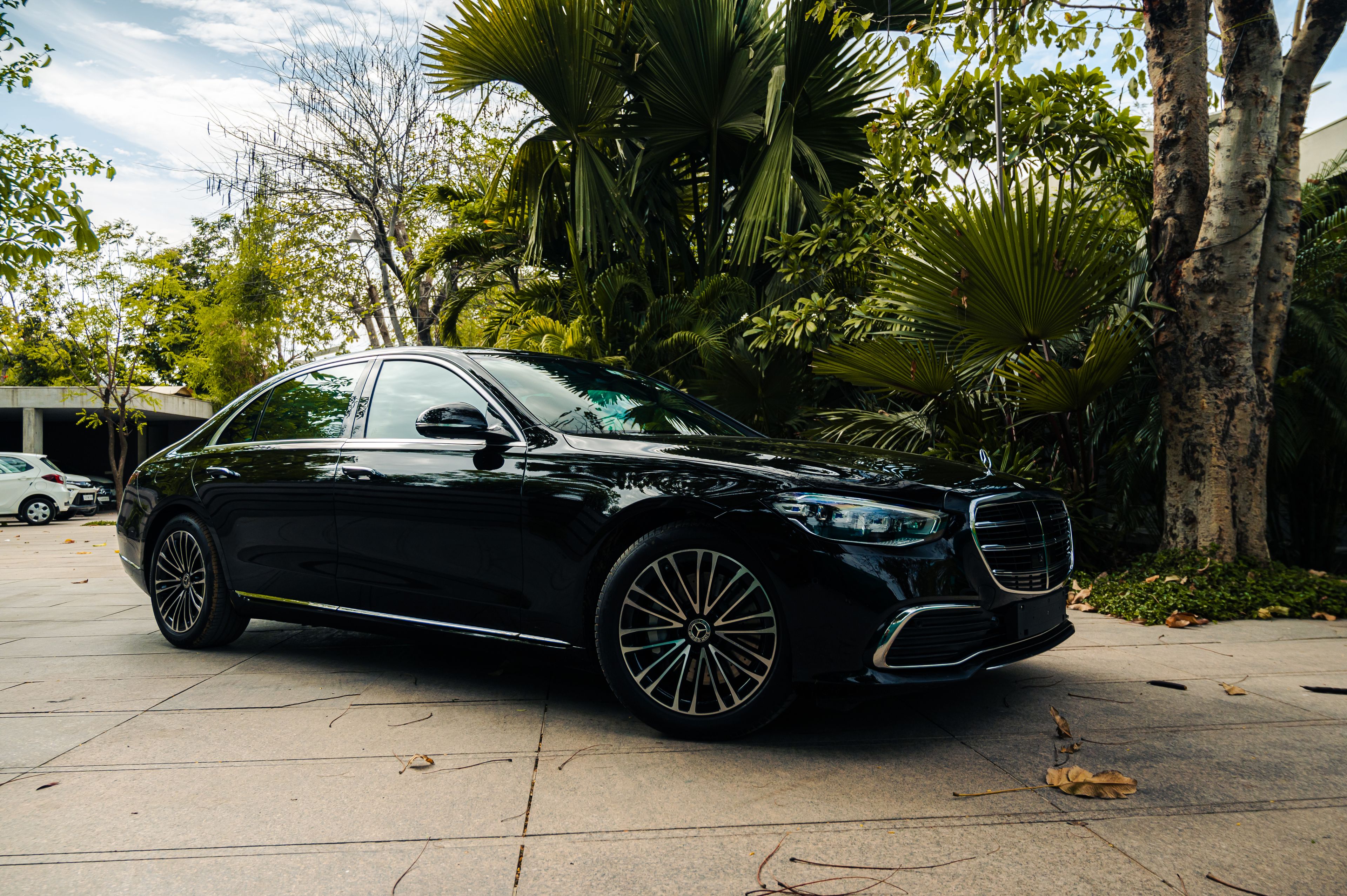
These two vehicles cover the large majority of chauffeur bookings between them, and the choice usually comes down to three or four facts rather than a preference. Get it right and nobody thinks about the car at all, which is the point. Get it wrong and the day begins with a boot that will not shut, or an adult wedged into a middle seat for two hours.
Neither is the senior partner. A saloon is not a downgrade from an MPV, and an MPV is not a step down in luxury from a saloon; they solve different problems, and a good example of either rides beautifully. What follows sets out the thresholds where the answer flips, and the smaller number of cases where it is genuinely a toss-up.
The threshold that settles it
Three adults travelling together with checked luggage is the line. Below it, a saloon is almost always the better booking. Above it, an MPV is, and no amount of careful packing changes the arithmetic. A saloon boot takes two large cases properly and the third has nowhere to go once somebody is sitting in the back, and that is true of every executive saloon regardless of badge.
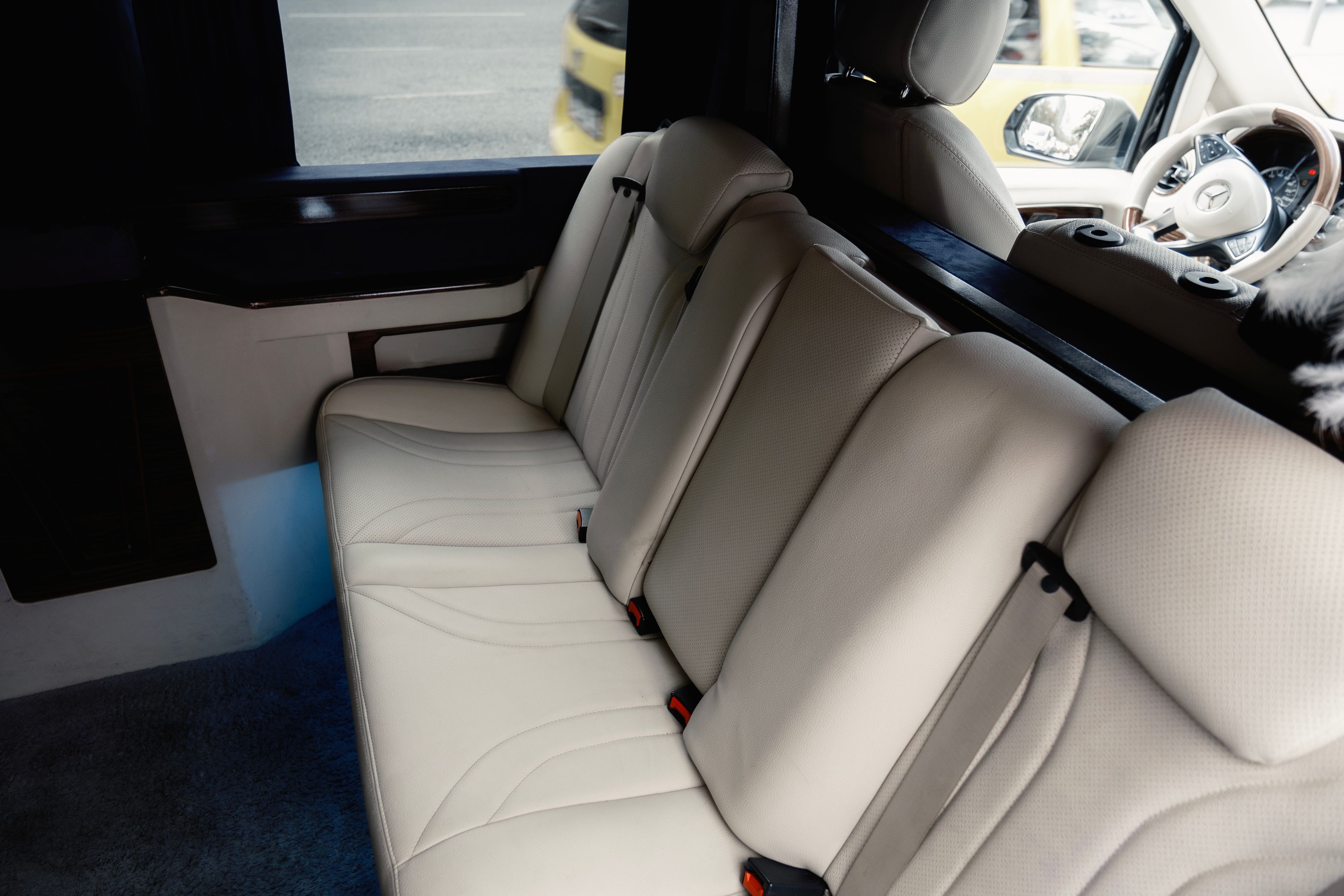
The passenger side of the line matters just as much. A saloon has three rear belts, but the middle one sits on a raised, firmer cushion with the transmission tunnel underneath and no natural place for feet. It is perfectly fine for fifteen minutes across town. Over an hour, the person sitting there will remember it, and will mention it more than once before the end.
What the MPV actually gives you
The real advantage is not size but arrangement. Individual rear armchairs mean nobody negotiates for space or shares an armrest, the floor is flat so feet go anywhere, and the sliding doors open in a tight bay without threatening the car beside you. On a long airport run with four people, that separation matters more than any measurement of legroom would ever suggest.
Entry is the second advantage and the one older passengers notice first. The floor sits at roughly the height of a dining chair, so you step in and turn rather than dropping down and hauling yourself back out. There is usually a grab handle beside the aperture. For anyone with a stiff hip, a walking stick or a formal outfit, this alone can decide the booking.
The situations below are the ones where an MPV is not merely acceptable but plainly the right answer. In each of them, running two saloons instead would cost more coordination than it saves and would split a group who almost certainly want to talk to each other on the way. It is also the vehicle that copes best when the plan changes on the day.
- Four or more passengers travelling together on one journey
- A family with a pushchair, a travel cot and a week of luggage
- Three colleagues who need to talk on the way to a meeting
- Airport runs where the luggage count is genuinely uncertain
- Long motorway journeys where everyone wants their own seat
- Groups including someone who finds a low car hard to enter
Where the saloon still wins
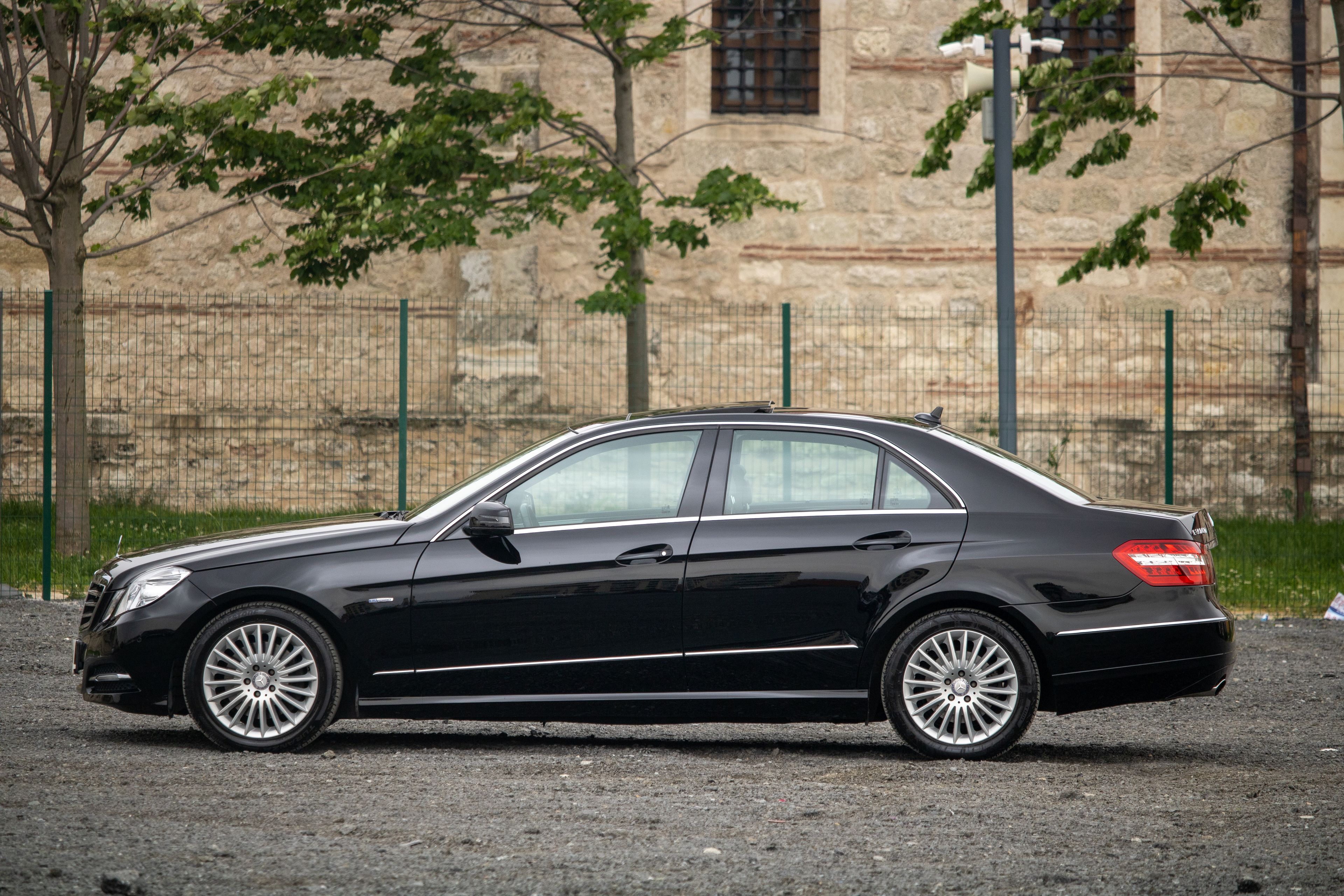
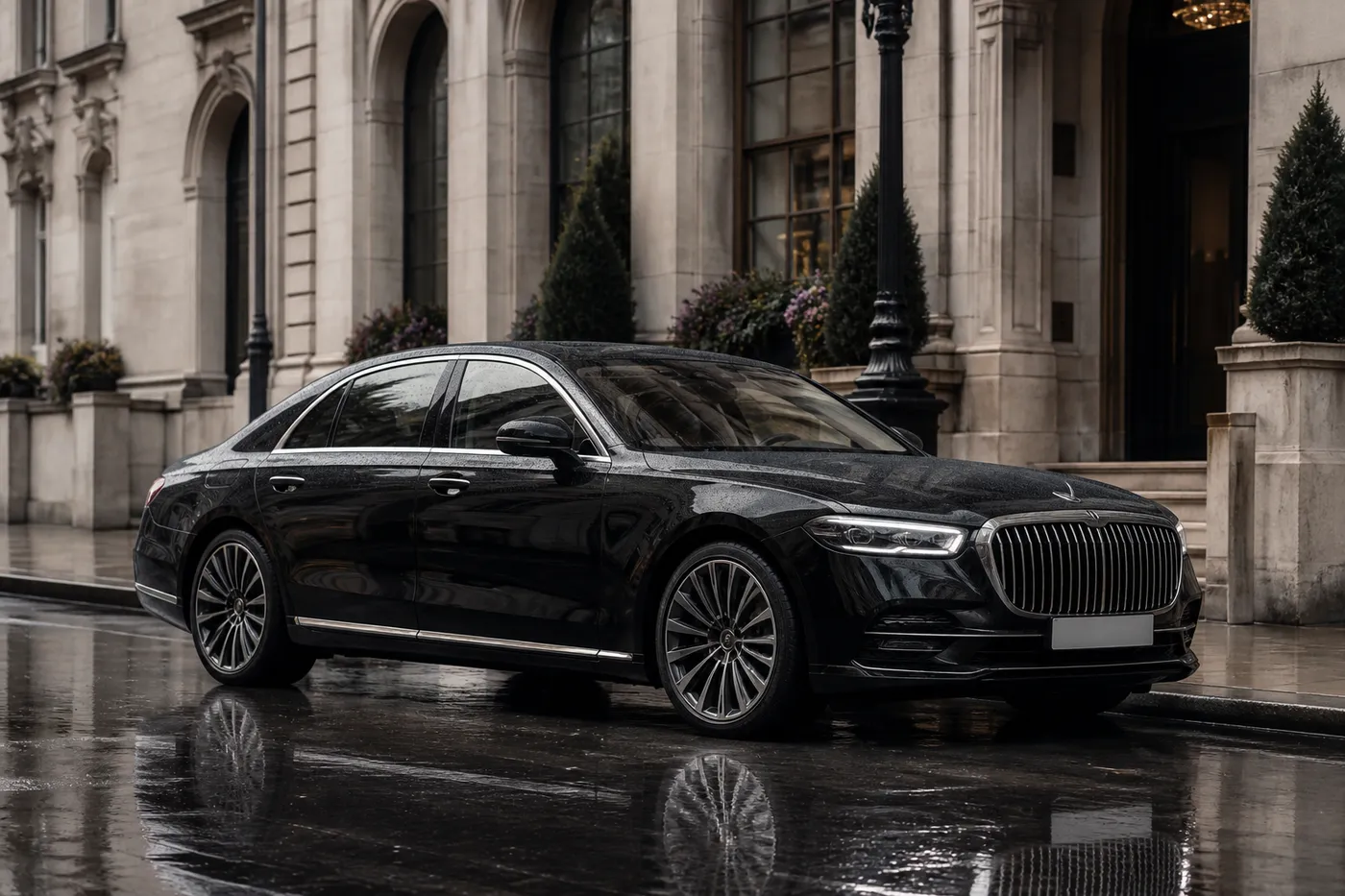
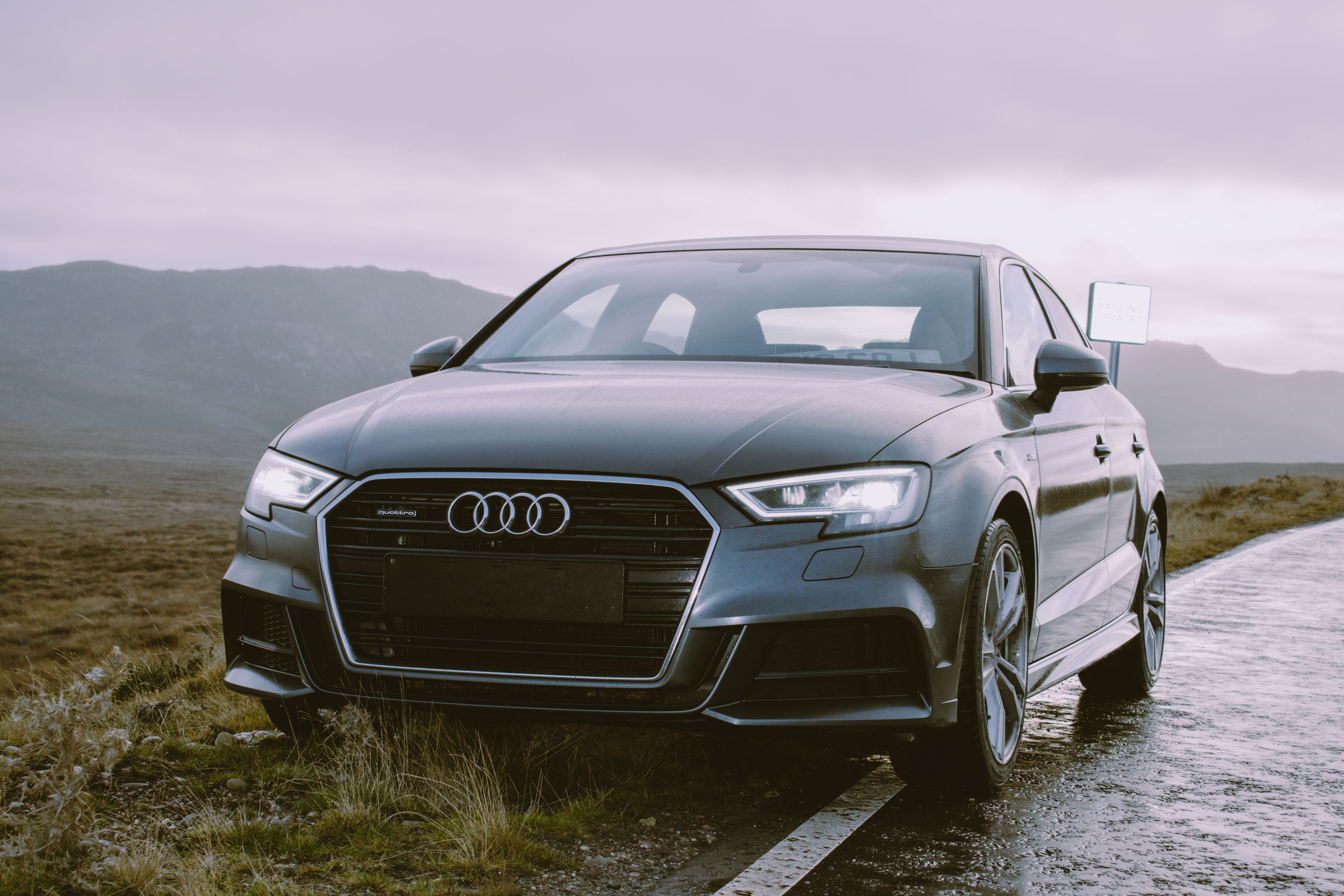
For one or two passengers, the saloon is the better vehicle on nearly every measure that matters from the back seat. It is quieter at motorway speed because there is less body to insulate and less glass to resonate, it sits lower so it corners flatter, and it is markedly easier to place at a kerb on a busy street. It is also the more economical booking, which is worth saying plainly.
Discretion is the other half of it. A dark saloon outside a private address or an office reads as unremarkable. A large MPV, particularly in a residential street, reads as a group arriving, and on certain days that is the wrong signal entirely. Where the journey is short, the party is small and the arrival should be quiet, the saloon is the considered choice rather than the cheap one.
Height, access and other constraints
MPVs are tall, and tall vehicles meet barriers. Many hotel and terminal car parks post a low clearance, and while the answer is usually to set down at the entrance rather than descend into the car park, it is worth knowing beforehand rather than at the barrier. Some private estates, gated courtyards and older multi-storeys are simply not viable, and the chauffeur needs a plan for where to wait.
Against that, sliding side doors are an advantage in exactly the places where a saloon struggles, because they need no swing room at all. In a tight bay or beside a narrow pavement, passengers step out cleanly without anyone opening a door into traffic. Which constraint applies depends entirely on the addresses, so send them and both ends of the journey get checked.
The cases where it is close
Three passengers with hand luggage only is the honest toss-up. A saloon will do it, and for a half-hour transfer nobody will complain. An MPV will do it more comfortably and costs more. The usual advice is to look at the duration: under about forty minutes, take the saloon; beyond an hour, take the extra room, because the middle seat stops being a novelty rather quickly.
Two passengers with an unusual amount of luggage is the other one. If the problem is three large cases rather than four people, a saloon with a folded rear seat sometimes copes, but it is untidy and it puts luggage in the cabin. An MPV solves it properly. The tie-breaker is whether anybody needs to sit in the back, and that is easy to answer.
Telling us enough to decide
The decision takes seconds when a message contains the right handful of facts, and takes a rebuild when it does not. Passenger count, large case count, duration, the addresses and anything about mobility or children will produce a recommendation immediately, and one you are free to push back on if you disagree with it. Nobody here is trying to talk you into the larger vehicle.
Vehicles come from our own cars and from a vetted network of professional chauffeur operators, so a class of vehicle is confirmed rather than a specific registration, and model, colour and specification are subject to availability and confirmed when your booking is confirmed. If the interior layout of an MPV matters to you, ask, because seat configurations differ between individual examples.
- Number of passengers, and whether all of them are adults
- Large cases and cabin bags, counted separately
- How long the party will be in the vehicle
- Collection and destination addresses with postcodes
- Any child seats, pushchairs or mobility aids
- Whether the group needs to talk privately en route