


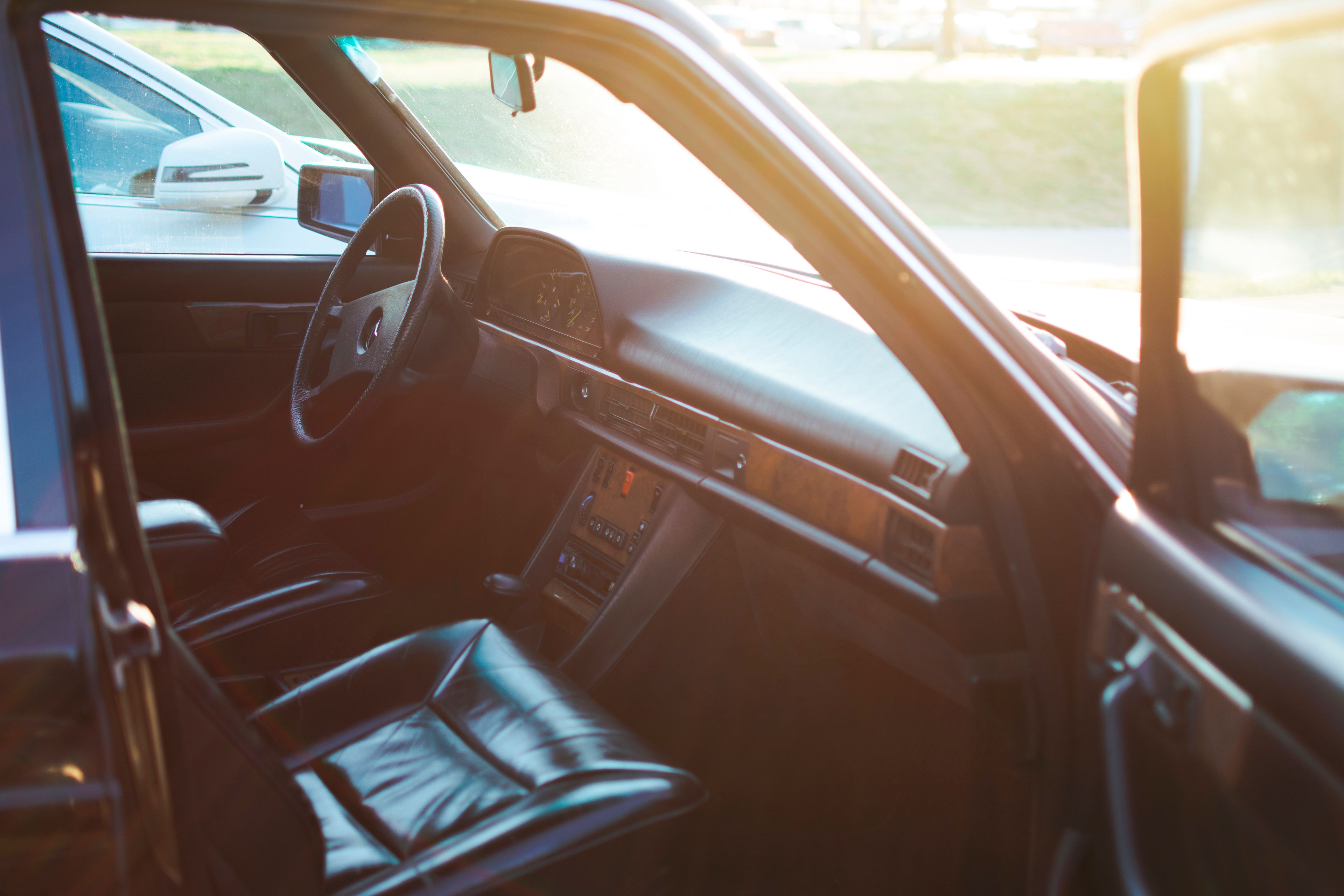
The measure of this work is that nothing appears to have been arranged at all. A car is at a kerb, somebody walks a short distance, a door closes, and the whole thing takes eleven seconds. Achieving that reliably takes a considerable amount of preparation, almost none of which happens on the day itself, and this page describes it.
It is written for people organising travel on behalf of somebody else as much as for the passenger. The questions we are asked most often concern holding positions, confidentiality and what happens when a schedule collapses, so those are covered directly, along with the parts of the job we do not do and will not pretend to.
The reconnaissance before the booking
Before anything is confirmed we want to know the venue, the entrance, the hour and whether the event has a published start time. From there the work is unglamorous: establishing where a vehicle may legally hold, how long the walk from kerb to door actually takes, whether the approach road becomes one-way after six, and what the alternative is if the front of the building is blocked.
Where a venue operates its own arrival procedure, we follow it and expect to be told what it is. We are an independent chauffeur service and make no claim to a relationship with any venue, hotel or operator. If accreditation, a vehicle pass or an advance list of registrations is required, that comes from you or your organiser and we work to it.
Planning the arrival itself
The arrival plan is written down rather than agreed verbally, and it usually has two versions. The first assumes the road is clear and the door is where it should be. The second assumes it is not. Almost everything that goes wrong on a high-profile arrival goes wrong because nobody wrote the second version.
The plan settles a short list of decisions, and having them agreed in advance is precisely what makes the arrival look effortless from the outside. None of it is complicated; it simply cannot be worked out in the thirty seconds available when a car reaches a busy entrance.
- The exact set-down point, and the direction the car will face
- A secondary set-down if the primary one is occupied or closed
- Where the vehicle holds between drop-off and collection
- How the departure is signalled, and how long the car needs
- Who else is expected at the same door at the same hour
- Whether anyone is walking with you from the car to the door
- The route out, chosen before it is needed rather than during
How confidentiality is actually kept
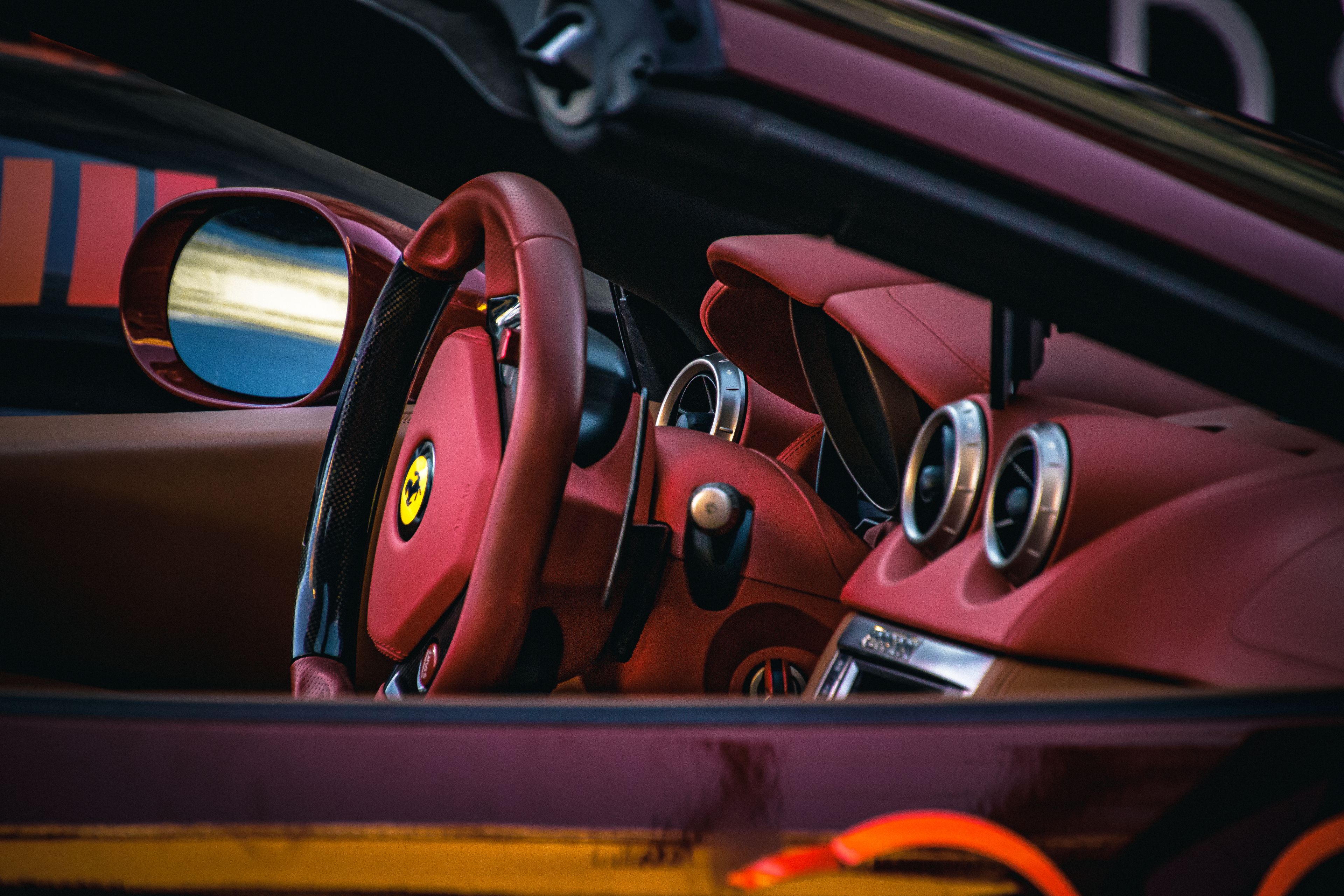
Confidentiality is a set of working rules rather than a paragraph on a website. Names, addresses and itineraries are shared only with the chauffeur covering the journey and never beyond it. No booking is acknowledged to a third party, including somebody who makes contact claiming to be involved. Where there is any doubt, the answer is that we cannot discuss it.
Chauffeurs do not photograph vehicles with passengers present, do not post about their work anywhere, and do not mention who has been in the car, before or afterwards. Where your office requires a specific written non-disclosure arrangement for a particular engagement, raise it at the enquiry stage and it will be in place before the booking is confirmed.
Choosing between being seen and being missed
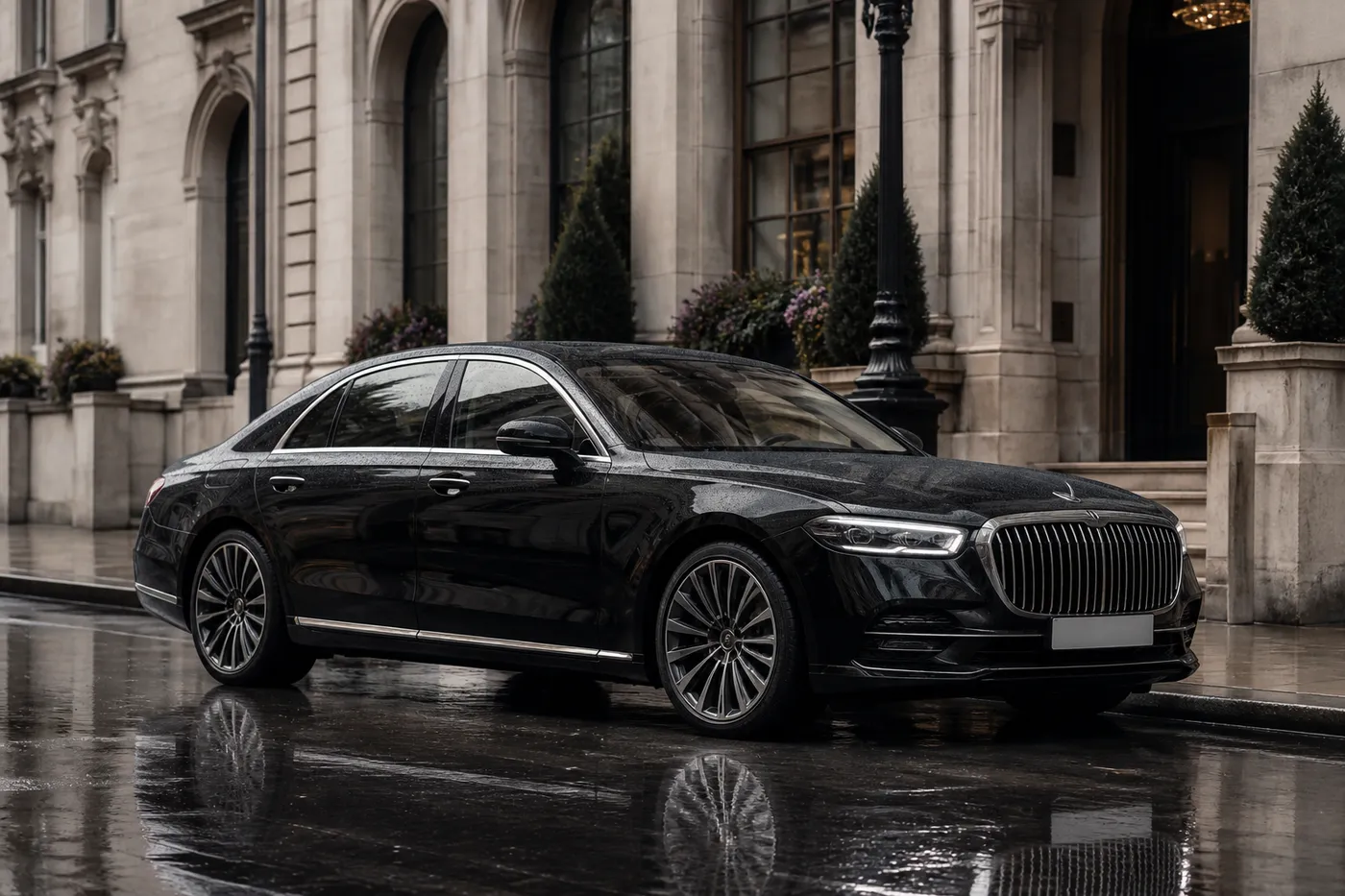
Vehicle choice here is a tactical decision rather than a matter of taste, and it is one of the few places where we will actively argue with a client. A dark saloon that draws no attention is frequently the right answer, particularly for a private arrival at a residence, a hospital, an office or a hotel with a busy front entrance.
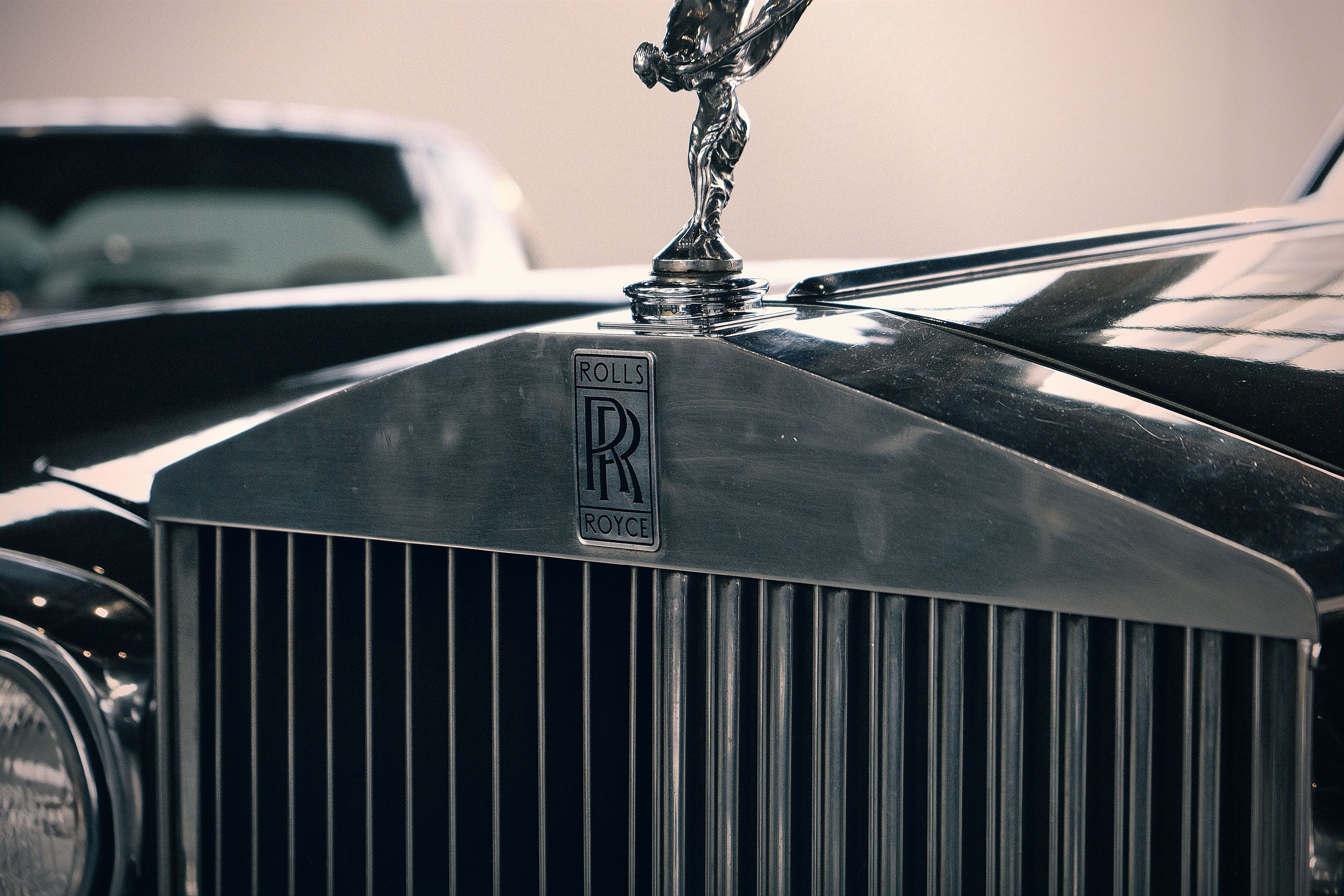
For a premiere, a gala or any arrival that will be photographed, the reverse applies. A Rolls-Royce or Maybach is chosen precisely because it is meant to be seen and because the car forms part of the image. We will say plainly which we would recommend, including the occasions where the more conspicuous option would work against you.
Working alongside a team
Where a security team, a management company, a tour manager or a private office is involved, we work to their brief rather than around it. They set the routes, the holding positions and the communication protocol, and our chauffeur follows them. Keeping everybody inside one conversation is far more effective than running two plans in parallel and hoping they agree.
Late changes are normal in this work and the planning assumes them. Anything with a published start time has an alternative route and a second waiting position held in reserve. If a schedule collapses entirely, the chauffeur waits for instruction rather than improvising, which is almost always the correct behaviour when several parties are involved in the same evening.
The limits we state plainly
Some of what people ask for under the heading of VIP travel belongs to a different profession, and it is far more useful to say so at the enquiry stage than to blur the line and disappoint somebody at a kerb.
Where protection is genuinely required we are happy to work alongside a specialist firm appointed by you, and that arrangement works well in practice. What does not work is a chauffeur being quietly expected to perform a role he has not been trained for, which is why the boundary is stated rather than implied.
- Our chauffeurs are professional drivers, not close protection operatives
- We do not provide security screening, advance teams or counter-surveillance
- We hold no accreditation or privileged access at any venue or airport
- We cannot obtain tickets, passes or guest list places on your behalf
- Chauffeurs will not exceed legal driving hours to hold a late schedule
- Guiding and commentary at attractions require a separately booked licensed guide