





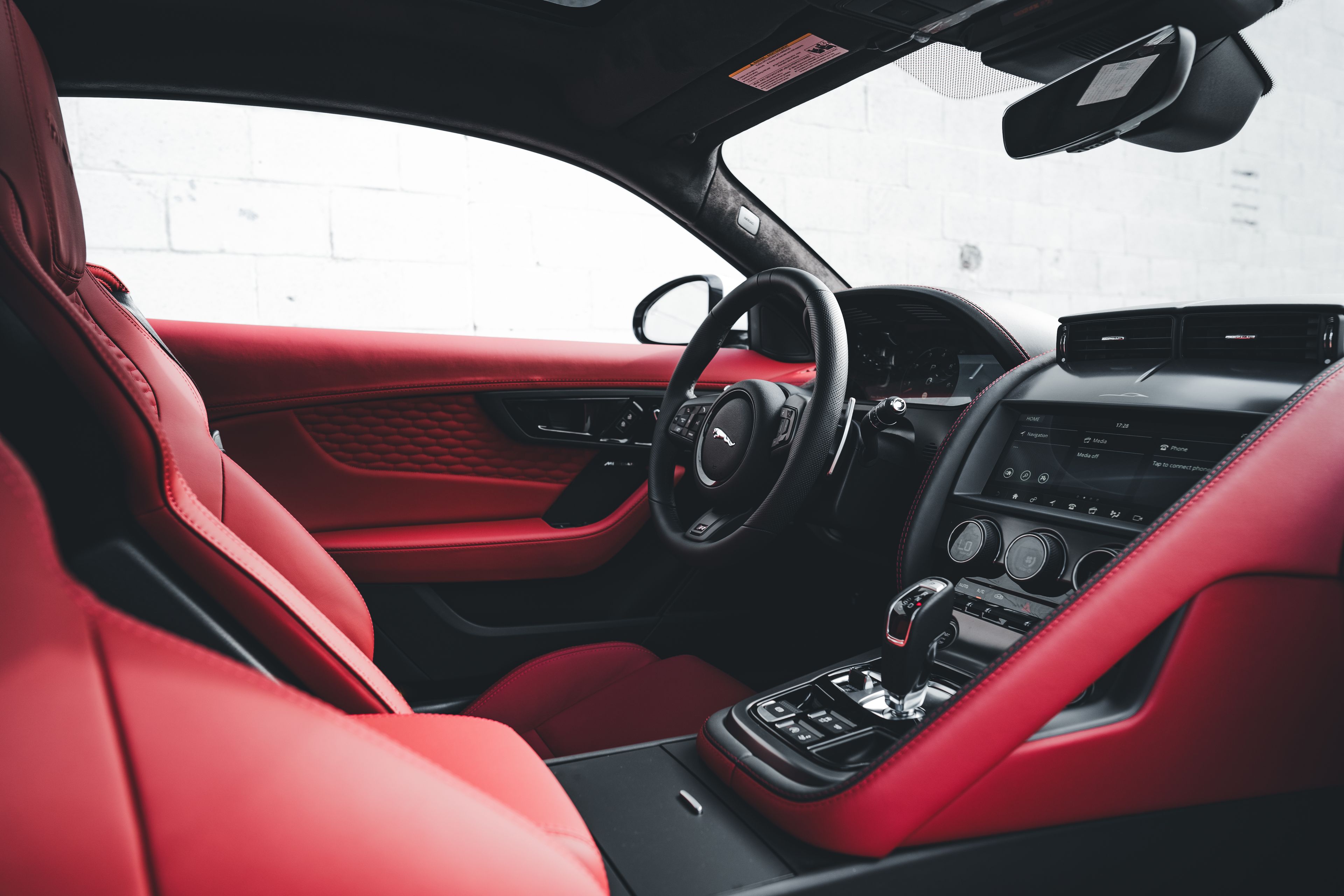
A personal chauffeur arrangement is not a longer version of a single booking. It is a different thing: a standing pattern of journeys held in advance, adjusted by message when the week moves, and covered wherever possible by the same person. The experience changes over time, which is why this page is written as a sequence rather than as a description.
The first fortnight involves more conversation than the rest of the year put together. After that, almost everything runs on what has already been established, and your contact with us drops to the exceptions. If a standing arrangement is what you are weighing up, the following is what it will genuinely feel like to live with.
Building the pattern in the first place
We start with your week rather than with your journeys. Which mornings are fixed, which afternoons are unpredictable, where the school run sits, which day usually ends late. From that we propose a structure: two mornings held permanently, three full days a week through a season, a standing airport run every Friday. You approve the shape, and we hold it in the diary.
The written confirmation covers the pattern rather than a single date. It sets out which journeys are standing, the vehicle class, the notice we would like for changes and the terms that apply to the arrangement. It is the same principle as a one-off booking, simply applied to a repeating diary, and you have it in front of you before anything begins.
The first fortnight
Expect the first two weeks to involve questions. Your chauffeur will ask which gate you actually use, whether the car should wait at the front of the building or at the side, and whether you would rather he came up to reception or simply messaged. Some of that is preference and some of it is geography, and none of it can be established from a map.
By the third week most of it has settled. The list below is roughly what tends to be learned in that period, and once it is learned nobody asks again. This is the point at which people generally say the arrangement has started to feel worth having, rather than the first morning.
- The entrance you use rather than the one the address suggests
- How early the car should be there on the mornings that matter
- Which junctions to avoid after four o'clock on your usual routes
- Whether the first ten minutes are for reading or for conversation
- The cabin temperature you actually want, not the standard one
- Where to wait at the school, the surgery and the office
- Which of your regular stops need help with bags and which do not

What gets remembered, and what does not
Preferences are recorded against the arrangement rather than kept in one person's head, which matters on the days somebody else covers. Practical things such as child seats, access codes, preferred waiting positions and standing instructions are written down. So are the boundaries: whether you want to be greeted at the door or left alone, whether the radio goes on, whether calls are to be treated as private by default.
What is deliberately not recorded is anything about your life beyond the journeys. Where you went, who you met and what was discussed are not noted, not shared and not referred to afterwards. A chauffeur who remembers your route and forgets your business is the correct combination, and it is the one the work is built around.
Changes, cancellations and quiet months
Individual days can be moved or released by message. We ask for as much notice as you can reasonably give, because a chauffeur held for you is a chauffeur not offered elsewhere, and the notice we would like is set out in your written confirmation rather than invented on the day it becomes relevant.
Quiet periods are entirely ordinary. Plenty of arrangements run heavily from September to July and stop for a month in the summer, or hold three days a week through a busy season and nothing at all outside it. Tell us the rhythm and we will build around it rather than ask you to pay for a shape you do not travel in.
Cover when your chauffeur is unavailable
No chauffeur is available every day of the year, and pretending otherwise would be dishonest. Holidays, illness and legal driving hours all mean that at some point somebody else will cover a journey. When that happens you are told in advance, with the name of the covering chauffeur, rather than finding an unfamiliar face at the door on a Tuesday morning.
The covering chauffeur is briefed from the same notes: the entrance, the timings, the seat, the preference for quiet. It is never quite the same as the person who has driven you for six months, but it should be unremarkable rather than disruptive, and if it is not we would want to hear about it the same day rather than at the end of the month.
Where the role reaches beyond driving
The arrangement usually widens over time, and that is expected rather than exceptional. Once a chauffeur is already held for your morning, a number of small errands become sensible uses of time that would otherwise be spent parked somewhere waiting for you.
Some of these need setting up properly rather than being asked for on the day. Anything involving children travelling unaccompanied is discussed in advance, including seats and who is authorised to receive them. Anything irreplaceable we would rather you carried yourself. Everything else is simply part of how the arrangement is meant to be used.
- Collecting a family member from a station on the way back
- Taking luggage ahead to a hotel before you arrive yourself
- Waiting outside a restaurant so that nobody stands in the rain
- An empty run to bring something that was left at home
- School runs, where the seat and the handover are agreed beforehand
- Meeting a visitor at a terminal while you continue with your morning