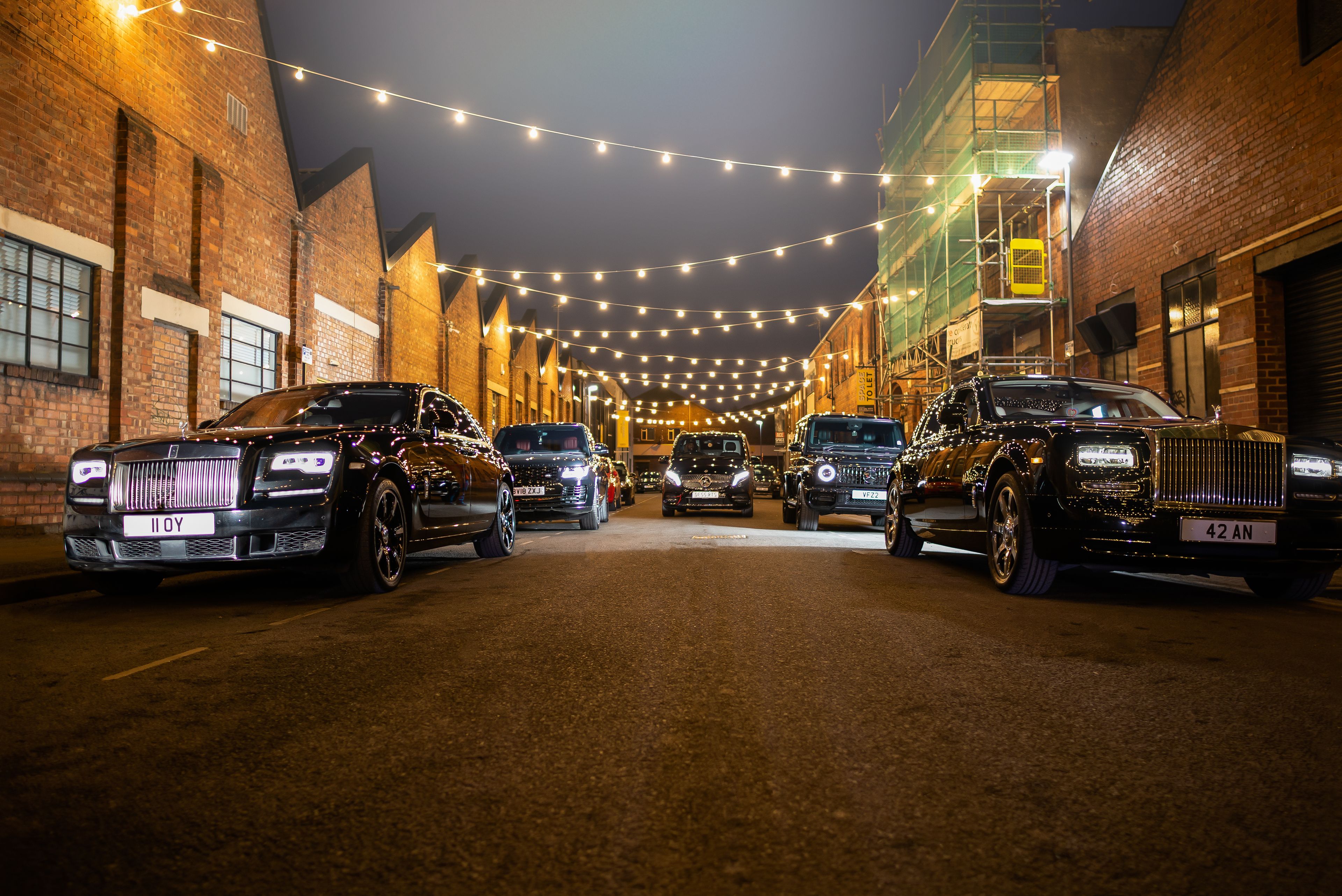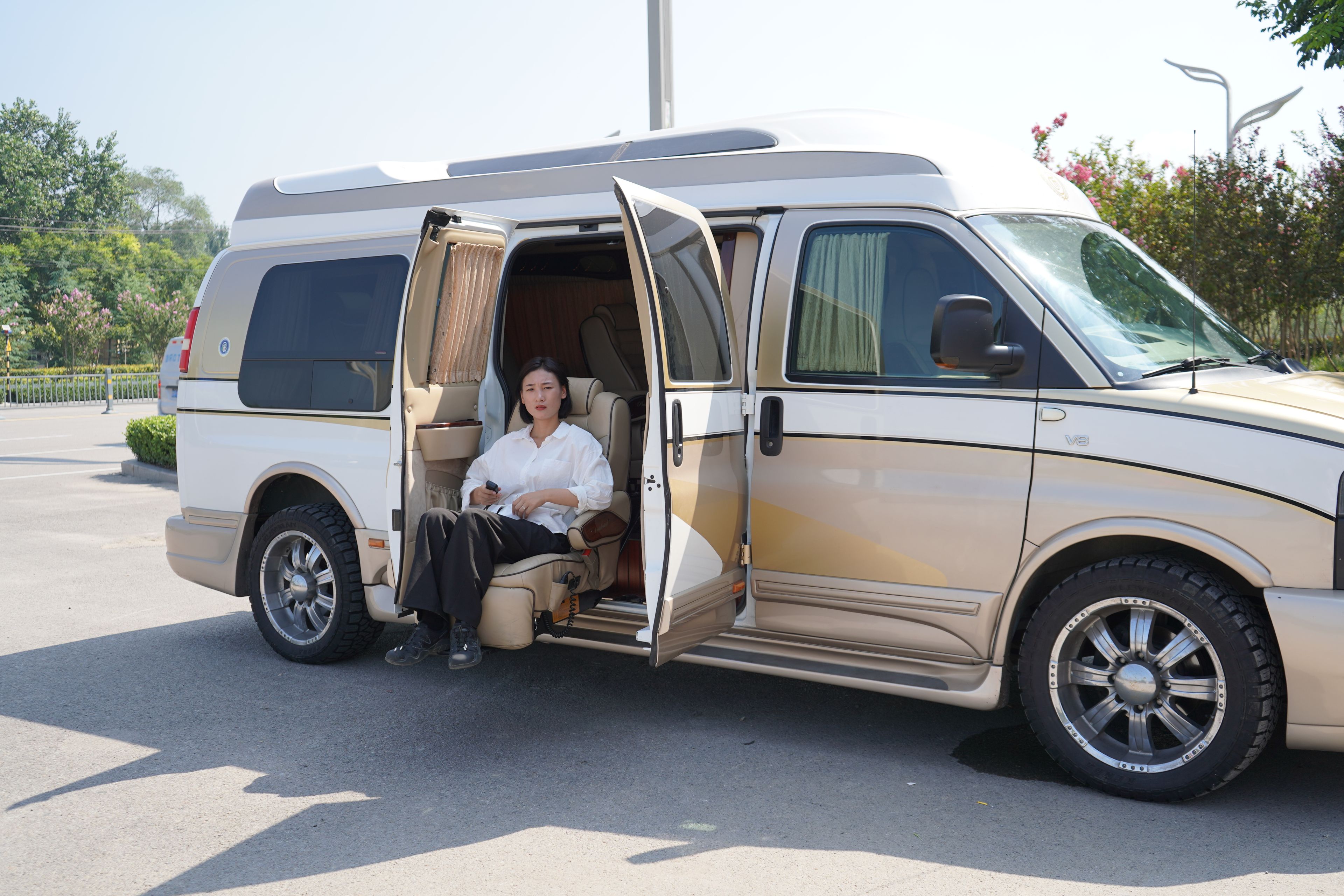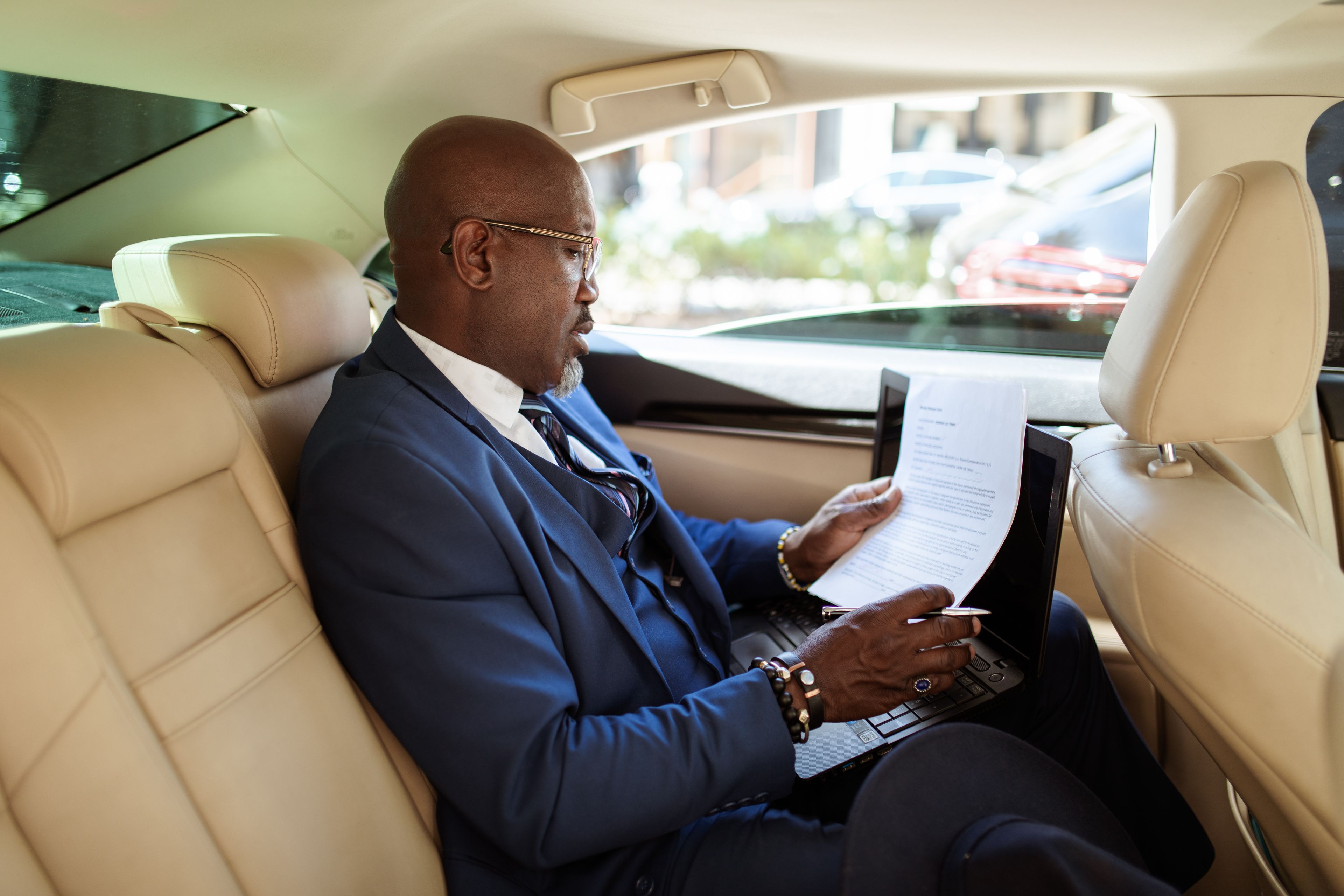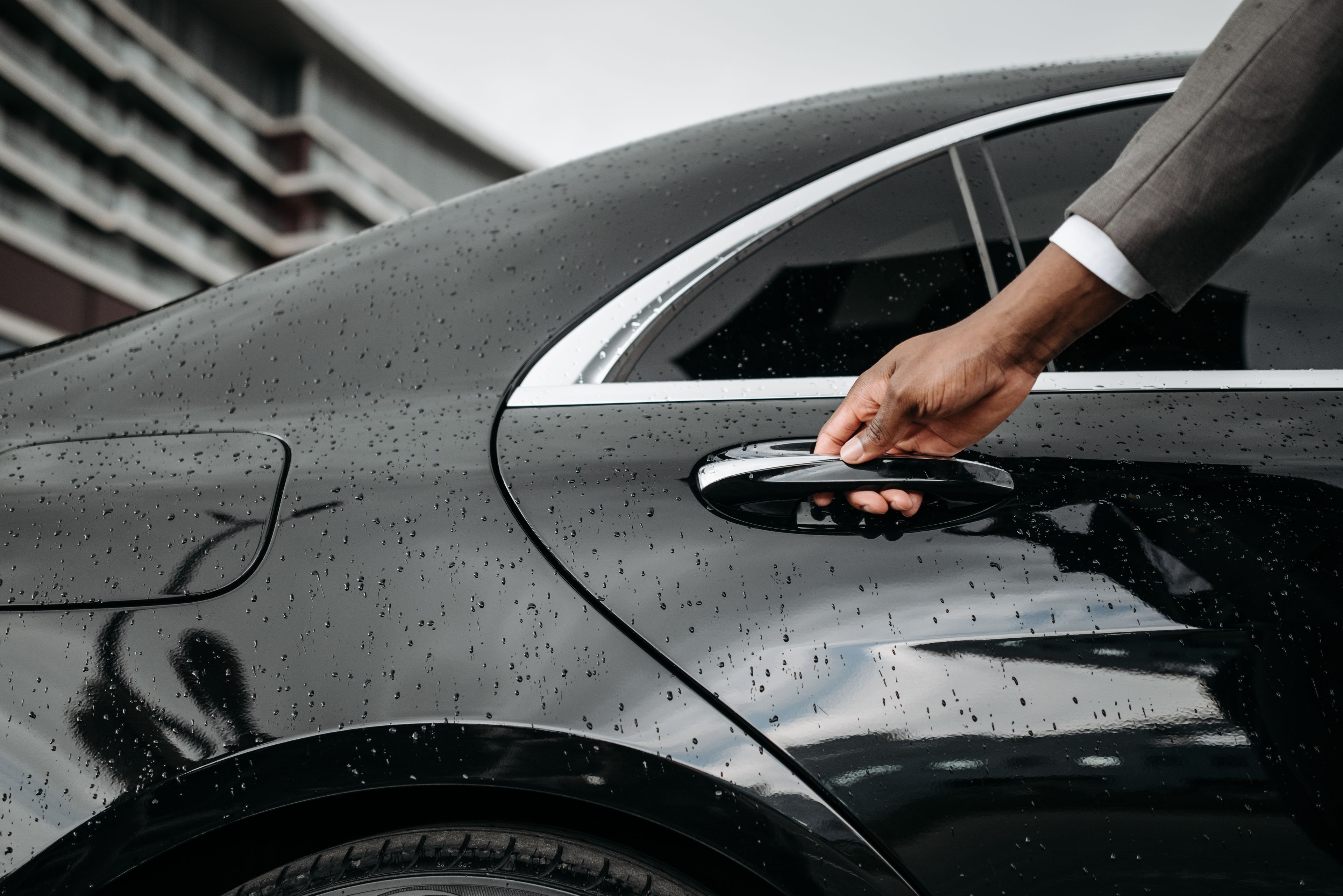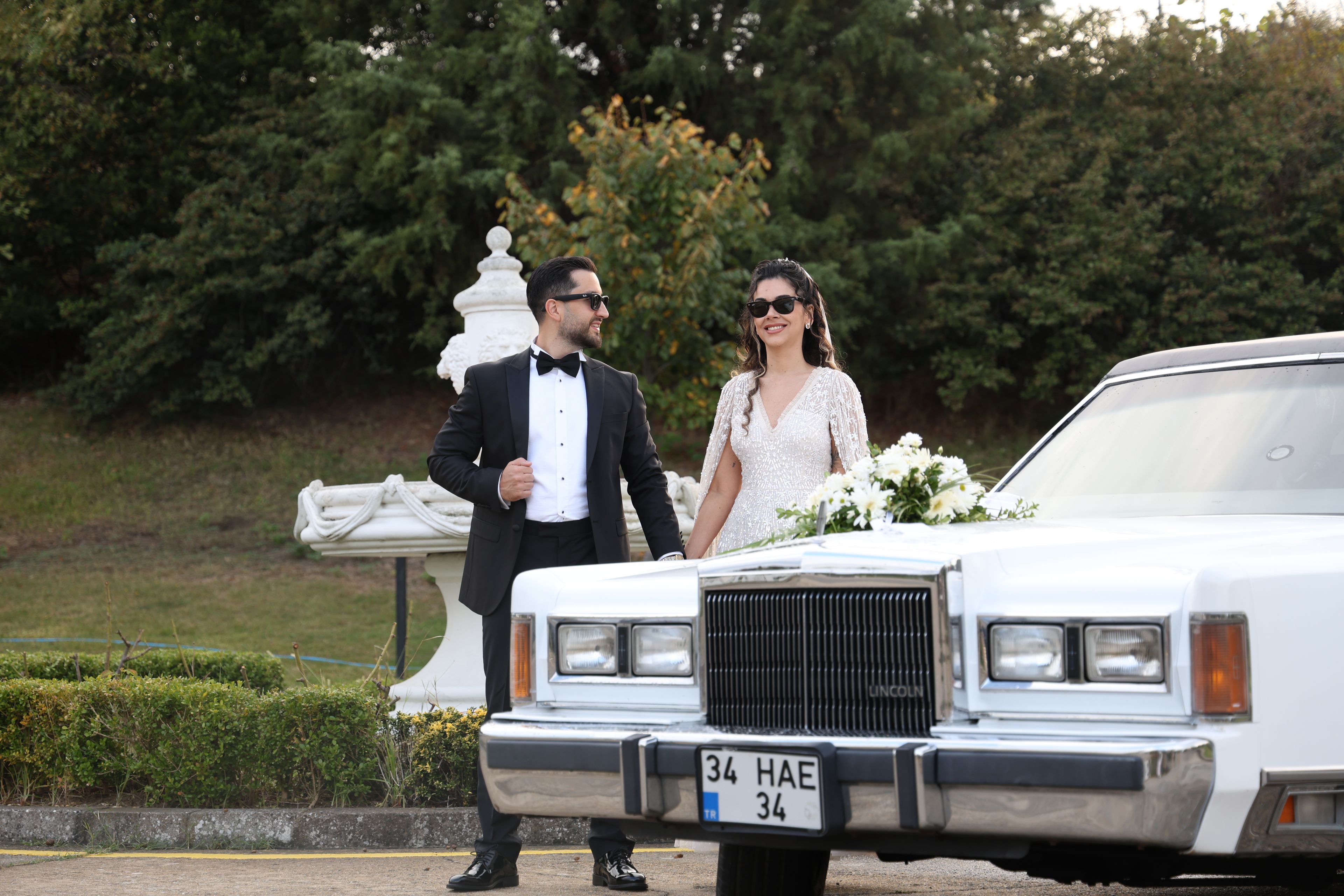





Almost everything that goes wrong on an event evening goes wrong at one of two moments: the set-down, when a road you expected to use has been closed since four o'clock, and the departure, when everybody wants a car at the same minute. An event chauffeur booking is designed around those two moments, and most of the work happens before the day.
This page describes what that work looks like from your side. It covers what we check, what we ask you to confirm, where the car will be while you are inside, and how the meeting point at the end is agreed so that nobody is standing in the dark describing a car park entrance to someone who cannot see it either.
Confirming the venue, not just the address
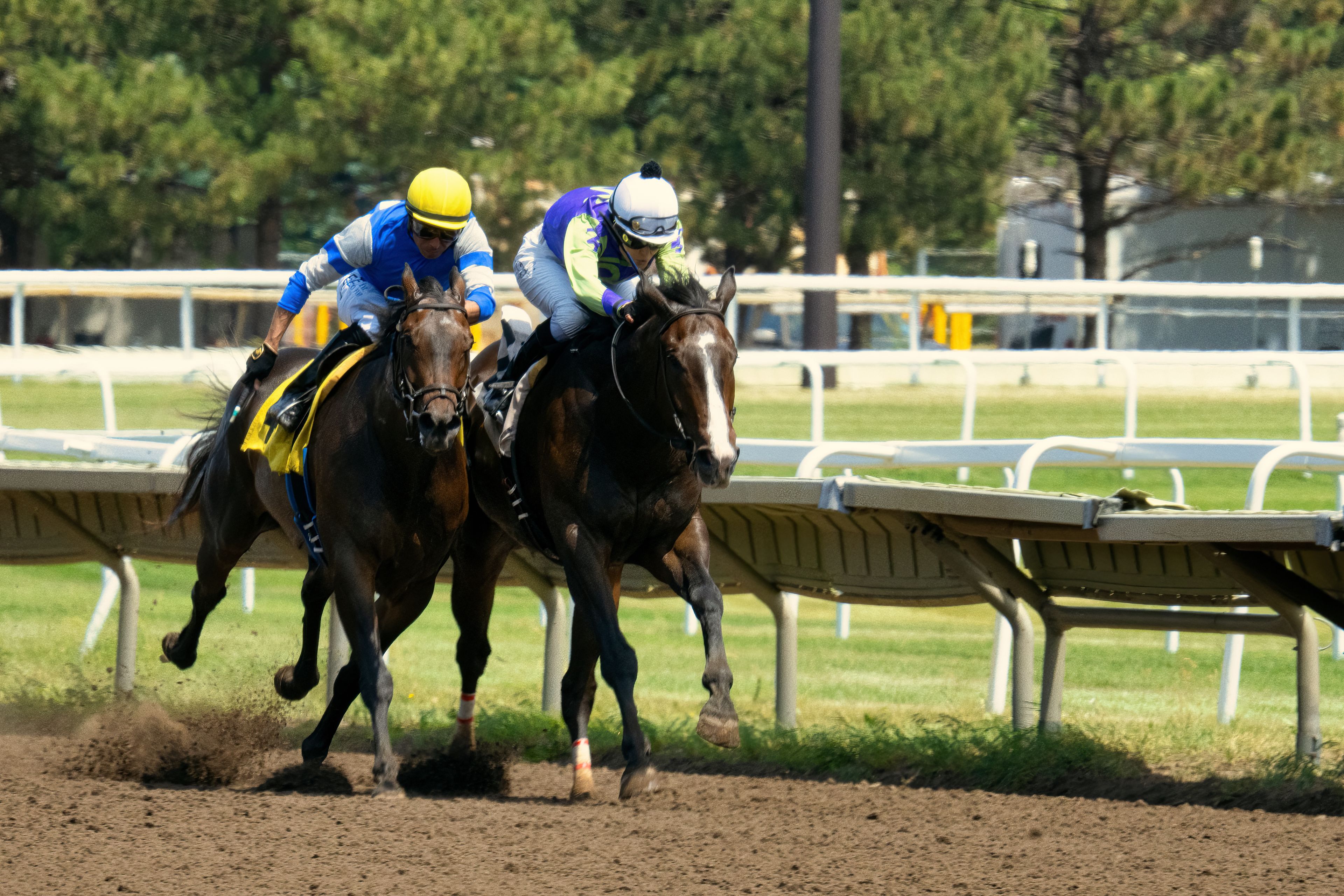
The first thing we ask for is the event rather than the postcode. Large venues run entirely different arrangements depending on what is on: a race meeting, a concert and a members' evening at the same racecourse can use three different gates and three different set-down points. Knowing the specific event and the date lets us check what applies rather than assume.
We also ask what time you need to be inside, not what time you would like to leave. A curtain, a first race or a seated dinner is a fixed point, and the whole evening is planned backwards from it with the road closures allowed for. If you have a ticket, a pass or a car park allocation with a code on it, send us a photograph of it, because those codes frequently determine which entrance the car may use.
- The event name and date, not only the venue address
- The time you need to be seated, not the time you would like to leave
- A photograph of any pass, ticket or car park allocation you hold
- How many are travelling, and whether from one address or several
- Whether anybody is in formal dress or will struggle with a long walk
- Any plans afterwards, since a late supper changes the whole arrangement
What the confirmation sets out
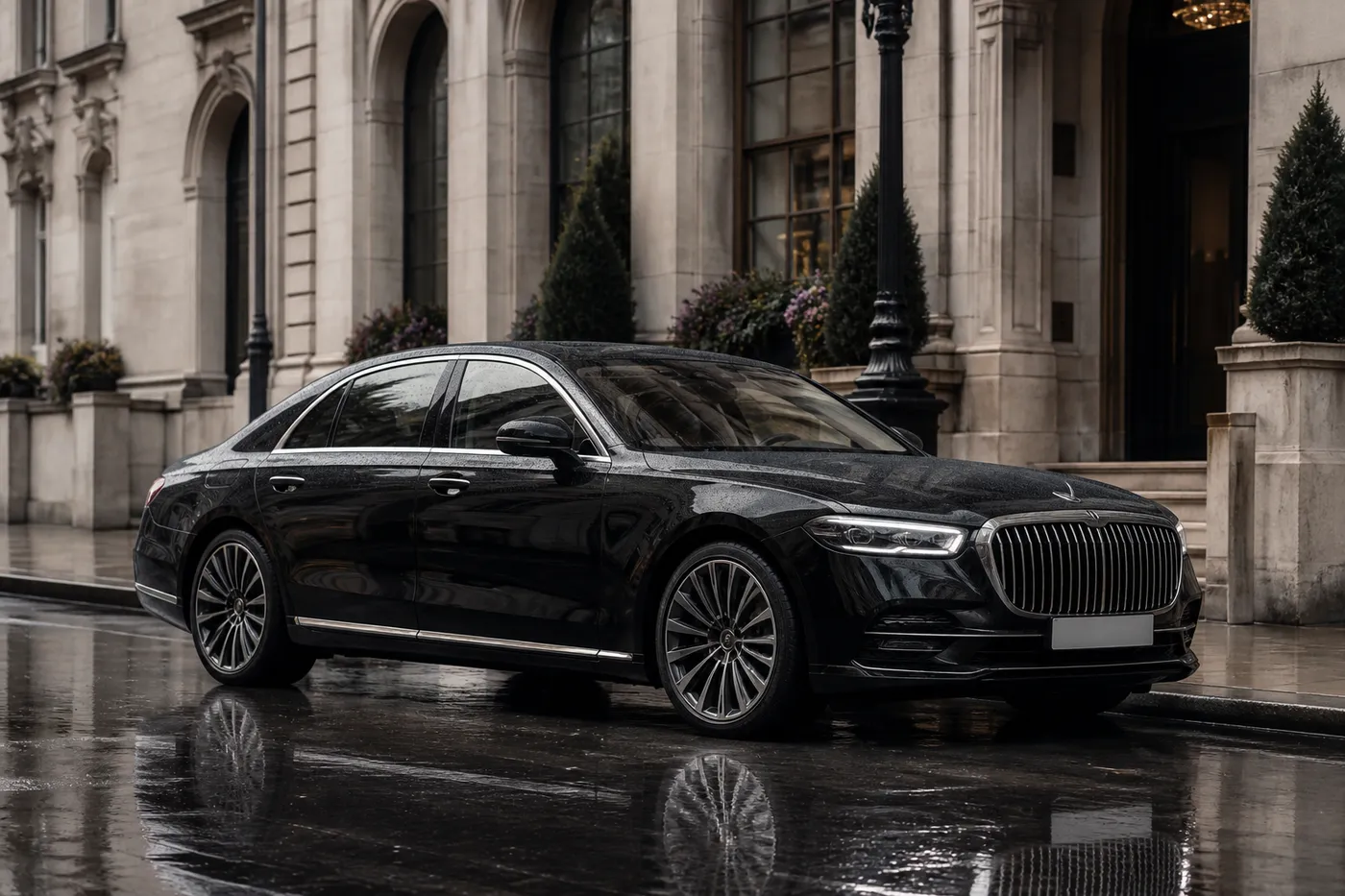
You receive the collection time and address, the vehicle class, the set-down point we intend to use, and the arrangement for the end of the evening in writing before anything is held. Where a venue publishes restrictions we will quote them rather than paraphrase, because the stewards on the night will be working to the published version and not to ours.
If several people are being collected from different addresses, the confirmation includes the running order and the time at each door. Everybody in the party gets it, which removes the usual round of messages on the night asking whether the car has been yet. Where the order does not quite work geographically, we will say so and propose a better one rather than driving an awkward loop in evening traffic.

The run in, and the last quarter mile
Your chauffeur builds in more margin than the journey needs, because event traffic is not ordinary traffic. Roads around a venue can be filtered, reversed or closed entirely from a fixed hour, and the queue for the final approach can add twenty minutes to a route that was clear a mile back. Leaving early is not caution; it is the only reliable way to arrive unhurried.
At the set-down, you will be put down as close to the entrance as the stewarding allows on the night. Sometimes that is at the door and sometimes it is a short walk away, and no chauffeur can promise otherwise because the decision belongs to the people directing traffic. What we can do is tell you in advance where that point is likely to be, so the shoes and the coat can be chosen accordingly.
Your chauffeur will not argue with a steward on your behalf. He will follow instructions, set you down where directed and move on, which is faster for you than a debate at a barrier and considerably better mannered. If the directed point turns out to be further from the entrance than expected, he will tell you what the walk involves before you get out of the car.
Where the car goes during the event
Within an hourly or full-day booking, the car stays with the evening. Your chauffeur parks where he can leave from easily rather than where he can be seen, which is usually a street or a car park slightly away from the venue with an exit that will not be blocked by the crowd. Coats, umbrellas, spare shoes and anything you do not want to carry can stay on the back seat.
He takes his own break during this period, and there is no need to think about it. If the event finishes earlier than expected, a message brings him round in a few minutes. Where a booking has been arranged as a separate drop-off and collection instead, he is released after the set-down and returns for the agreed time. Either shape works perfectly well; it simply changes what happens in the middle.
The collection, and the agreed meeting point
The meeting point is fixed in writing beforehand and is rarely the main gate. Immediately outside a large venue at the end is the worst place in the area to be waiting, because that is where the whole crowd is and where the traffic management is tightest. A point a few minutes' walk away, with a name you can find in the dark, gets you moving while everybody else is still queuing.
If the event overruns, and large events regularly do, send a message and the collection simply moves. Nothing about the arrangement depends on your finishing at the advertised time. If you finish early and want to go, the same applies in reverse. All that matters is that somebody tells the chauffeur, and a single line is enough to do it.
- A named landmark rather than a car park, which anybody can find in the dark
- A position chosen for its exit route, not its distance from the entrance
- The chauffeur's direct number sent with your confirmation, if you want it
- An agreed fallback point if the first is closed off on the night
- Coats and bags left in the car, so nothing goes into the cloakroom queue
- Flexibility on the time, with a message all that is needed to change it
What sits outside the evening
A few requests come up on event nights that a chauffeur cannot help with, and it is easier to know now. He cannot obtain, hold or upgrade tickets, and he has no standing with the venue to negotiate access on your behalf. He is not security, and where an evening genuinely needs that, it should be arranged properly through a specialist firm rather than improvised.
There are also limits on the night itself. Passenger numbers cannot exceed the legal capacity of the vehicle, however short the journey home, and legal driving hours apply to an evening that has already followed a full day. Where an event is likely to finish very late after an early start, we will raise it when you book rather than at midnight.