



A tour is the longest relationship most people have with a chauffeur, and it is the only version of this service where you will eat, sleep and change your mind several times without the arrangement ending. Over four or five days the driving becomes almost incidental and the planning becomes the thing that decides whether the trip felt generous or rushed.
This page follows a tour from the first vague list of places through to the last morning. It covers what we ask, what comes back, how the days settle into a rhythm, and the practical matters that only arise on multi-day trips: overnight arrangements for the chauffeur, rest requirements, and what happens when a road or a house is closed on the day you planned to be there.
Turning a list of places into a route
Nearly every tour enquiry starts as a list. The Cotswolds, Bath, maybe Stonehenge, and somebody has mentioned Wales. That is a perfectly good beginning, and the job from there is to work out what fits, in what order, at a pace that leaves time to actually be somewhere rather than only to arrive there.
The honest answer is usually fewer places than the list contains. Distances in Britain look small and drive long, particularly once you leave the motorway network, and an itinerary that sounds reasonable on a map produces four hours in the car every day. We will say when a plan is too ambitious, and we would rather do it now than have you discover it on day two.
What comes back before you commit
You receive a day-by-day outline with realistic driving times against each leg, a suggested vehicle for the roads involved, and a note of where the plan is tight. It also sets out the practical elements that are easy to miss on a multi-day trip: overnight arrangements for the chauffeur, the days that are long enough to need a later start the following morning, and anything the driving-hours rules affect.
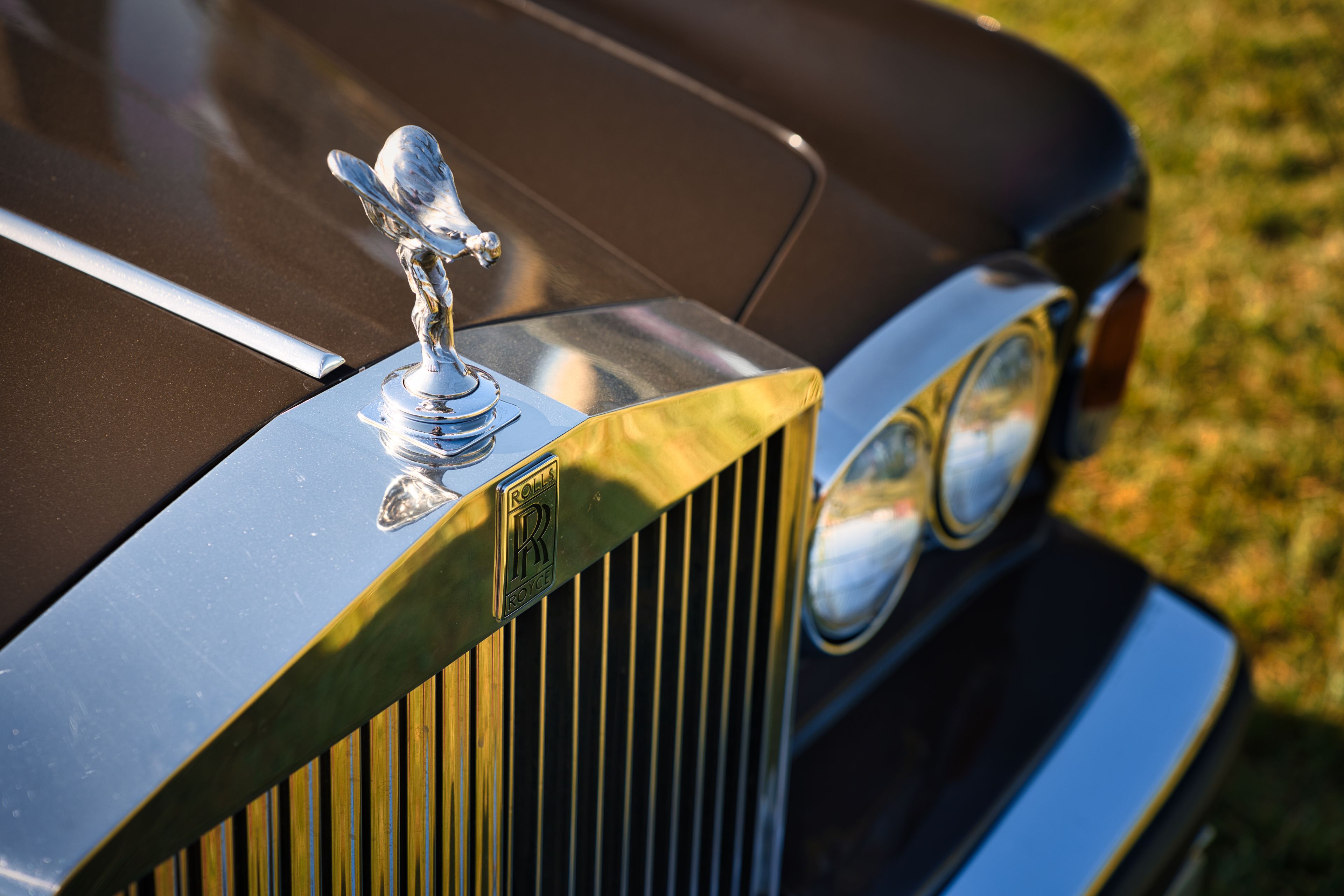
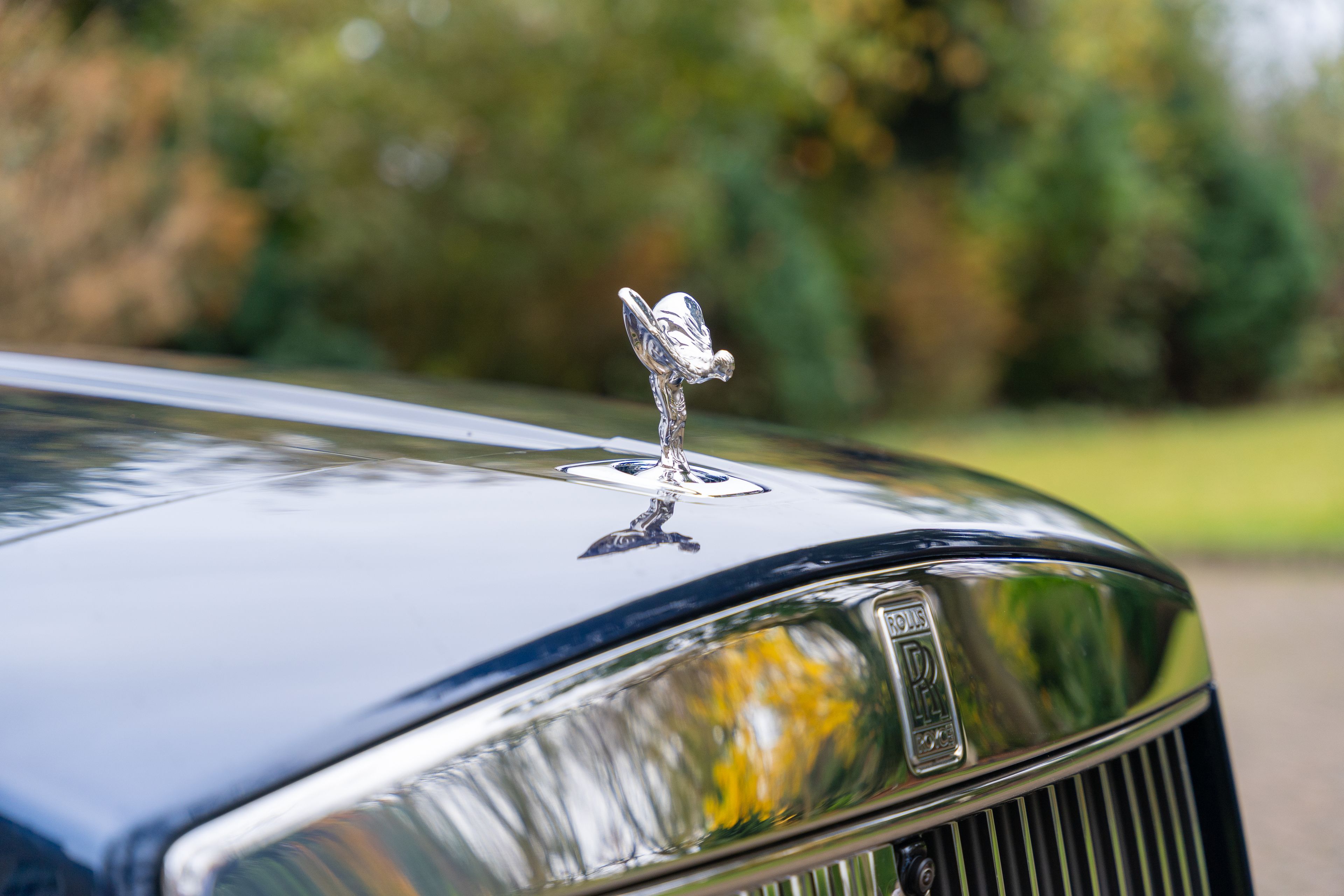
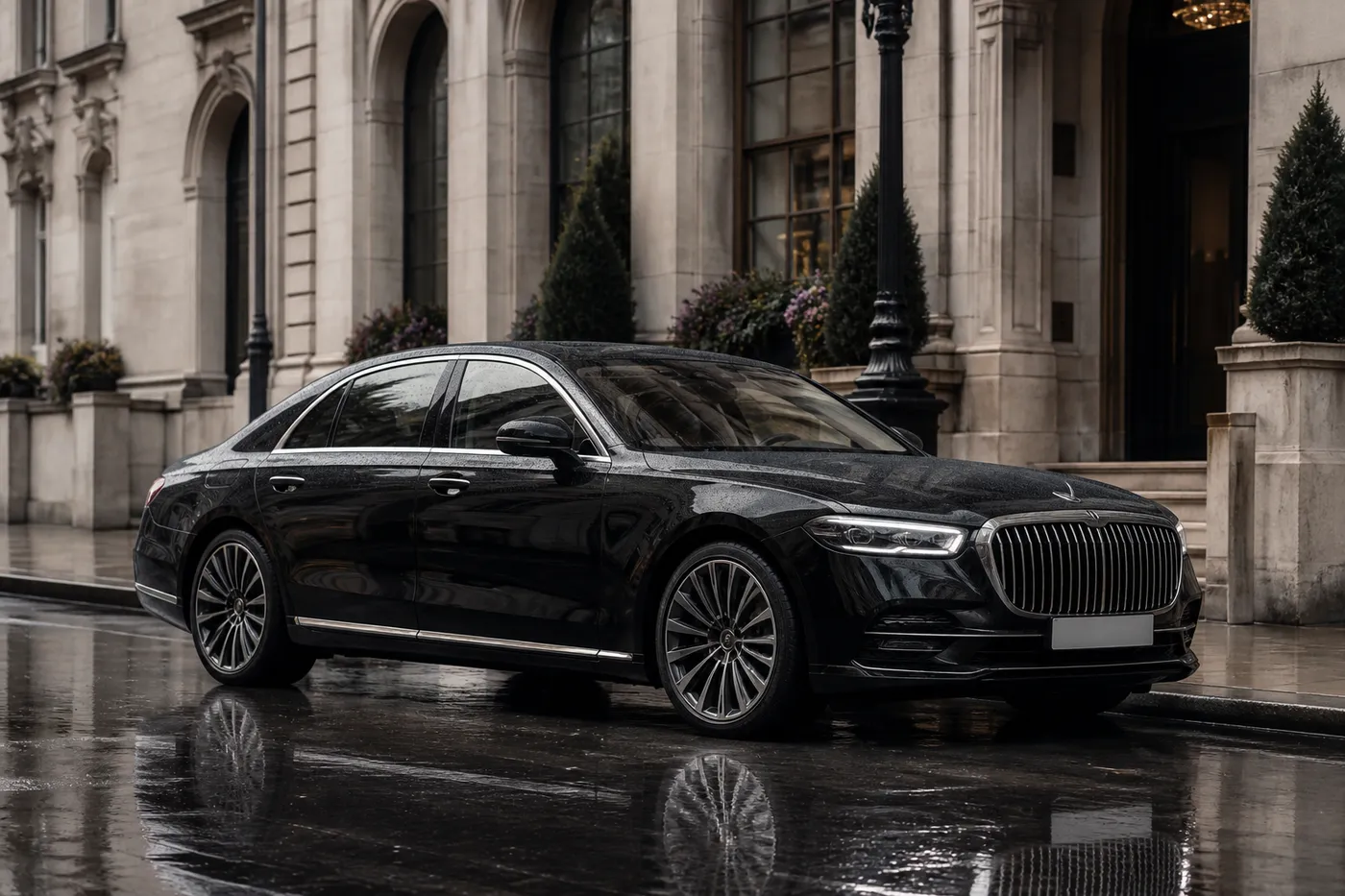
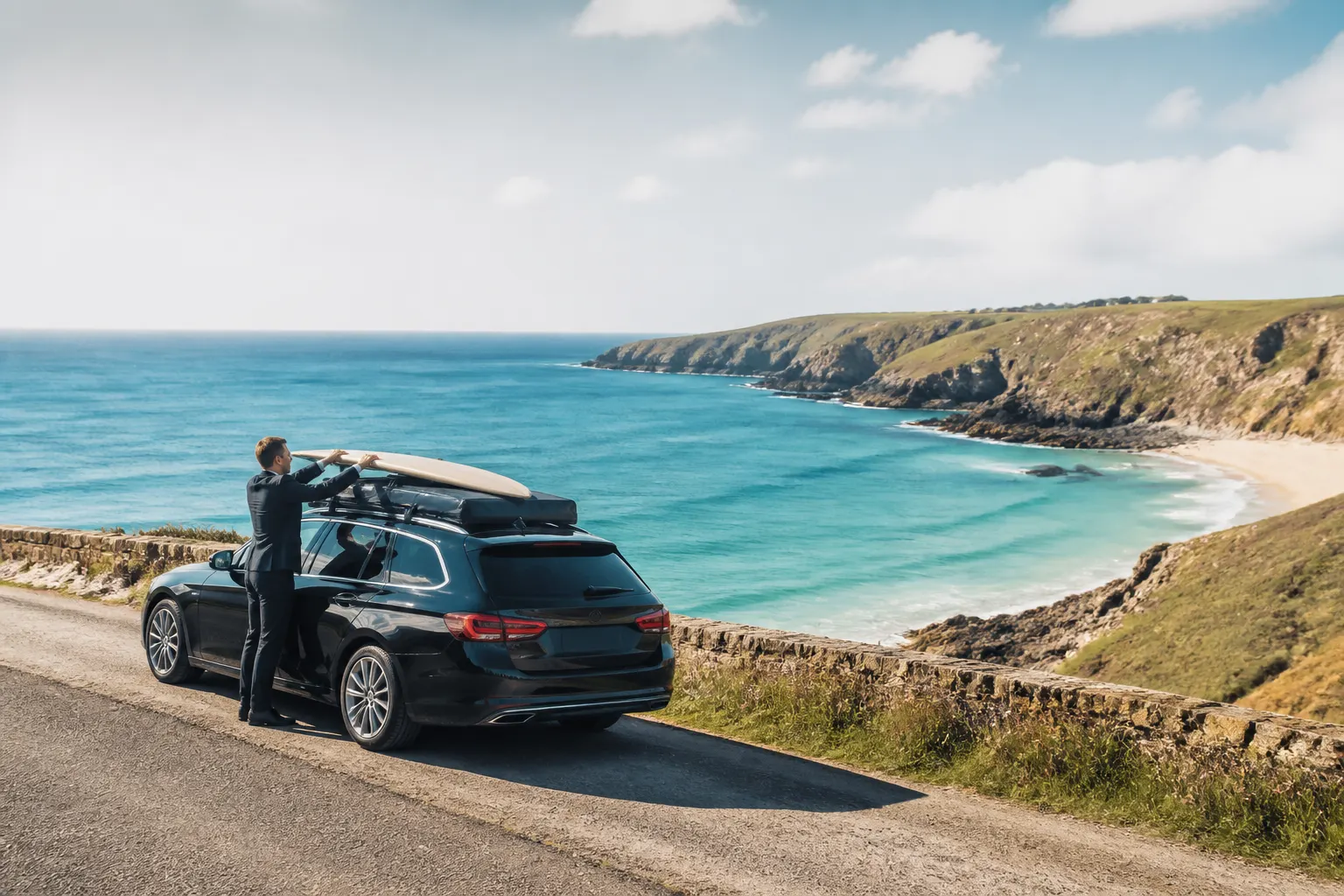
Vehicles come from our own cars and from a vetted network of professional chauffeur operators, so the outline describes a class matched to the roads rather than a specific registration. For single-track lanes, Highland routes and winter weather, a Range Rover or a Defender is the sensible recommendation, and the higher seating position genuinely improves what you see over hedgerows. Where a route stays on main roads, a saloon is quieter and more restful.
Day one, and how the rhythm settles
The first morning is always slightly formal and by lunchtime it is not. Preferences establish themselves quickly: how warm the cabin should be, whether music is wanted, how often somebody needs to stop, and whether the party talks in the car or watches out of the window. By the second day none of it needs saying.
Departure times tend to move earlier or later after day one, once everybody has discovered what kind of traveller they are. That is expected rather than a change to the plan. A tour that starts at nine on Monday and half past ten by Wednesday is a tour that has worked out its own pace, which is the point.
Luggage stays in the car between hotels. Cases come out at each stop and go back in each morning, and nothing is carried between a car park and a reception by anybody who does not want to.
Where the chauffeur stays, and why it matters
On overnight tours the chauffeur needs accommodation, and it is arranged separately and quoted transparently as part of the total rather than appearing afterwards as a surprise. Where your hotel has suitable rooms and you would prefer him close by, that can often be arranged; otherwise he stays nearby.
This matters for a practical reason as much as a courteous one. Driving-hours rules require genuine rest between long days, and a chauffeur who has been given a proper night is a considerably better one on day four. Where an itinerary threatens that, we plan a lighter day or a later start into the schedule rather than treating rest as optional.
Houses, admissions and timed entry
Entry tickets are yours to arrange rather than ours. Country houses, castles, cathedrals and gardens increasingly use timed entry, and several of the most popular have limited opening days that catch visitors out. Booking those yourself, well in advance, is the only reliable approach on a fixed itinerary.
Your chauffeur is a professional driver rather than a licensed tour guide, and he will not be described otherwise. He knows the roads, the parking, which entrance is nearest and how long the walk from the car park actually is, all of which is useful. For interpretation inside a property, engage a guide or use the property's own, and we will simply drive.
- Check opening days carefully, since many houses close early in the week
- Book timed entry yourself for the popular sites, well before the trip
- Allow for the walk from car park to entrance at large estates
- Tell us your booked times so the driving is planned around them
- Leave at least one afternoon in the itinerary genuinely unplanned
- Ask about seasonal closures if you are travelling outside summer
When the plan has to change
Something always shifts on a tour of any length. A road closes, a house turns out to be shut for a private event, weather makes a mountain pass pointless, or the party simply falls in love with somewhere and wants an extra night. All of this is normal and none of it needs to unravel the trip.
Changes are handled by conversation rather than by rebooking. If the alteration affects distances substantially or extends the trip, we tell you where it stands before anything is committed. Where a proposed change would push the days past what the driving-hours rules allow, we will say so and offer a version that works instead, which usually means moving something rather than losing it.