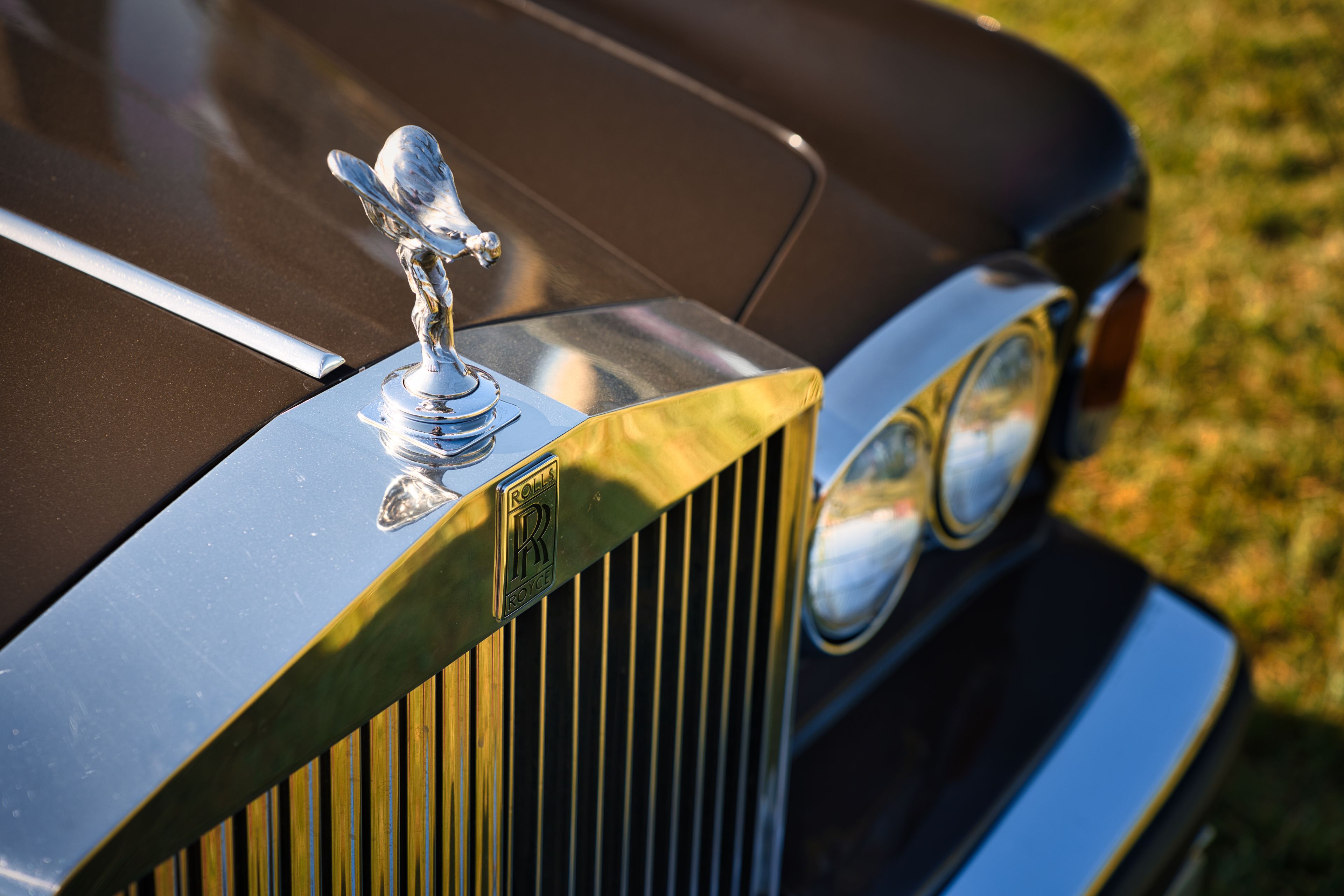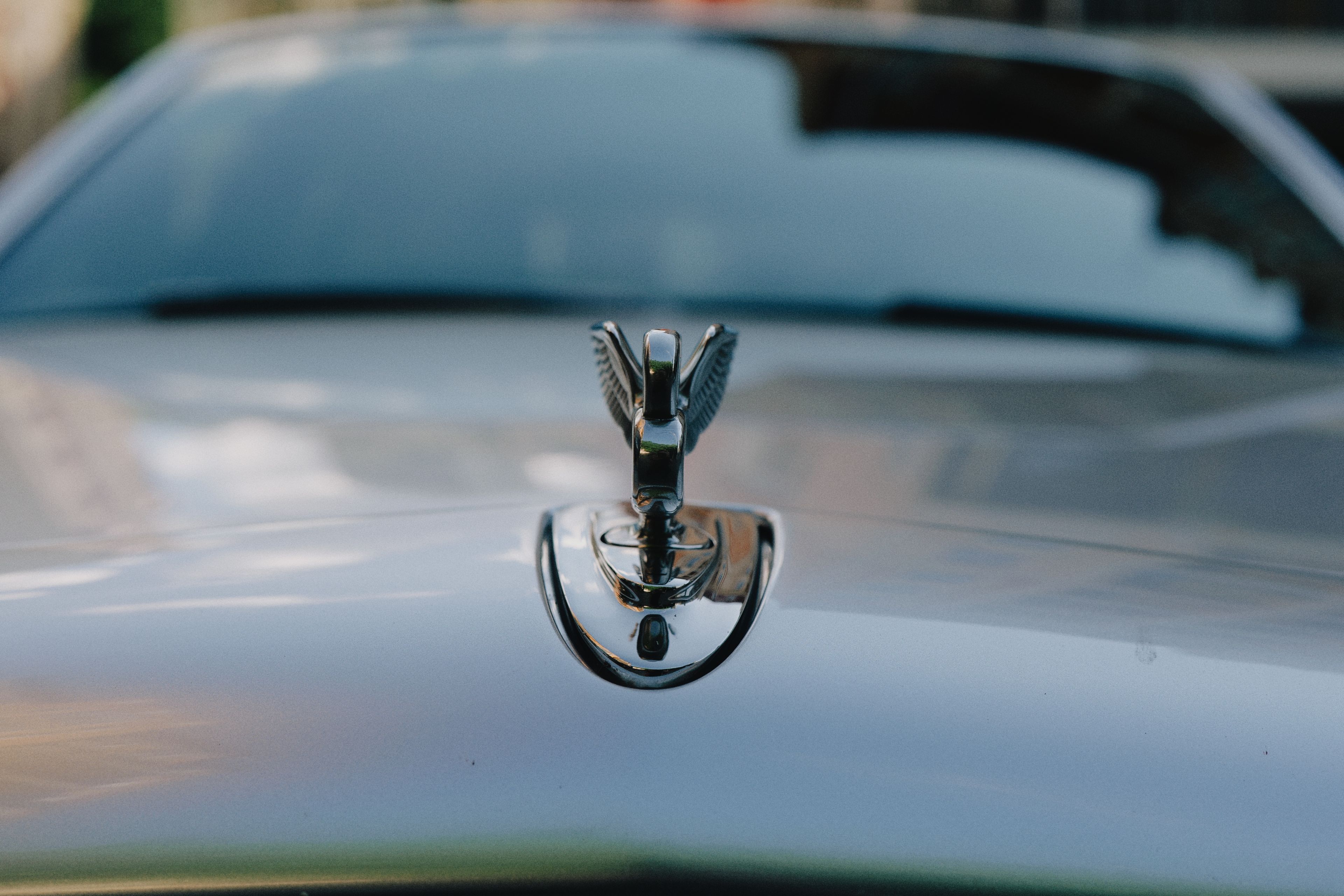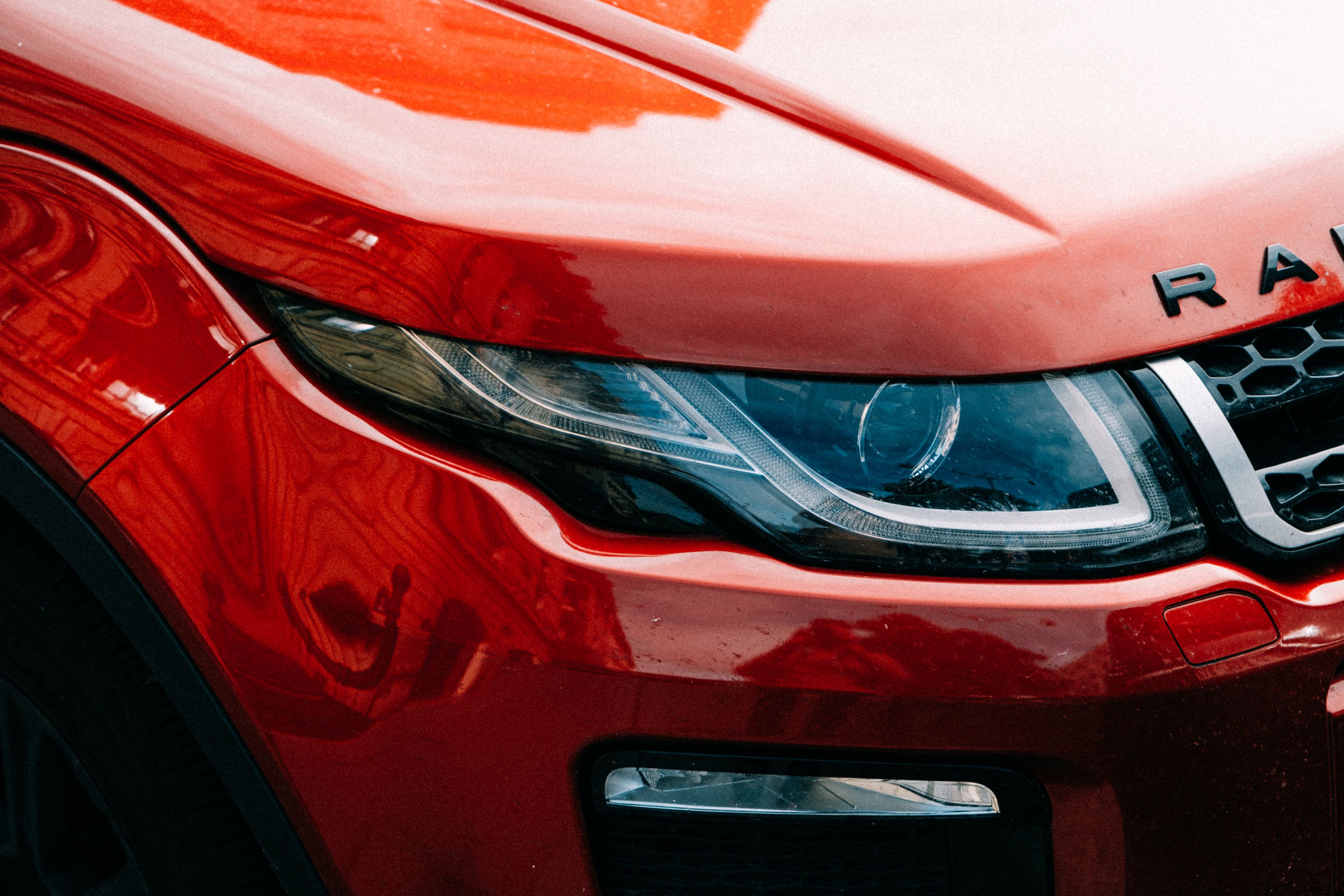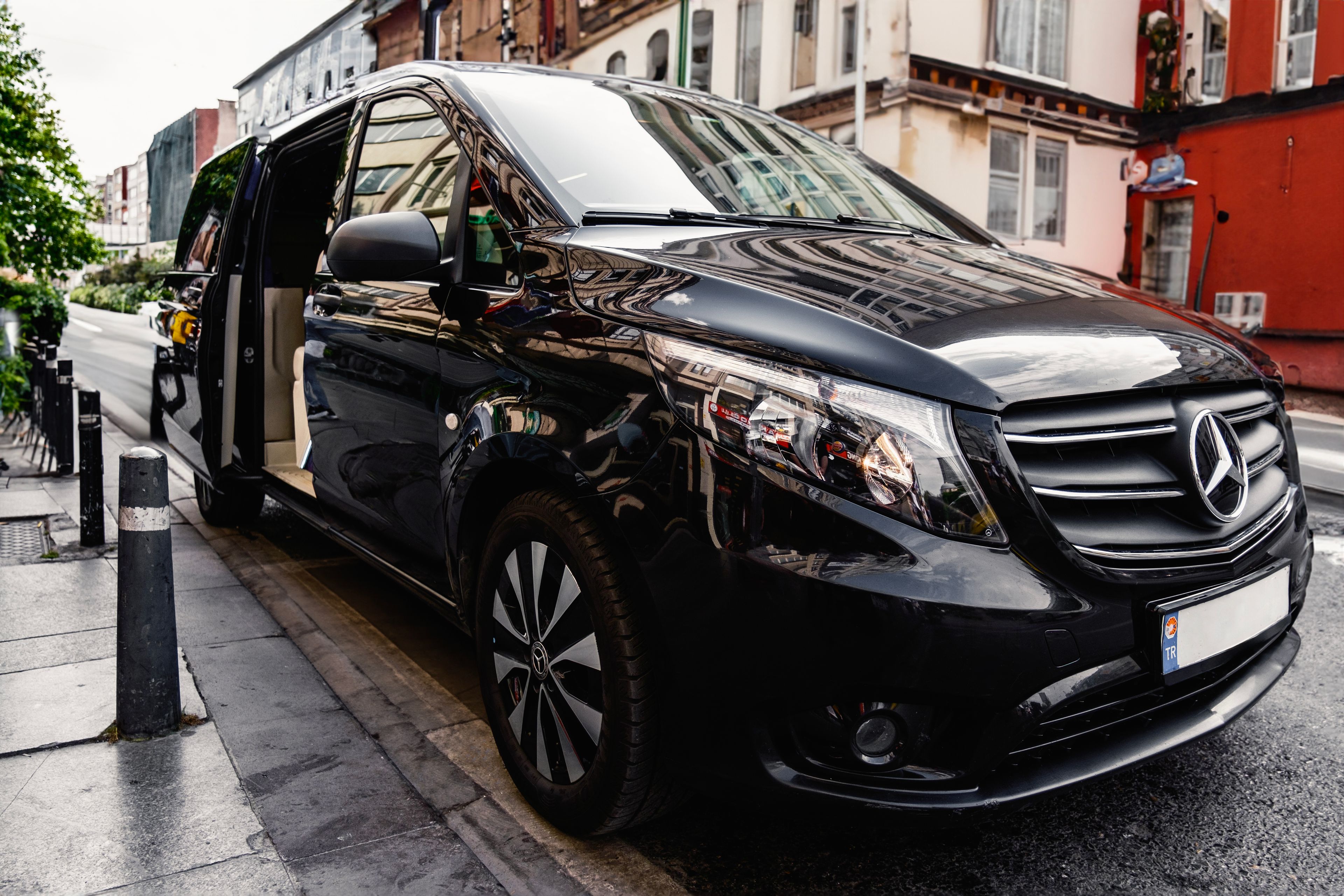

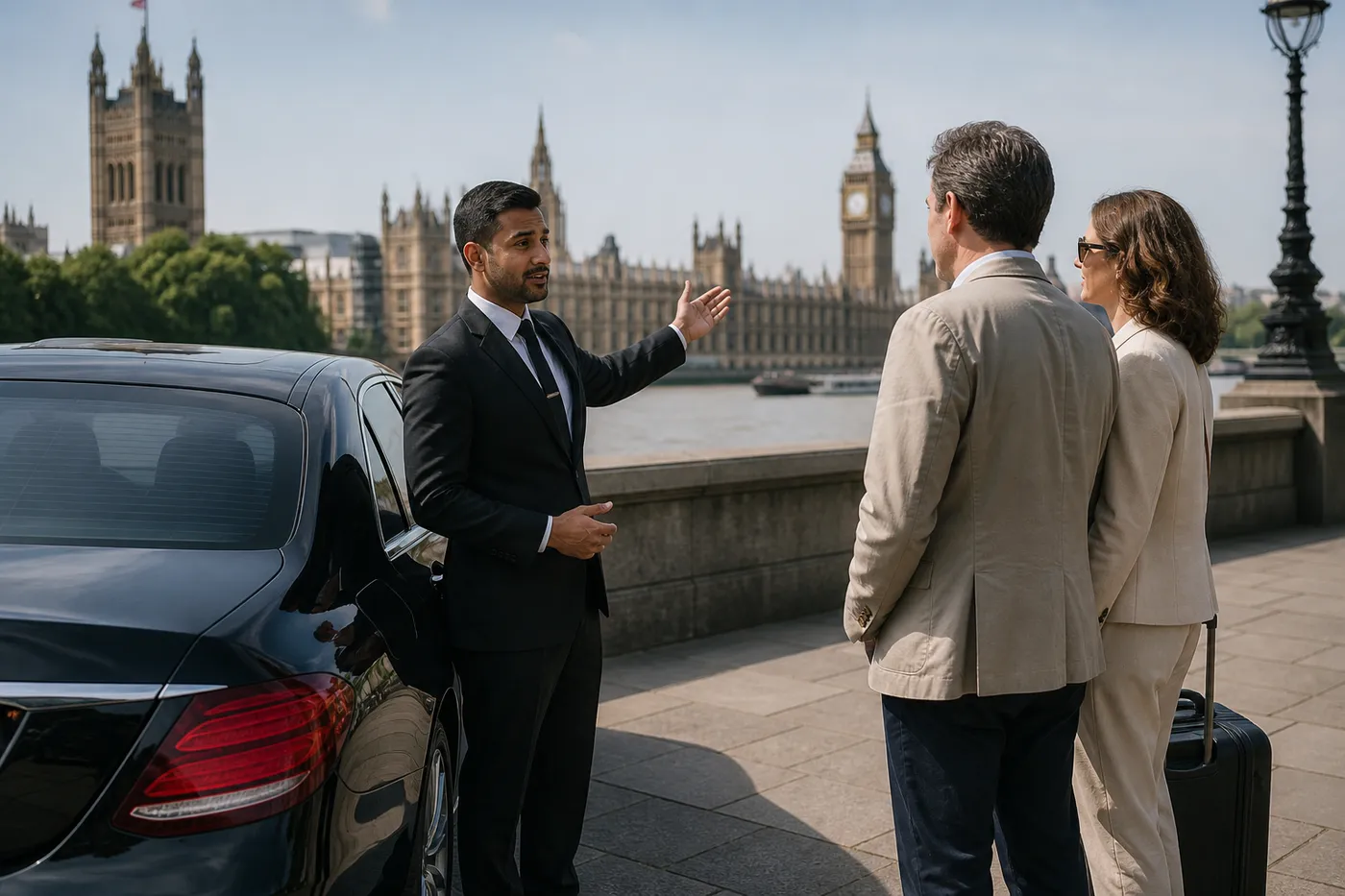
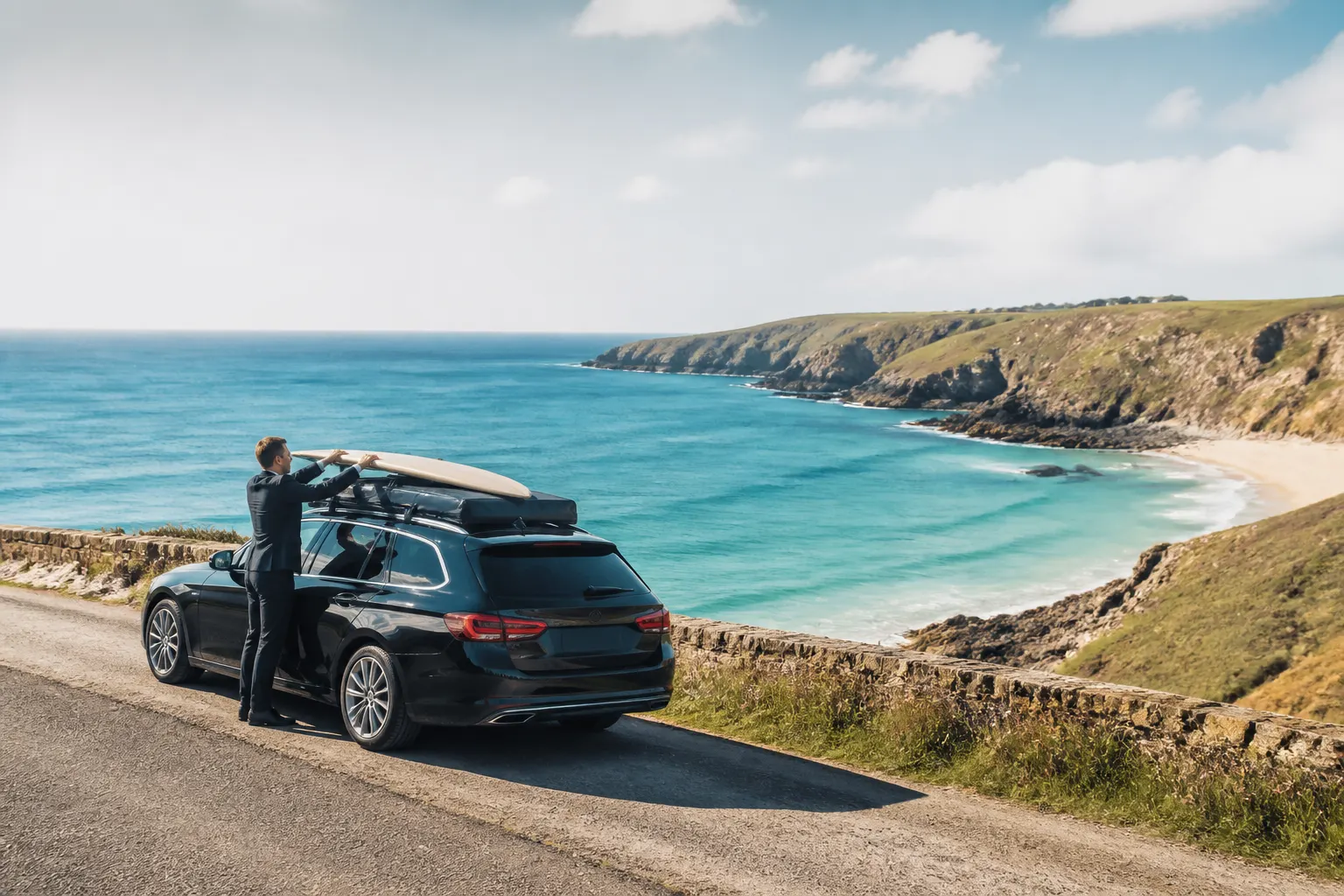


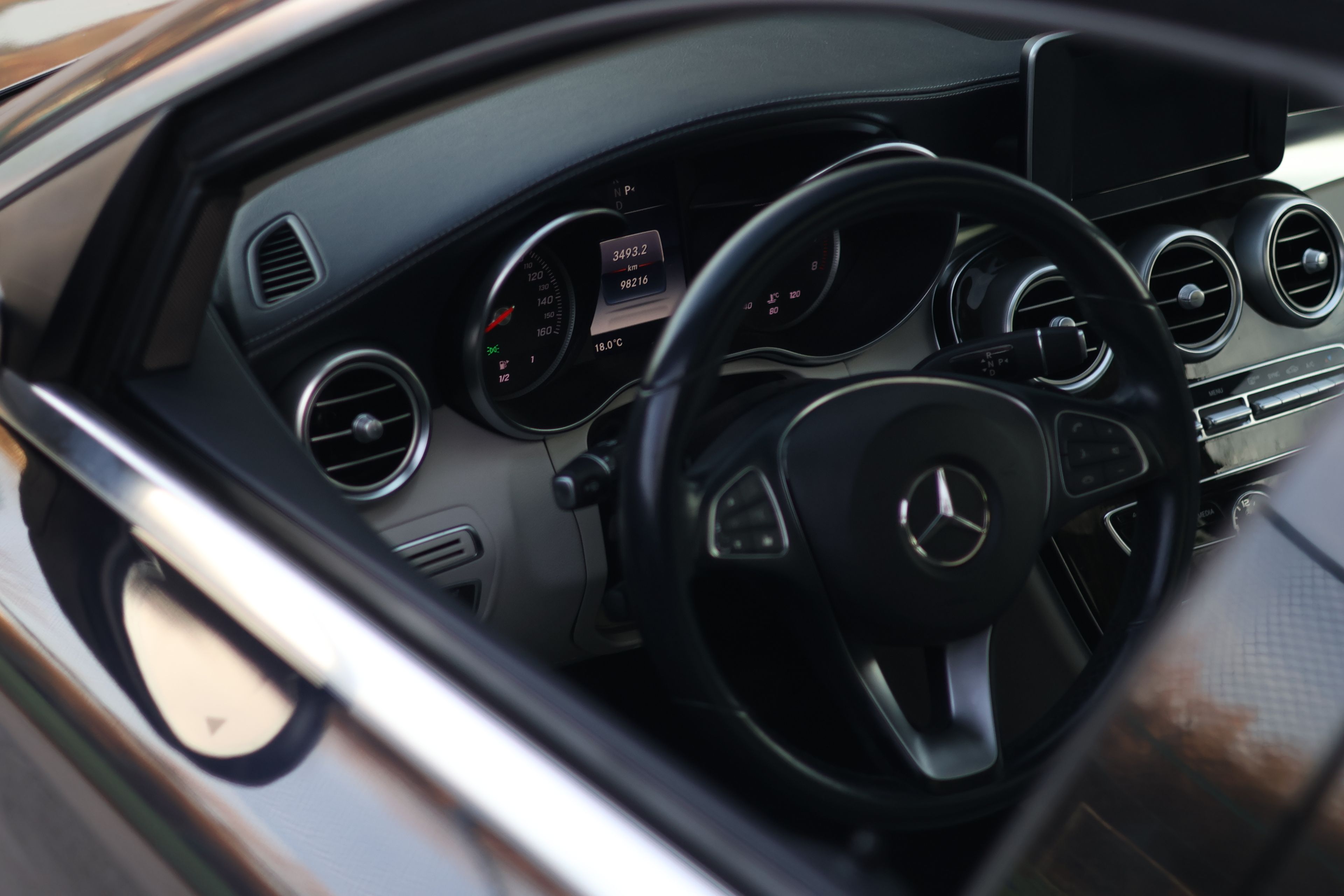
A wedding car is the only vehicle most people book years in advance and think about for months afterwards. It appears in the photographs, it carries the person everybody is waiting for, and it is the one part of the day that has to be exactly on time while everything around it drifts gently late. That combination makes it a slightly different job from any other chauffeur booking.
This page sets out what the arrangement involves on your side and ours, in the order it actually happens. It is written for whoever is doing the organising, which may be the couple, a parent, a planner or the friend who volunteered and now regrets it. Nothing here assumes you have done this before, and where a decision is genuinely yours to make rather than ours, that is said plainly.
The conversation that starts months out
Wedding enquiries usually arrive long before anything else is fixed, often with only a date and a rough location. That is enough to begin. What we need first is the ceremony time, because everything on the day is calculated backwards from it, and the addresses of the places involved even if one of them is still provisional. A provisional venue is far more useful to us than no venue at all.
The second question is about the party rather than the couple. How many people need moving, from how many addresses, and in which direction at each stage. Most weddings need more movements than the couple initially count: parents to the church, the bridal party, a guest run between ceremony and reception, and a departure at the end. Listing them early is what stops a second car being needed at short notice.
Choosing the car, and what can be promised
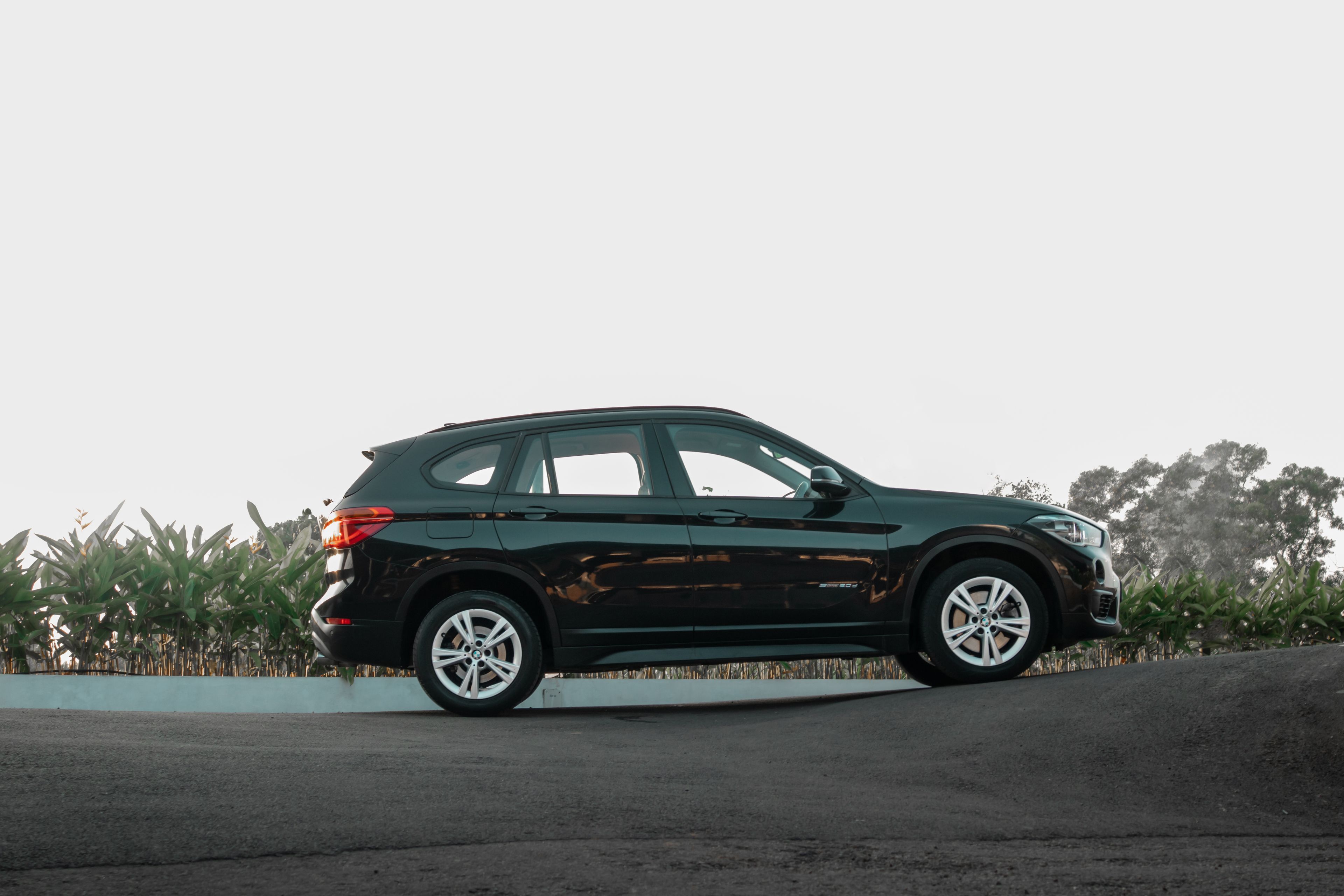
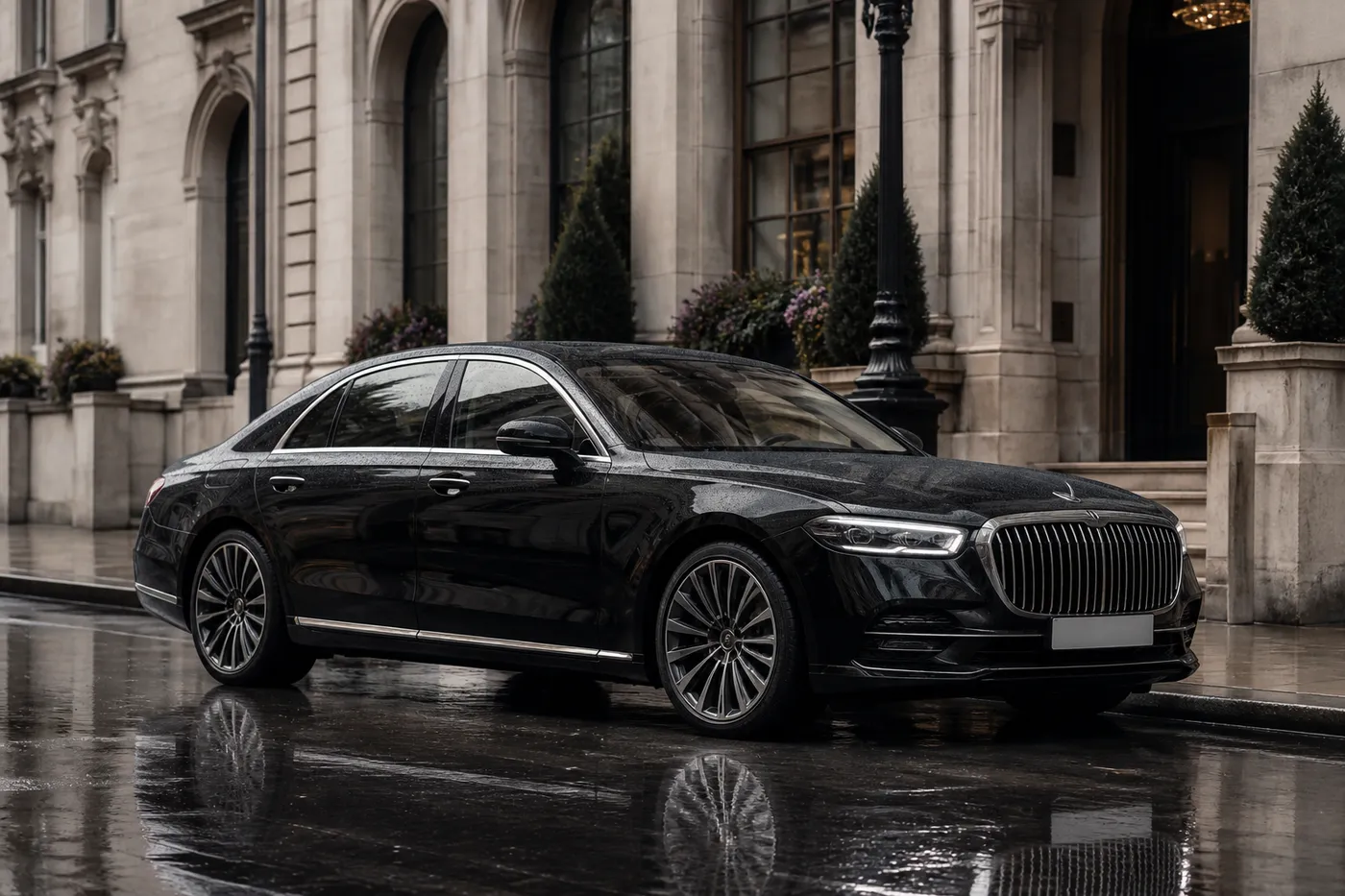
The honest position on wedding cars is that specific model, colour and specification are subject to availability and are confirmed at booking. Cars are drawn from our own vehicles and from a vetted network of professional chauffeur operators, and a particular car on a particular Saturday in July is not something anyone should promise casually. What we will do is tell you plainly what can be held for your date and what cannot.
Beyond the badge, the practical considerations are the ones that matter on the day. Rear door aperture and seat height decide how easy it is to get into the car in a full skirt. Interior colour appears in every photograph taken through the window. Roof height matters more than people expect once a veil and a headpiece are involved. Tell us about the dress and the answer to which car usually becomes obvious.

Rehearsing the route before the day
Where the geography allows, the route is driven in advance, ideally at the same time of day and on the same day of the week. That is how you discover the market that closes the high street on Saturday mornings, the gravel drive that needs to be taken slowly, and the fact that the obvious gate to the church is locked and the usable one is round the back.
We also agree exactly where the car will stand at the house. That sounds trivial until you consider that photographs are taken there, that the car has to be positioned so the door opens onto something other than a hedge, and that a village lane with cars on both sides may need somebody to move theirs. Settling it beforehand is a five-minute conversation; settling it on the morning is not.
The morning itself
Your chauffeur arrives well before the stated time and then does very little, deliberately. He will make himself known to whoever is coordinating, position the car, and wait. He will not hurry anybody, and he will not appear at the door to ask whether you are ready. If ribbons in your colour have been arranged, they go on at this point and are checked before the car moves.
Getting into the car takes longer than anyone estimates, and the timings already allow for it. He will hold the door, hold an umbrella if it is that kind of morning, help with the train of a dress if invited to and stand back if not. Once you are in, the drive is deliberately gentle. There is no version of this day that improves by arriving three minutes earlier.
A short pause before the venue is standard practice rather than an affectation. It gives the photographer time to be in position, lets everybody breathe, and means the car arrives at the door at the moment it should rather than the moment it happens to. It is usually the last quiet minute anybody gets before the ceremony, and it is worth having.
Photographs, ribbons and the small courtesies
Your chauffeur steps out of every photograph without being asked. He will move the car for the photographer if that helps, angle it for the light if asked, and stand somewhere useful and invisible for the rest of the time. If a photographer wants a shot with the door open or the couple inside the car, he will make that easy.
Decoration stays restrained. Ribbons in a chosen colour are straightforward. Anything that could mark paintwork, obstruct the chauffeur's view or come loose at speed will be declined, politely and for obvious reasons. Flowers fixed to a bonnet, tied cans and anything adhesive all fall into that category. If you have something particular in mind, describe it when you book rather than producing it on the morning, and we will say honestly whether it can be fitted.
- Ribbons in your colour, fitted and checked before the car moves
- The chauffeur out of frame in every photograph, without being asked
- An umbrella held at both ends of the journey if the weather requires it
- A short pause before arrival so the photographer is in position
- Water and tissues in the cabin, which are used more often than you expect
- The car repositioned for photographs where the venue allows it
The rest of the day, and the departure
After the ceremony the shape varies. Some couples want twenty minutes alone in the car, which is one of the few quiet moments of the day and worth protecting. Others move straight to photographs at a second location. Guest runs between venues follow whatever order was agreed, with running times shared so nobody is left standing outside a church. Those times go to whoever is coordinating the day rather than only to the couple.
The evening departure is usually the last movement, and it is the one most often forgotten at the planning stage. If it is wanted, book it at the same time as everything else, because a car arriving at eleven at night for one short journey is a separate arrangement rather than an extension of the morning. Where the whole day is covered by one booking, we will tell you honestly whether one car and one chauffeur can genuinely do all of it, or whether the overlaps require two.
- Parents and close family to the ceremony venue
- The bridal party, often from a second address
- The bridal car itself, timed backwards from the ceremony
- A short run to a photography location after the ceremony
- A guest movement between ceremony and reception venues
- The couple's departure at the end of the evening