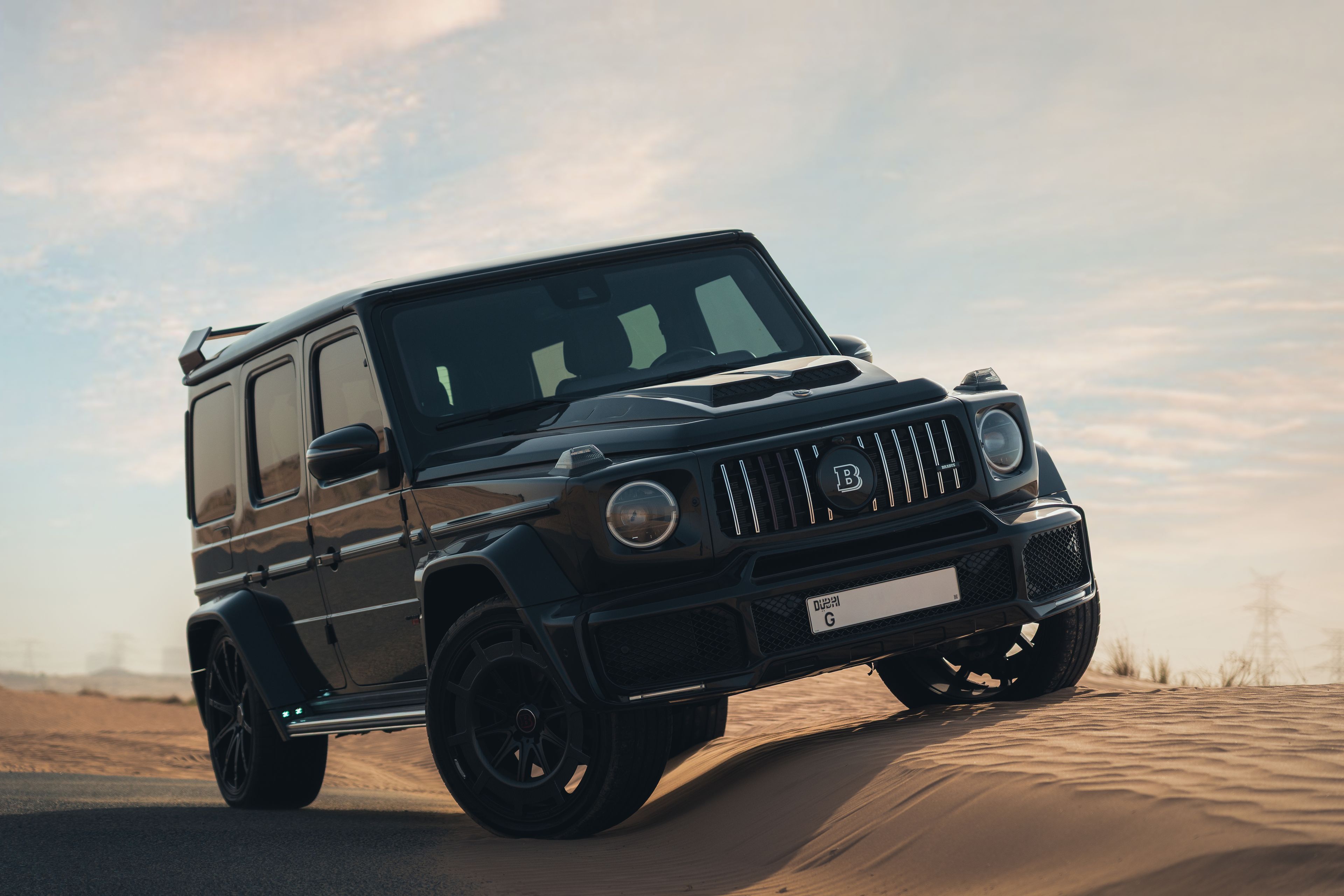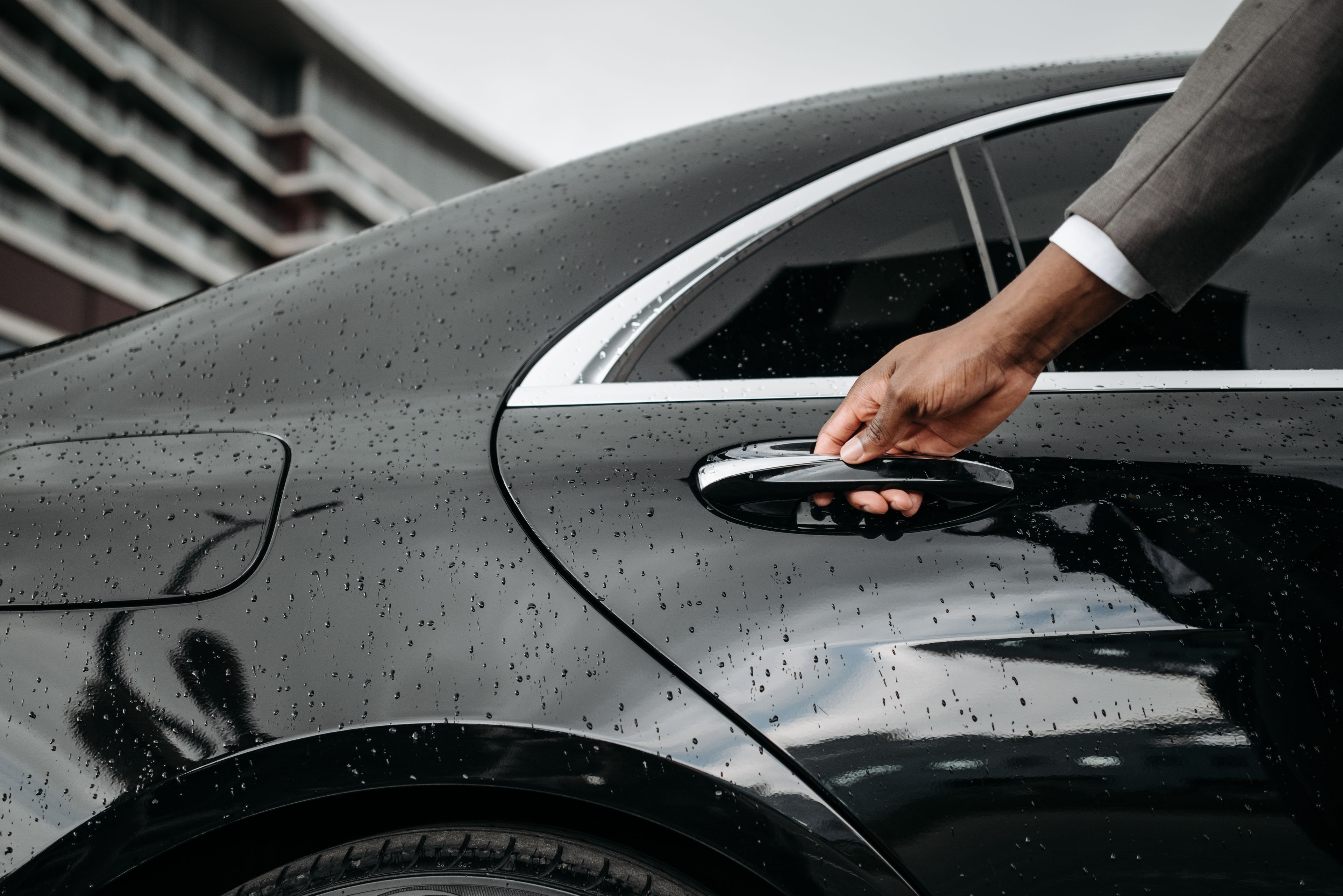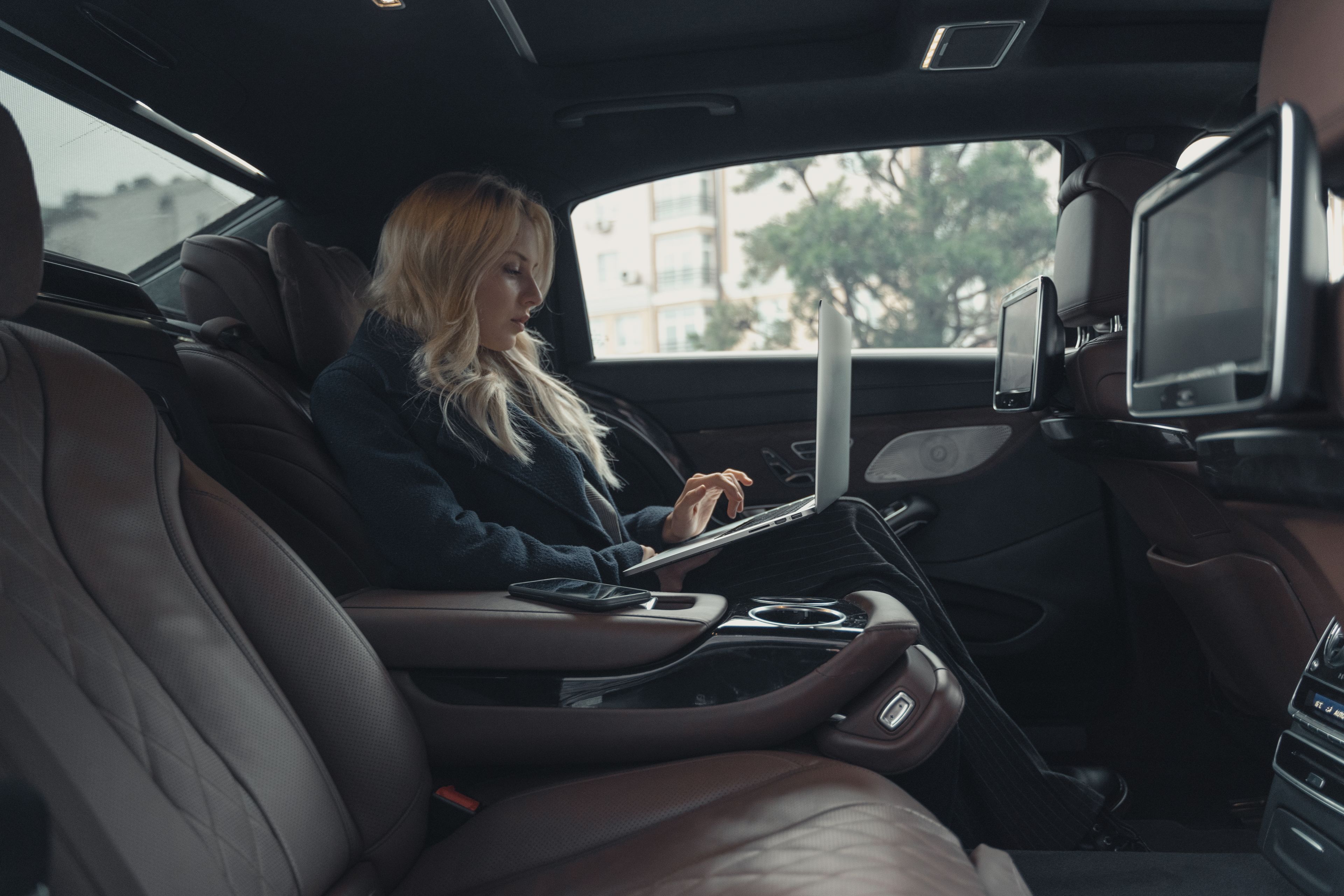

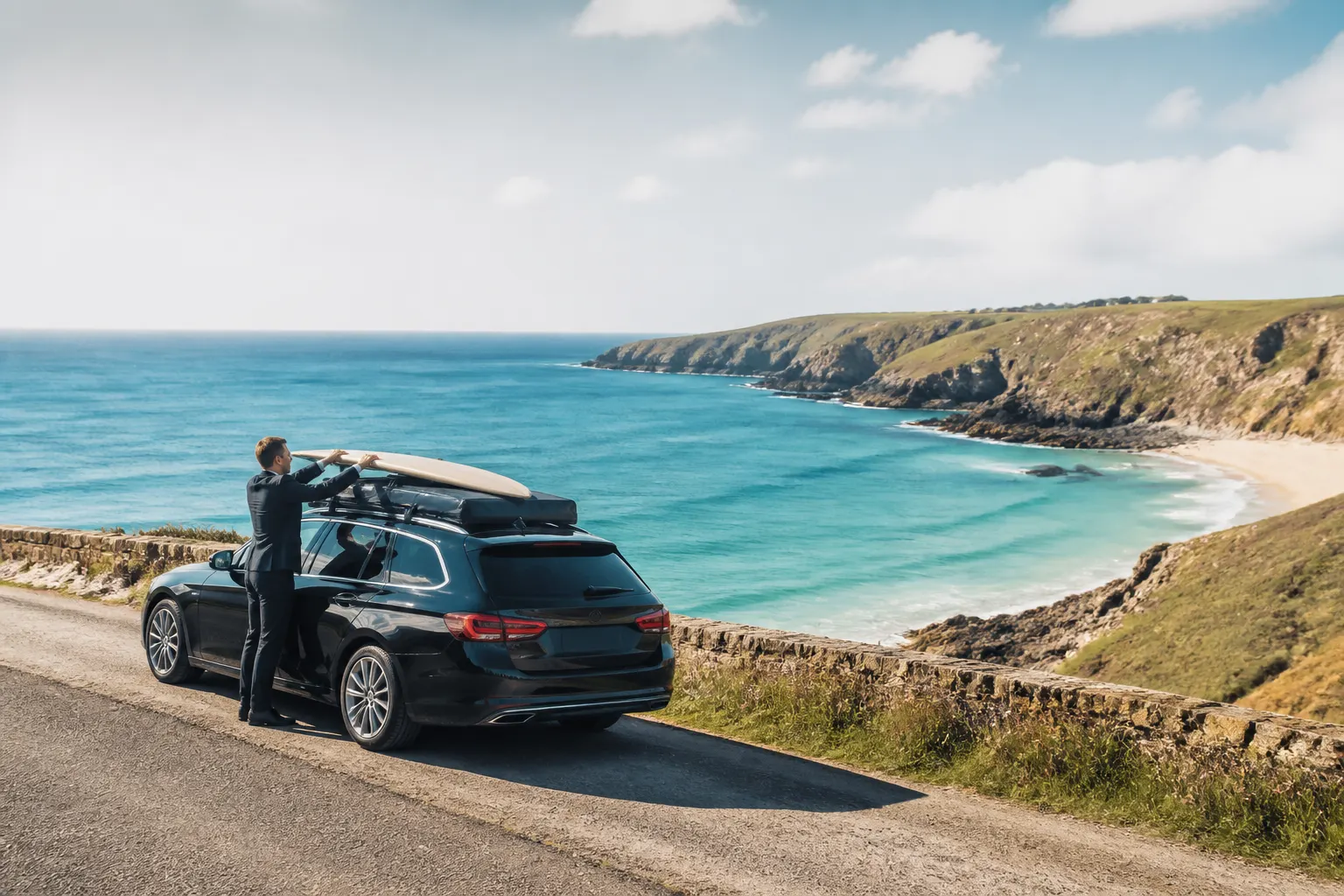


The SUV is the most requested vehicle type and the most frequently misapplied. It gets booked because it looks substantial, when the things it is genuinely better at are narrower and more specific than that. Understanding them turns a vague preference into a good decision, and occasionally into the realisation that the saloon you were about to reject is the vehicle you actually want.
This page deals with the practical arguments in favour, the trade-offs that come with them, and the journeys where an SUV is simply the wrong tool for the day. It applies across the class, from a Range Rover Autobiography to a Defender, though those two are very different in character and are not interchangeable. Where a model behaves differently, it is flagged.
Surfaces that defeat a saloon
The strongest argument is ground clearance and traction on the last half-mile. Country houses, wedding venues, shooting estates, farm buildings converted into offices and holiday cottages at the end of a track all share one problem: the drive was never built for a low car. An SUV takes it at a normal speed with nobody wincing at the noises coming from underneath.
Winter compounds it. Snow is rare enough in Britain to be planned for badly, but flooded lanes, mud pulled onto the road by tractors and unsalted rural routes are ordinary features of January. All-wheel drive and a taller body do not make a vehicle invincible, and no sensible chauffeur pretends otherwise, but they widen the margin considerably on the roads where the margin is thin.
Getting in without bending
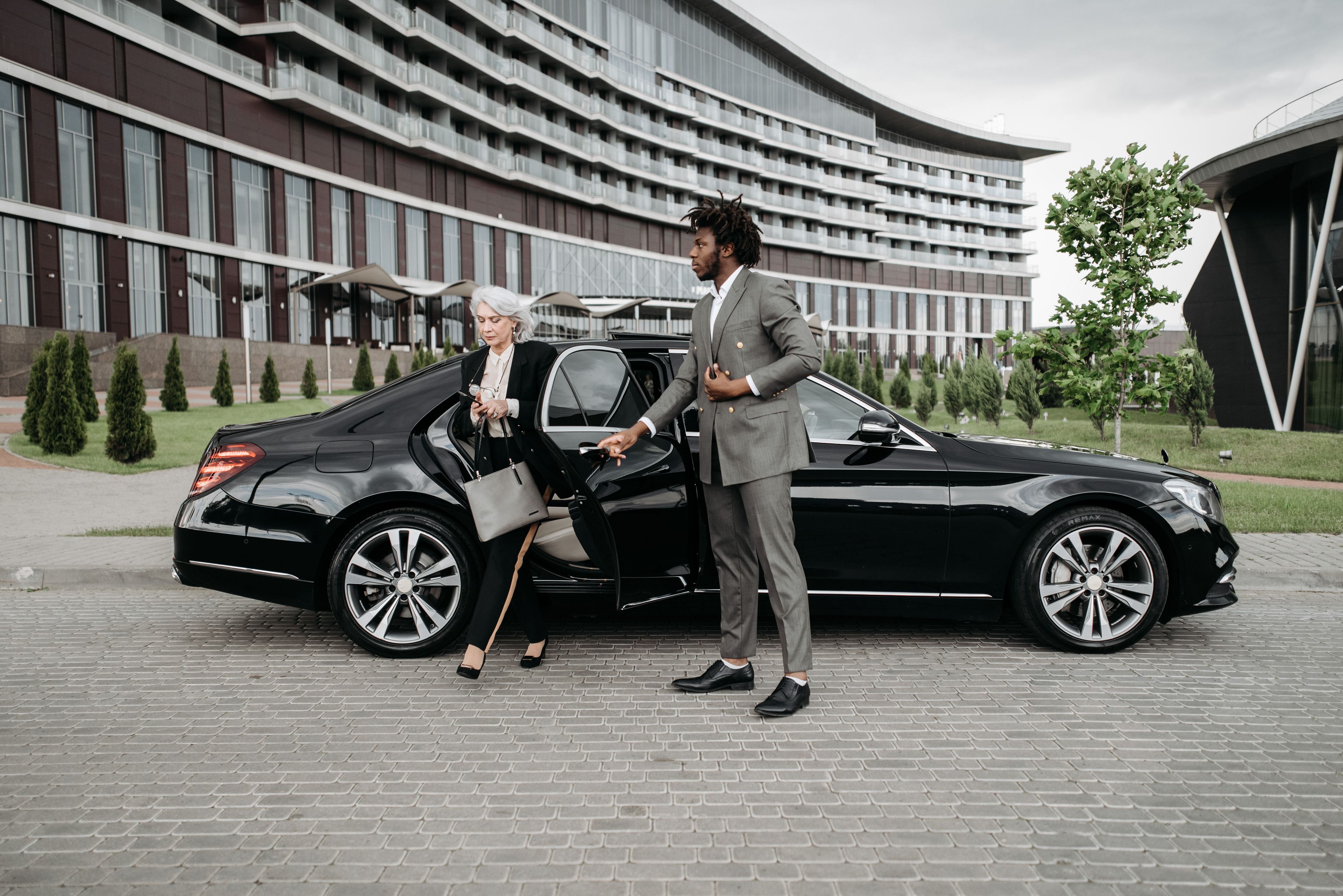
The second real argument has nothing to do with terrain. A saloon seat sits low, so entering means lowering yourself and leaving means pushing back up. An SUV seat sits at or slightly above hip height for most adults, which turns the movement into a step across and a slide. For older passengers, anyone recovering from surgery and anyone with a stiff back, that difference is the whole journey.
Some models make it better still. Range Rovers with air suspension can lower themselves at the kerb and rise again once everybody is aboard, which removes the step almost entirely; whether a particular car has that function depends on how it was specified. A Defender sits higher and asks more of you, and side steps help but do not eliminate the climb involved.

What the SUV gives up
Nothing is free. A tall vehicle has more body to move, so it leans more through a roundabout and settles more slowly after a bump, and passengers prone to travel sickness sometimes notice it. It is usually noisier at seventy than a flagship saloon too, because there is more frontal area pushing air and larger tyres doing the work. On a long motorway run the saloon is the calmer place to sit.
Then there is the practical friction. Height barriers rule out many car parks, urban parking is harder, and the sheer presence of the vehicle draws attention on a residential street. If your day is a series of central London meetings, an SUV makes every set-down slightly more awkward than it needed to be and buys you nothing in between. That is a poor trade for a working day.
The journeys it suits best
Rather than describing a category, it is easier to describe the days on which an SUV is the obvious answer. Each of these has something in common: the vehicle has to do something other than travel smoothly between two paved addresses, and comfort alone would never have decided it. If your day resembles one of them, the SUV is not an indulgence but the correct piece of equipment.
None of them is about status. The common thread is that each day contains a physical problem, and the vehicle is the solution to it rather than a statement about the passenger. Where no such problem exists, a flagship saloon will give you a quieter and smoother journey, and that is almost always the better use of the booking you are making.
- Rural weddings where the venue sits at the end of an unmade drive
- Country house weekends with dogs, boots and heavier luggage
- Winter travel through the Cotswolds, the Dales or the Highlands
- Scenic touring, where the raised view genuinely improves the day
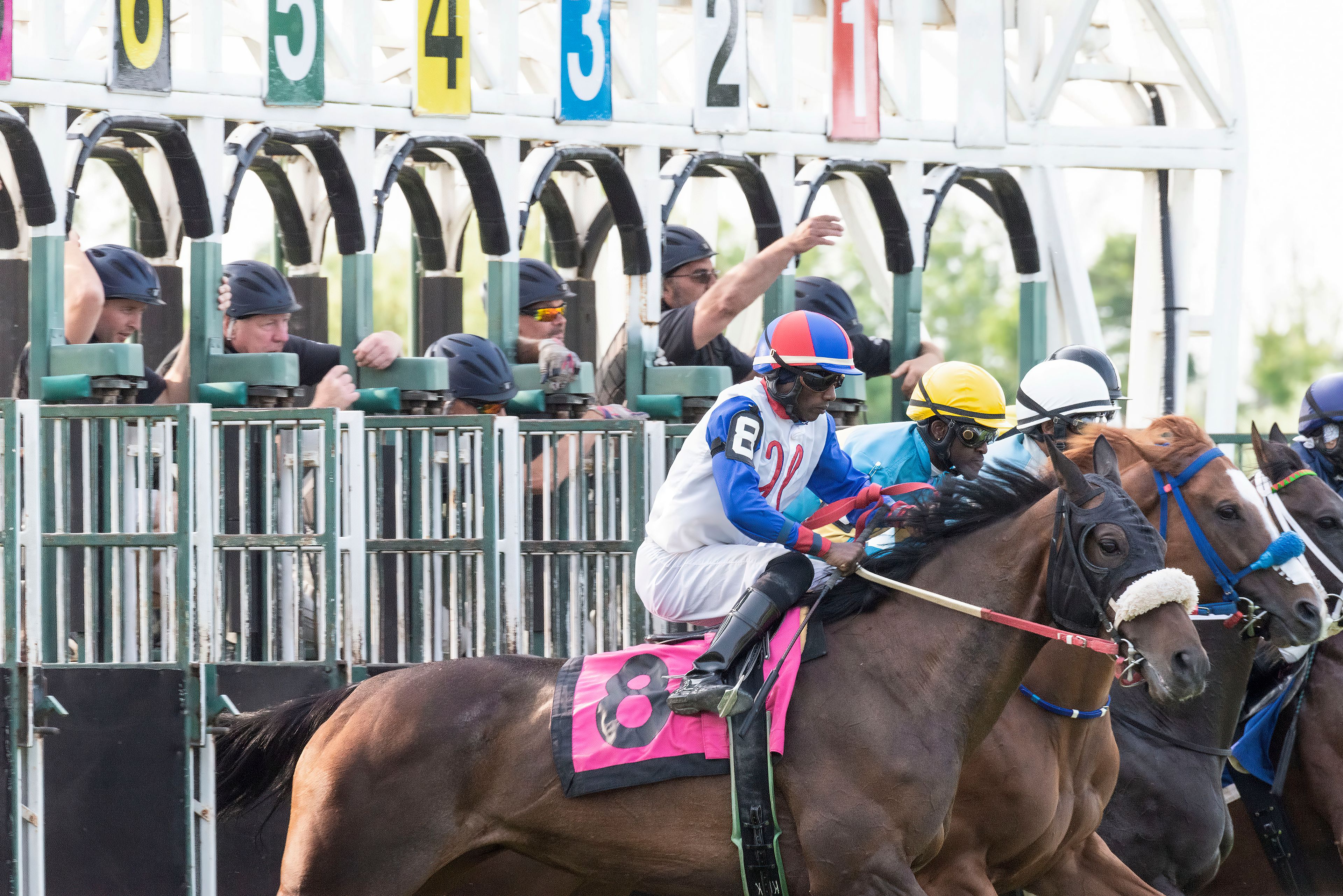
- Shoot days, race meetings and anything else held in a field
- Journeys where an elderly passenger gets in and out repeatedly
Choosing between the SUVs
The class is not homogenous. A Range Rover Autobiography comes close to a flagship saloon in refinement, with a hushed cabin, deep seats and enough rear space to work in properly; it is the one to book when the day is mostly civilised with one difficult stretch in it. A Defender is a more robust, upright and characterful thing, better suited to rough going and a party arriving in walking boots.
A Cullinan sits above both and turns the arrival into an occasion, which is the reason to choose it rather than any additional capability at the muddy end. The honest hierarchy here is by refinement and presence, not by ability, since all three will manage a wet gravel drive without complaint. A few questions narrow the shortlist to one very quickly.
- Is anyone arriving in formal dress, or in boots and coats?
- Does the drive or track matter, or is the day mostly tarmac?
- Are dogs, guns or wet equipment travelling with the party?
- Will there be photographs taken at the arrival?
- How many hours in total will the party spend aboard?
Availability and the practical detail
SUVs are in demand for exactly the dates when the weather makes them useful and the season makes them wanted, which means winter weekends and the summer wedding calendar both go early. Our vehicles come from our own cars and from a vetted network of professional chauffeur operators, so coverage is national, but a particular model in a particular county on a particular Saturday is not certain until it is confirmed.
Model, colour and specification are subject to availability and settled when your booking is confirmed rather than at the enquiry stage. If access at either end is unusual, send the address along with any gate, bridge or weight restrictions on WhatsApp or by email and it will be checked properly. It is a great deal cheaper to look at a map than to turn a vehicle around in a lane.