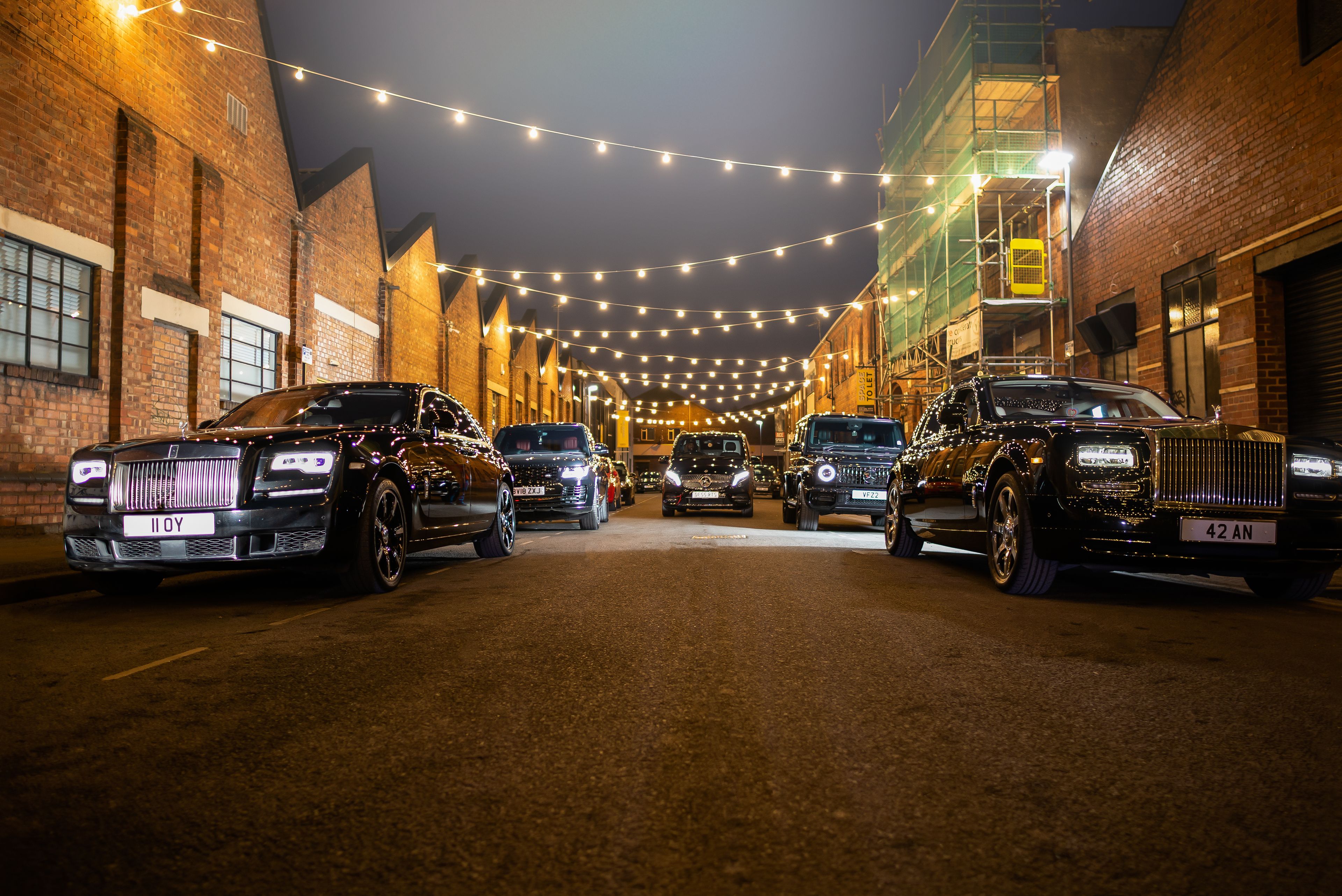




Choosing a chauffeur vehicle is usually presented as a matter of taste, which is why so many people end up in the wrong one. It is really a sequence of practical questions, and if you answer them in the right order the car chooses itself in about a minute. Taste comes in at the end, and only when two options are equally workable on the day.
What follows is the sequence used here when an enquiry arrives with no vehicle named. It begins with the things that cannot be negotiated, moves on to the things that affect how you feel on arrival, and finishes with the things that only matter on certain days. It also flags the places where spending more changes nothing you will notice.
Start with cases, not people
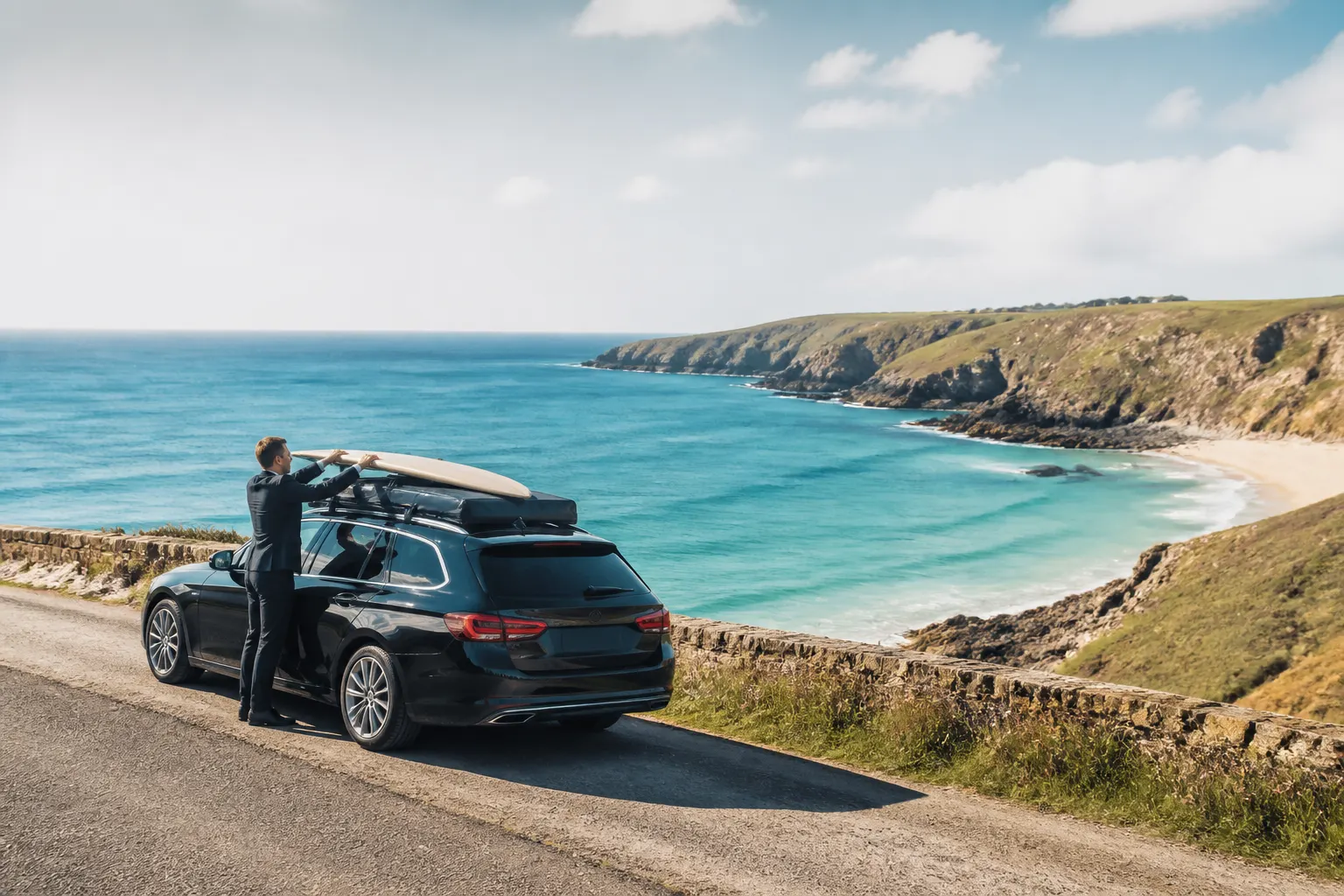
Passenger numbers rarely decide the vehicle, because almost everything we run seats three or four people. Large suitcases decide it. Two fit an executive saloon with room to spare, three do not, whatever the capacity figures imply, and that third case is the single most common reason a booking has to be rebuilt on the pavement at half past five with a flight to catch.
Count them properly before you send anything. Include the case that is technically medium but is packed like a large one, the pushchair, the golf bag standing in the hall and the box of samples for the exhibition stand. Then count cabin bags separately, because they fill gaps rather than compete for floor space. The number of large cases is the one figure worth being pedantic about.
Then count the hours in the car
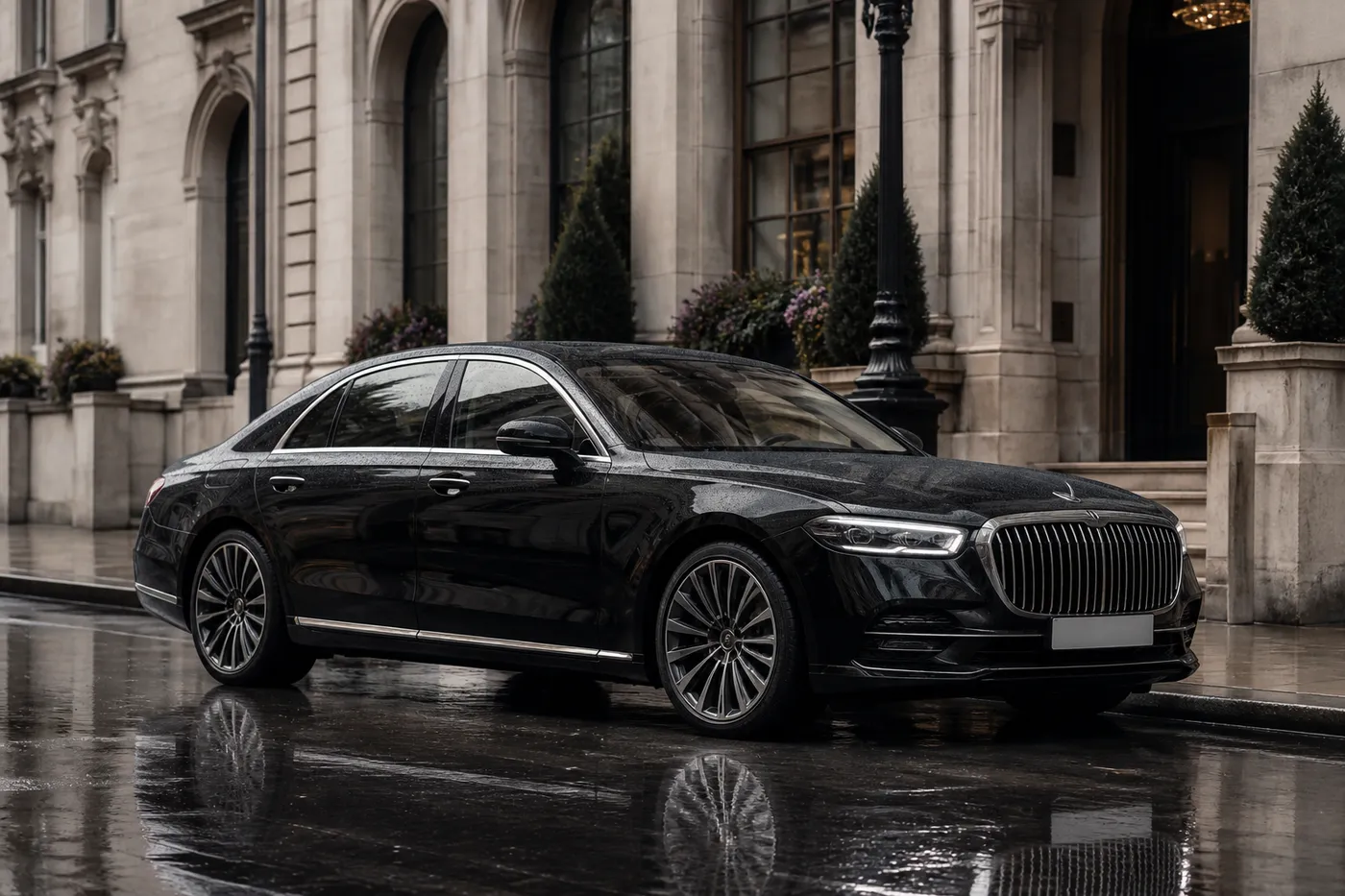
Time changes what comfort means. Under an hour, almost any well-kept vehicle in the class does the job, and the difference between a good executive saloon and a flagship is close to invisible. Between one and three hours, insulation, seat shape and rear climate begin to matter. Beyond three, the flagship saloons and extended-wheelbase cars earn their place through reclining backrests and the sheer amount of room to move about.
The corollary matters more. If your journey is twenty minutes across town, spending more on the car buys you the way it looks at the kerb and very little else. That is a legitimate thing to buy on the right day and a waste on most others. Be honest with yourself about which day it is, because the sensible recommendation is the one we would rather give.
Consider who is getting in and out
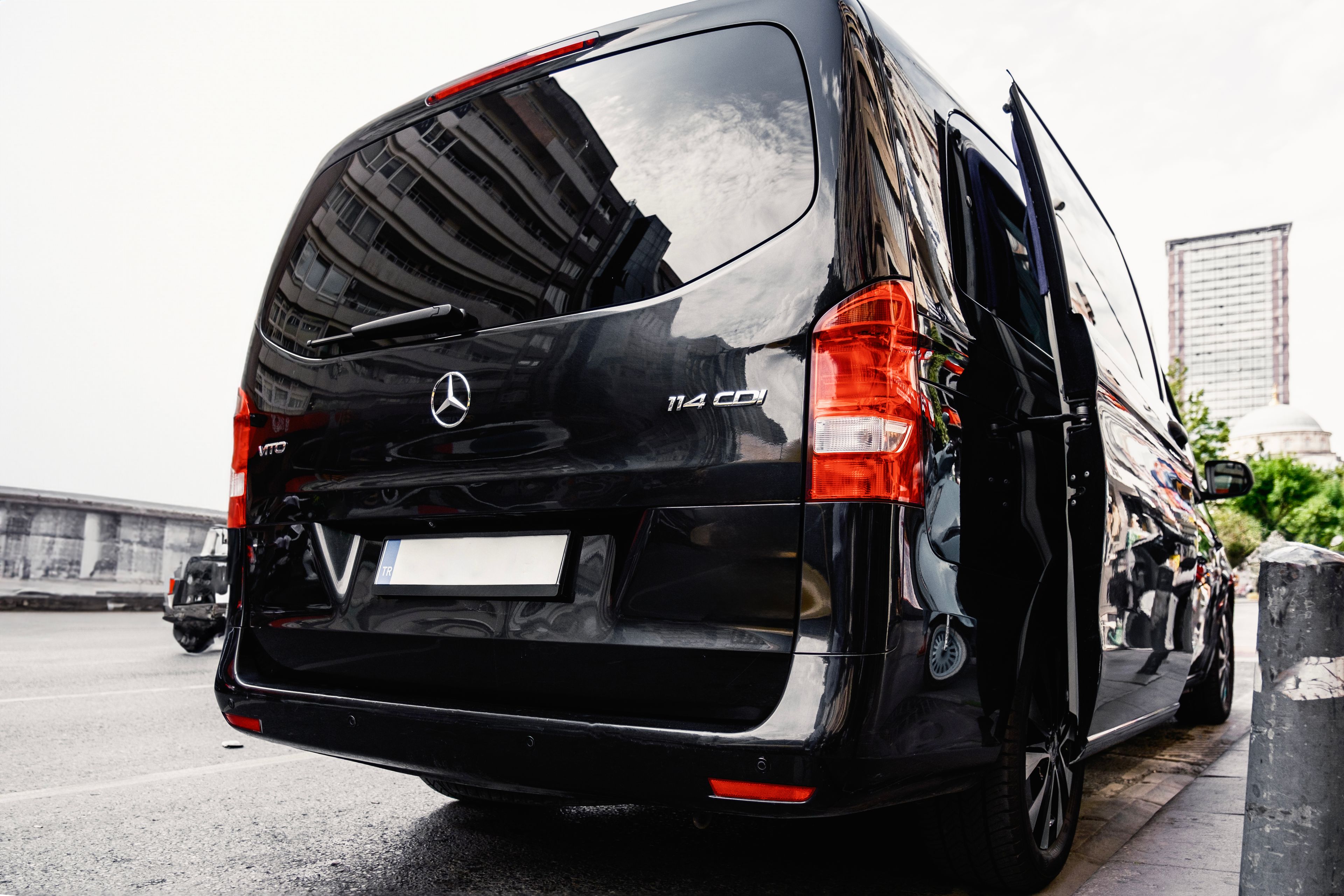
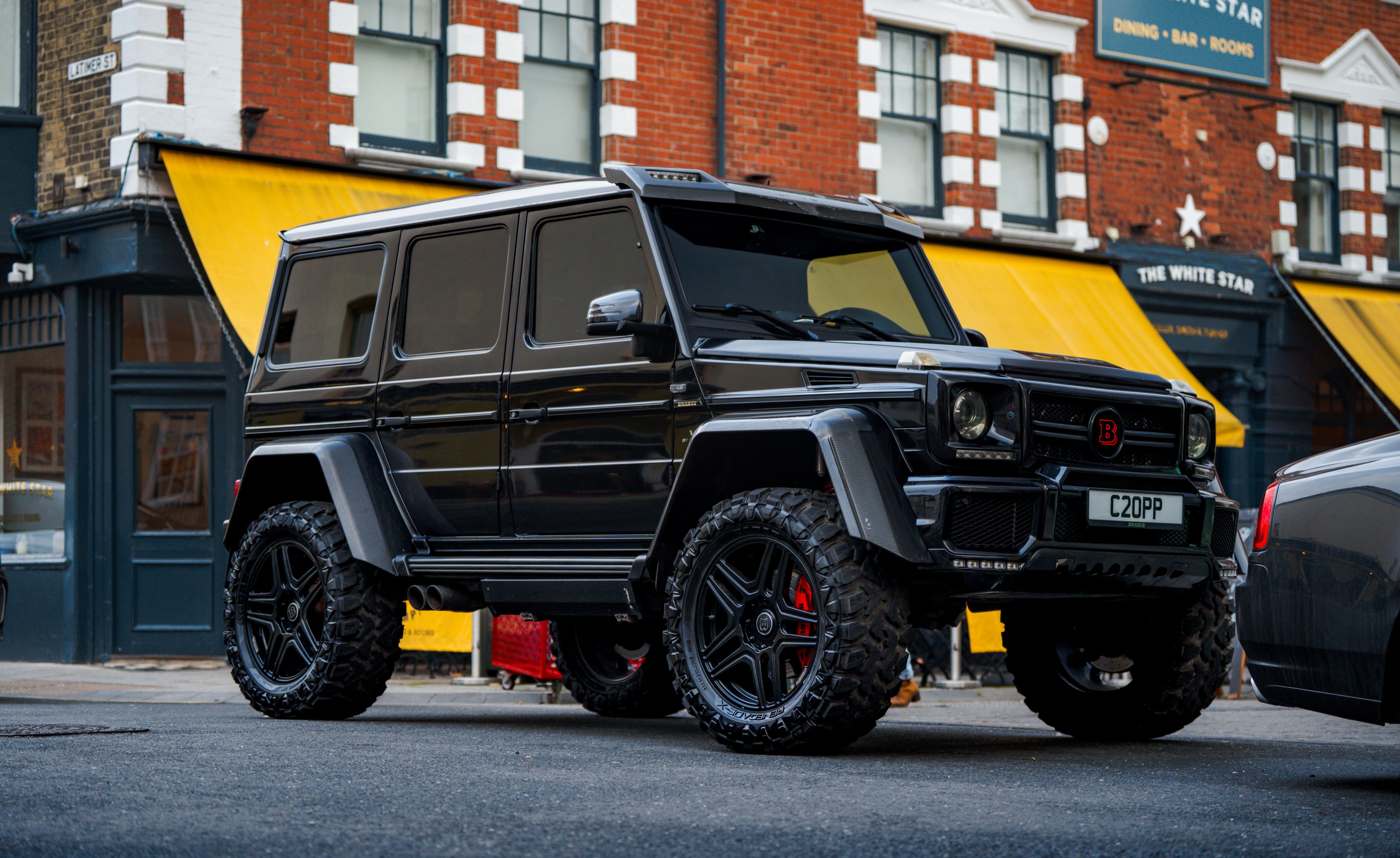
Entry and exit are where a vehicle choice quietly succeeds or fails, and they are almost never mentioned at booking. Low saloons require dropping down and pushing back up, which is hard on stiff knees and awkward in a fitted skirt. Tall SUVs require a step up. The easiest vehicles to enter are the mid-height MPVs, where the floor sits close to chair height and the door slides rather than swings.
Frequency matters too. A day of six stops means twelve exits, and a vehicle that is merely acceptable on the first becomes tiring by the fourth. If anybody travelling has a mobility difficulty, is heavily pregnant, is elderly or is dressed formally, mention it and the recommendation will change accordingly. It is not an imposition; it is among the most useful things you can tell us.
Look at where the car has to go
Vehicles fail at the ends of journeys rather than in the middle. A long-wheelbase saloon is a nuisance in a Georgian mews, a tall MPV can be turned away by a car park barrier, and a low car is the wrong tool for half a mile of potholes. The addresses at each end of the day therefore do real work in the decision, and they are easy to check beforehand.
Send the postcodes and any constraints you already know about, and they get looked at before a vehicle is allocated rather than discovered by a chauffeur at a barrier. Almost every access problem is solved by choosing a different vehicle, not by clever driving on the day. The list below covers the constraints that come up most often and are easiest to forget while you are thinking about cars.
- Height barriers at hotel, terminal and shopping centre car parks
- Narrow mews, gated courtyards and tight turning circles
- Unmade, steep or flooded drives at country properties
- Kerbside restrictions and red routes at the collection address
- Venue rules about where cars may wait and for how long
- Ferry, tunnel or estate crossings with their own size limits
When the cheaper car is the right car
There are whole categories of journey where the modest vehicle is not a compromise but the correct answer. A single passenger with a laptop going to a meeting is better served by a discreet executive saloon than by anything larger, and will get in and out of it faster all day. The same is true of a station run, an evening out and most airport transfers for one or two people.
There is a discretion argument as well. Arriving at a private house, a hospital, a solicitor's office or a school gate in something conspicuous is not always welcome, and the least noticeable vehicle is frequently the most considerate one. If the reason for the larger car is simply that it feels like the appropriate thing to book, that is worth examining before you commit to it.
How to describe the day to us
Everything above condenses into a handful of lines, and a well-written enquiry produces a better recommendation than a long conversation does. Give the shape of the day rather than a vehicle name, and let the vehicle come back as an answer. If you already have a preference, say so and it will be taken seriously, but you will be told honestly when something else suits the journey better.
Our vehicles come from our own cars and from a vetted network of professional chauffeur operators, which is how the whole country is covered without cars standing idle in every county. That means a class of vehicle is confirmed rather than a particular registration, and model year, colour and specification remain subject to availability and are settled when the booking is confirmed. Anything you need held has to be asked for early.
- Date, start time and roughly when the day ends
- Every address in order, with postcodes
- Passengers, including children and their ages
- Large cases, cabin bags and anything long or rigid
- Mobility, child seat or pet requirements
- Whether the arrival is being photographed or observed