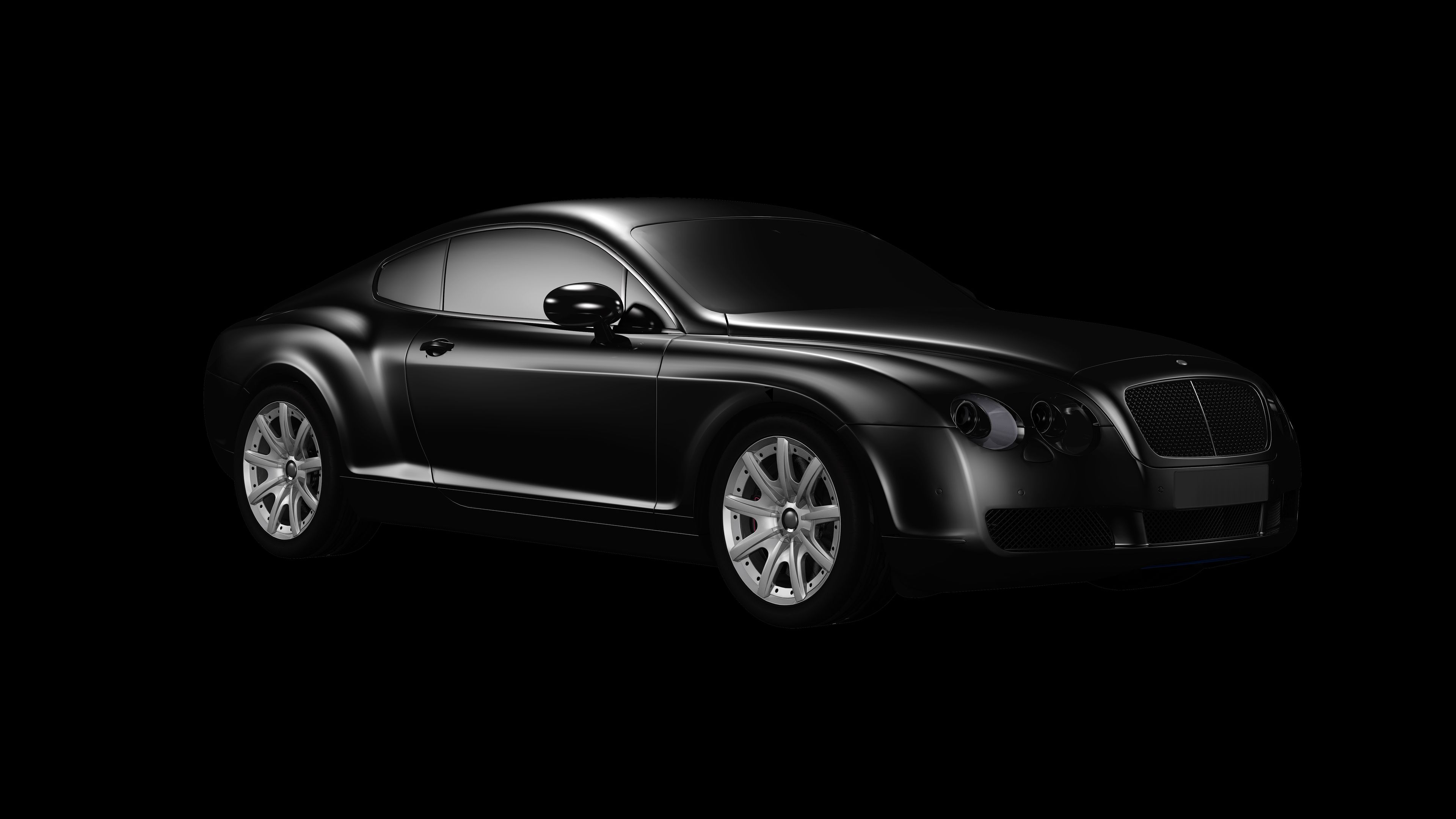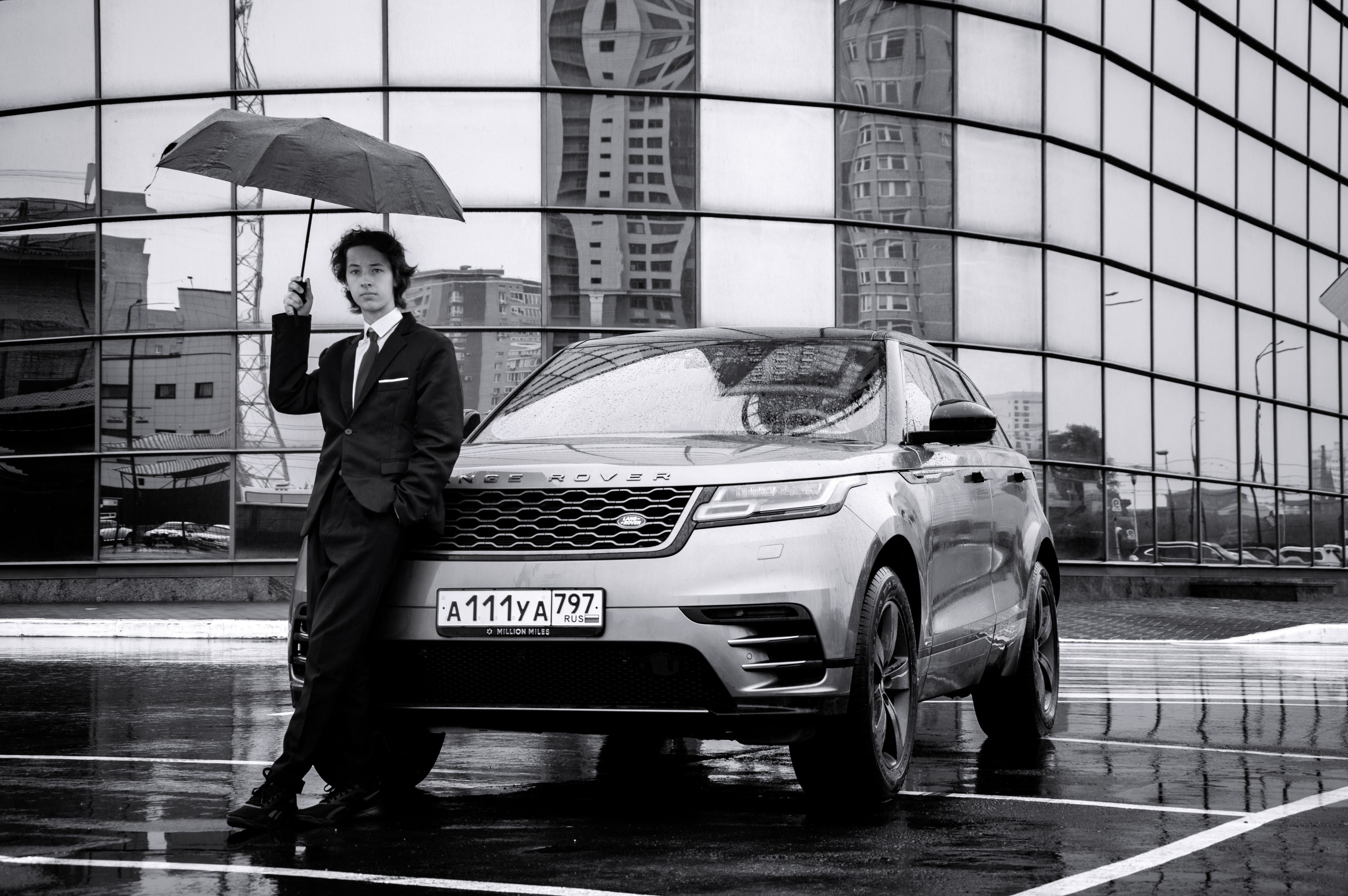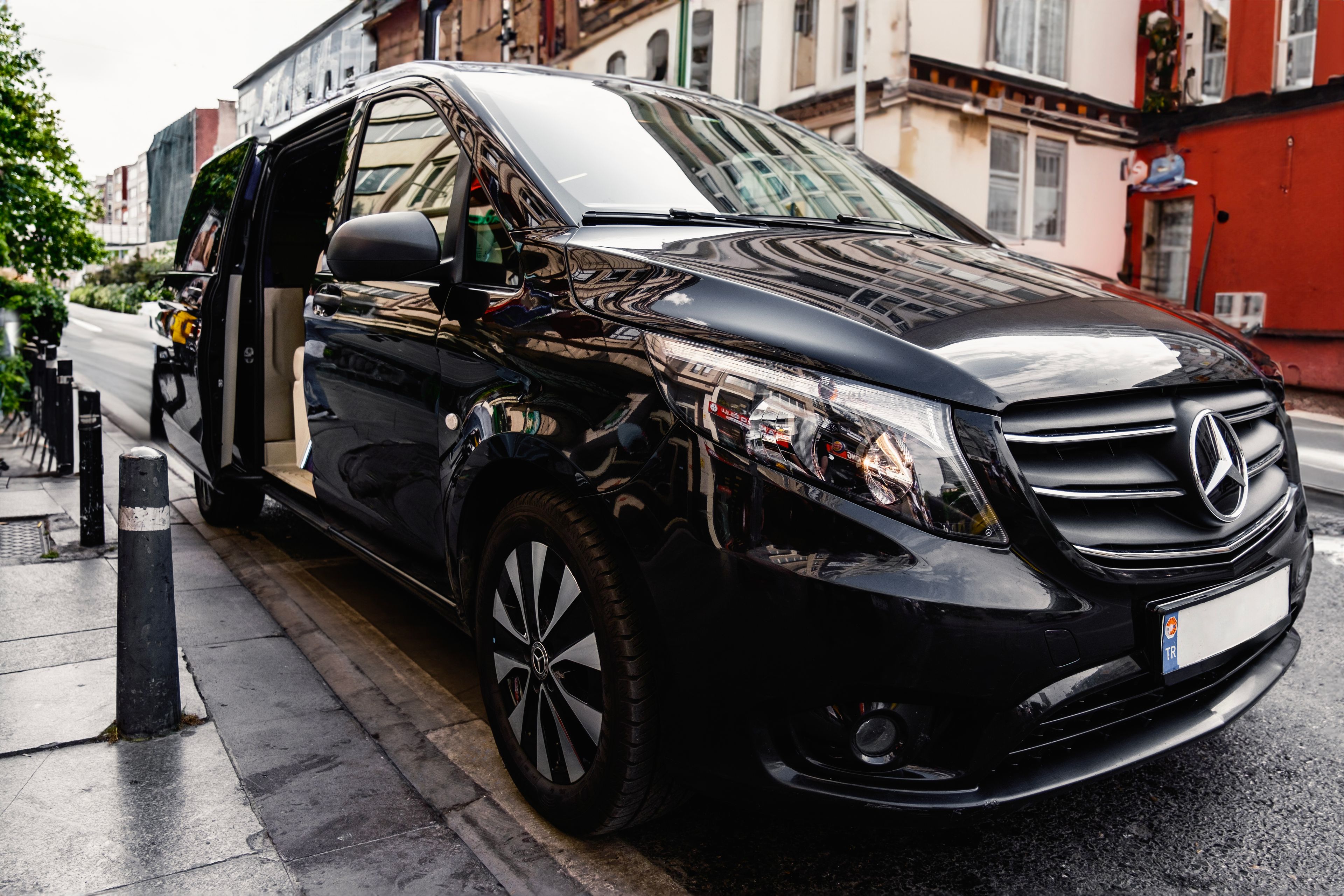





It is the specification most worth understanding when choosing a car for a long day, and the one most often glossed over because the abbreviation looks technical. The idea is simple: the same car, made longer between the wheels, with the benefit handed almost entirely to whoever is sitting in the back.
This entry explains what the wheelbase actually is, what extending it changes about the journey, and where the limits of the idea lie. It also settles the confusion with stretched limousines, which are a different product made by a different process for a different purpose.
What the wheelbase actually measures
The wheelbase is the distance between the centre of the front axle and the centre of the rear one. It is not the length of the car, which also includes the overhangs at each end, and the two figures can move independently. A car can be longer overall without gaining any usable space inside.
Manufacturers build long wheelbase versions by lengthening the structure between the axles, usually in the rear door area. Because the extension lands in the middle of the cabin rather than at the extremities, the space it creates falls exactly where rear passengers sit rather than in the boot or the bonnet.
What it changes for a passenger
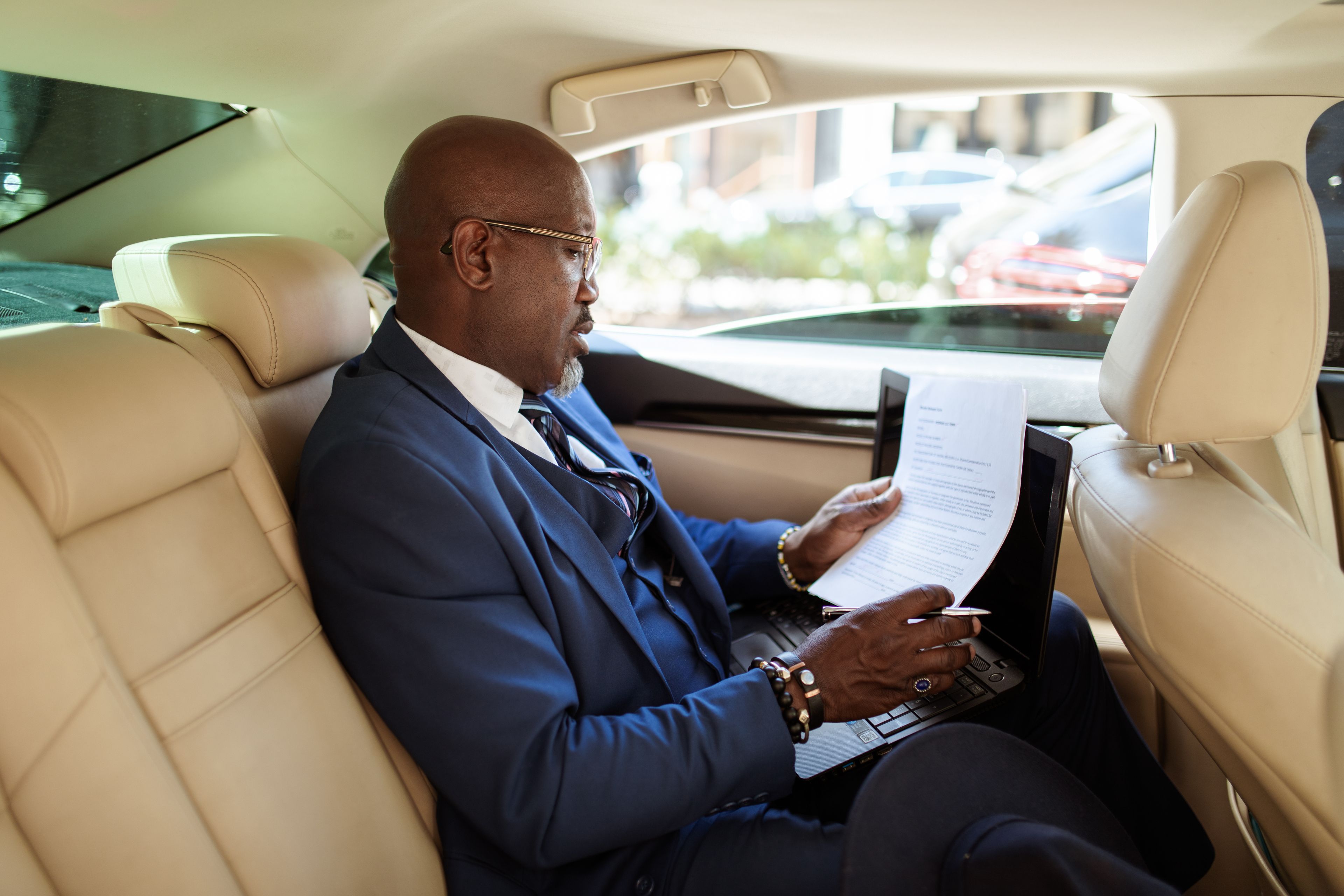
The obvious gain is legroom, and it is more transformative than the measurement suggests. Crossing your legs, stretching out, and getting in and out of the car without a manoeuvre are all functions of that gap, and the difference between adequate and generous is felt most on journeys past about an hour.
There are secondary effects. A longer wheelbase generally rides more smoothly, because the axles meet bumps further apart and the car pitches less. Rear seats in LWB models are also more likely to be specified with reclining backrests and separate climate control, since the version exists precisely for people who sit behind.

Where the trade-offs sit
Nothing comes free. A longer car is harder to place on a tight kerb, takes more room in a multi-storey, and turns in a wider circle, which matters on mews streets and hotel forecourts more than on motorways. For a short city hop, the standard car is frequently the more practical choice.
- Substantially more rear legroom, which is the entire purpose
- A calmer ride over poor surfaces, from the longer axle spacing
- Reclining rear seats and rear climate control on many examples
- A wider turning circle and a longer car to park
- No additional luggage space, since the boot is unchanged
- Availability is narrower, so book earlier for a specific date
Not the same as a stretched limousine
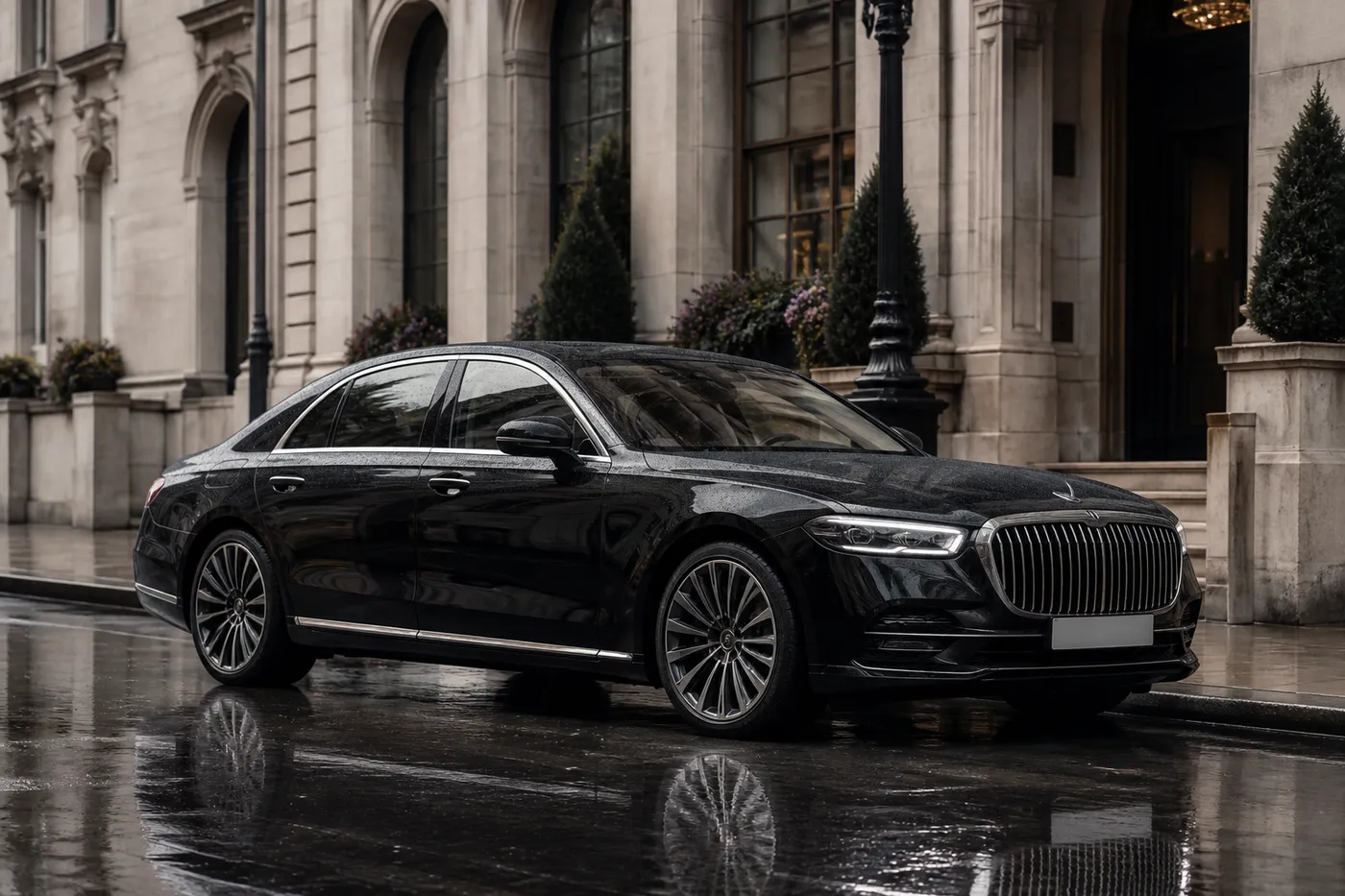
A stretched limousine is a standard car cut and lengthened by a specialist converter after leaving the factory, often dramatically, to seat a large group along facing benches. A long wheelbase saloon is a factory model, built as a complete vehicle, and looks like an ordinary car to anyone who is not measuring it.
The distinction matters when booking. LWB is what you want for comfort and discretion on business travel or a long transfer. A stretched vehicle is a party or occasion car with an entirely different character. The word limousine is used loosely for both in Britain, which is why confirming the actual model is worthwhile.