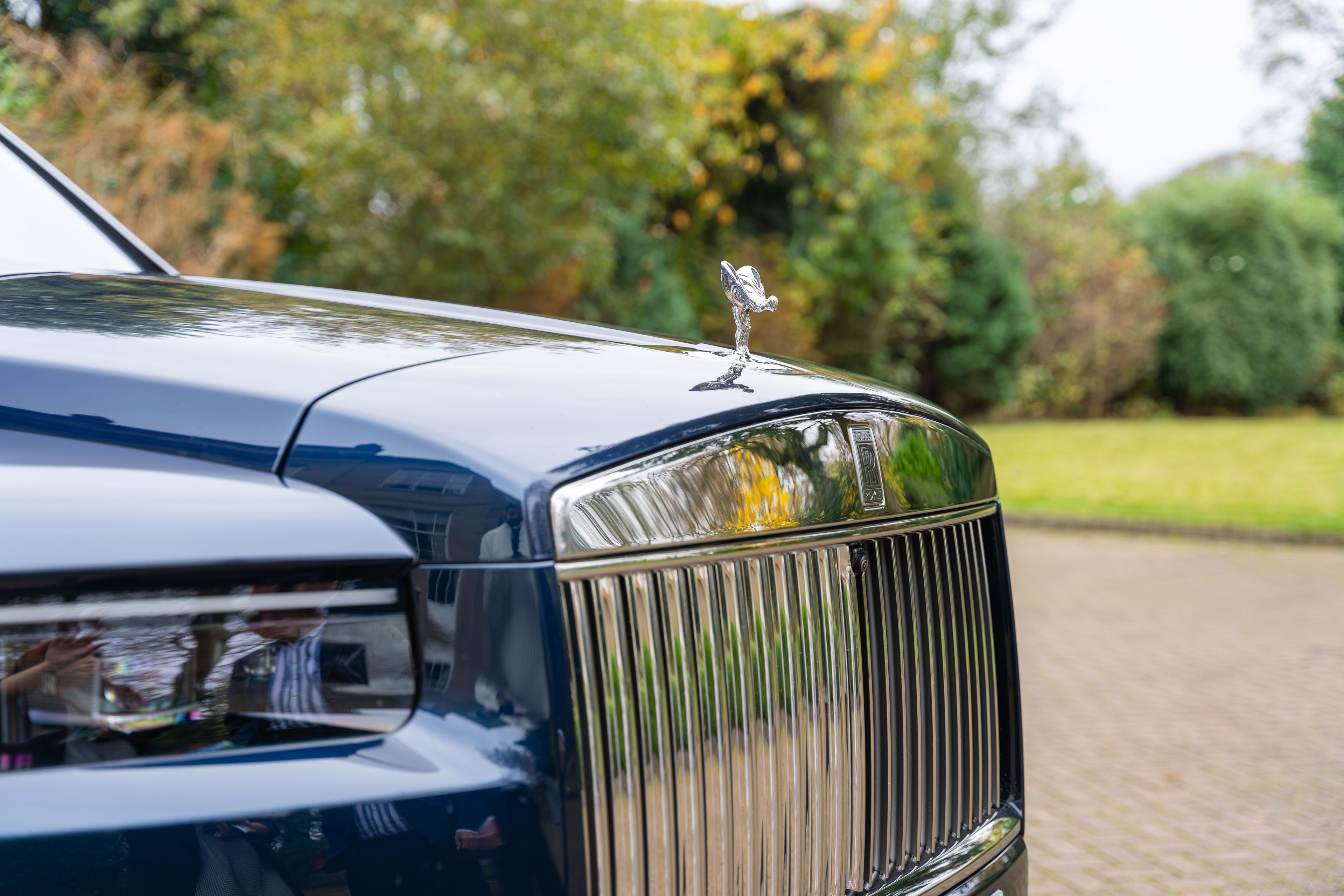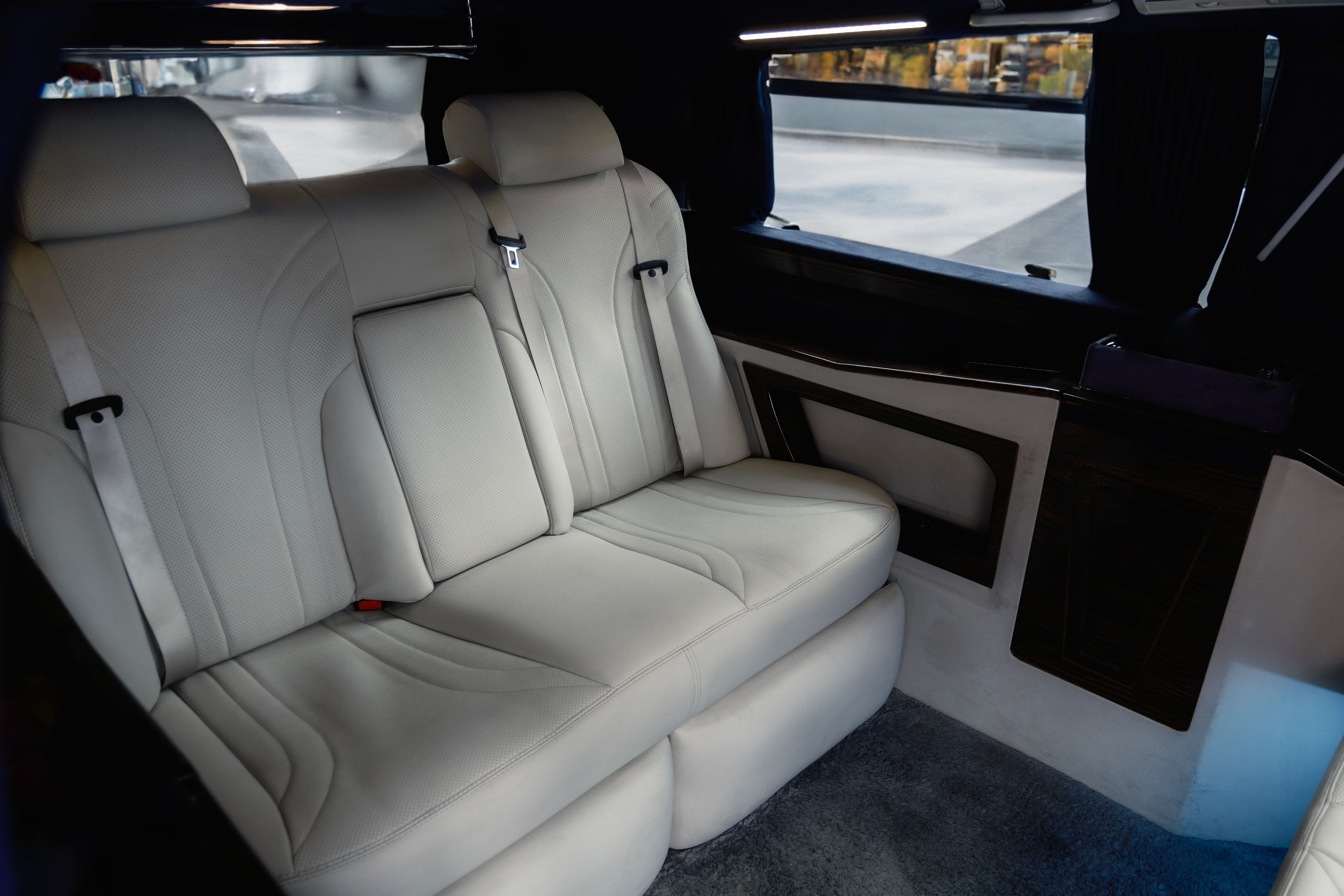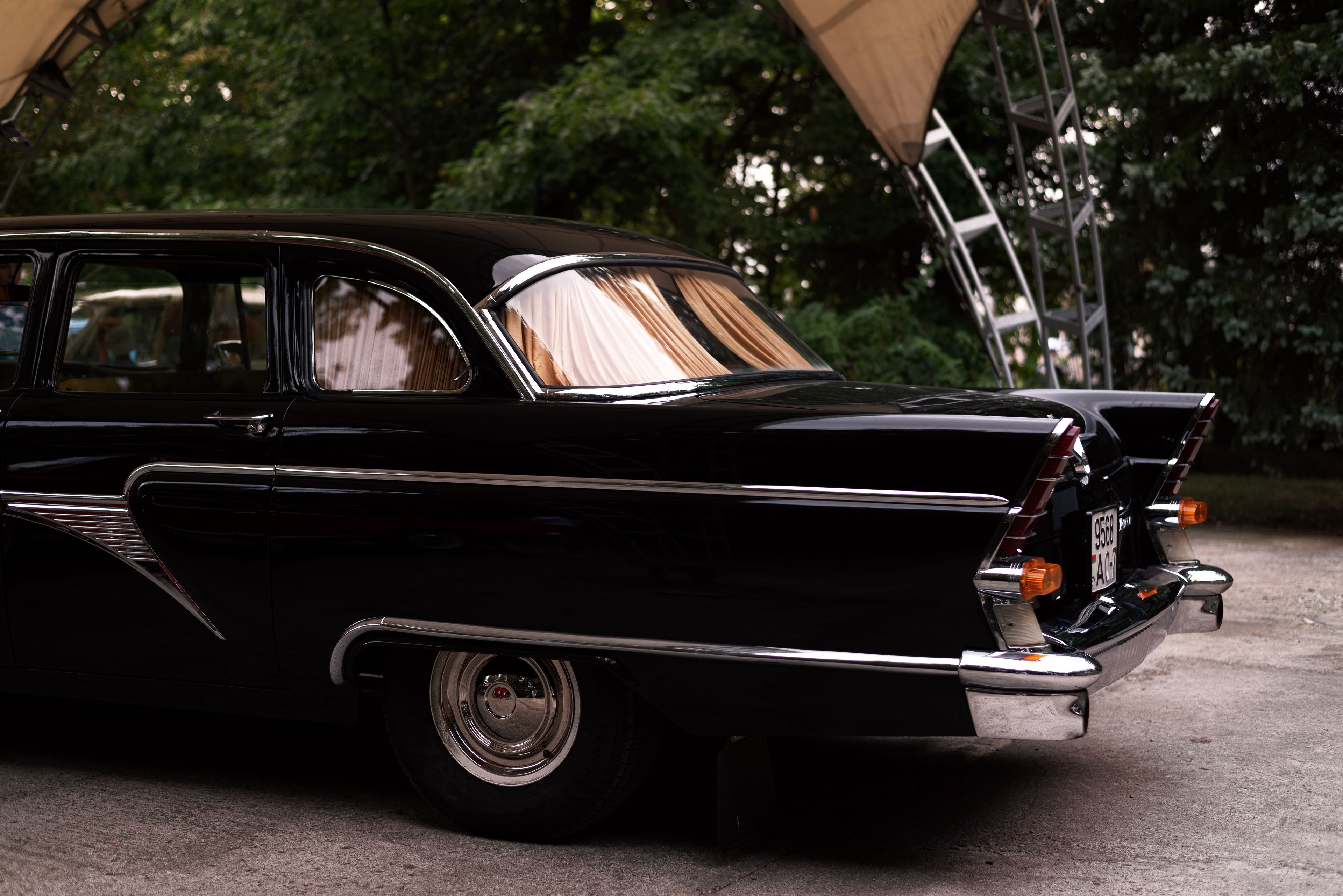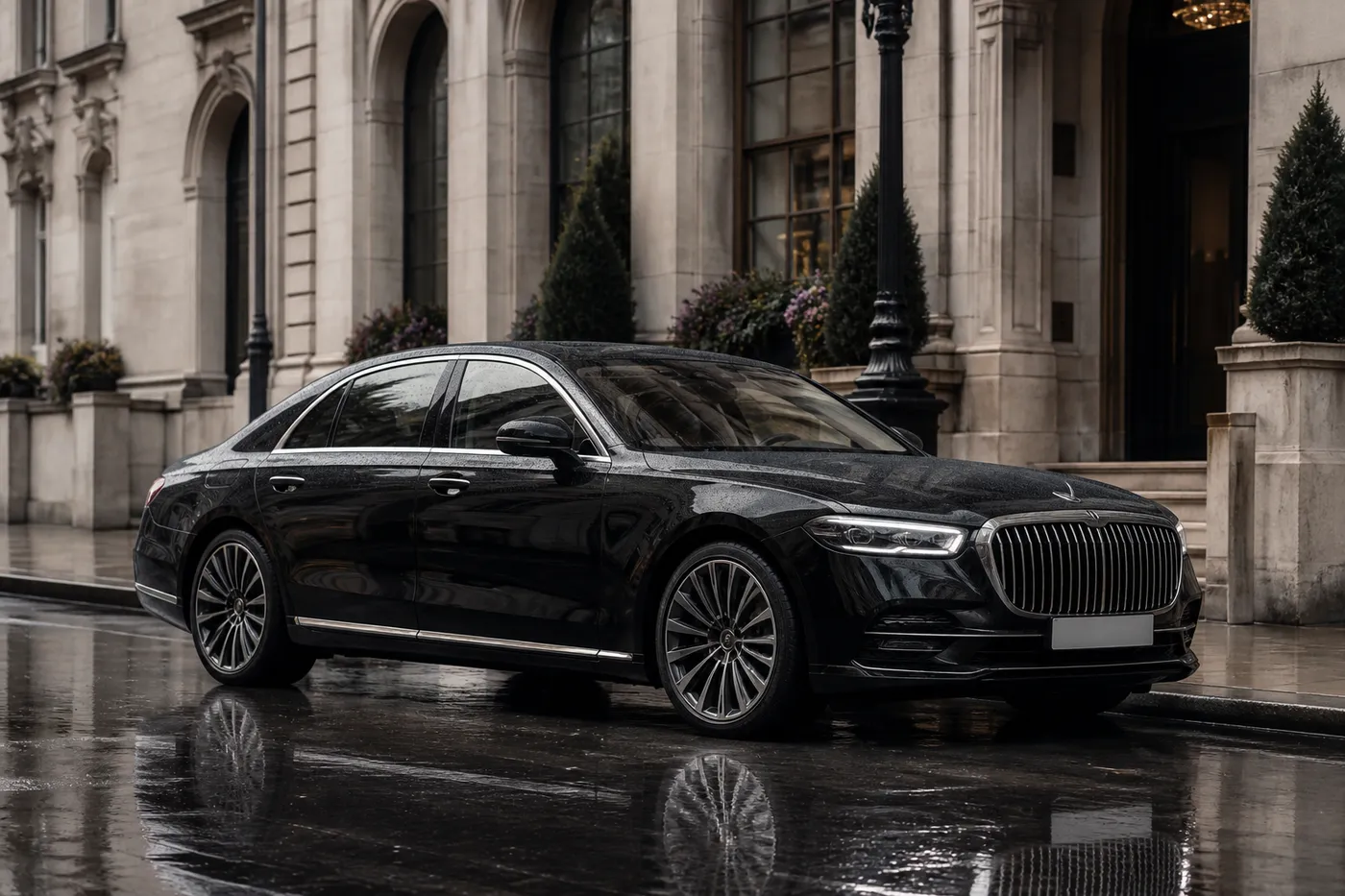


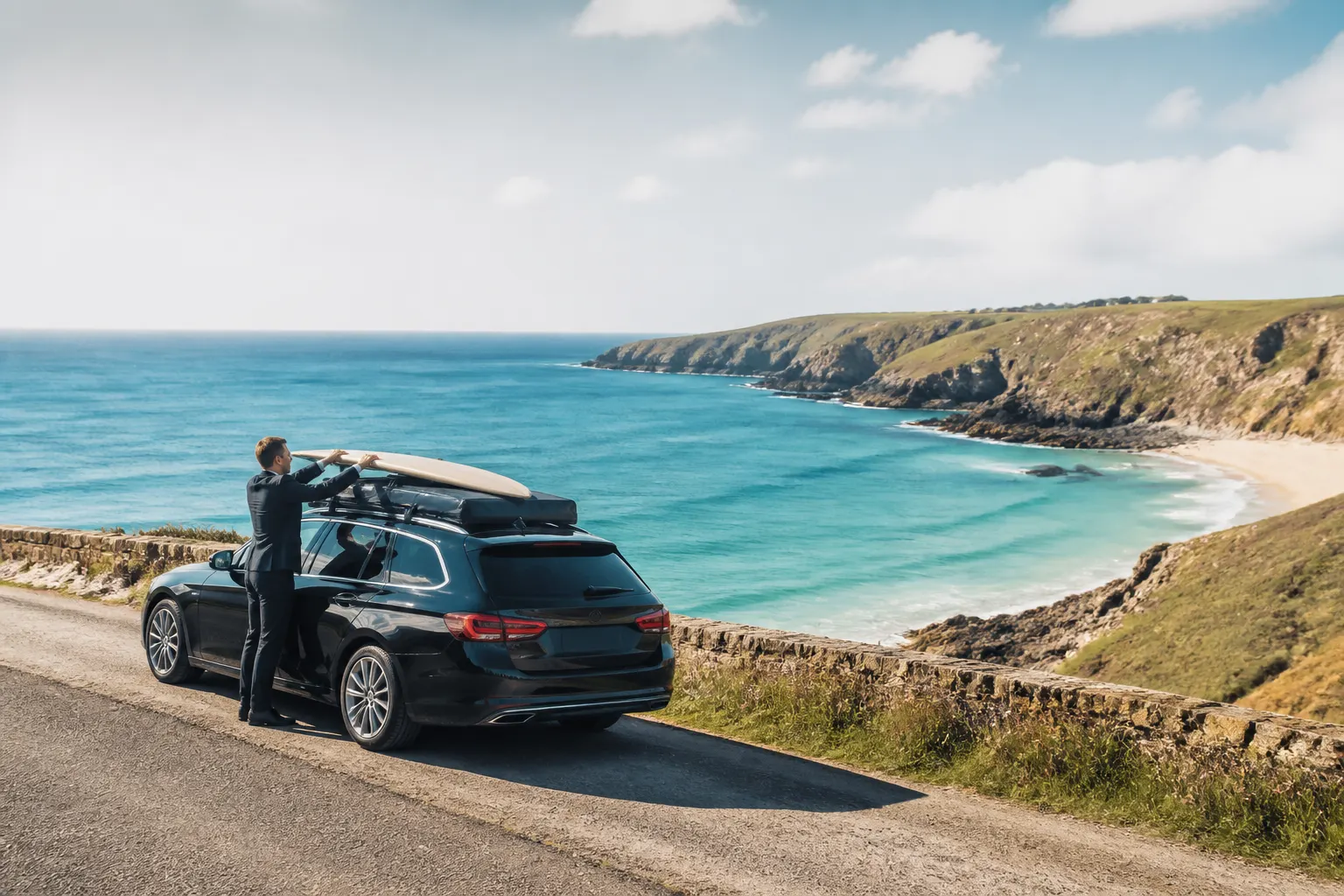



It is one of the few features of a motor car that a bystander notices before the passenger does. The door opens the wrong way, and the effect at a kerb is immediate: the aperture faces you as you leave the seat, and the movement out of the car becomes a step rather than a manoeuvre.
This entry explains where the design comes from, why it vanished for most of the twentieth century, what it actually changes about arriving somewhere, and what a passenger needs to know about the practicalities, since the doors demand a little more space and a little more choreography than ordinary ones.
Where the name comes from
Horse-drawn coaches were built with doors hinged at the rear because passengers boarded from the side of the road and stepped up facing forwards. Early motor cars inherited the carriage body and the door arrangement with it, so for the first decades of motoring the rear-hinged door was simply how doors were.
It fell out of favour as speeds rose. A rear-hinged door that opened while moving would catch the airflow and swing wide, which made the arrangement unpopular with regulators and manufacturers alike, and by the middle of the last century almost every car had switched. The nickname attached to it in that period reflects exactly that concern.
What it changes on arrival
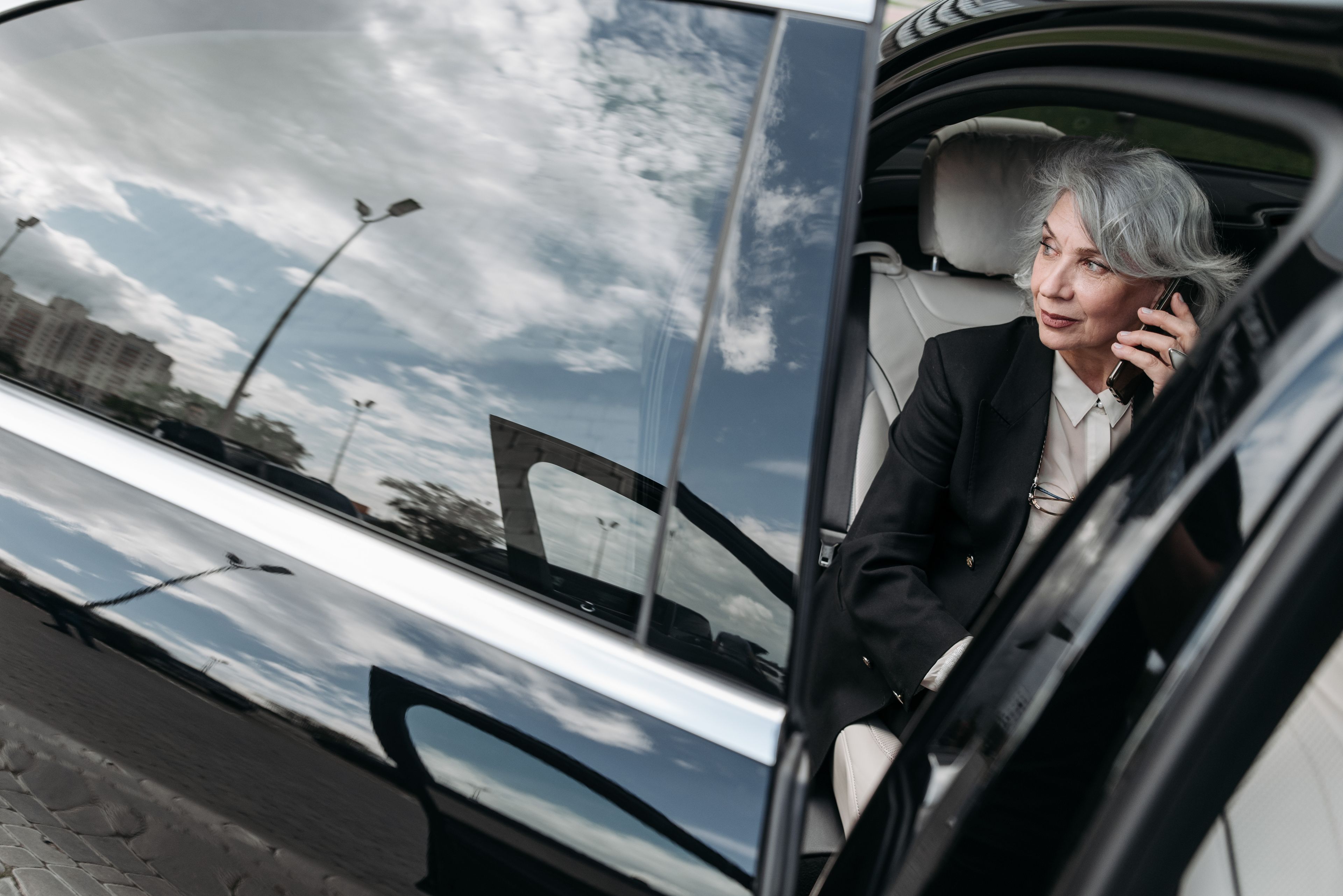
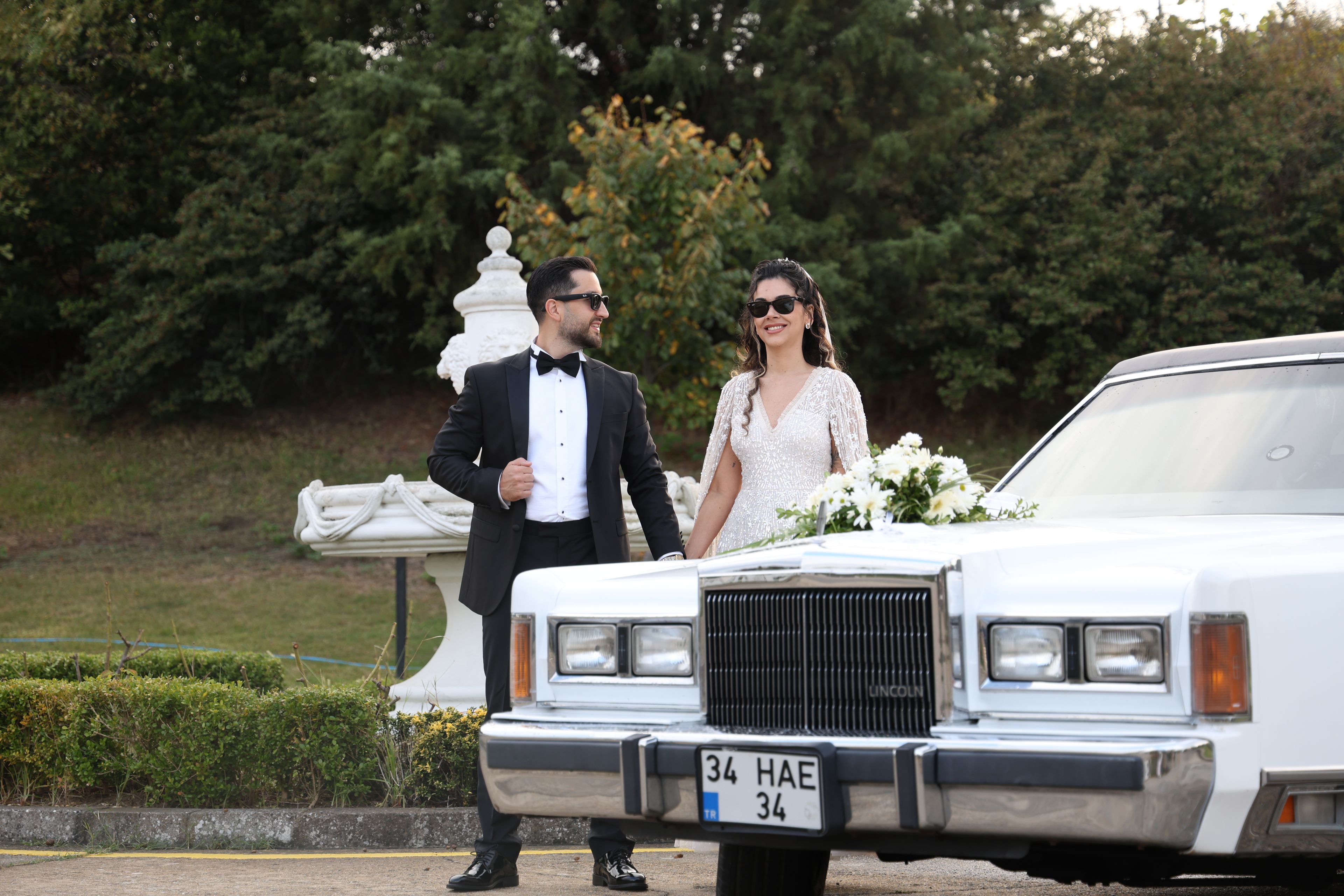
With a conventional door, a passenger leaving the rear seat pivots on the hip and edges out sideways past the front of the door. With a coach door, the opening is behind you and the natural movement is to stand straight up and forwards. In formal dress, with an umbrella, or when a photograph is being taken, that difference is the entire point of the design.
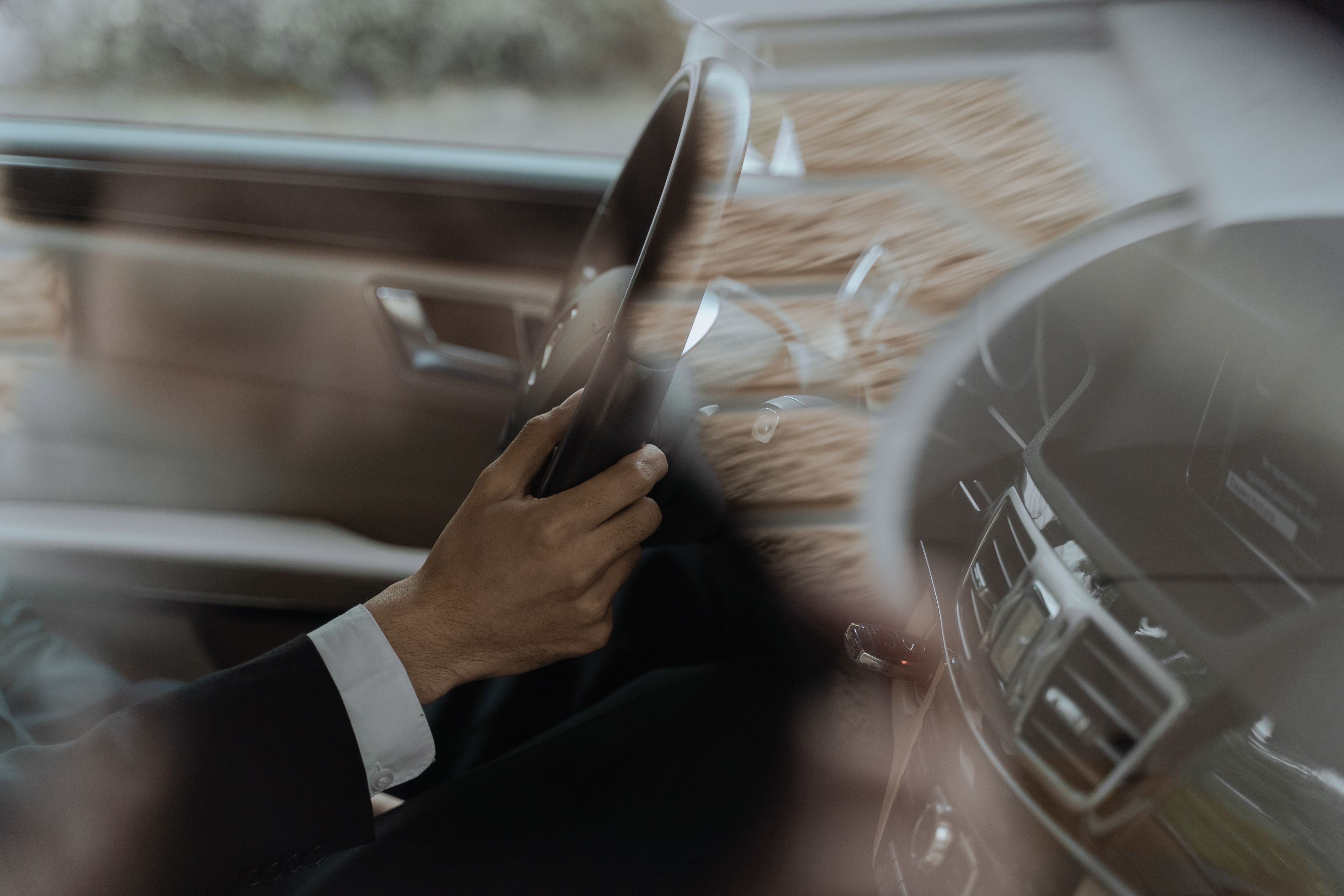
The chauffeur's role changes slightly too. The door is opened from the rear edge, which puts the chauffeur beside rather than in front of the passenger, and closing is often done electrically from a switch rather than by pulling. None of this is complicated, but it is choreography, and it is why arrivals in such cars look composed when they are done properly.

The practicalities to know about
Modern coach doors are engineered around every objection that killed the original. They interlock so they cannot open at speed, they close under power, and they are built into a structure designed for them. What they still require is room and a moment of attention, which is worth planning for at a busy venue.
- More kerb space than a conventional door needs to swing clear
- A set-down point chosen so the aperture faces the entrance
- Electric closing, so the door is not pulled shut by hand
- Interlocks preventing opening while the car is moving
- Care where a high kerb or a bollard sits close to the car
- A little extra time built into a tight arrival sequence
Doors it is confused with
Gullwing doors hinge at the roof and lift upwards; scissor doors rise vertically from a front pivot. Both belong to sports cars and neither has anything to do with the coach arrangement, though listings occasionally treat all three as interchangeable exotica. The only thing they share is that a bystander notices them, which is not a design principle so much as a side effect.
The sliding side door of a luxury MPV solves a related problem by an entirely different method, taking up no kerb space at all and opening wide for passengers and luggage together. For a wedding it produces a less ceremonial arrival; for a working day with several stops it is frequently the more practical answer.