




The most common failure in airport chauffeur work is not lateness. It is a boot that will not close. Somebody counted the people and forgot to count the cases, and the discovery is made at five in the morning on a driveway with a flight to catch. It is entirely avoidable and it takes one line of information at the point of booking to avoid it.
The difficulty is that luggage capacity is hard to picture. A boot that swallows two large cases with room to spare looks capable of a third until you try. Soft bags behave differently from hard shells. Golf clubs, skis and pushchairs each break the arithmetic in their own way. This page sets out how to think about it so the vehicle is right before anyone leaves the house.
Count the cases, not the passengers
Four adults can travel comfortably in a saloon. Four adults with four large suitcases cannot, and the seats are not the constraint. The useful discipline is to count luggage first and passengers second, because the boot fills long before the cabin does on almost every journey that involves an airport.
Count honestly and count separately. Large hold cases, cabin bags, handbags and laptop bags, and anything oversized or oddly shaped are four different categories and they occupy space in different ways. A number like four cases and four cabin bags tells us far more than a phrase like a fair bit of luggage, which we have learned means almost nothing.
What each class realistically holds
The figures below are working guidance rather than guarantees, because cases vary enormously in size and shape and manufacturers do not publish boot capacity in a way that translates to real suitcases. Hard-shell cases in particular waste space, since they cannot be squeezed into a corner the way a soft holdall can.
As a rule, if your count sits exactly on the limit of a vehicle class, go up a class. The margin costs less than the alternative, which is repacking on a pavement or sending a second car at short notice. We would always rather recommend the larger vehicle at booking than solve the problem at the kerb.
- Executive saloon: two large cases and two cabin bags, comfortably
- Luxury saloon: similar capacity with more cabin comfort for long journeys
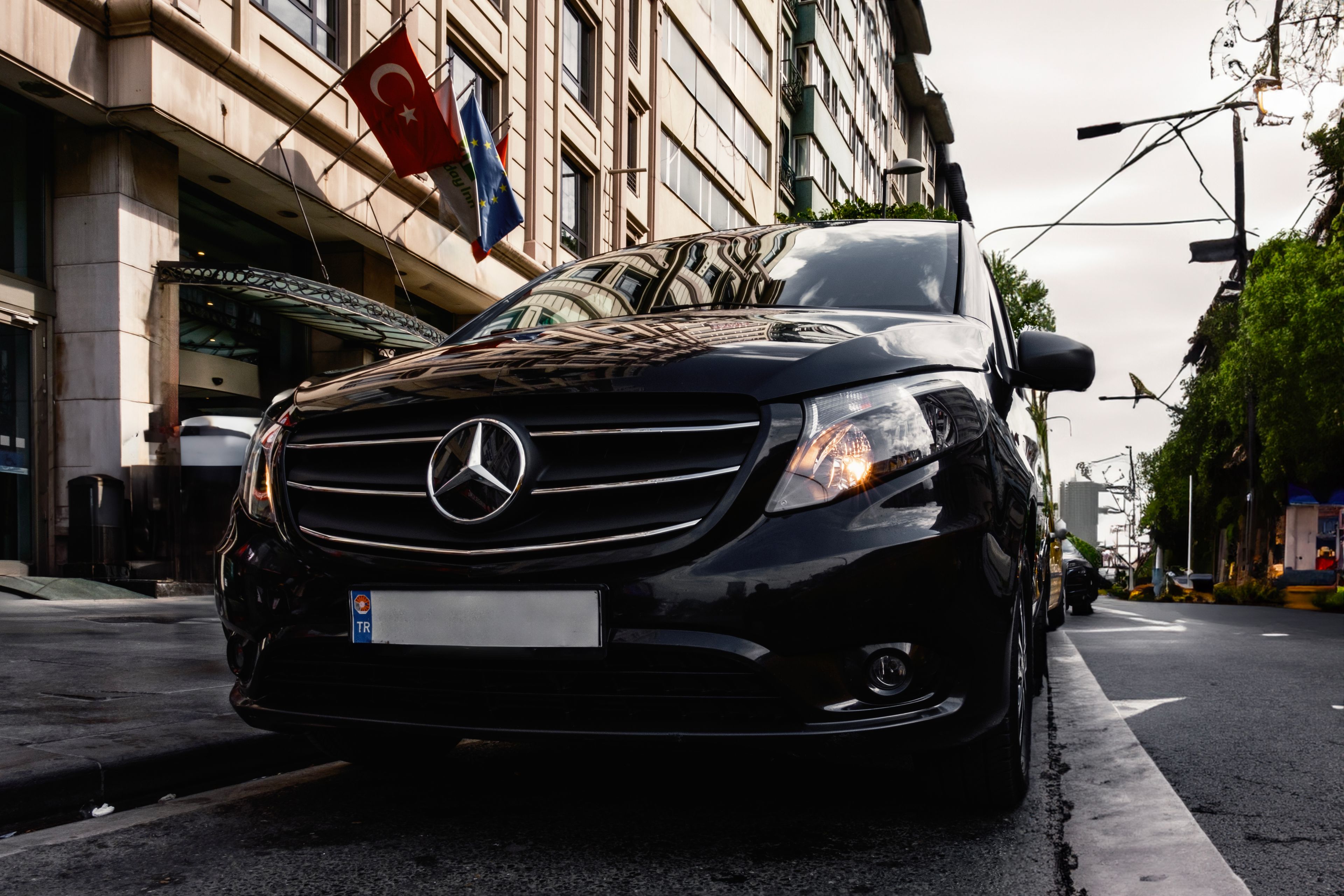
- Luxury MPV: four to six large cases with everyone still seated properly
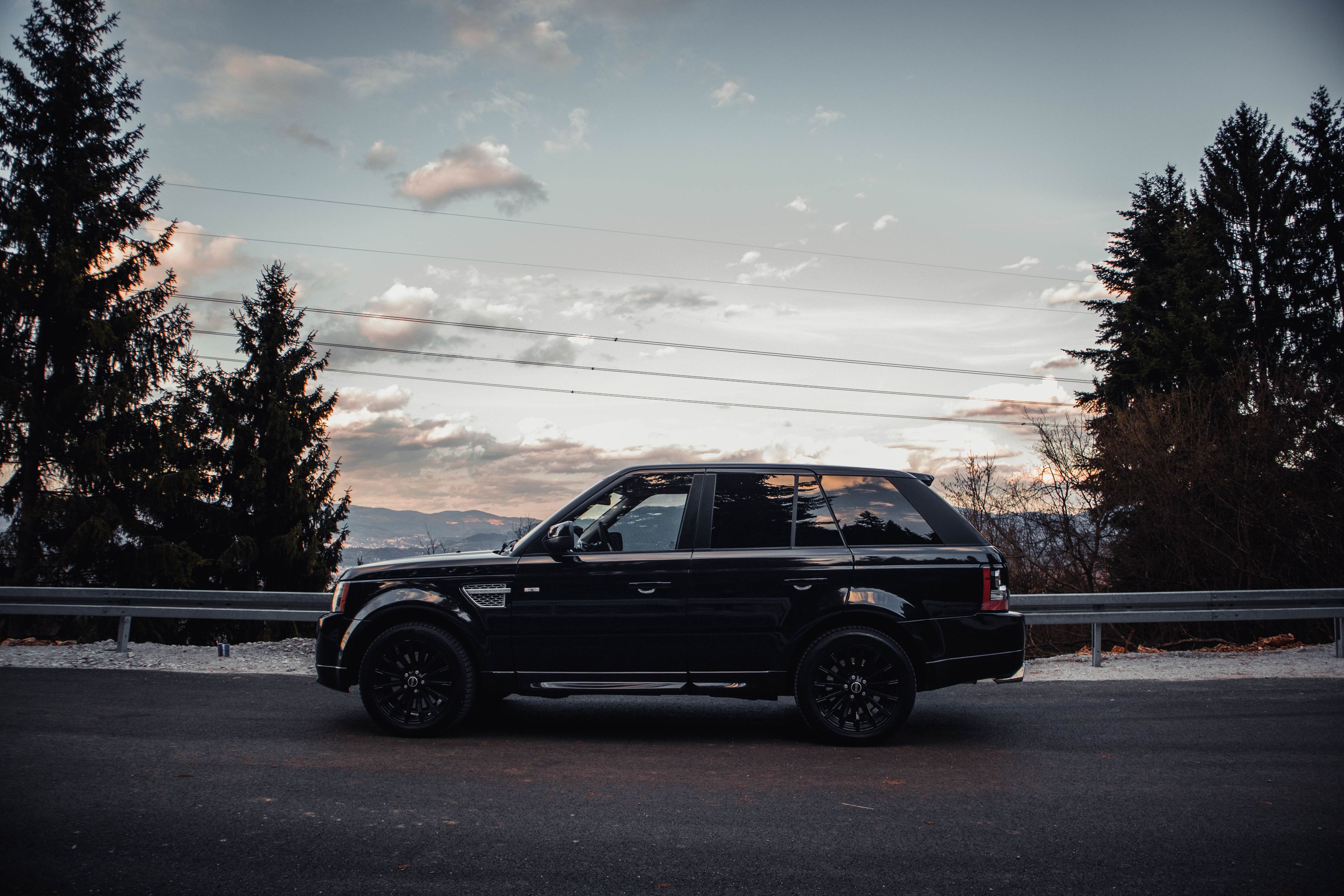
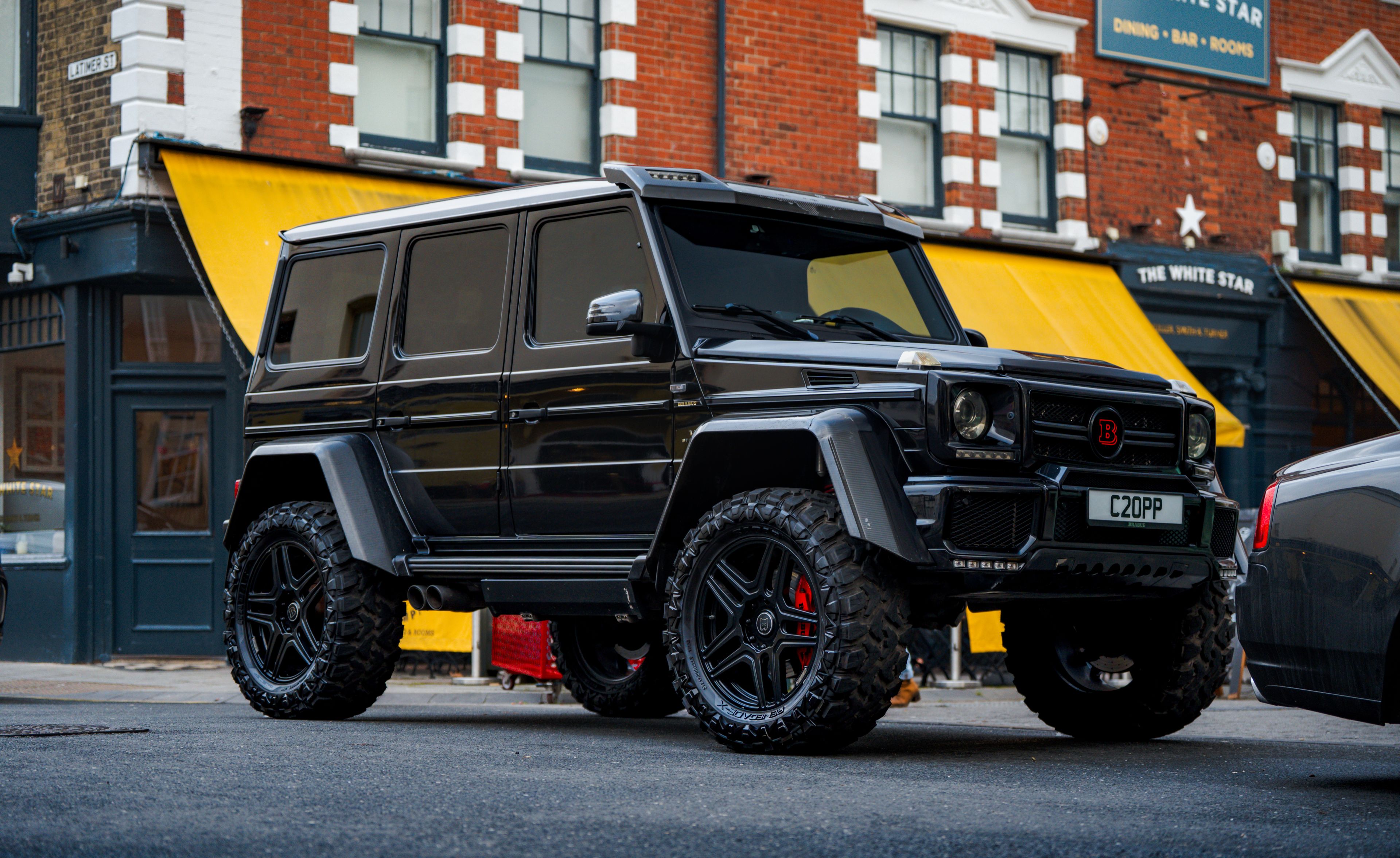
- Large SUV: good for bulky and awkward items, though seats reduce boot space
- Two vehicles: often the right answer for a group of five or more with full luggage
- If your count sits exactly on a limit, choose the larger vehicle
The items that break the arithmetic
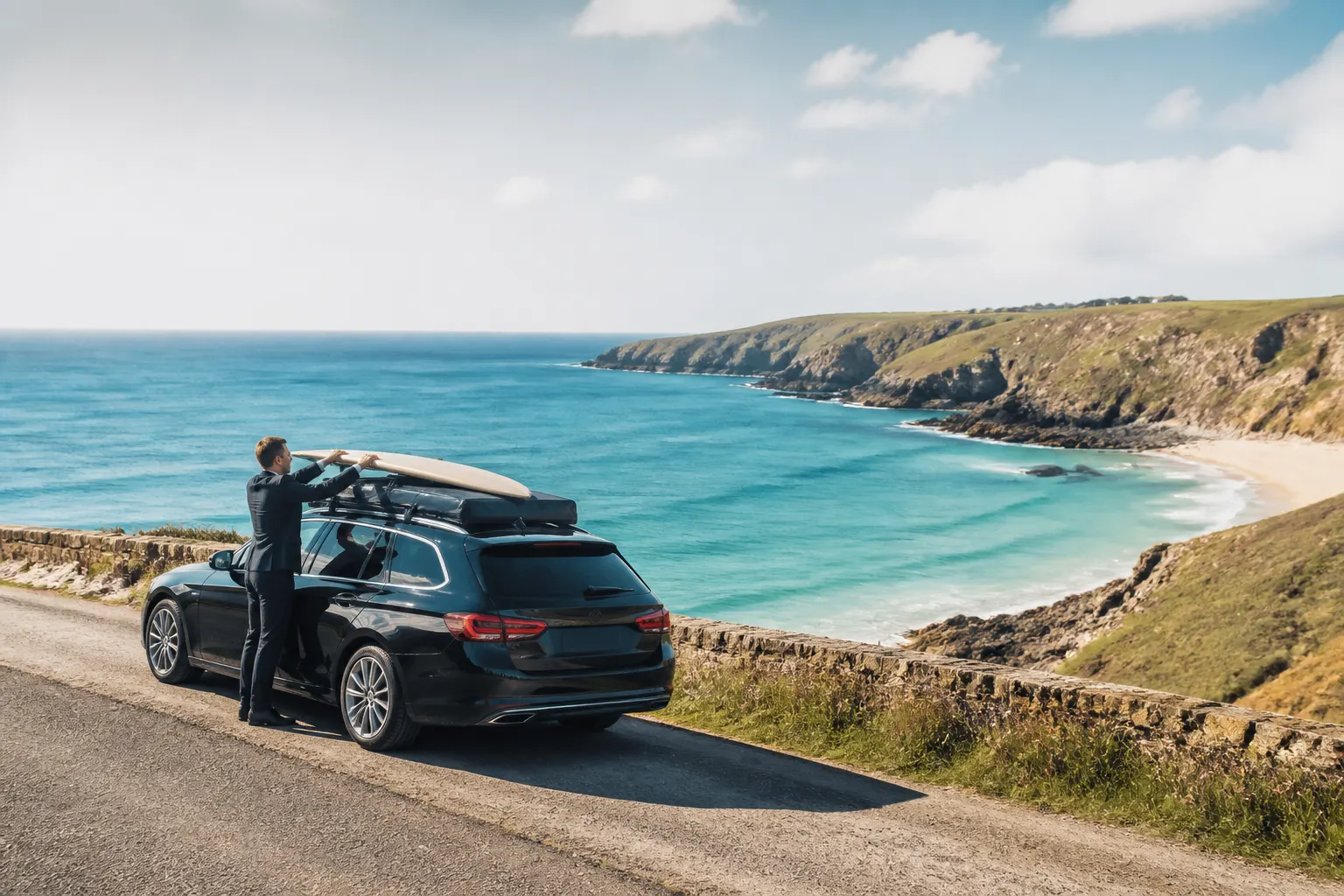
Certain things do not fit any sensible category and need naming individually when you book. Golf clubs are long and rigid. Skis and snowboards are longer still and often cannot go in a boot at all without folding a seat. Musical instruments in hard cases are both bulky and fragile. Pushchairs vary wildly, from something that folds into a shoulder bag to something that fills a boot on its own.
None of these are a problem when we know about them. All of them are a problem when we do not, because the vehicle sent for four cases is not the vehicle sent for four cases and a cello. Tell us the item, roughly how big it is, and whether it needs to travel flat or upright, and the right car turns up.
- Golf clubs, counted as individual bags rather than a single item
- Skis, snowboards and poles, which may require a folded seat
- Pushchairs and travel cots, which vary enormously in folded size
- Musical instruments, particularly anything in a rigid case
- Sports and diving equipment, which is heavy as well as bulky
- Framed pictures, artwork and anything that cannot lie flat
- Wheelchairs and mobility equipment, folded or otherwise
Why a saloon boot is smaller than it looks
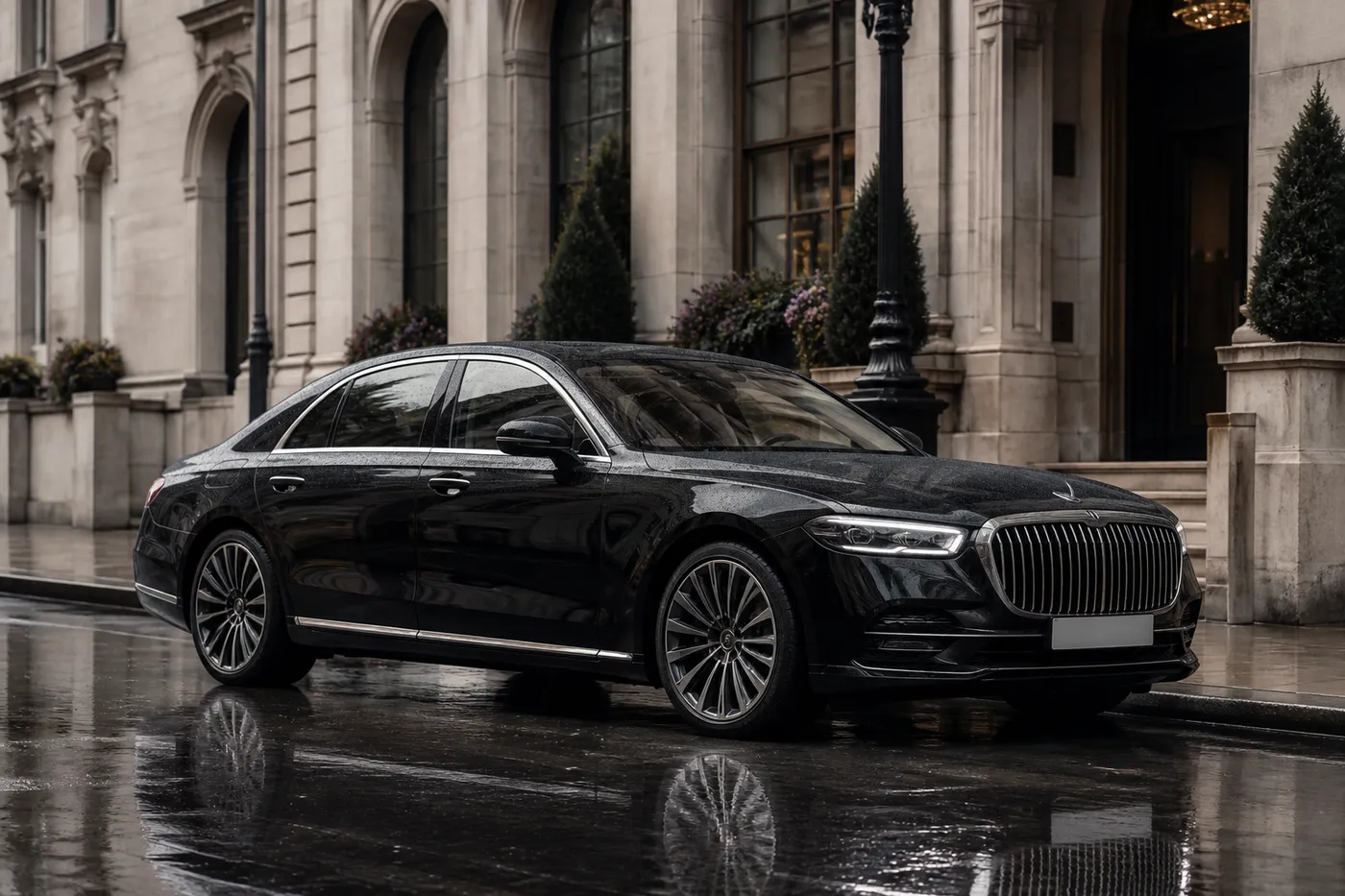
A saloon boot is a fixed rectangular space with a sloping lid and a relatively narrow opening. Its published volume is measured in a way that assumes ideal packing, which real suitcases do not permit. Two large hard cases typically fill it properly, and a third has nowhere sensible to go even though there appears to be room in the corners.
This is why the honest answer to whether one more case will fit is usually no. An estate or an MPV has a square opening, a flat floor and vertical space above the cases, which changes the arithmetic completely. It is not that a saloon is a poor car; it is simply the wrong shape for a family going away for a fortnight.
One larger car, or two smaller ones
For a group of five or six with full holiday luggage, there comes a point where a single vehicle stops being the sensible answer. An MPV carries a good deal, but a party of six each with a large case and a cabin bag is a substantial volume and cramming it in makes for an uncomfortable journey.
Two vehicles solve it cleanly and, for a group travelling together to the same terminal, they are simple to coordinate. Some parties also prefer it: two comfortable cars are more civilised than one full one. Our work is covered by our own cars and a vetted network of professional chauffeur operators, so a second vehicle is a normal arrangement rather than an exceptional one.
Getting the answer right at booking
When you enquire, send the passenger count and the luggage count as separate numbers, and name anything unusual. That single line determines the vehicle recommendation and it takes ten seconds to write. If you are not sure, describe what you have rather than guessing at a category, and we will work it out.
If the luggage changes after booking, tell us. People buy things, plans expand, an extra passenger joins. Changing a vehicle the day before is straightforward. Changing it at the kerb is not, and the moment you discover a boot will not close is the worst possible moment to be having the conversation.