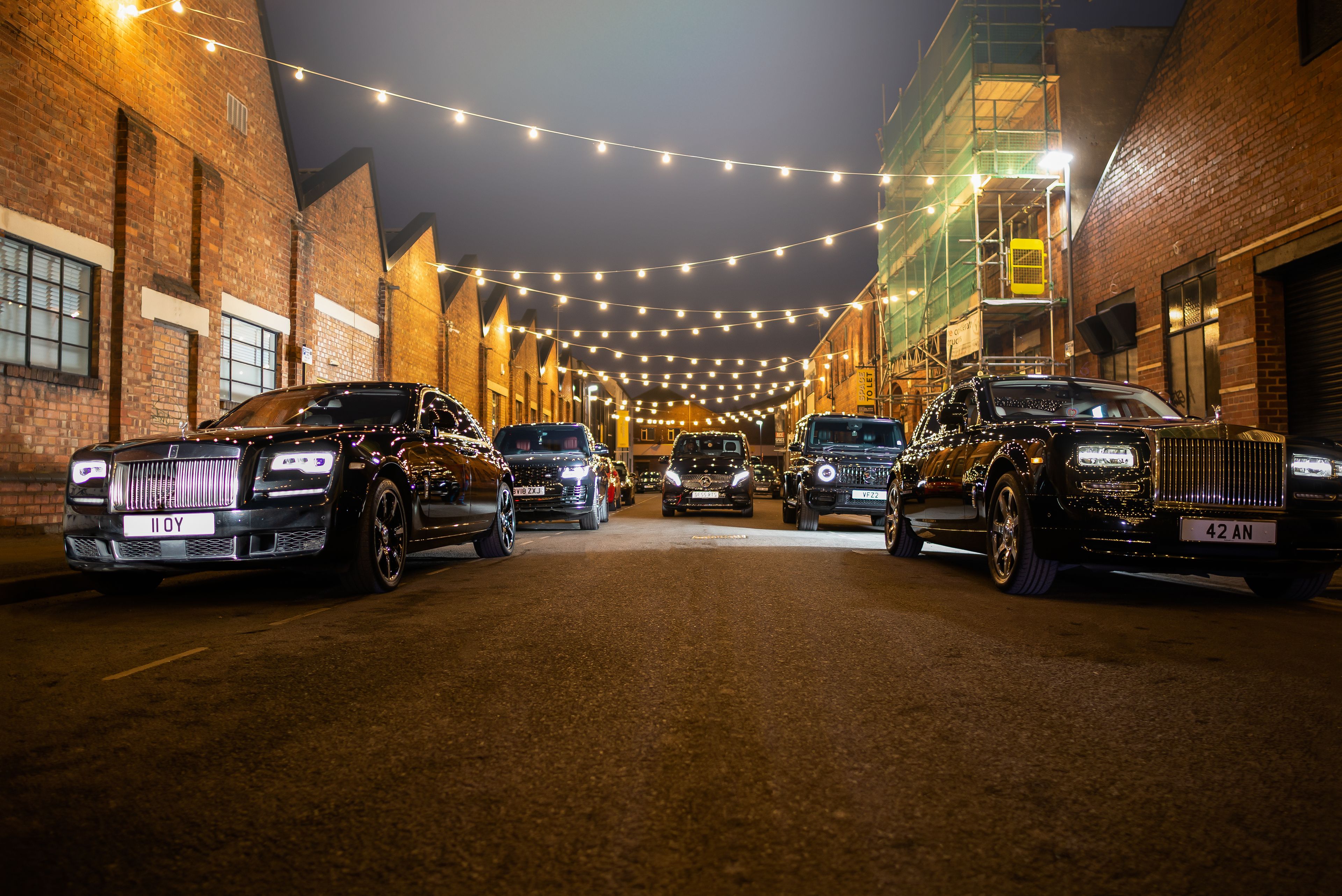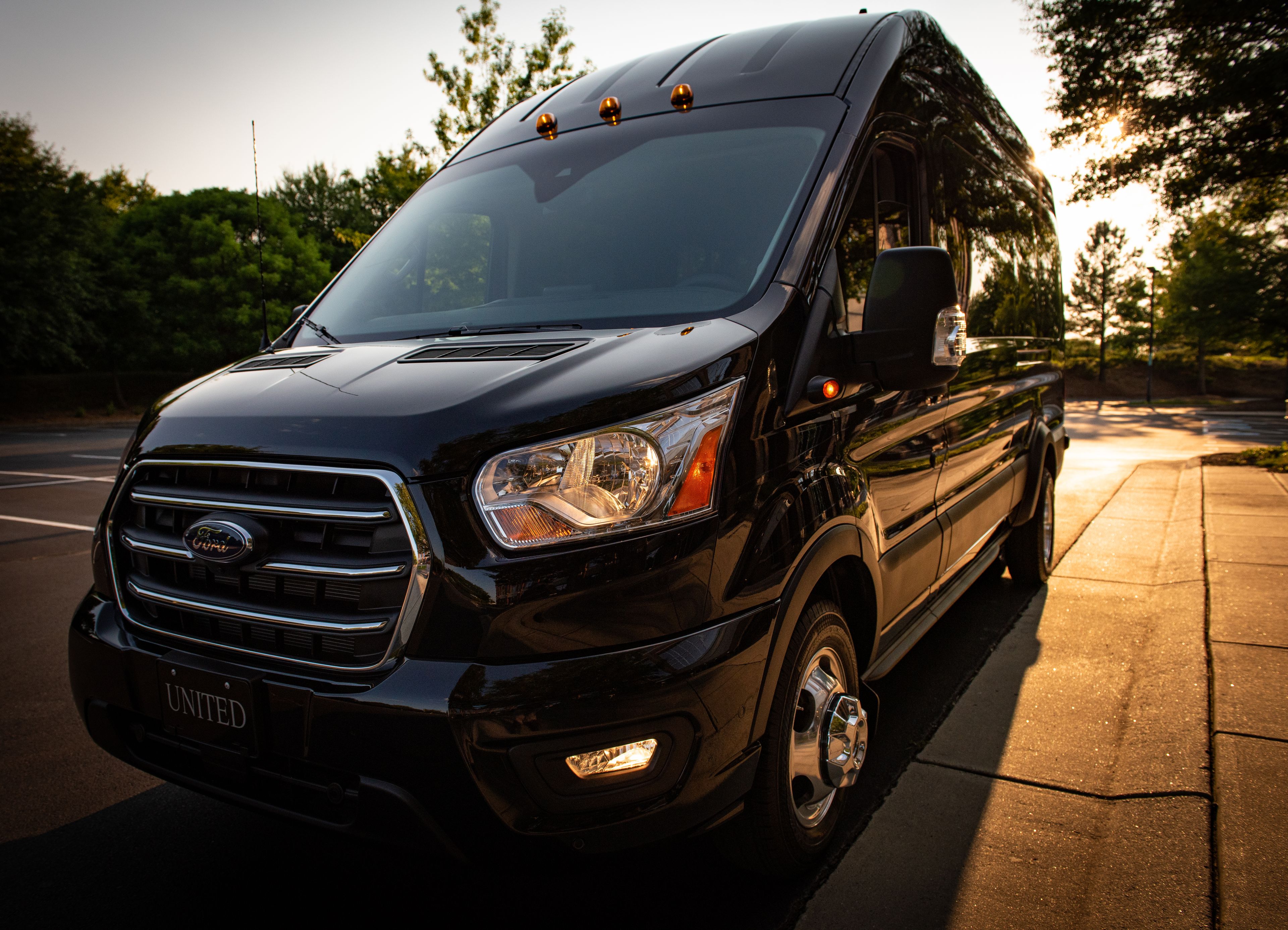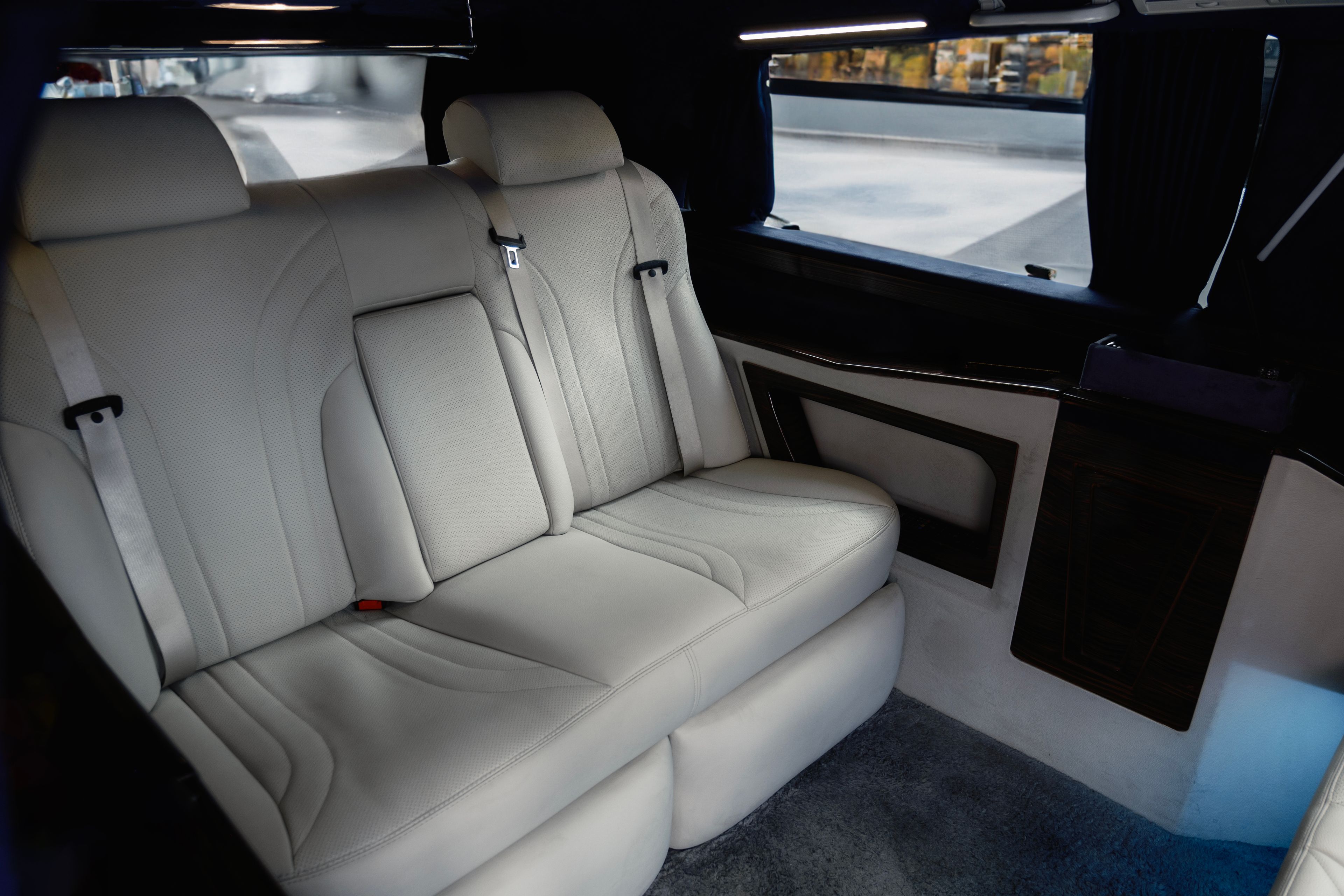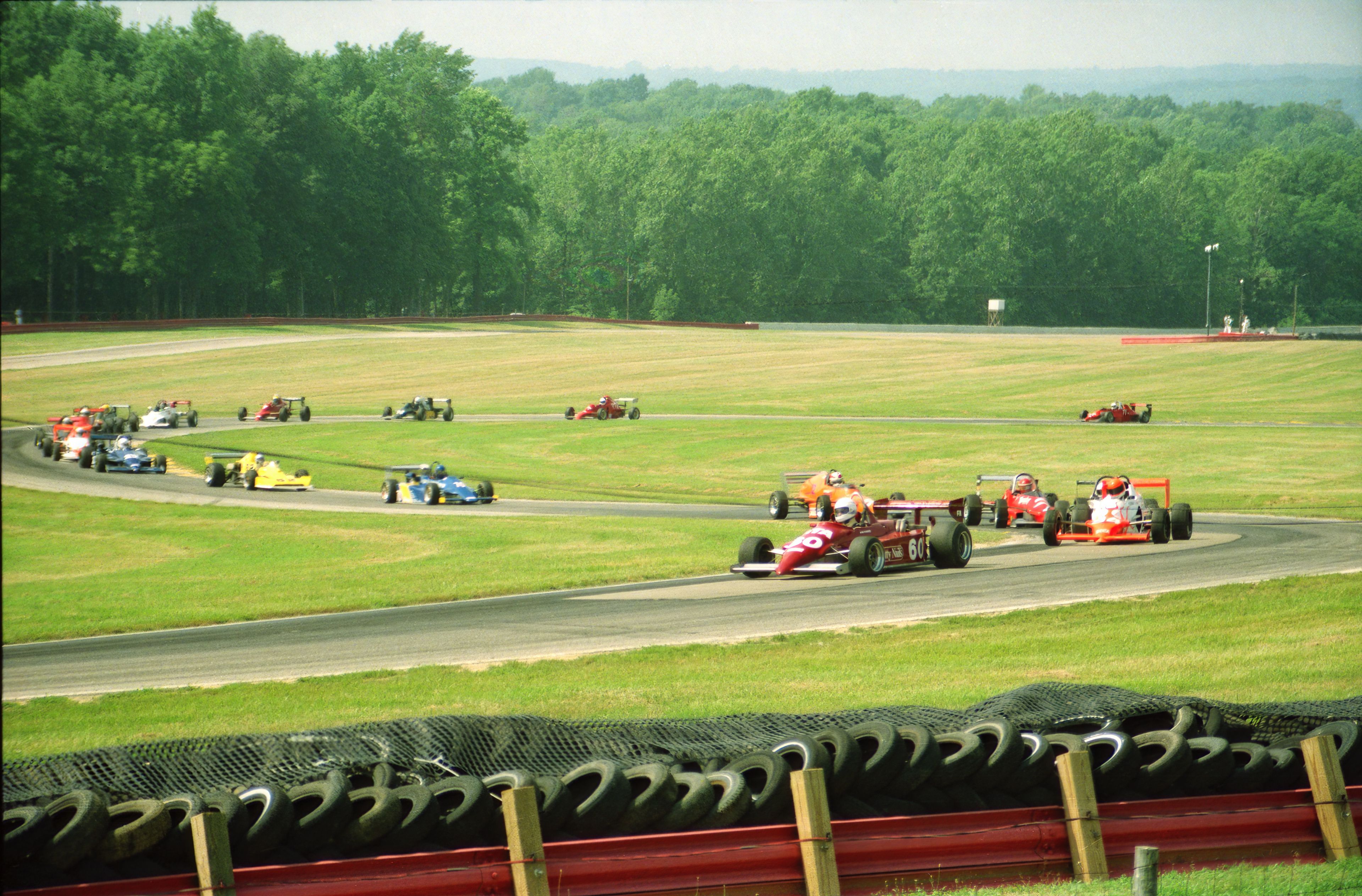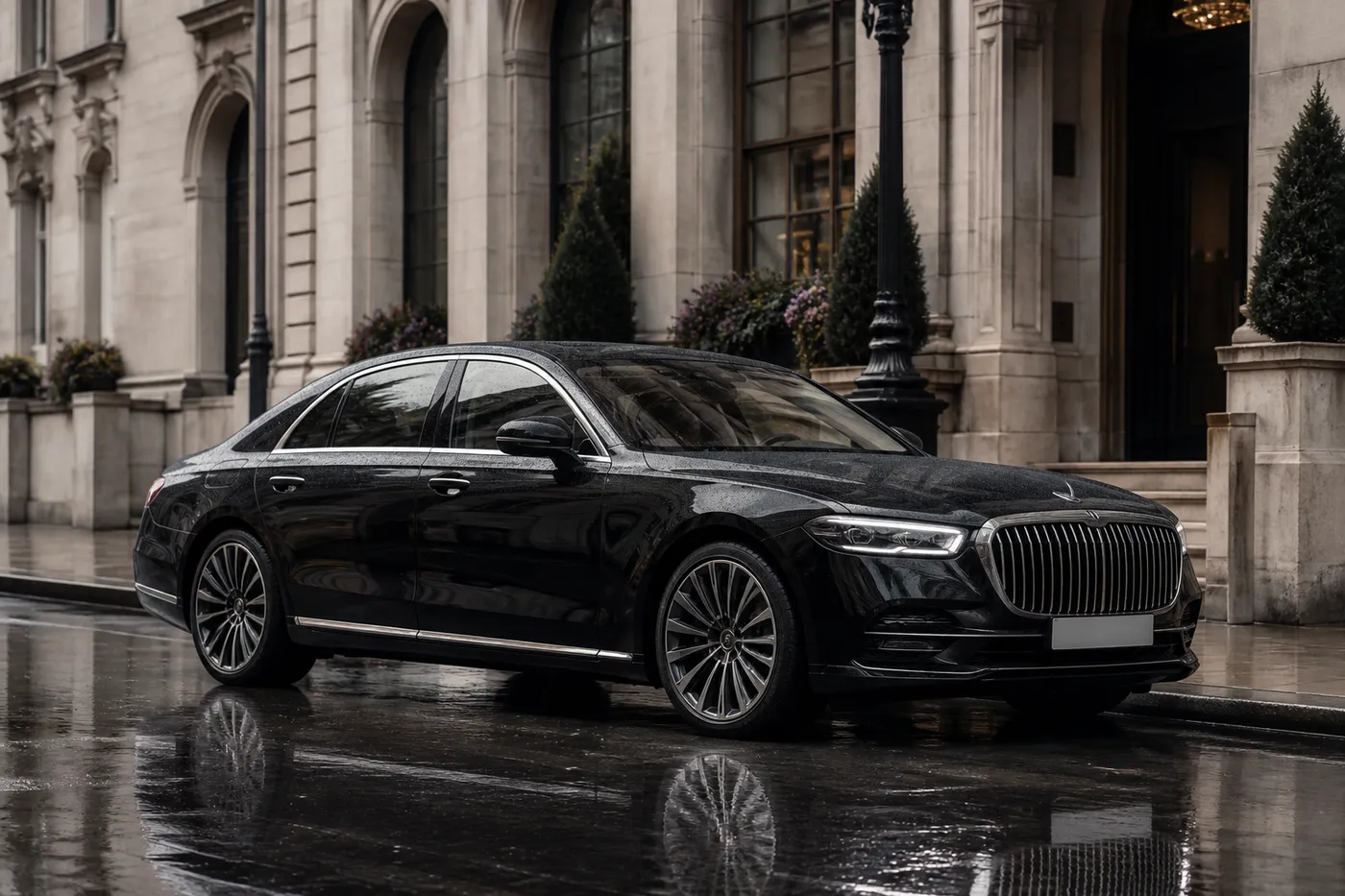


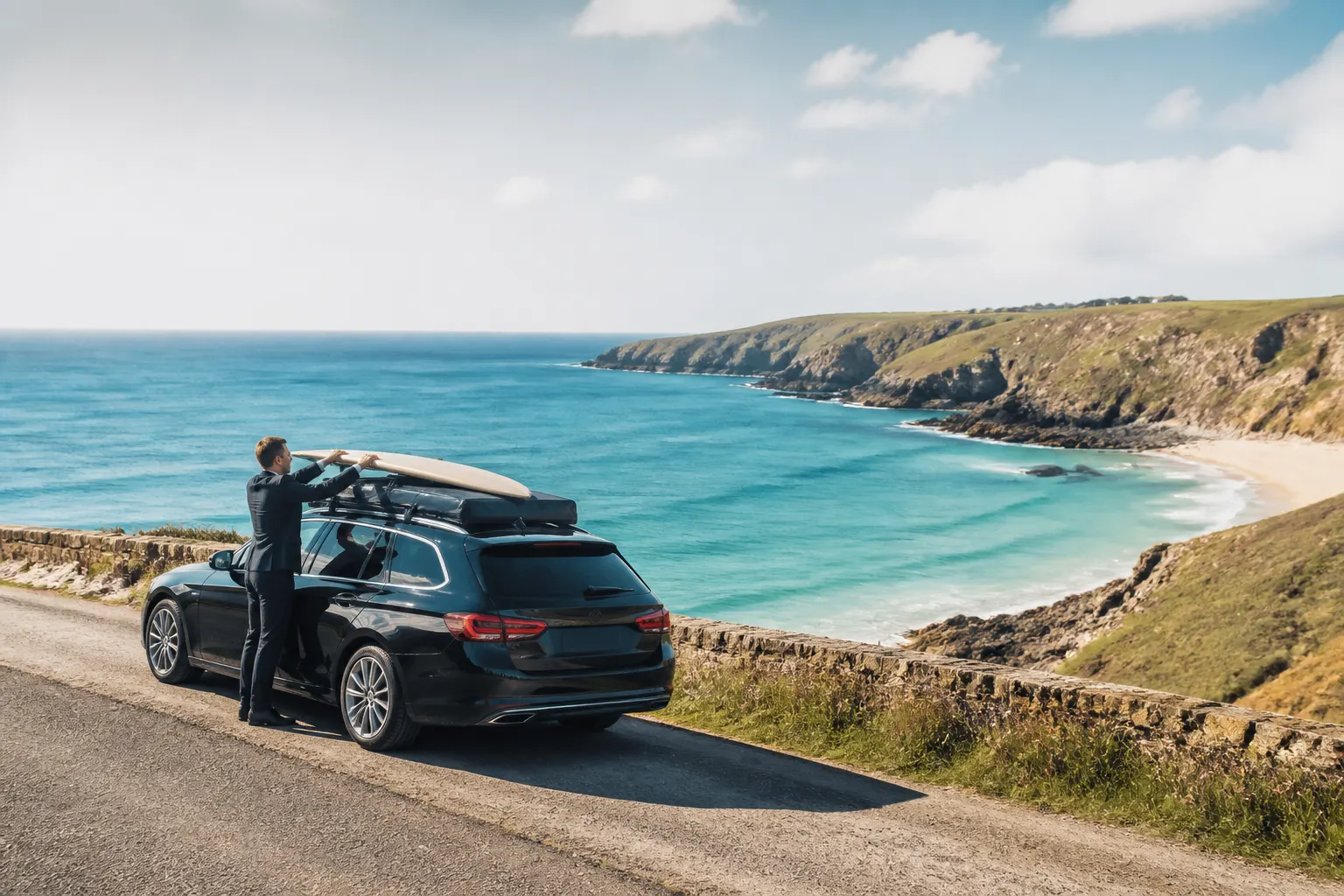



When a group needs several cars, there are two ways to do it. Each vehicle can be given the same destination and left to find its own way, which is simple and works perfectly well for a hotel transfer. Or the cars can travel as a convoy, keeping formation and arriving as one, which is more demanding to arrange and occasionally the only thing that will do.
The difference shows up at the destination. Independent cars arrive over a spread of ten or fifteen minutes, which is invisible at an airport and highly visible at a church, a red carpet or a summit venue with a fixed reception. A convoy exists to close that gap, and everything about how it is planned follows from that single objective.
How a convoy is put together
It starts with a briefing rather than a route. Every chauffeur is given the same running order, the same set-down sequence and the same contingency plan, so that no vehicle needs to make an independent decision under pressure. The lead car navigates; the others hold their position and follow, which is why a convoy feels calm from inside even when the traffic around it is not.
Communication is the second element. Chauffeurs stay in contact throughout so that a separation at a set of lights, an unexpected closure or a passenger needing an unscheduled stop can be absorbed by the group rather than fragmenting it. On longer routes an agreed regrouping point is set in advance, so that reuniting does not depend on improvisation at speed.
- A shared briefing covering route, order and set-down sequence
- A designated lead vehicle that navigates for the group
- Contact between chauffeurs maintained for the whole journey
- Agreed regrouping points on longer or unfamiliar routes
- A defined arrival order at the destination kerb
- A contingency plan if one vehicle is separated or delayed
When it is worth the coordination
Weddings are the clearest case. The order in which cars reach the church is part of the occasion, and a bridal car arriving before the guests undoes a good deal of planning. Corporate delegations are the second: a group with a fixed reception time, a badge collection or a security screening benefits enormously from arriving as one body rather than in a trickle.
It also earns its keep on unfamiliar long-distance routes, where a group heading to a country house or a rural venue would otherwise depend on several sets of directions and several sets of assumptions. Following a lead car that knows the final approach removes the last-mile confusion that causes most of the late arrivals on that kind of journey.

What convoy travel is not
It is not a security escort. A convoy is a coordination arrangement, concerned with keeping a group together and arriving in order; it involves no protective driving, no route sterilisation and no security personnel unless those have been separately arranged. If your requirement involves risk rather than logistics, that is a different discussion and a different specification.
Nor does it license any special road behaviour. Convoy chauffeurs stop at red lights, keep normal separation, and obey the same rules as everyone else, which means a convoy can and sometimes does become separated in heavy traffic. That is precisely why the briefing and the regrouping points matter, and why a sensible convoy plan assumes separation rather than hoping to avoid it.