


Mobility is the subject where vague reassurance does the most damage, because the consequences land on a pavement with a passenger who cannot get into the car. The useful version of this page is therefore blunt about what a standard chauffeur vehicle can do, what it cannot, and where a different kind of service is the right answer instead of an improvised one.
Most journeys involving a wheelchair or a walking aid are entirely straightforward once the details are known. The vehicle is chosen for its seat height and door aperture, the chair travels in the boot, and time is allowed at both ends. The problems come almost entirely from assumptions made silently on either side, and this page exists to remove them.
The limit, stated plainly
A standard chauffeur car is not a wheelchair-accessible vehicle. There is no ramp, no lift and no way to secure a chair with a passenger seated in it. Anybody who must remain in their own wheelchair for the journey needs a purpose-adapted vehicle, which is a specialised service run by operators equipped for it, and the right thing to do is arrange that rather than improvise around it.
What a standard vehicle does perfectly well is carry a passenger who can transfer to a car seat, with their folded chair or frame travelling in the boot. That covers a large proportion of requests. Establishing which of the two situations applies is the first question to answer, because everything below assumes the passenger can transfer with or without help from a companion.
Which vehicles are easiest to enter
Height is the deciding factor and the sweet spot is a mid-height vehicle. A luxury MPV has a floor at roughly the height of a dining chair, a wide sliding door and a grab handle beside the aperture, which makes a sideways transfer about as easy as it gets in an ordinary car. For most passengers with limited mobility, that is the vehicle suggested first.
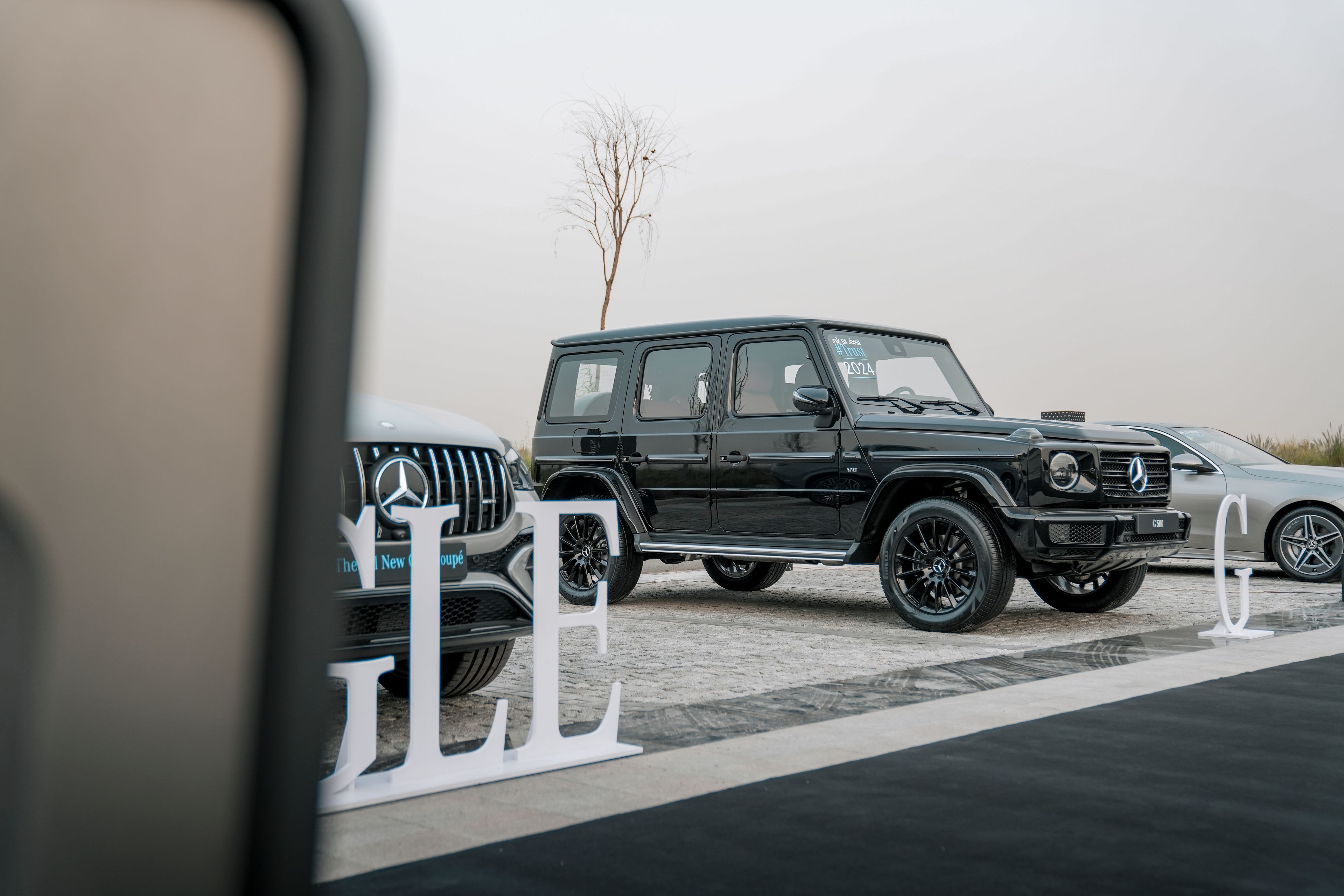
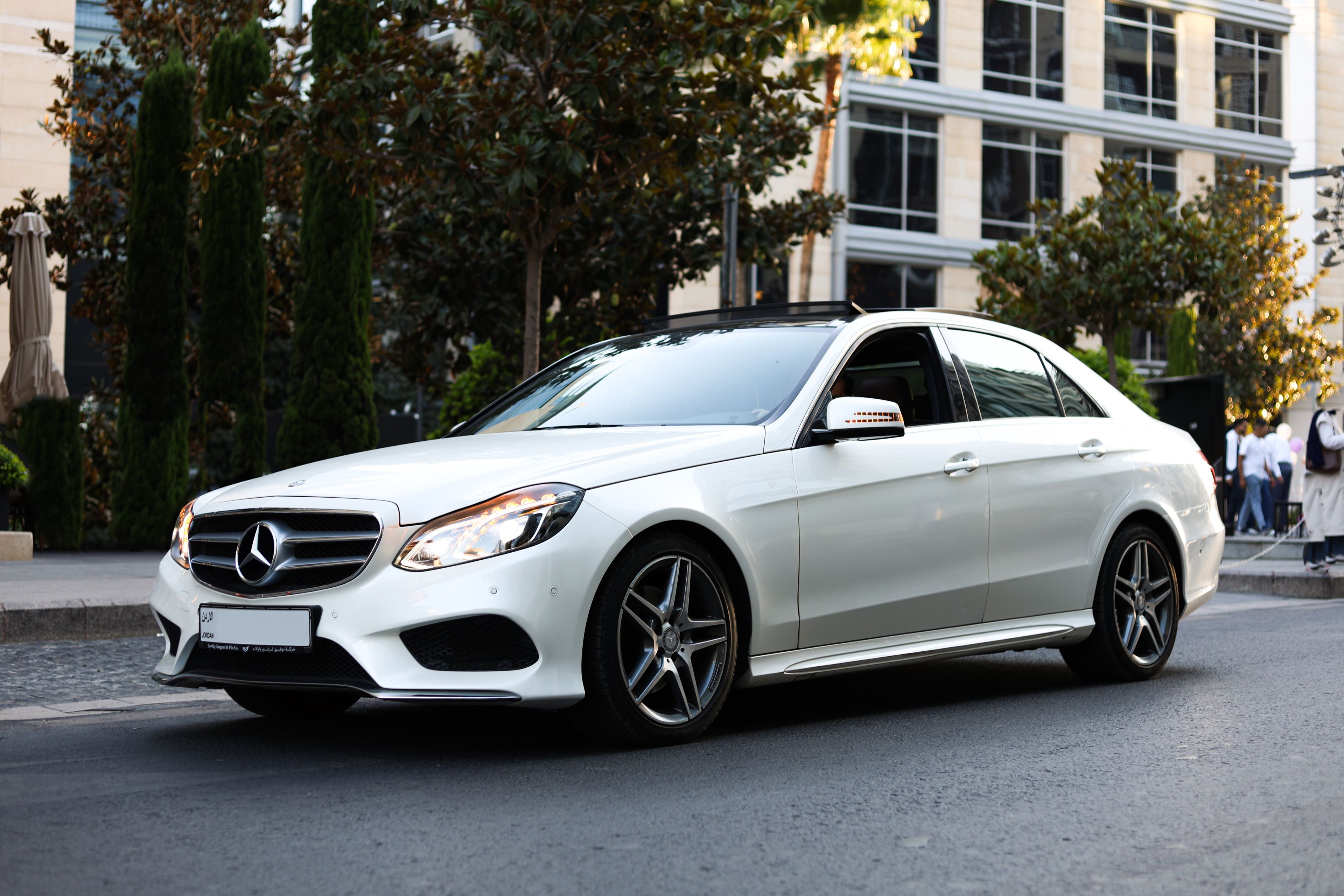
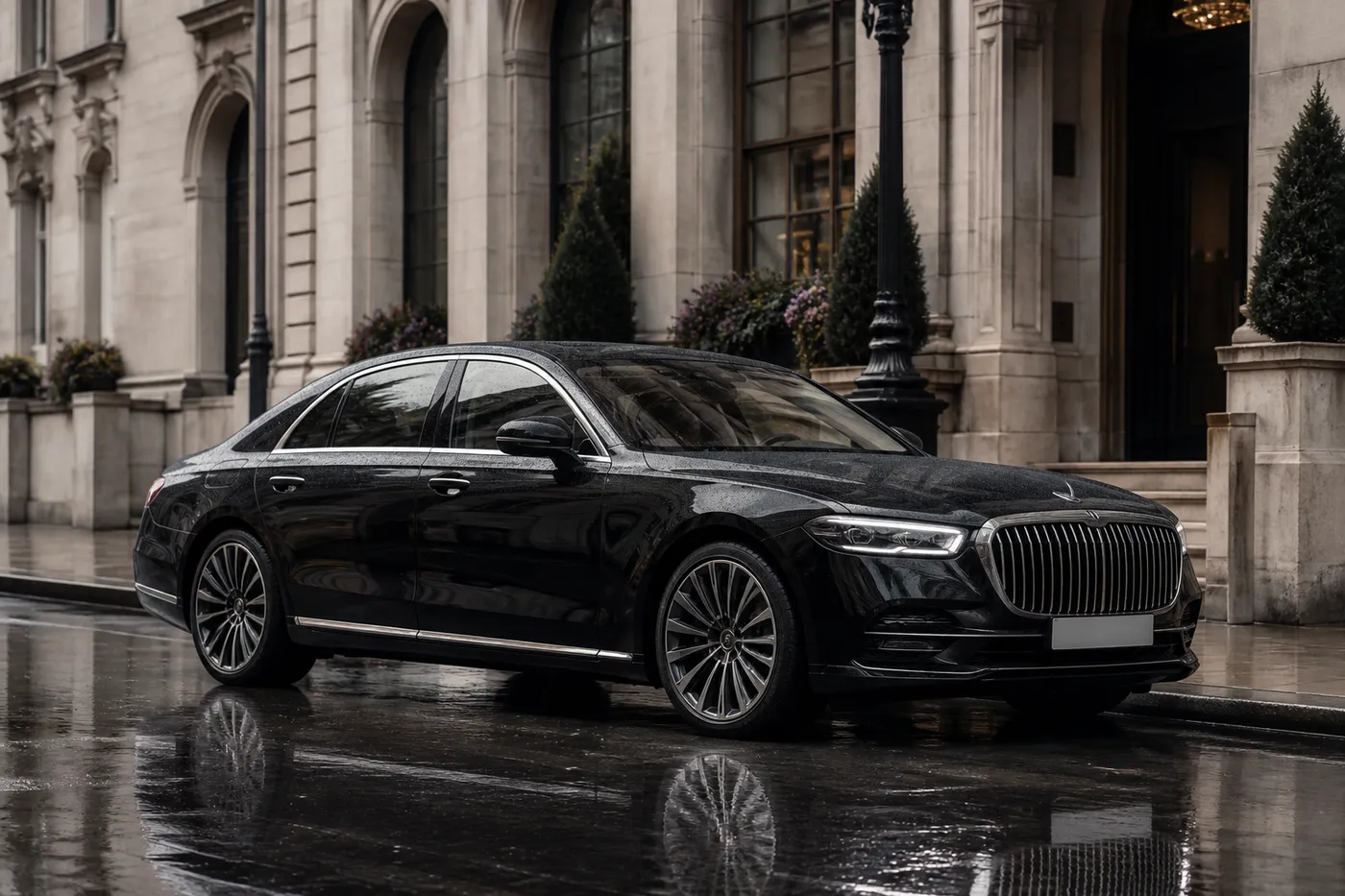
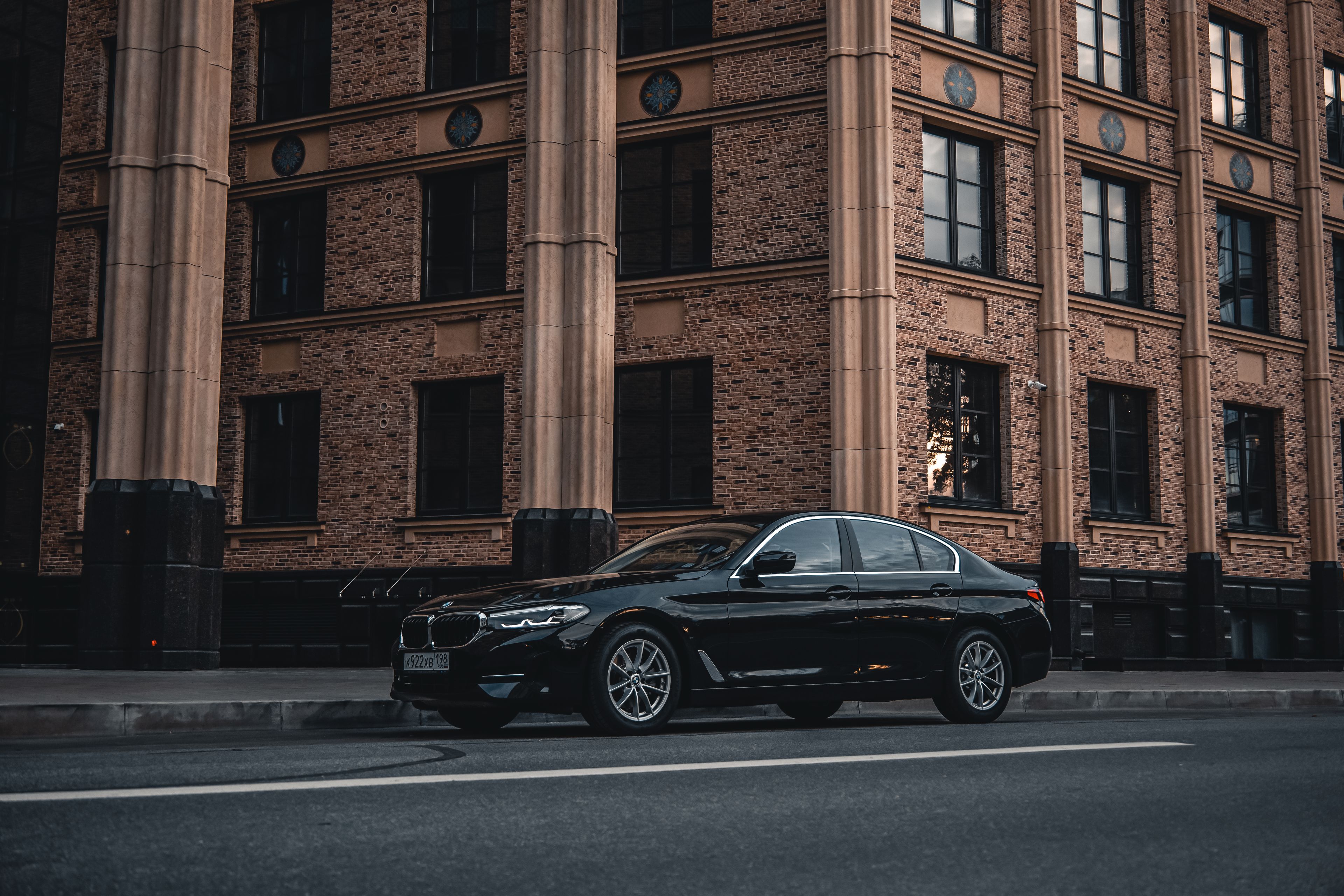
Saloons sit low, so entering means dropping down and leaving means pushing back up, which is difficult with a weak leg or a painful hip. SUVs sit high and require a step up, though some models can lower themselves on air suspension where that function has been specified. Neither is impossible; both are harder work than an MPV, and over several stops the difference compounds.
- Luxury MPV: flat floor, sliding door, chair-height seat, grab handle
- Range Rover with lowering air suspension, where the car has it
- Executive saloon: manageable for one transfer, tiring over many
- Defender and taller SUVs: a real step up, even with side steps
- Coach-door cars: a wide aperture, but a low seat to drop into
What the chauffeur can and cannot do
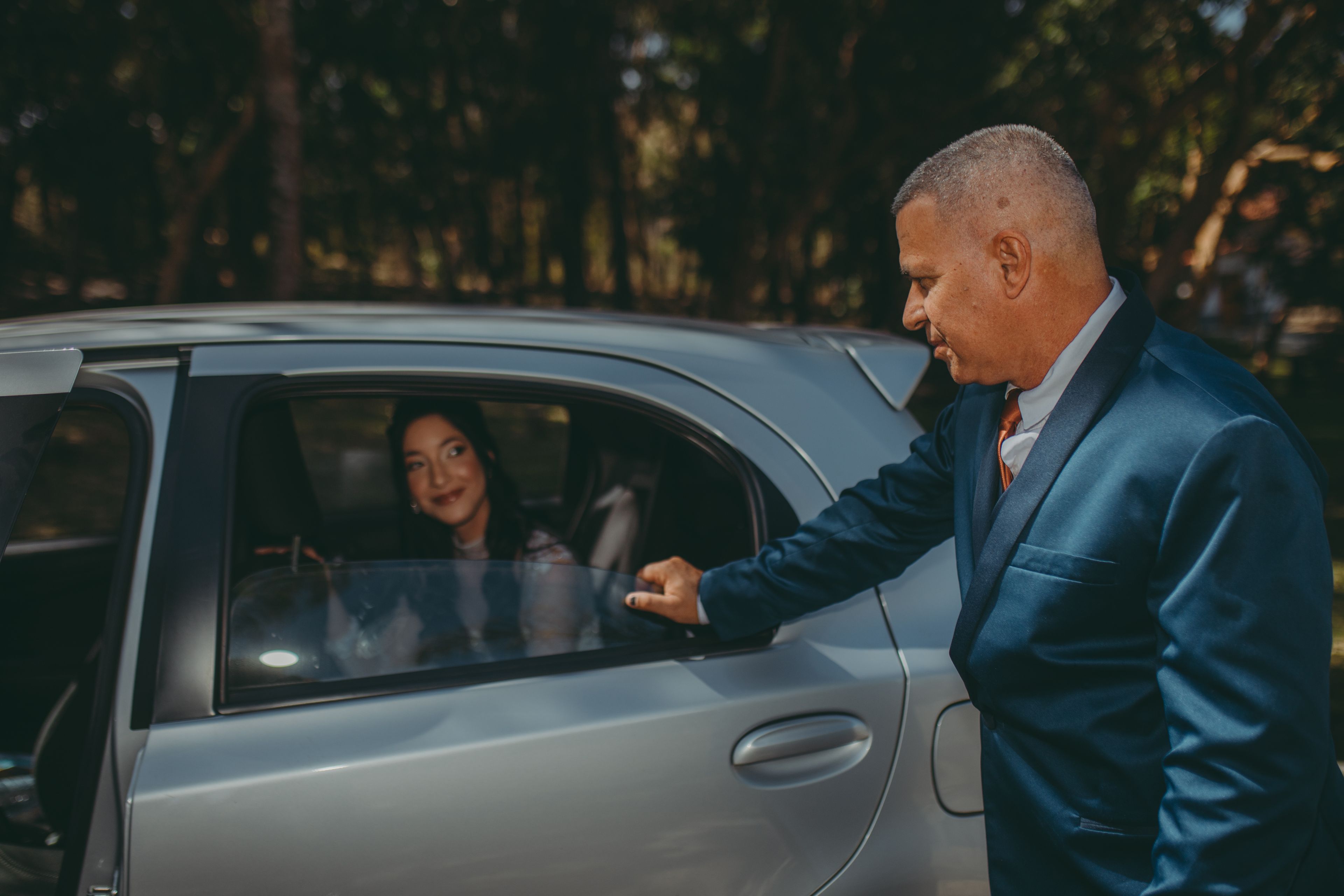
Your chauffeur will position the car so the passenger door is at the kerb, open and hold the door, steady an arm, take the weight of a walking frame, fold and stow a chair, and carry everything else. All of that is entirely normal and none of it needs to be requested with any awkwardness at all. Say what would help and it will simply be done.
What a chauffeur cannot do is lift or physically transfer a person. They are not trained carers, they carry no equipment for it, and attempting it puts both people at risk of injury. If the passenger needs physical assistance to move between a chair and a car seat, that assistance has to travel with them, and there is a seat for a companion in every vehicle we run.
Folding chairs, frames and boot space
A folded manual wheelchair takes up roughly the space of a large suitcase, sometimes more depending on the frame, and it has to travel flat rather than upright. That means it displaces luggage instead of fitting around it, which is the detail most often missed when a family counts cases and forgets the chair entirely. Add it to the count as though it were another suitcase.
Powered chairs and scooters are a different matter altogether. Most are far too heavy to lift into a car boot and many do not fold at all, so they need either a vehicle with a ramp or separate arrangements made in advance. Tell us the make and model if a powered chair is involved, because the honest answer is sometimes that a different type of service is required.
Planning the ends of the journey
Journeys with a mobility requirement succeed or fail at the kerb rather than on the road. Which side of the street the car stands on decides whether a passenger steps out onto a pavement or into traffic. A dropped kerb, a level entrance and a short walk from the door all matter more than the route does, and every one of them can be planned when the addresses are known.
Time is the other half of it. Loading takes several minutes rather than seconds, and rushing is exactly what causes a fall. Build the extra time in at the start rather than absorbing it out of the margin before a flight. At airports, special assistance is arranged through the airline in advance; it is a service the airport provides and not something a chauffeur can substitute for.
What to tell us when you book
The list below covers everything that shapes the vehicle choice and the timings. Sending it in one message removes almost every problem described on this page, and none of it needs discussing at length or explaining twice. It is far better to over-explain in writing than to arrive at a car that turns out to be wrong for the passenger, and nothing in it is treated as unusual.
Vehicles come from our own cars and from a vetted network of professional chauffeur operators, and the specification of individual cars varies, so a feature such as lowering suspension or a particular seat layout is subject to availability and confirmed with the booking. Send the details on WhatsApp or by email and you will be told plainly what can be arranged for your date.
- Whether the passenger can transfer to a car seat, with or without help
- The type of aid: manual chair, folding chair, powered chair, frame or stick
- Folded dimensions and rough weight of a chair, where known
- Whether a companion or carer is travelling as well
- Which side the passenger prefers to get in and out on
- Steps, gravel, gates or a long path at either address
- Extra time needed at each end of the journey