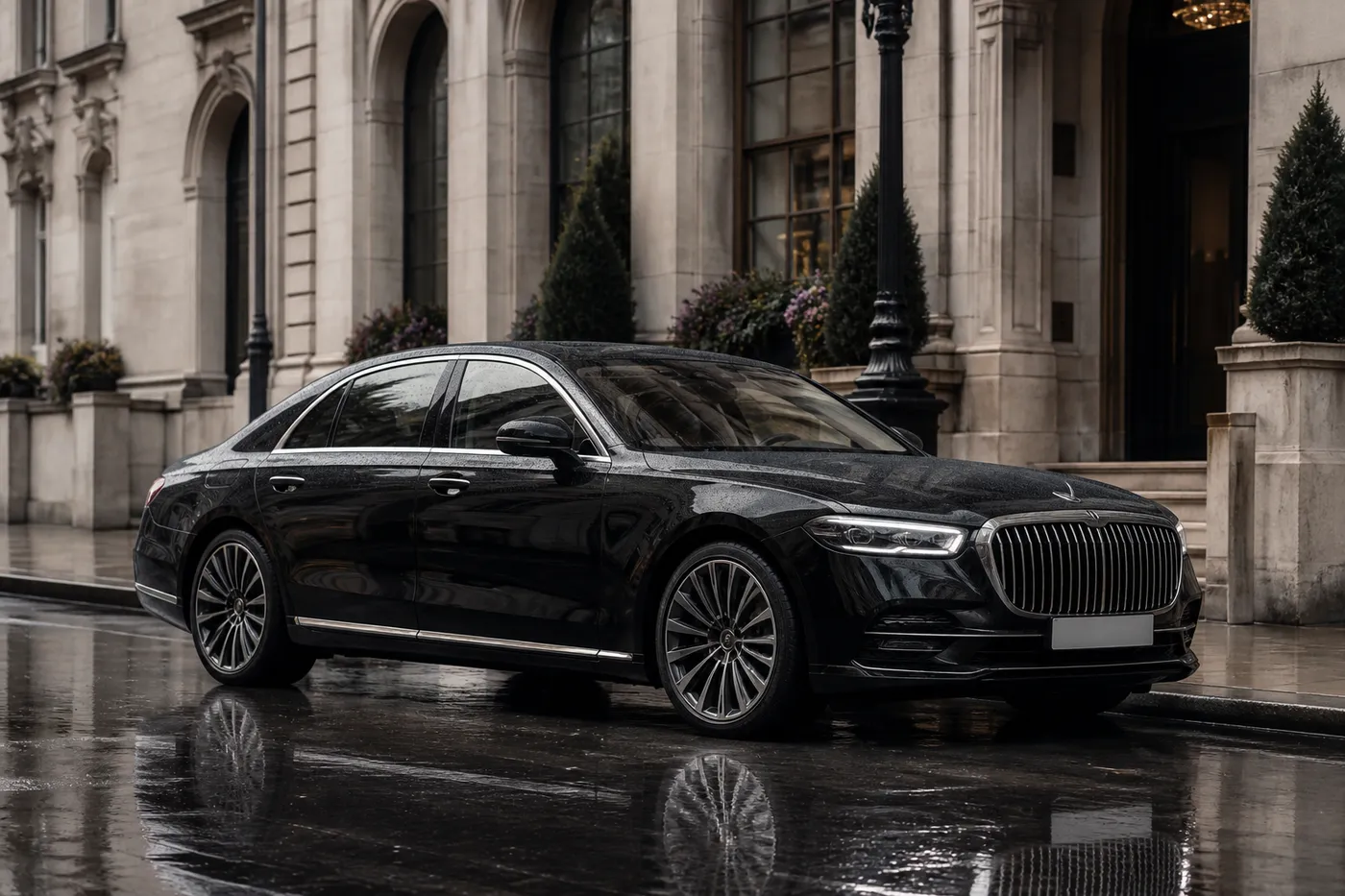


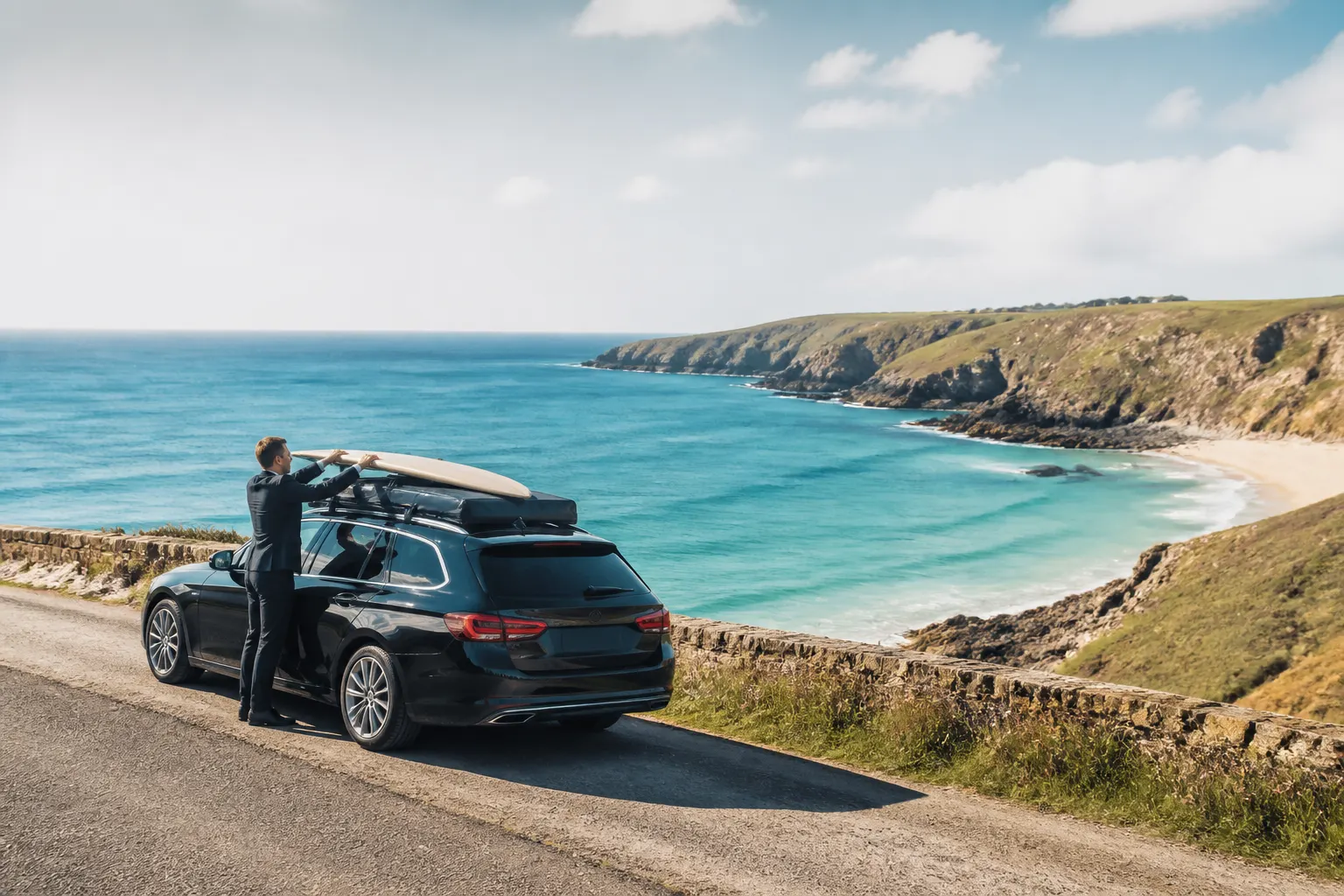


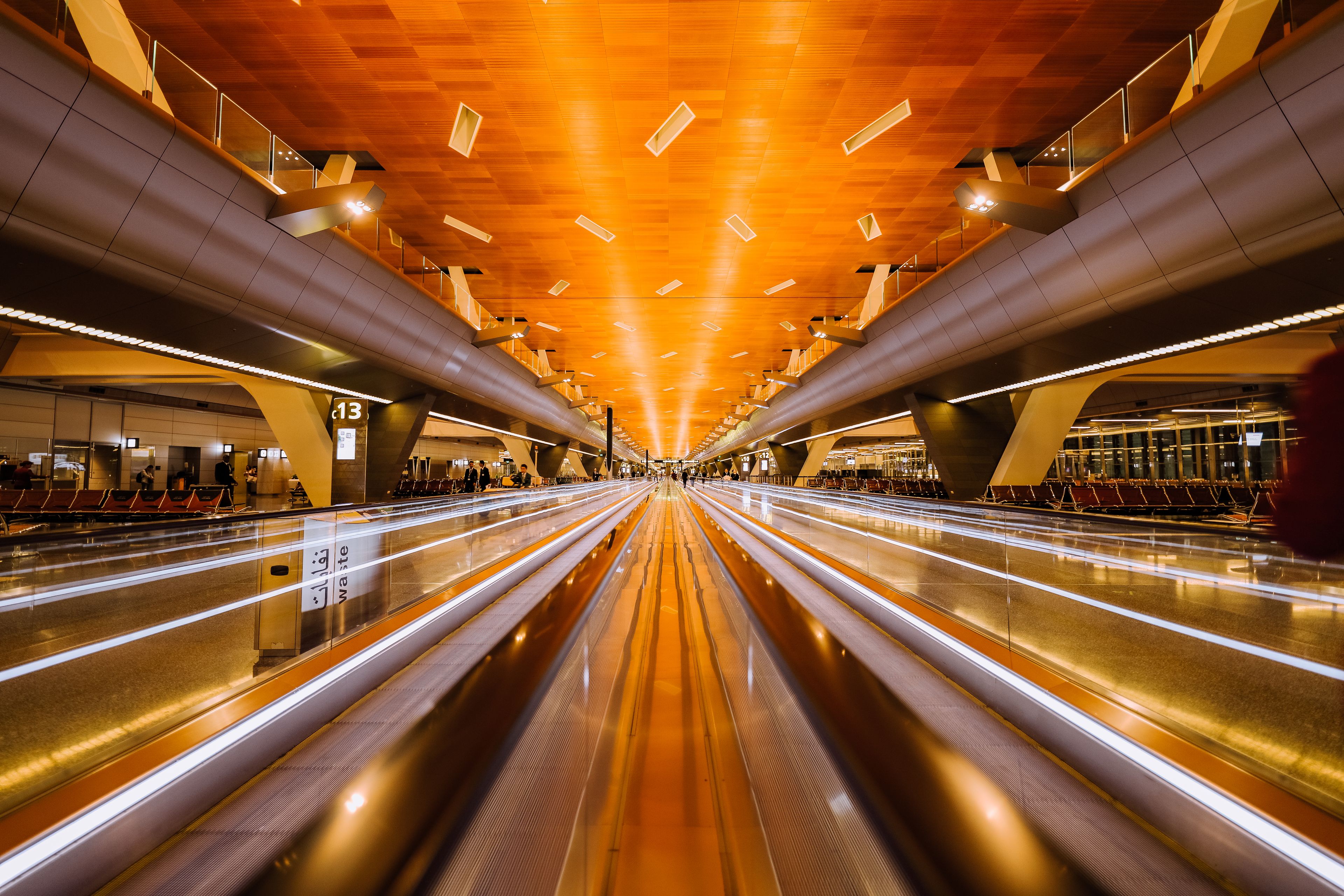
A night landing has a particular character. The terminal is quiet, the shops are shut, the ordinary machinery of an airport is running at reduced capacity, and everybody around you has been awake far longer than they intended. It is the arrival where having a car and a named chauffeur already waiting makes the largest difference to how the rest of the night goes.
It is also the arrival where improvisation works least well. The options that exist at midday are thinner at three in the morning, and the consequences of a plan not working are correspondingly greater. This page explains what actually changes at that hour, from the pace of the terminal to the drive that follows, and what to settle before you fly.
What a night landing actually looks like
Two broad categories arrive in the small hours. Long-haul services scheduled to land early in the morning after an overnight flight, and short-haul leisure services running late in the day or delayed into the night. They produce quite different passengers. The first are tired but expecting it. The second are tired and were not expecting to be.
Either way, the terminal you walk into is a quieter and simpler place than the daytime version. That has advantages: shorter queues in many cases, less crowding at the belt, and an arrivals hall where a name board is easy to spot. It also means fewer staff around, fewer facilities open, and less margin in the system if something goes wrong.
Clearing an airport at three in the morning
Clearance at night can be genuinely fast, particularly at a regional airport where yours is one of very few arrivals. It can equally be slower than you expect, because border control and baggage handling both run reduced overnight staffing and a single large aircraft can absorb the whole of it. The variance is wider than during the day rather than uniformly lower.
As a planning assumption we still work from the published schedule and the clearance times we would ordinarily expect for that kind of arrival at that airport, adjusted for the hour. That is what sharing your flight number allows us to do. It is not live tracking and we do not present it as such; it is sensible planning based on the timetable and on experience.
The practical upshot is that the waiting allowance built into a night booking is the same commitment as at any other hour. Your chauffeur will already be in the arrivals hall with the board up. If the delay stretches well beyond what was planned for, a WhatsApp message is enough and any extension is discussed with you rather than applied silently.
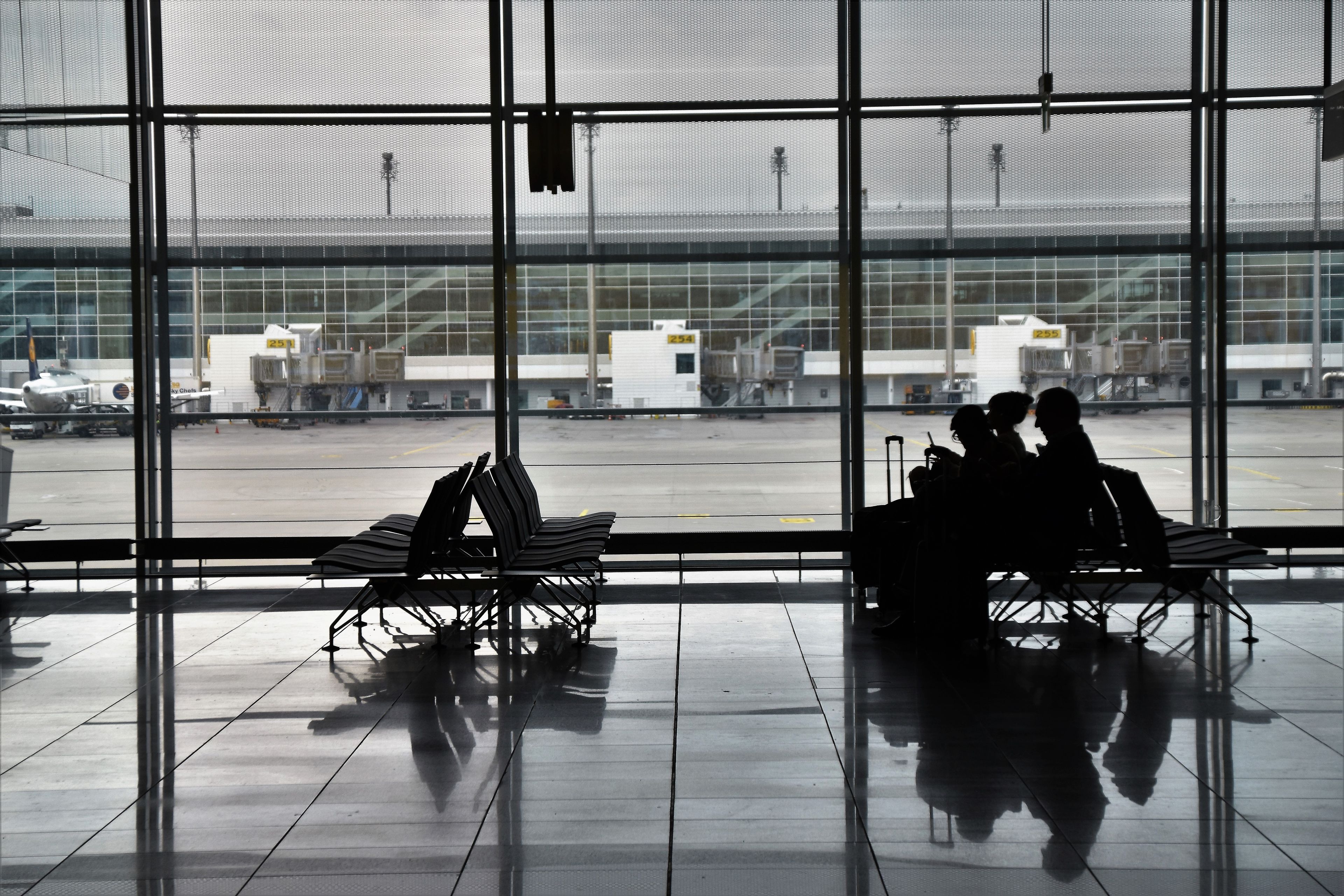
Where the chauffeur waits when the hall is quiet
In the same place as at any other hour: the public arrivals area, facing the doors, holding a board with your name. At night this is easier rather than harder, because the hall is emptier and there is no crowd to look through. Most guests spot the board within a second or two of coming through.
There are a few practical details worth knowing about night arrivals, since the building behaves differently. The list below covers what we plan around. None of it changes the service, but knowing it in advance means nothing comes as a surprise at an hour when surprises are least welcome.
- Some terminal entrances and concourse routes may be closed overnight
- Fewer facilities are open, so plan for water or food in the car if needed
- The car will be parked close, since the car parks are largely empty
- The walk out is usually quicker than during the day
- Signage remains lit, but there are fewer staff to ask
- A working WhatsApp number matters more than usual at this hour
The drive home in the dark
This is the part guests most consistently underestimate the value of. After a long flight, driving yourself along an unlit A-road at three in the morning is not a good idea, and neither is arriving at a rank hoping something is available. A chauffeur who has slept, who knows the route and who is working rather than finishing a long day is a materially different proposition.
The drive itself is usually quick. Motorways are clear, urban approaches are empty, and journeys that would take ninety minutes in daylight can run considerably faster. What we plan for instead is fog on low-lying stretches, ice on untreated rural roads, and overnight closures, which are the three things that reliably interrupt an otherwise easy run.
Long onward journeys after a night landing
A two- or three-hour drive after a night landing is entirely ordinary work and it is often the best answer available, since the alternative is a hotel near the airport and a second start in the morning. The cabin is quiet, the roads are clear and most passengers sleep. It is one of the journeys where a comfortable car earns its keep most obviously.
If that is your plan, tell us at booking rather than on arrival. A long onward leg changes the vehicle we suggest, how the chauffeur's night is arranged, and whether a stop is worth building in. It also changes what we need from you: a full destination address with a postcode, and a note about the property approach if it is rural and unlit.
What to arrange before you fly
Night arrivals reward preparation more than any other kind, simply because nobody wants to be solving problems at that hour. Everything below is quicker to settle before you leave than after you land, and most of it takes seconds.
If your flight moves, message us as soon as you know. Delays into the night are common and entirely manageable when we hear about them. What is harder is a silent change, because the arrangement has been built around a schedule that is no longer true and nobody has said so.
- The flight number, the airport and the terminal where relevant
- Whether you have hold luggage or hand baggage only
- The full onward address with postcode, and a landmark if rural
- Any child seat needed, fitted before the car sets off
- Whether you would like water or the cabin warmed in advance
- A WhatsApp number that will connect the moment you land