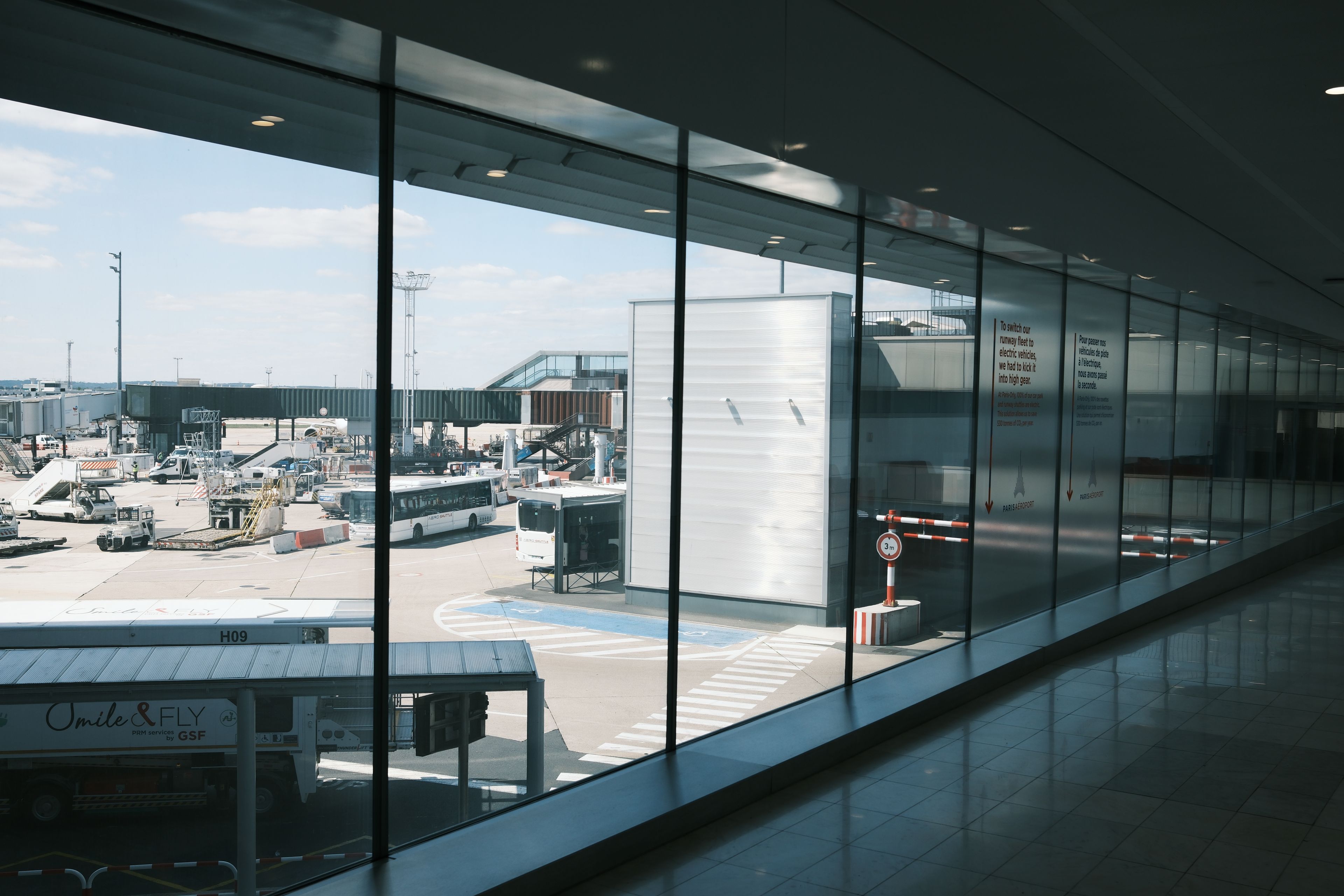





Heathrow runs across four passenger terminals and several miles of perimeter road, so the honest answer to where you meet your chauffeur is inside the arrivals hall of the terminal your flight actually lands at. That sounds obvious until a codeshare puts you somewhere you were not expecting. This page walks through what each of those halls looks like from the moment you step out of baggage reclaim.
Very little of it is complicated once the building is familiar. The trouble comes from being met in a car park rather than a hall, from a terminal change nobody passed on, or from landing forty minutes early and finding the concourse empty. Those problems are almost entirely settled by a few details agreed at the point of booking, and they cost nothing at all to get right.
The four terminals and how they differ
Terminals 2 and 3 share the Central Terminal Area in the middle of the airfield, reached through the tunnel under the runways from the M4 spur. Terminal 4 sits on its own to the south, off the southern perimeter road. Terminal 5 stands at the western end, close to the M25. They are not interchangeable and they are not quick to move between, so the terminal on your boarding pass governs the whole arrangement.
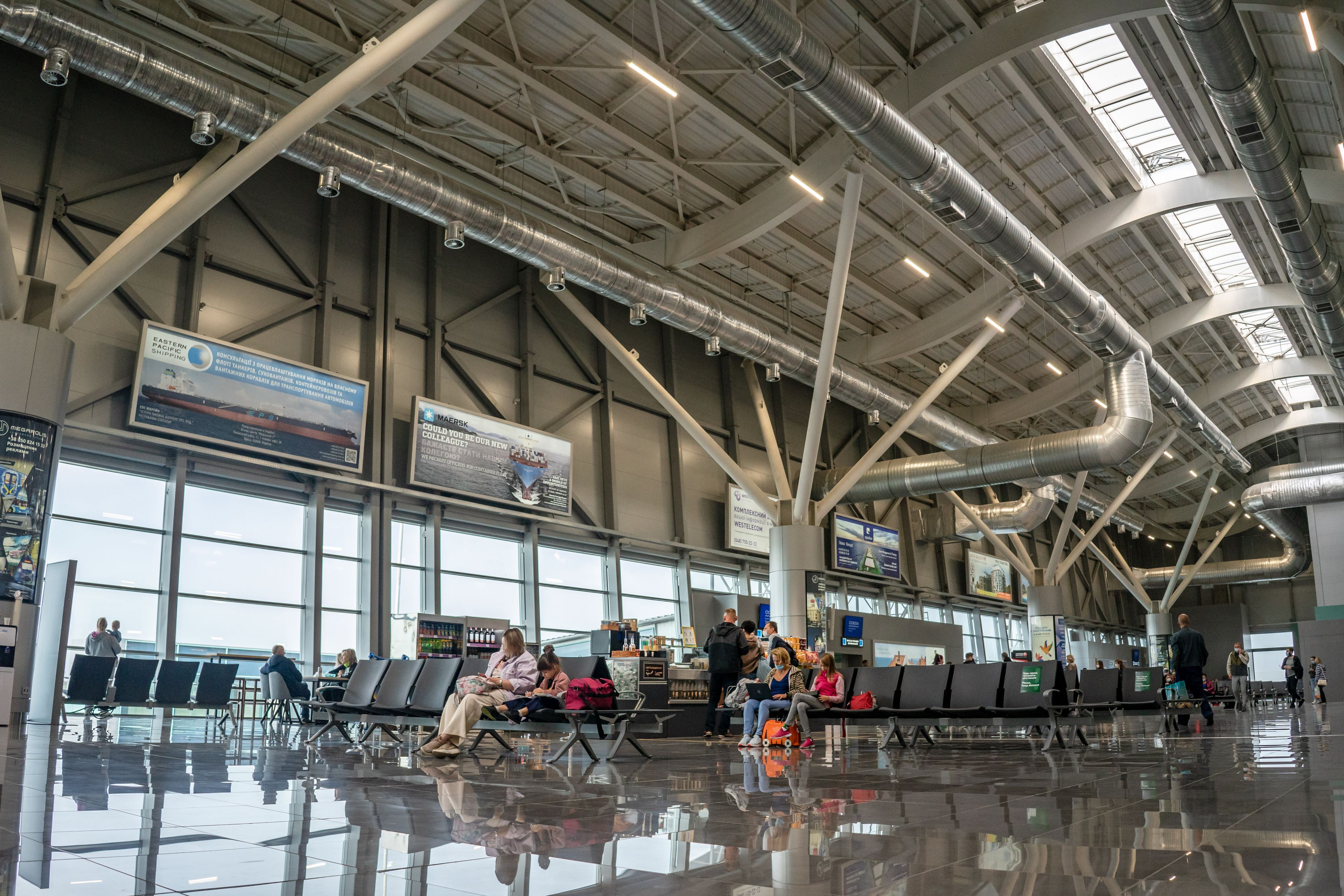
The arrivals halls have their own characters too. Terminal 2 delivers passengers into a bright, fairly contained concourse. Terminal 3 is longer and narrower, with a steady flow of people and a meeting area that fills quickly on a busy afternoon. Terminal 4 is the calmest of the four. Terminal 5 has the largest arrivals concourse and more than one set of doors out of baggage reclaim, which is where meetings most often drift apart.
- Terminal 2, in the Central Terminal Area, reached via the M4 spur tunnel
- Terminal 3, alongside Terminal 2 and connected on foot
- Terminal 4, on the south side, off the southern perimeter road
- Terminal 5, at the western end, nearest the M25
- Moving between terminals after landing takes time, so confirm yours before travel
What meet and greet means here
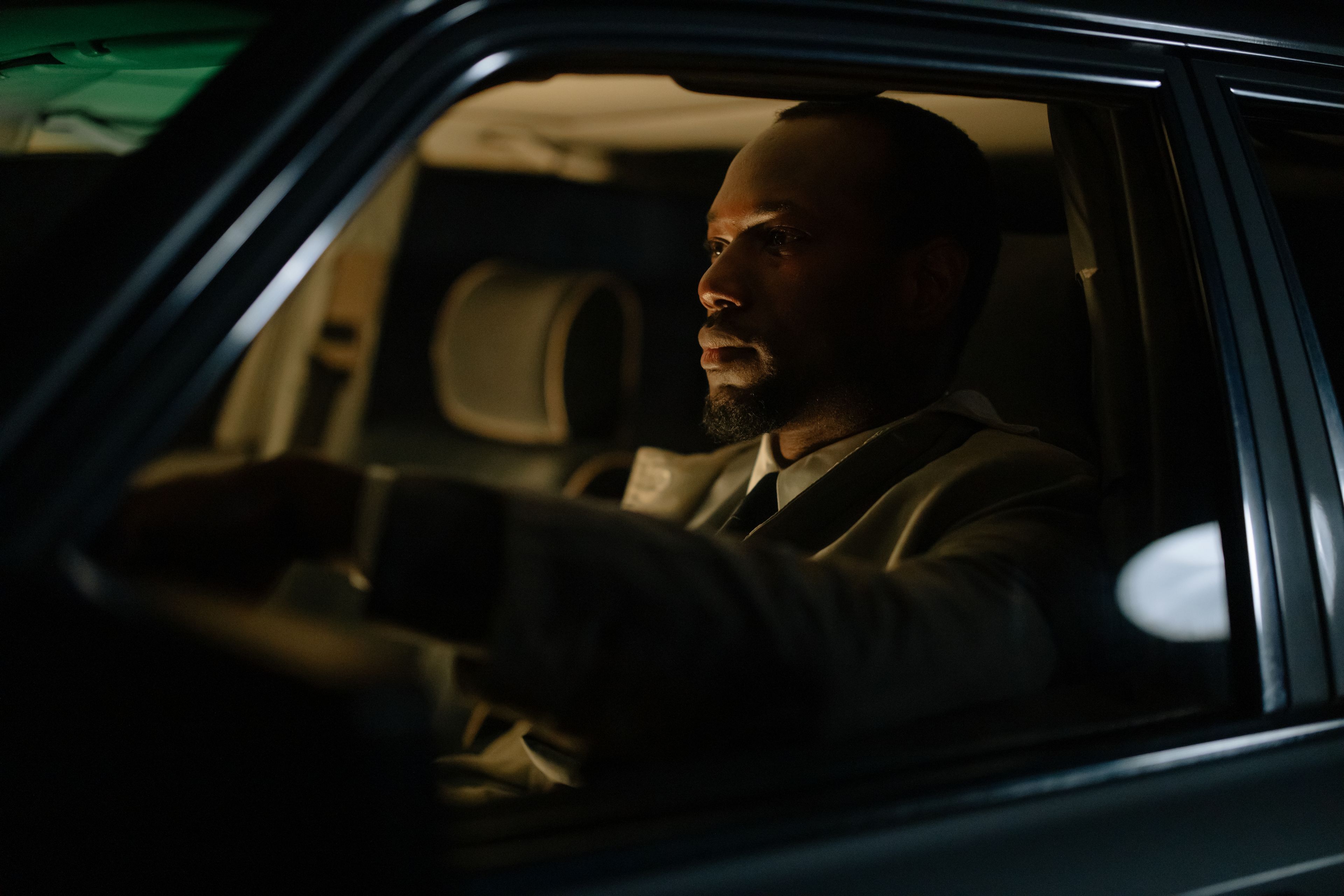
Your chauffeur parks, walks into the terminal and stands in the public arrivals hall holding a name board. When you come through, they take the cases and walk you to the car. That is the whole of it. It is a public-side service: we have no role beyond the arrivals doors, we arrange nothing airside, and we are independent of the airport, the terminal operators, the handling agents and the airlines.
The reason it matters at Heathrow more than at most airports is the distance between the hall and the kerb. A meeting arranged by telephone from a car circling the perimeter tends to unravel, because there is nowhere sensible to stop and no easy way to describe where you are standing. Someone already inside the building, in the right hall, holding a board, removes all of that.
How long clearing Heathrow usually takes
From wheels down to the arrivals hall, an hour is a reasonable working assumption for a long-haul flight with hold luggage, and it can be considerably less. Taxiing to stand at Heathrow is rarely brief. Border control varies enormously with the hour and with how many wide-bodied aircraft have landed in the same window. Baggage delivery is the least predictable part of the chain and the part nobody can hurry.
A short-haul arrival with cabin bags only can be out in twenty minutes or so on a quiet morning. The spread between those two cases is why we do not set a rigid meeting time. Your chauffeur is in position from the point the flight is expected on stand and waits from there, however the clearance actually runs on the day.
We plan around the published schedule for the flight number you give us and the clearance times we would ordinarily expect at that terminal. We do not claim to watch aircraft move in real time, and any service suggesting otherwise is overselling itself. Sending a short message once you are through passport control is genuinely the most useful thing a passenger can do.
Where the car actually waits
Each terminal has a short stay multi-storey car park close to the arrivals building, and that is where a chauffeur normally leaves the vehicle while meeting you. The walk from the hall to the car is short and largely covered at every terminal, which matters more in January than it does in June. Where the walk is longer, at Terminal 4 in particular, your chauffeur will say so on the way rather than let it come as a surprise.
Forecourt drop-off and pickup arrangements at Heathrow are set by the airport, are chargeable, and change from time to time. We deal with whatever applies on the day and fold it into the written quotation, so there is nothing to settle at a barrier and nothing to work out at the kerb with luggage in your hands.
The details that make a pickup work
Almost every difficult Heathrow collection traces back to something not said at booking. The terminal is the first of them. The second is luggage, because three passengers with four large cases will not fit into a saloon, and discovering that at the kerb helps nobody. The third is whether anyone in the party needs a child seat, help with a wheelchair, or a car with a higher seat that is easier to get into.
Tell us the flight number rather than only the landing time, because the flight number survives a schedule change and a time does not. Give us a mobile number reachable on landing, and let us know if you are connecting from another flight, since a missed connection is far easier to absorb when we hear about it early.
- Flight number and arrival date, not just the scheduled time
- Terminal, confirmed rather than assumed, especially on codeshares
- Number of large cases and cabin bags
- Passenger count, including children and any seat requirements
- A mobile number that will work once you land
- Your onward address in full, with a postcode
When the flight does not go to plan
Delays are the ordinary condition of a busy airport rather than an emergency. If the flight slips by two hours, the collection slips with it and your chauffeur simply arrives later. If it is diverted, tell us where you have landed and we will look at driving to you or repositioning a car from the closest sensible point. Neither situation needs a telephone call at three in the morning; a message when you know something is enough.
Cancellations are worth flagging as soon as you have them, because a car and a named chauffeur are held for your booking rather than pooled across a rank. The terms around changes and cancellation are set out in the written quotation, in plain language, before anything is confirmed. Everything is arranged over WhatsApp or email, so there is a written thread of exactly what was agreed.