




An arriving passenger passes through a sequence of spaces, each with its own rules: the aircraft, the pier, immigration, baggage reclaim, customs, and finally a set of doors that open into a room full of people waiting. That last room is the arrivals hall, and it is where the airport stops being an airport and starts being a city.
It is also where the majority of missed connections between passengers and chauffeurs happen. The hall is busy, the exit doors are rarely where you expect, and a large terminal may have more than one of them feeding the same space. A few minutes of preparation before you fly removes almost all of that friction.
What you find there
The hall itself contains the meeting area immediately outside the exit doors, information desks, car hire and transport counters, currency exchange, cafes and the routes onward to trains, car parks and the road. Its layout is dictated by the terminal, so some are broad and open while others are long corridors where the waiting area stretches along one side.
Crucially it is a public space, requiring no ticket to enter, which is exactly why a chauffeur can wait there. Everything behind the exit doors is controlled and one-way: once you have walked through, you cannot go back for a forgotten bag or to reach a different exit, which is worth remembering before you step through them.
- A meeting area directly outside the arrivals exit doors
- Information desks and airport staff who can page or direct
- Transport counters, car hire desks and currency exchange
- Routes to rail, car parks and the kerbside pick-up areas
- Exit doors that are strictly one-way from the controlled zone
Being met in the hall
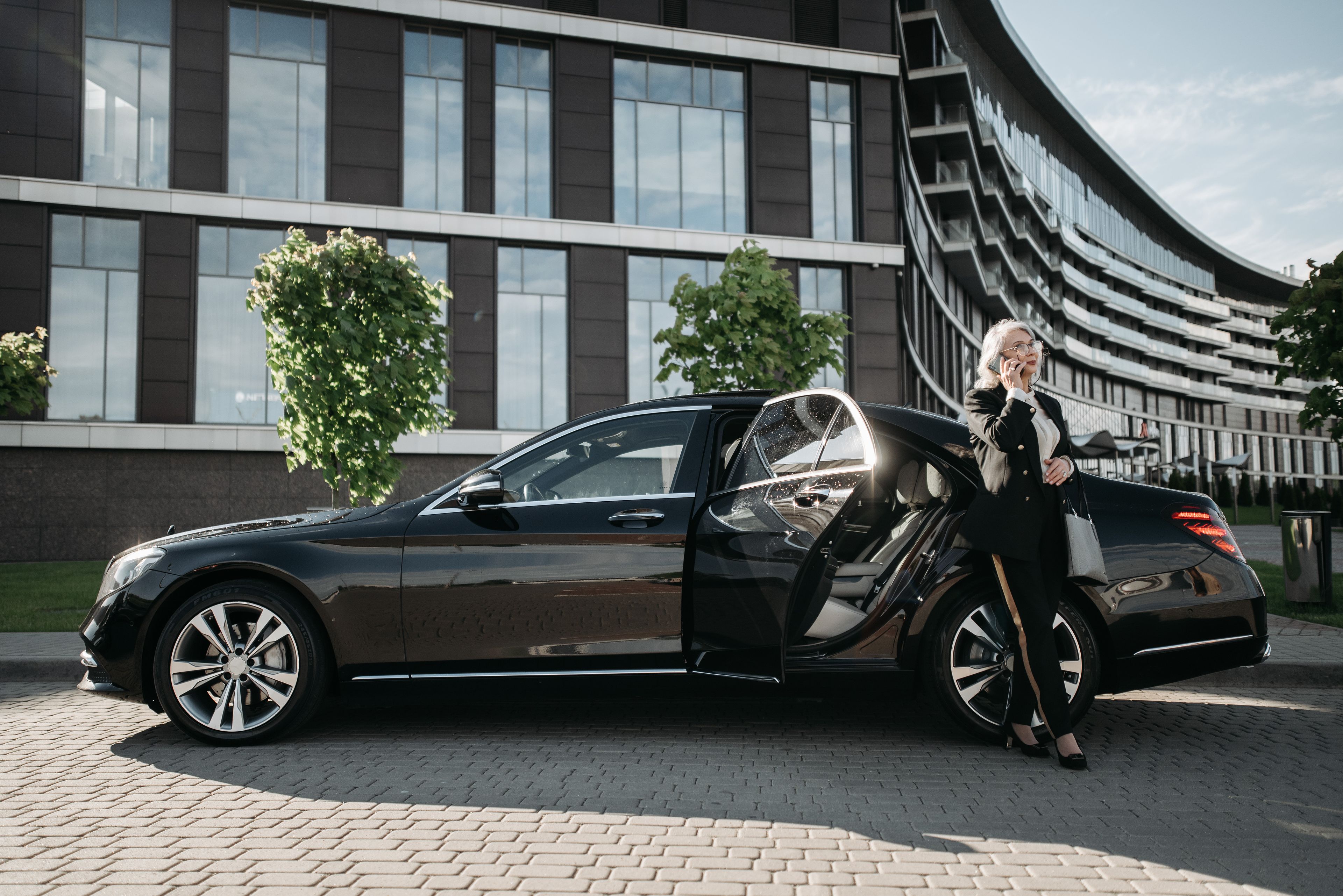
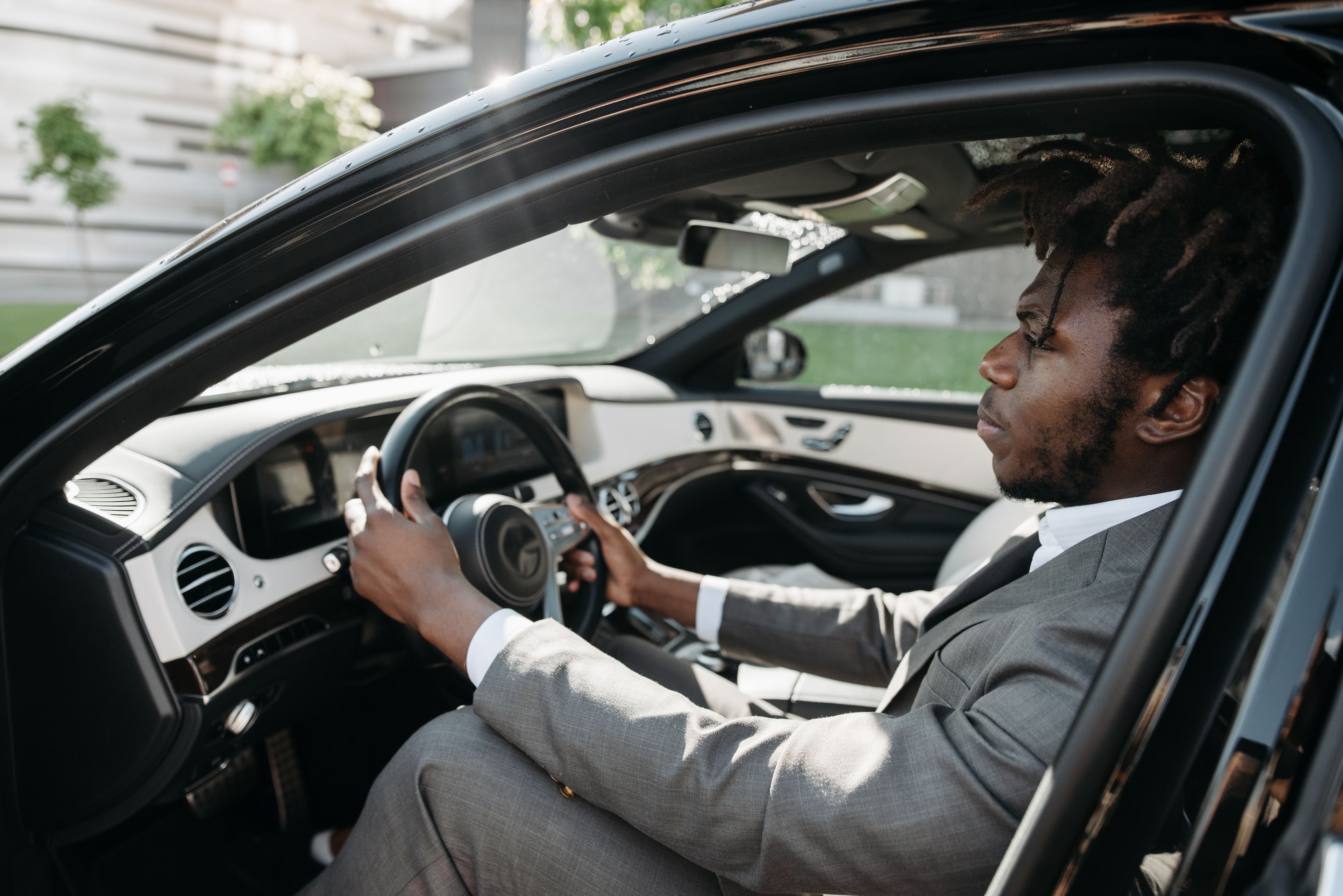
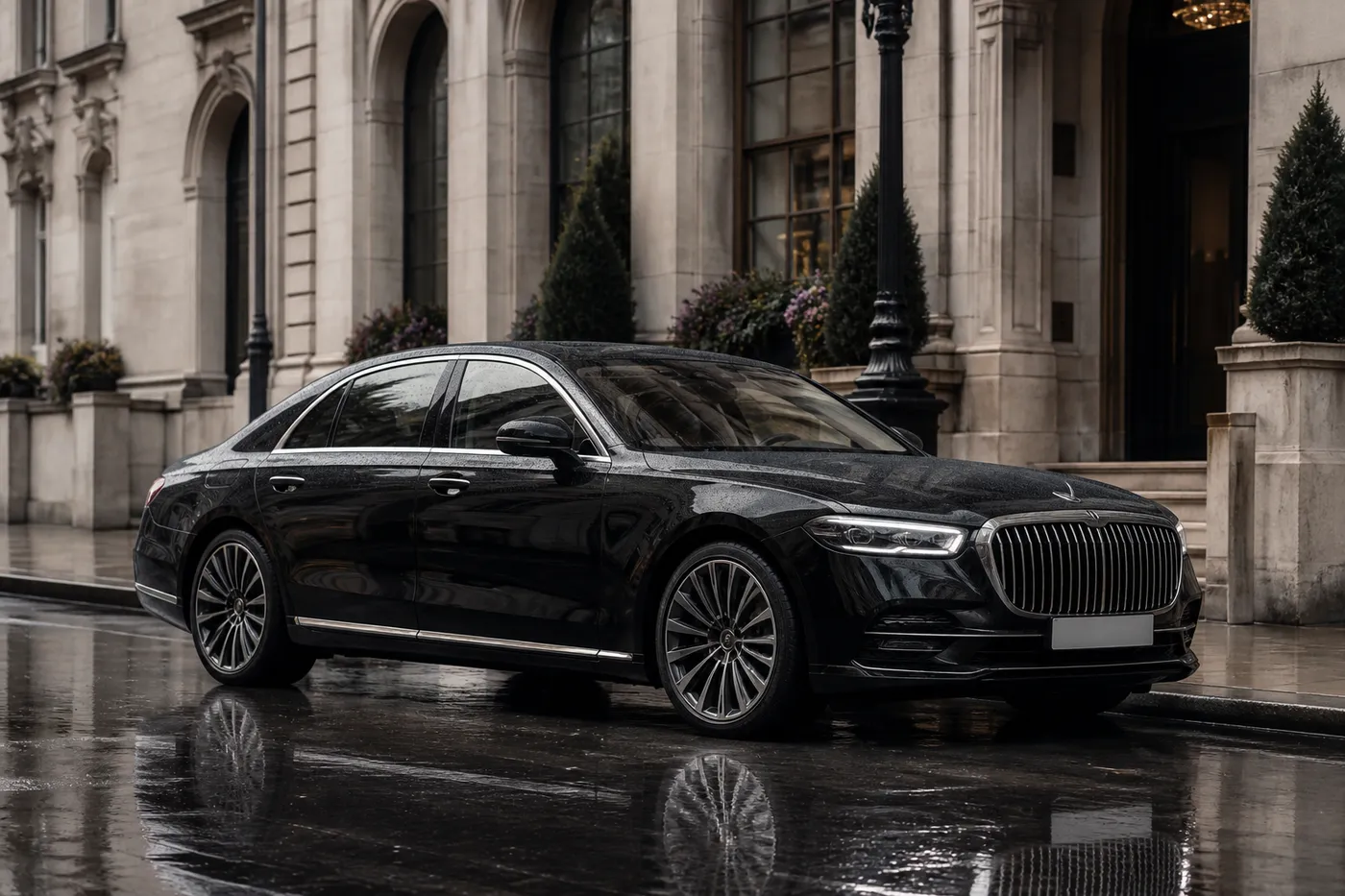
A meet and greet arrangement means the chauffeur is inside the building holding a name board at the point specified on your confirmation, rather than waiting in a vehicle outside. They assist with luggage and walk you to the car, which is parked rather than idling at a kerb, so nothing depends on you finding a particular vehicle in a moving queue.
The practical advice is simple. Read the meeting instruction before you fly so you know where to look and what the board will say. Walk clear of the doors before stopping, since the immediate exit is the busiest point in the hall. And if you cannot see the chauffeur within a minute or two, send a message rather than continuing to walk.

Arrivals hall or kerbside?
Kerbside pick-up means the car meets you outside on a designated road area, and you make your own way there through the hall. It is quicker for a traveller with hand luggage who knows the terminal well, and it removes any car park movement. It is markedly less comfortable with several cases, with children, or at an airport you have never used.
The distinction with the departures concourse is worth noting too: that is the level or building where you check in, and at multi-storey terminals it usually sits above arrivals. Set-down for departing passengers happens there, while pick-up for arriving passengers happens below, which explains a surprising amount of confusion at large airports.