

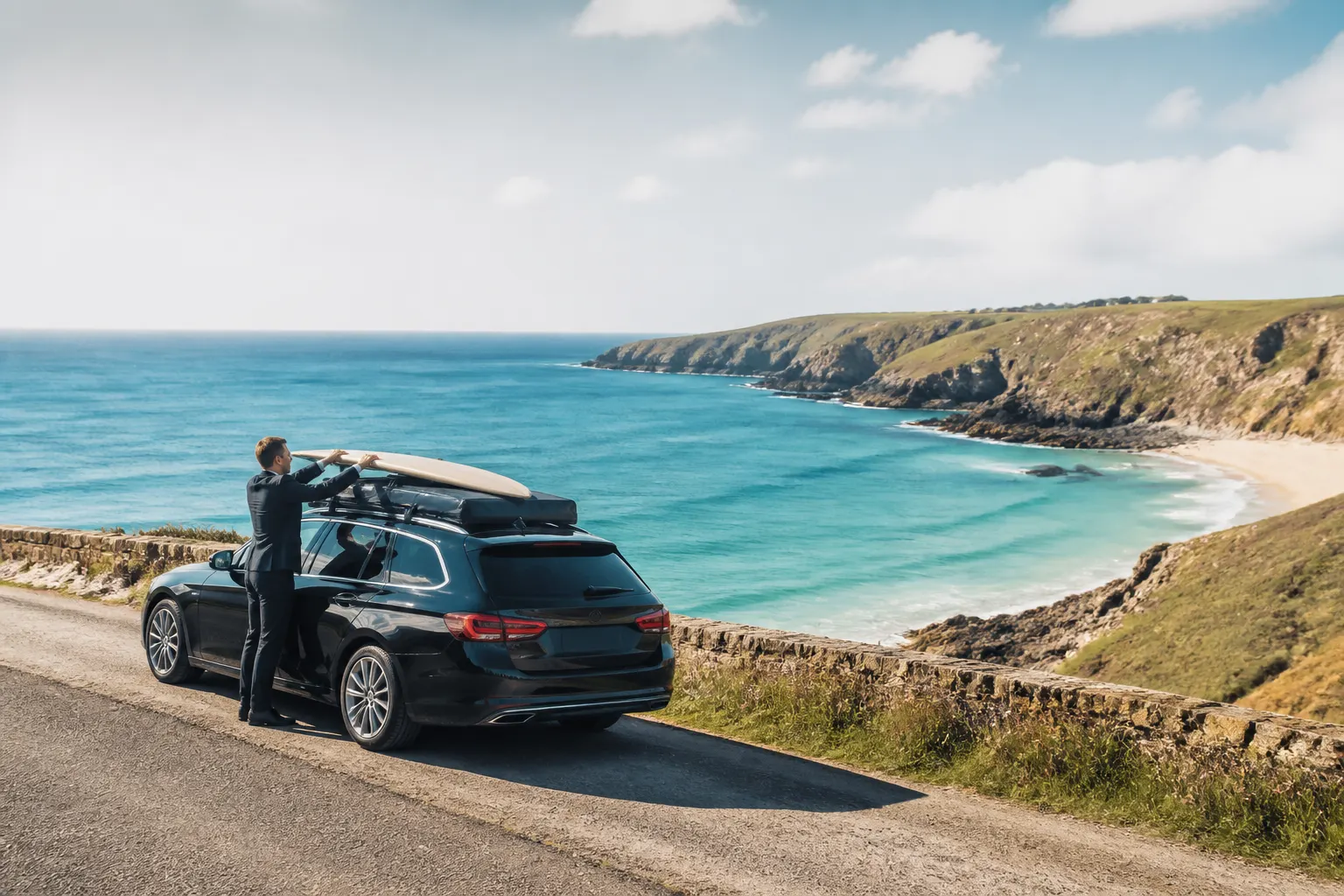


Site visits break most of the assumptions built into ordinary corporate travel. The destination may not have a usable address, the approach may be unmade, there is often nowhere sensible for a vehicle to wait, and the passengers will come back muddier than they went out. None of this is difficult to accommodate, but all of it needs saying at the point of booking rather than discovering at a gate.
The people who arrange these journeys regularly develop a different brief from the one they use for city meetings. It carries more information about the destination and less about the passengers. Here is what belongs in it, how to choose a vehicle for the approach rather than for the meeting, and how to handle days that take in several locations.
Sites are not offices
An office has a front door, a postcode that leads to it and somewhere a car can stop. A site may have a gate two miles from the nearest named road, a security barrier requiring pre-notification, an internal road network with its own rules, and a set-down point that changes as the works progress. Satellite navigation will deliver a car to the middle of a field with complete confidence.
The practical consequence is that the destination needs describing rather than merely stating. What three-word location or grid reference gets a vehicle to the right gate. Which entrance is in use this month. Whether the chauffeur needs to be on a list. Whether the last half mile is surfaced. Five minutes gathering that from whoever is hosting the visit prevents almost every site-day problem.
Briefing the journey properly
A site brief is longer than a city one and repays the effort, because there is rarely an easy recovery when something is wrong at a remote location. Get the information from the site contact rather than from the person attending, who may never have been there either.
The following covers what a chauffeur genuinely needs to know before setting off for somewhere that does not appear meaningfully on a map.
- Precise gate location, by grid reference or a three-word location if needed
- Site contact name and number, and whether the chauffeur must be pre-notified
- Whether the vehicle may enter the site or must remain outside the perimeter
- Surface conditions on the approach and within the site itself
- Any site rules on vehicles, speed, high-visibility clothing or signing in
- Where the vehicle can wait, and for how long, without obstructing works
- Expected duration of the visit and how firm that estimate really is
- Whether passengers will return with equipment, samples or soiled clothing
Vehicle choice for rough approaches
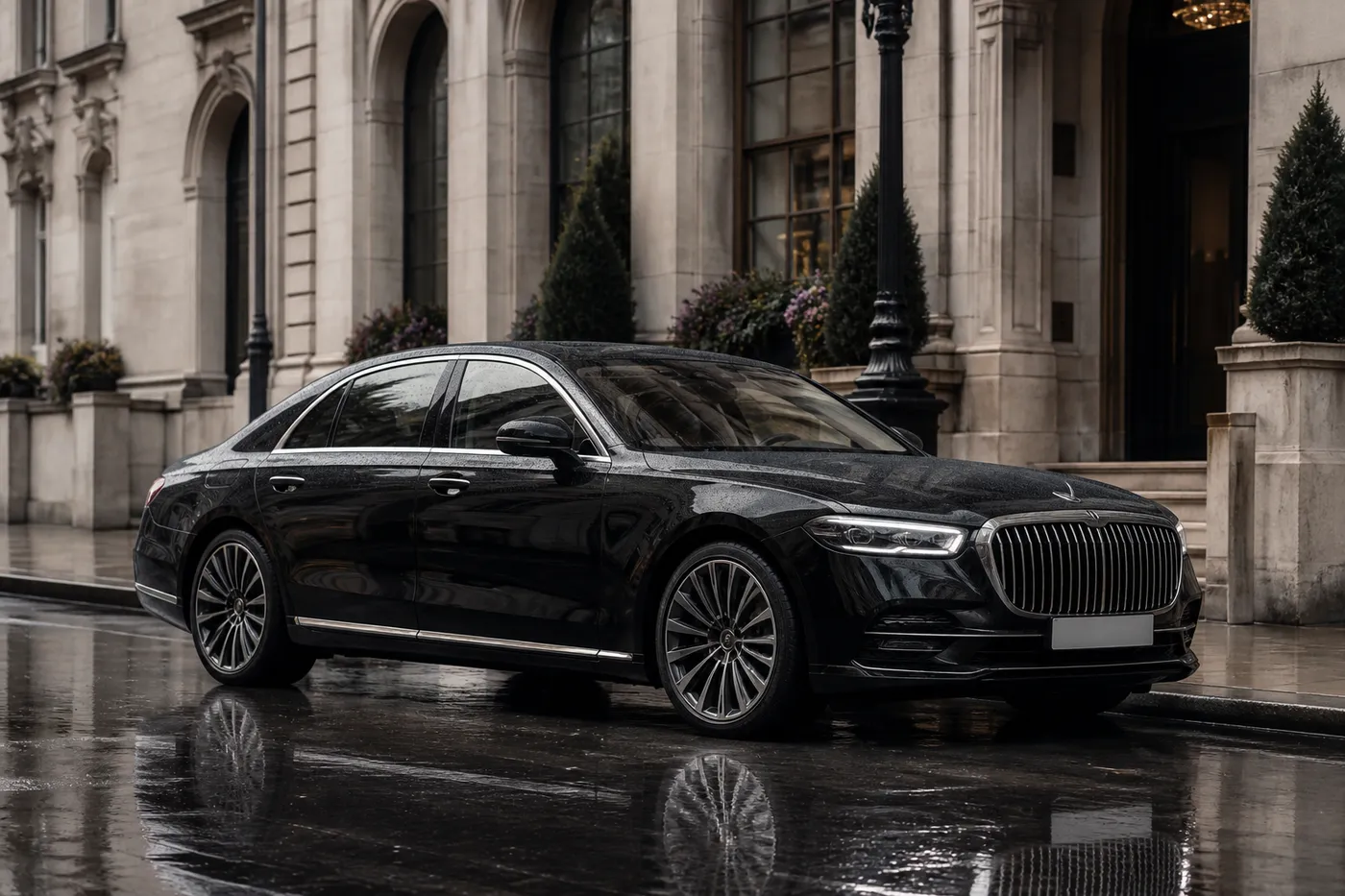
The vehicle that suits a boardroom arrival is not always the one that suits a farm track in February. Low-slung executive saloons are unhappy on unmade approaches and rutted access roads, and a vehicle grounding at a gate in front of the people you have come to inspect is a poor start to the visit.
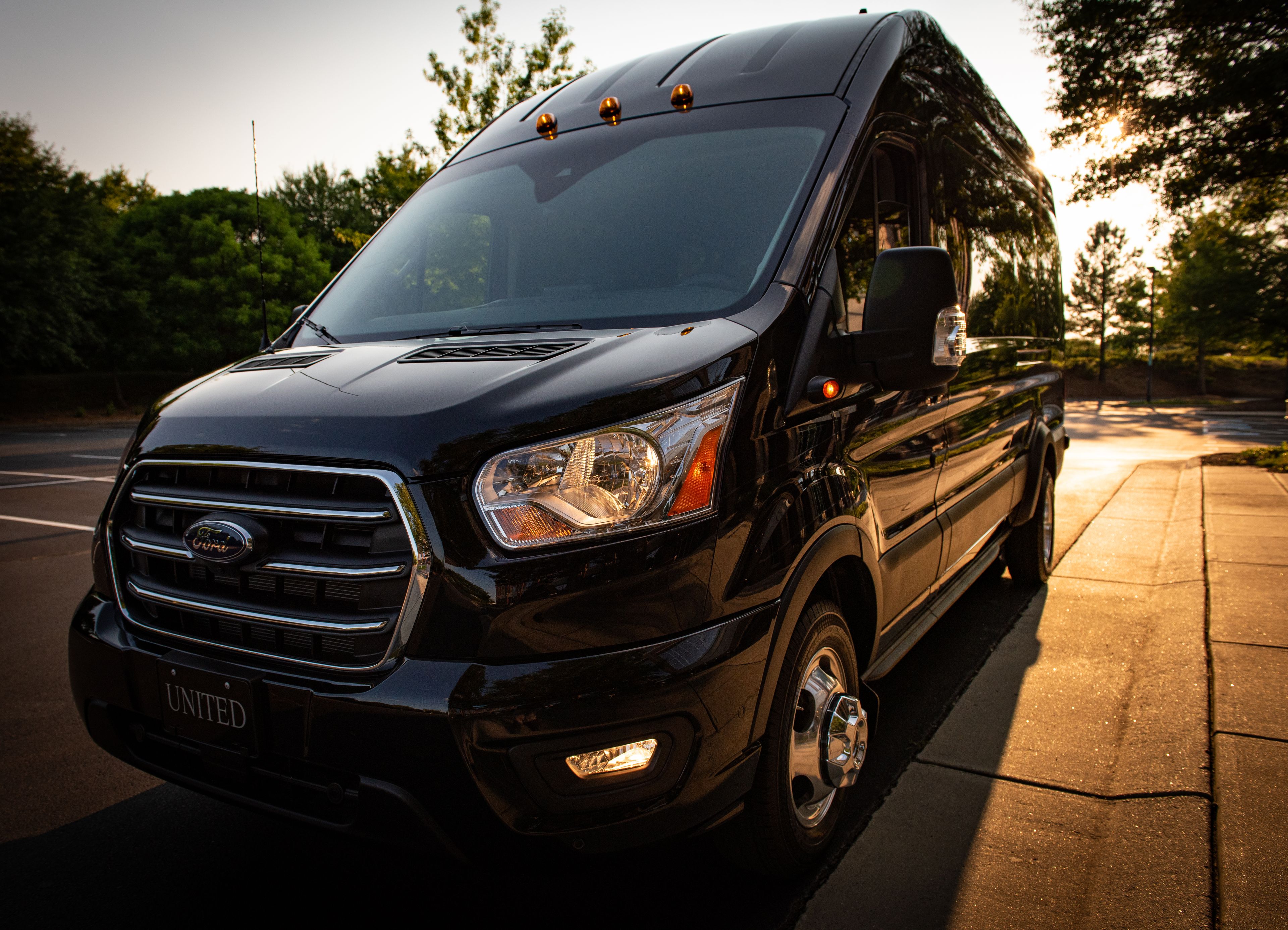
Say what the approach is like and let the supplier choose accordingly. Where the last section is genuinely rough, an alternative is to arrange the car to a sensible transfer point and let site vehicles cover the final leg, which is often what the host would prefer anyway. Where the party is four or five people carrying equipment, a luxury MPV usually makes more sense than two saloons, both for load space and because it keeps the group together at the gate.
Waiting time on site
Site visits overrun almost as a rule, because somebody wants to show the party one more thing and because walking around a large facility takes longer than the schedule assumed. Book the car to be held for the visit rather than arranging a return collection at an optimistic time, and agree how a substantial overrun is handled before the day.
Think about where the chauffeur waits. Many sites will not permit a vehicle to stand within the perimeter, and there may be nothing within several miles. Establishing this in advance means the chauffeur can plan somewhere sensible rather than idling on a verge for three hours, and it avoids the situation where a party emerges to find the car has had to move a considerable distance away.
Several sites in one day
Multi-site days are where held vehicles pay for themselves most obviously. The party is unlikely to be within reach of anything at the moment they finish, the timings will drift from the first location onwards, and nobody wants to be arranging onward transport from a car park with intermittent signal.
Sequence the sites by drive time rather than by importance, and be honest about what those drives take on rural roads at the wrong time of year. A route that looks brisk on a map can involve single-track lanes, agricultural traffic and a village that adds twenty minutes. Ask the chauffeur's view when the itinerary is drafted; people who drive these roads have a far better sense of the real timings than a routing application does.
Kit, samples and keeping the car usable
Site parties carry things: boots, high-visibility clothing, hard hats, testing equipment, and on the way back, samples and paperwork. All of that needs boot space, and some of it needs to not be in contact with the seats. Mention it at booking and it is trivially accommodated with matting and planning; mention it at the gate and it becomes an awkward conversation in the rain.
It is also worth flagging where passengers will come back genuinely dirty. Nobody minds, but a chauffeur who knows in advance will have prepared for it. This is one of those small courtesies that costs nothing and makes the difference between a journey home that is comfortable and one where everyone sits carefully and says little.