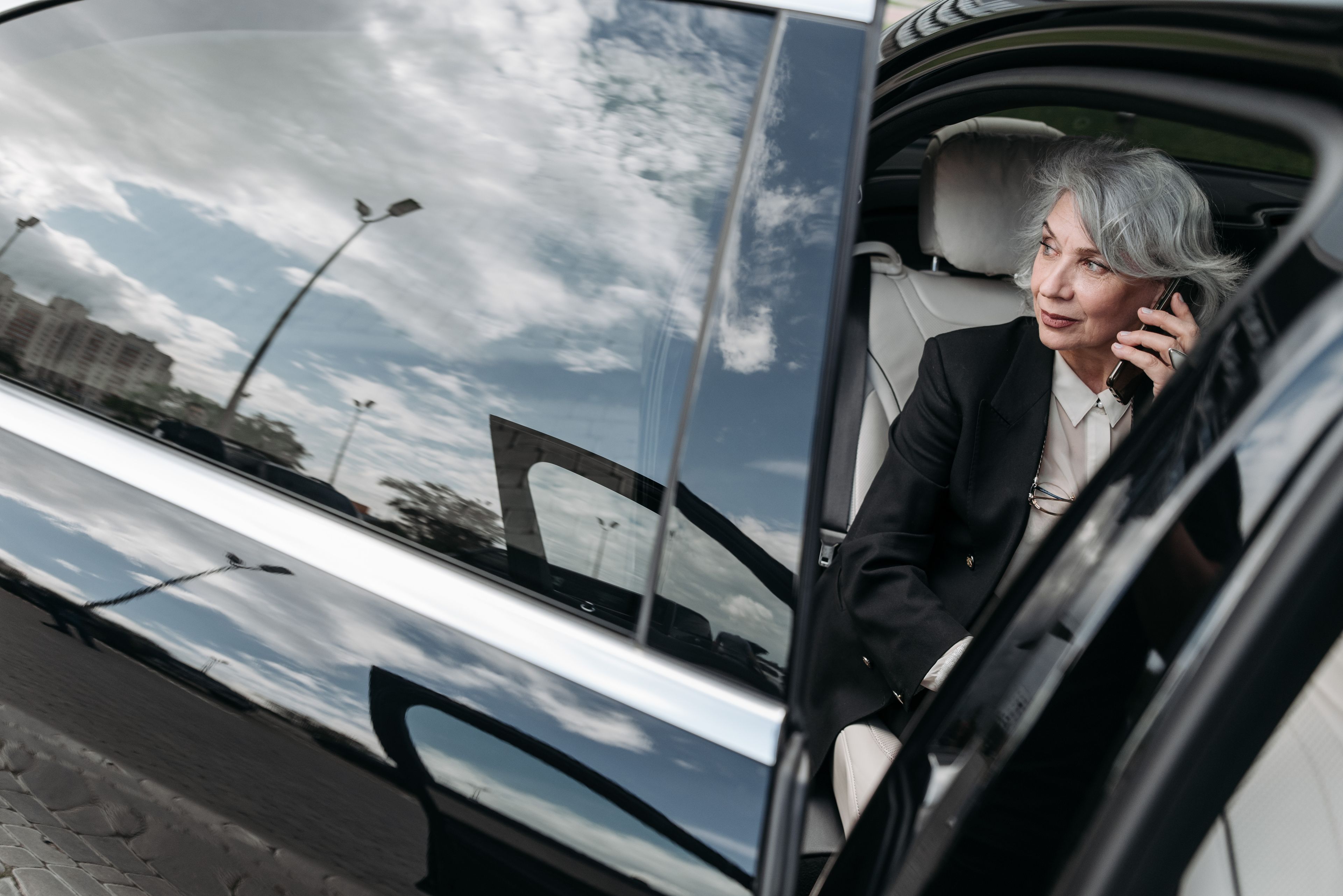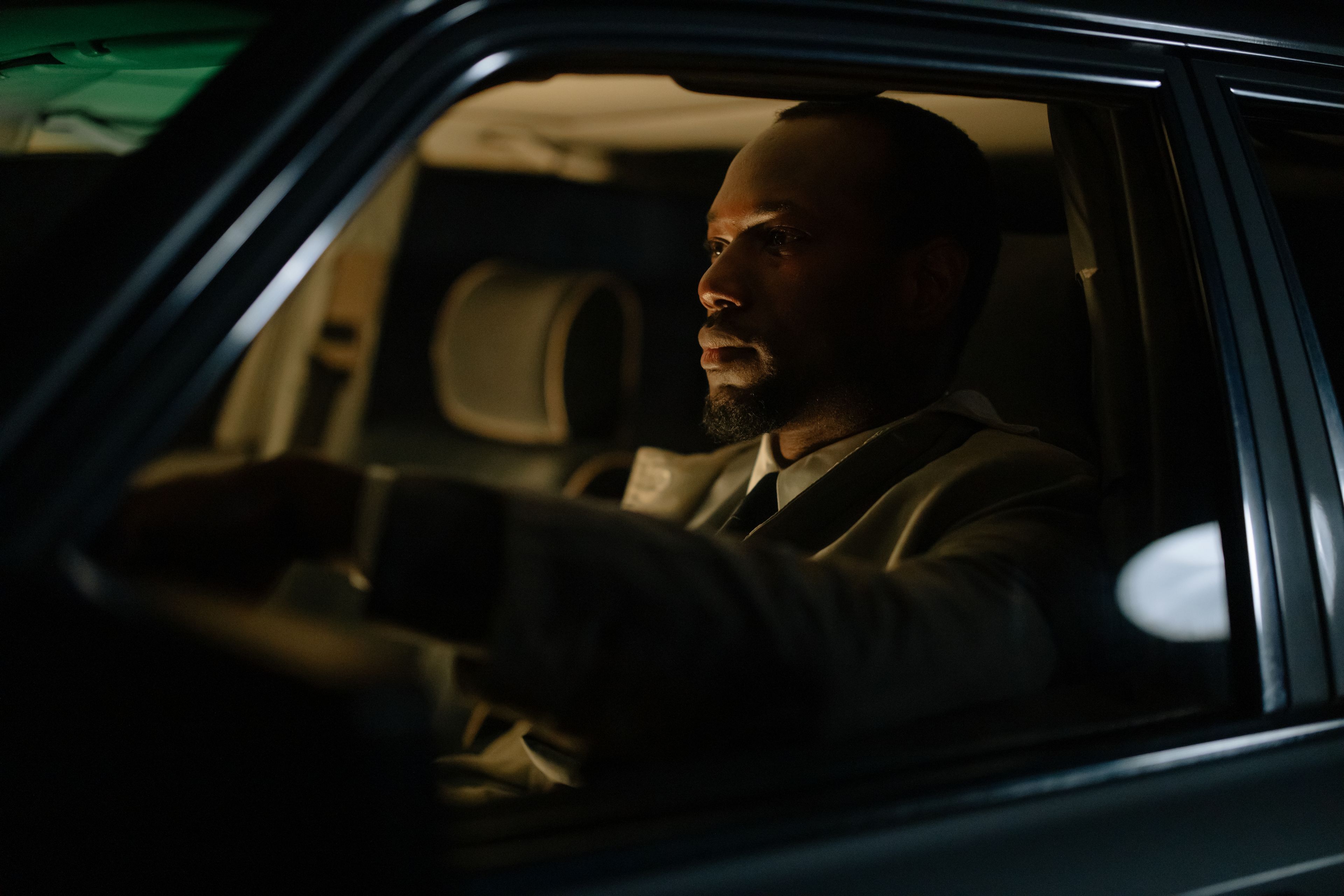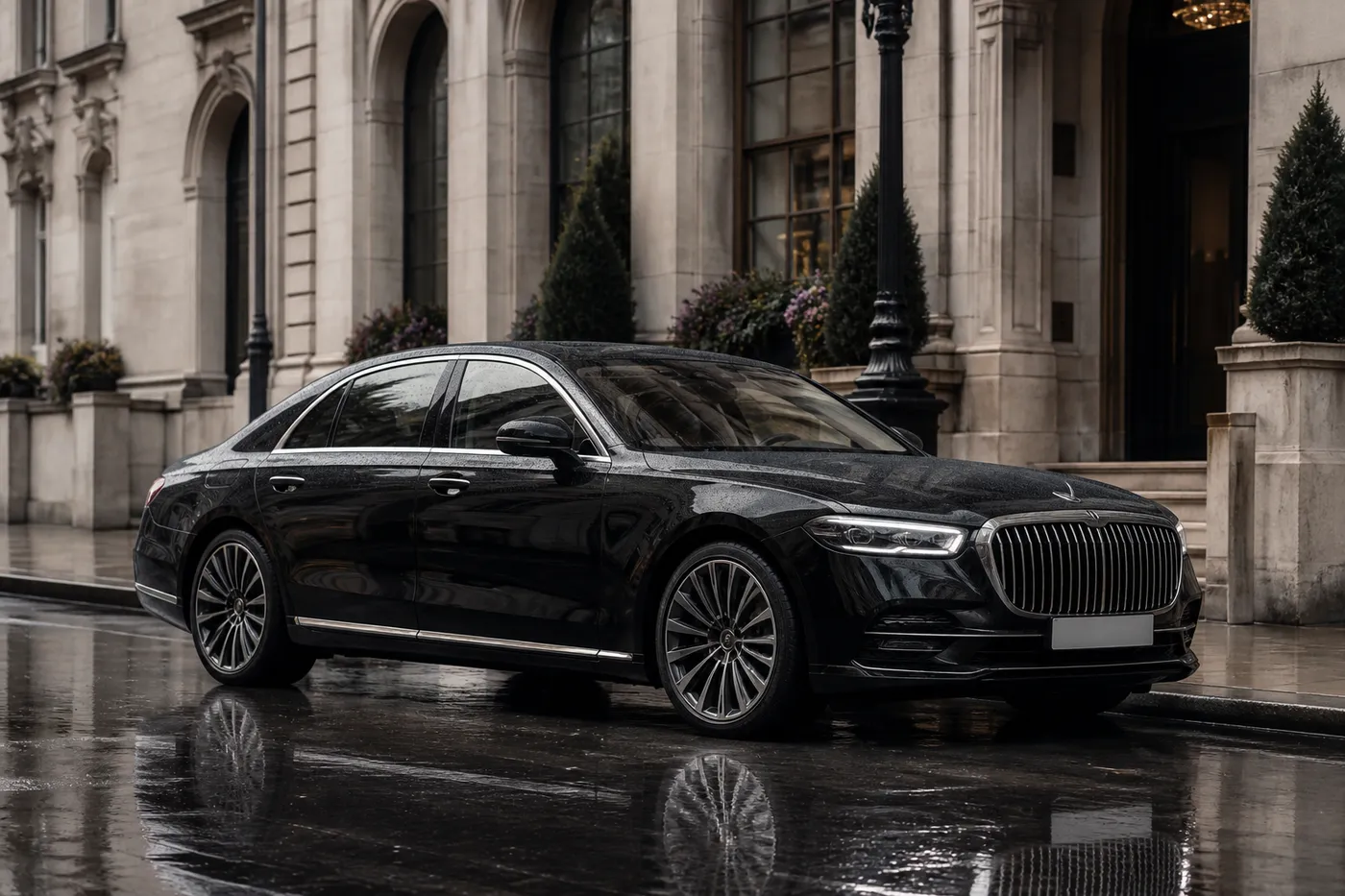





The image is a familiar one from film and from older photographs: a glass panel sliding up behind the driver, and a conversation continuing in private. The reality in a modern chauffeur car is different, and it surprises people who ask for one expecting it to be routine equipment.
What follows describes the fitting, where it survives, what it does and does not achieve, and the alternatives that provide most of the benefit without it. Privacy in a car is a broader question than one panel, and the useful answer usually involves several things rather than a single feature.
Where the fitting comes from
Early motor cars descended from horse-drawn carriages, in which the driver sat outside and the passengers inside. Several body styles kept that separation, with the chauffeur in an open or semi-open compartment ahead of a fully enclosed cabin. The partition began as the wall between two genuinely different spaces rather than as a privacy device.
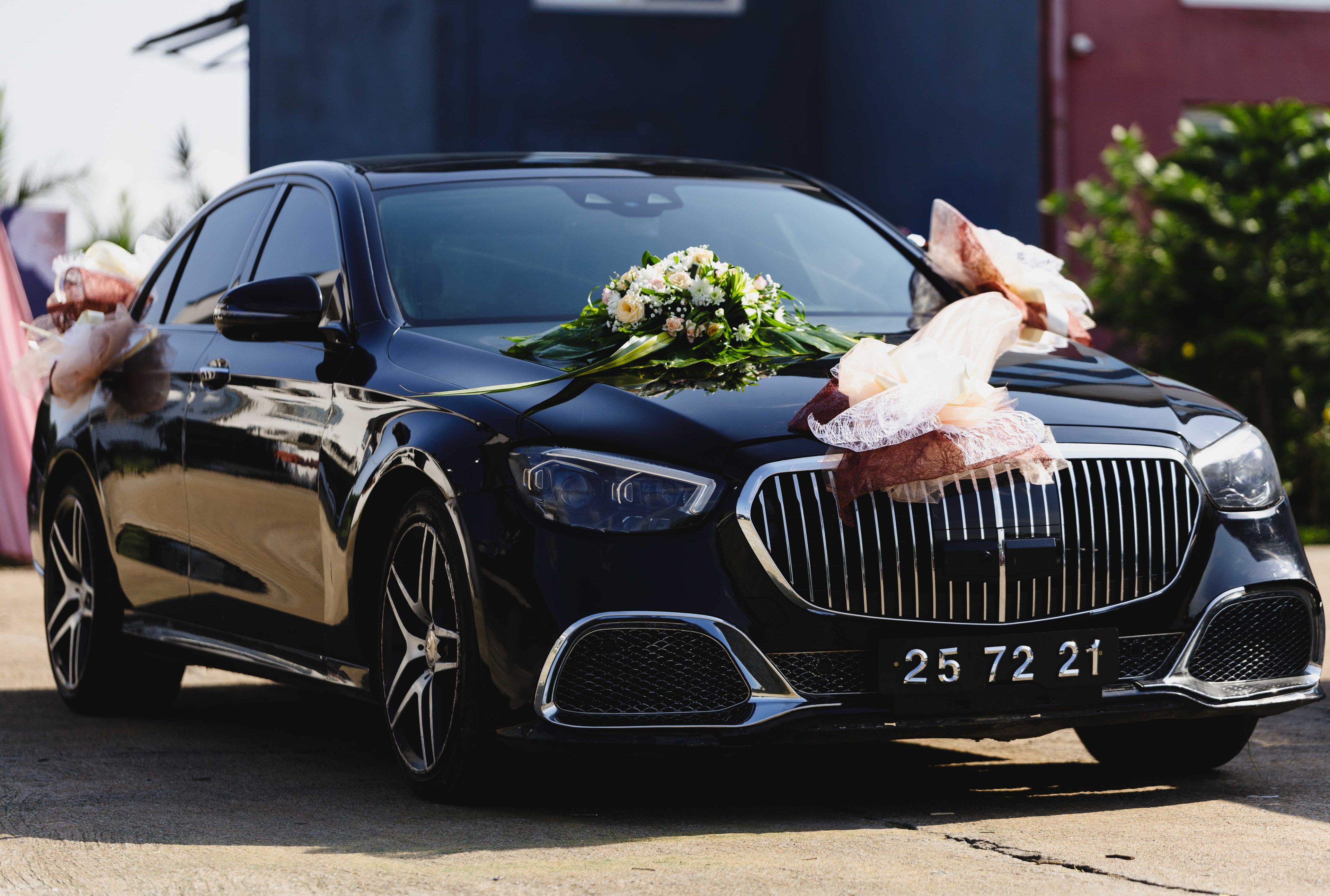
As cars became fully enclosed the wall became a glass panel, and its purpose shifted towards discretion. Formal limousines carried it as standard well into the twentieth century, and it survives today mainly at the very top of the market and on ceremonial vehicles, where the separation of roles is part of what the car is for.
What it does, and what it does not
Raised, a partition substantially reduces what is audible from the front seat, which is its main function. Many are laid out so the chauffeur can be spoken to through an intercom, and some are fitted with electrochromic glass that turns opaque at the touch of a switch rather than needing to be raised at all.
What it does not do is make a car soundproof. Structure carries sound, and a partition is a panel rather than a sealed wall. For genuinely confidential conversations the more reliable protection is a professional chauffeur bound by an expectation of discretion, which is the standard our cars operate to whether a partition is fitted or not.

What is fitted in practice
Almost no modern executive saloon offers one. The engineering that makes these cars quiet also makes the front cabin feel far removed from the back, and manufacturers have largely concluded that a solid rear seat and good insulation serve passengers better than a divider. The features below are what a chauffeur car typically provides instead.
- Privacy glass or darker tinting to the rear windows
- Rear window blinds, manual or electrically operated
- Reclining rear seats with a raised centre console between them
- Substantial acoustic insulation in the doors and glass
- Rear climate and audio controls independent of the front
- A chauffeur trained to say nothing about anything heard in the car
Terms it is confused with
Privacy glass means tinted windows and controls what can be seen from outside. A partition controls what can be heard inside. The two are entirely different, and asking for privacy in a booking will usually get you the first, so it is worth being specific about which you actually want.
A safety screen, as fitted in taxis, is a protective barrier rather than a comfort feature, and serves a different purpose entirely. Stretched limousines frequently carry a partition, but that is a function of the conversion rather than of luxury, and the two should not be assumed to arrive together.