




Flying privately removes almost every queue from a journey, and the car at either end is expected to disappear into that same rhythm. It rarely does so by accident. Private terminals run on their own rules about access, timing and who may stand where, and a chauffeur who has not worked one before will find that out at the barrier while your aircraft is waiting on the apron.
None of that is exotic, but it does shape what a booking involves and therefore what it costs. This guide walks through the variables particular to general aviation work, from handling agents and gate permissions to the schedule that shifts three times before you leave the house, and it sets out where a well-briefed booking saves you real money without asking anyone to cut a corner.
Why private terminals behave differently
A scheduled airport is a public building with a car park attached. A private terminal is a controlled site where the operator decides which vehicles come through the gate, how far they may drive, and how long they may remain. Some will pass a car to the aircraft steps once the handling agent has cleared it; others admit nothing beyond the forecourt, whatever anybody asks.
The practical consequence is that somebody has to establish the rules for your specific movement before the day arrives. That means a conversation with the handling agent, a vehicle registration submitted in advance, and a chauffeur who knows which gate to present at. It is unglamorous work, it takes time, and it belongs in the arrangement rather than being improvised in a lay-by.
The slot that moves before lunch
Departure times in general aviation are proposals rather than promises, and they move for perfectly ordinary reasons: a passenger is delayed, the crew rest clock resets, air traffic offers a better window. A commercial flight rarely brings its schedule forward. A private one frequently does, and a car booked to the original minute is then in the wrong place at the wrong time.
This is why aviation work is usually arranged as held availability rather than as a single timed transfer. The chauffeur is committed to your movement across a window instead of to a minute, which absorbs the changes without anybody renegotiating. It is not the cheapest way to buy an hour of driving, but it is the cheapest way to buy certainty.
Send us the tail number and the operator alongside the planned time. We use it to plan around the schedule you and the crew are working to, and we will ask you to tell us when it changes rather than pretending we will discover it ourselves. That single piece of information does more for the arrangement than any other detail you can give us.
Handling agents, gates and permissions
Every private terminal sits behind a handling agent, and the agent decides what a car may do. Airside access requires a pass, an approved vehicle and, in most cases, notice measured in days rather than hours. Where it is granted, a collection at the aircraft steps is the smoothest thing in ground transport. Where it is not, the meeting point moves to a lounge door and the arrangement changes accordingly.
None of this is a hidden extra so much as a set of facts about the site, but it does affect how long a chauffeur is committed and what has to be arranged in advance. Ask what has been agreed for your movement, and if nobody can tell you, that itself is useful information about how carefully the booking has been handled.
- The airfield, the terminal and the handling agent by name
- Whether airside access has been requested or ruled out
- The gate the chauffeur should present at on the day
- Vehicle registration and chauffeur details, submitted in advance
- Who meets whom, and where, if the car stays landside
- Notice periods the agent requires for any of the above
Passengers, crew and the second car
A private aircraft carries a small number of people, which sounds like an easy brief until the movement splits. Principals go to one address, crew to a hotel near the field, and luggage that came out of a hold designed for soft bags does not always behave like airline luggage. Two cars are sometimes genuinely necessary and sometimes an assumption nobody thought to question.
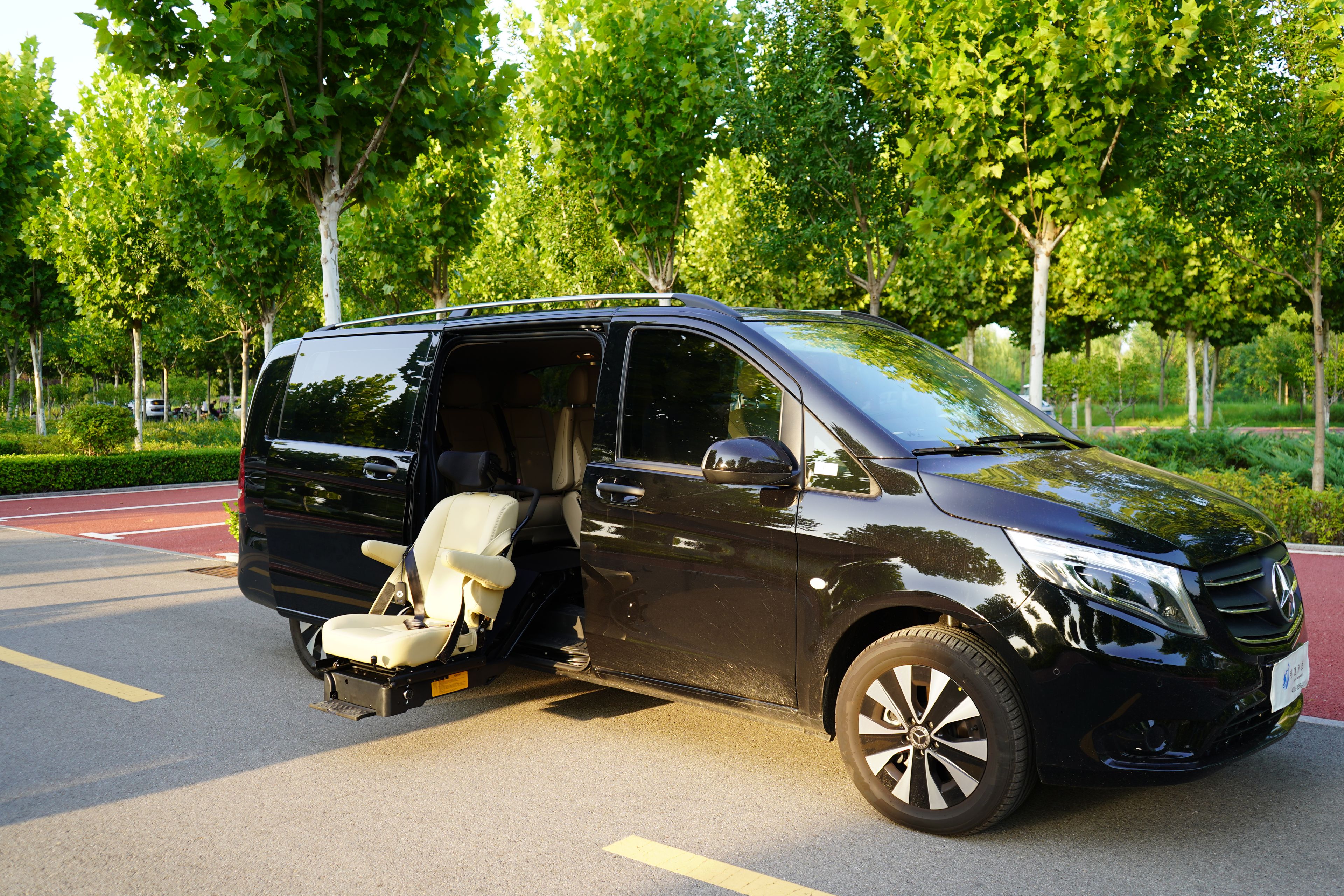
Where a party of four and their bags will sit comfortably in one luxury MPV, that is almost always the better arrangement: one chauffeur, one vehicle, one set of gate permissions. Where the principals need a saloon and the crew need separate transport an hour later, say so early, because a second vehicle arranged at the last moment is the most expensive kind of second vehicle.
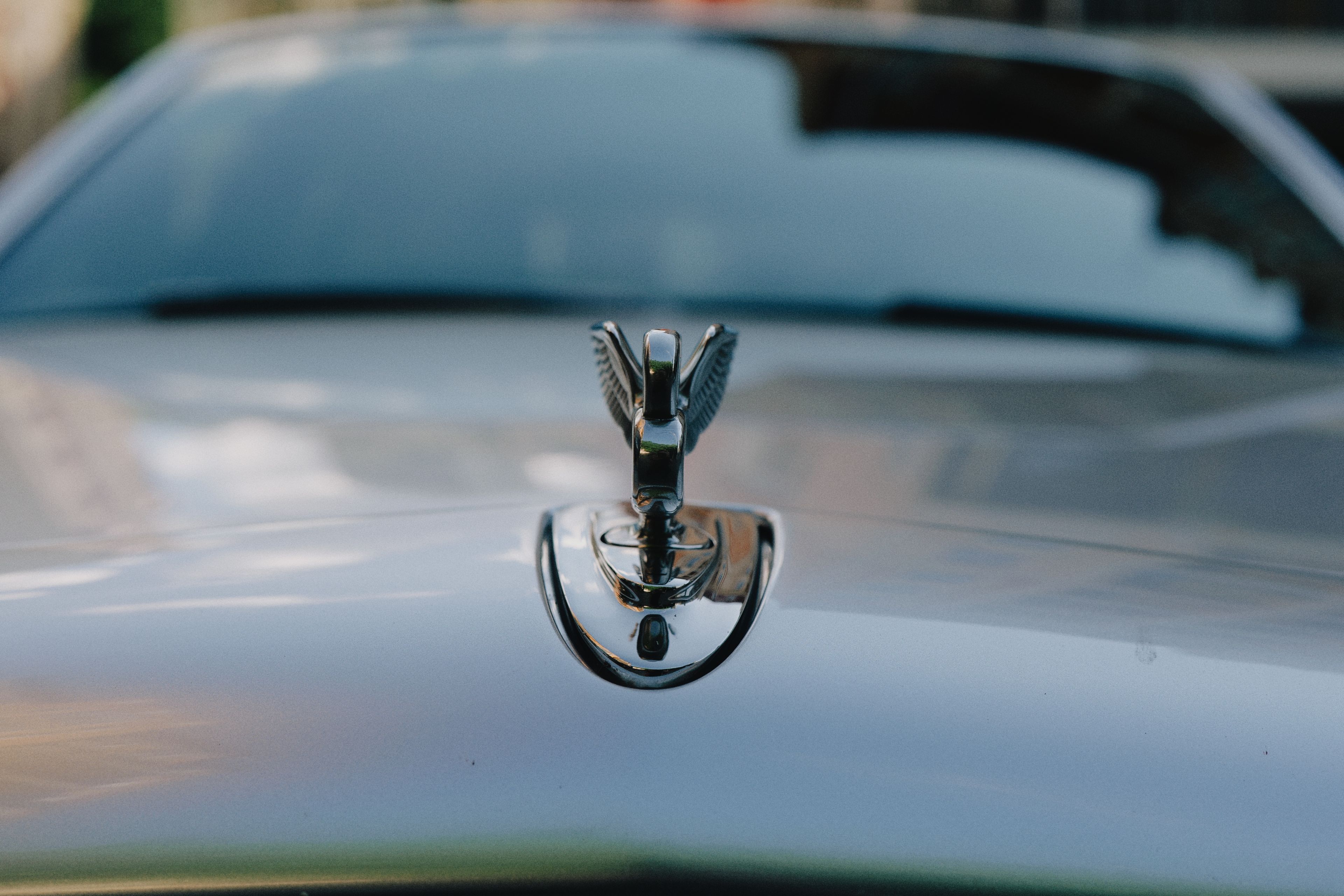
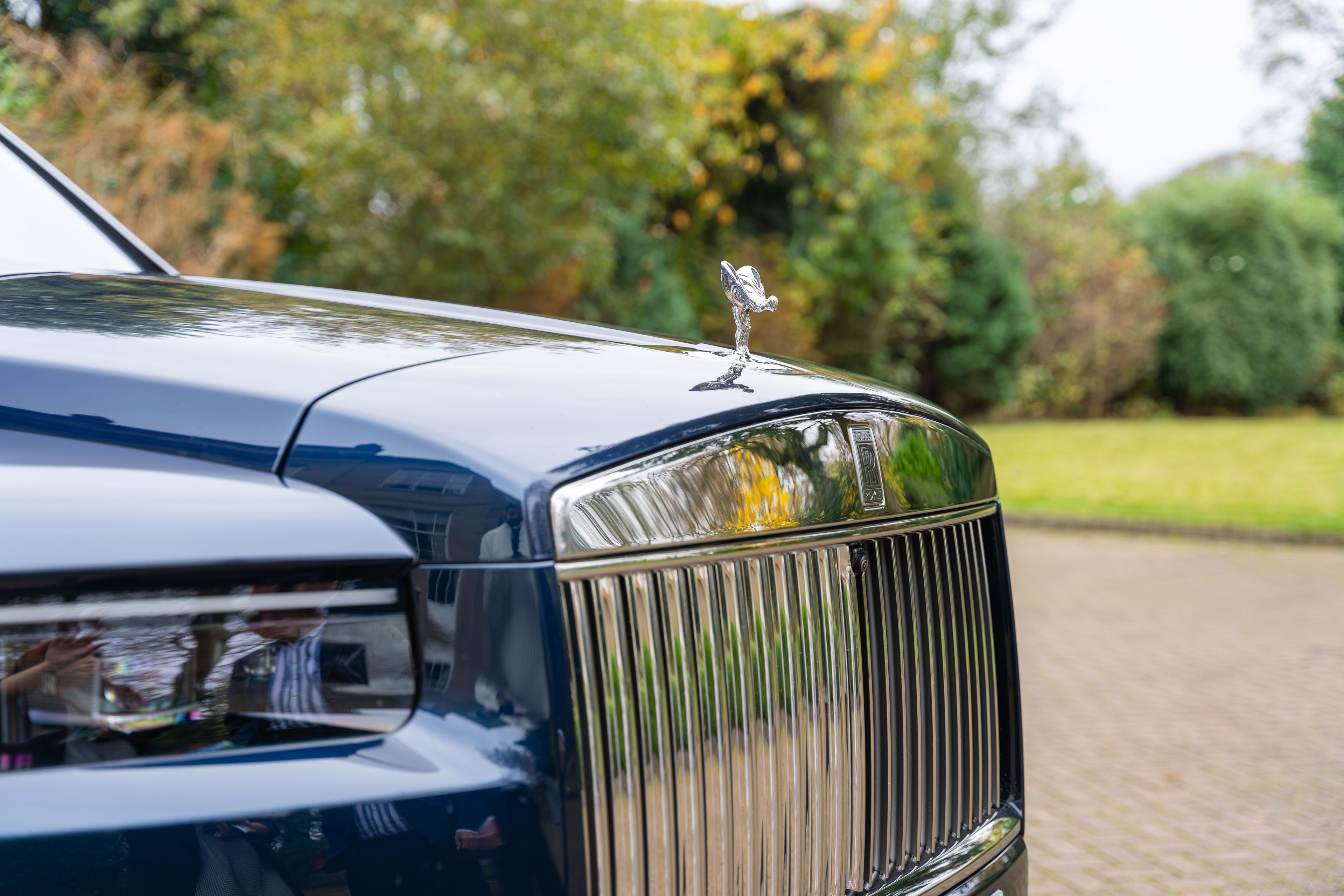
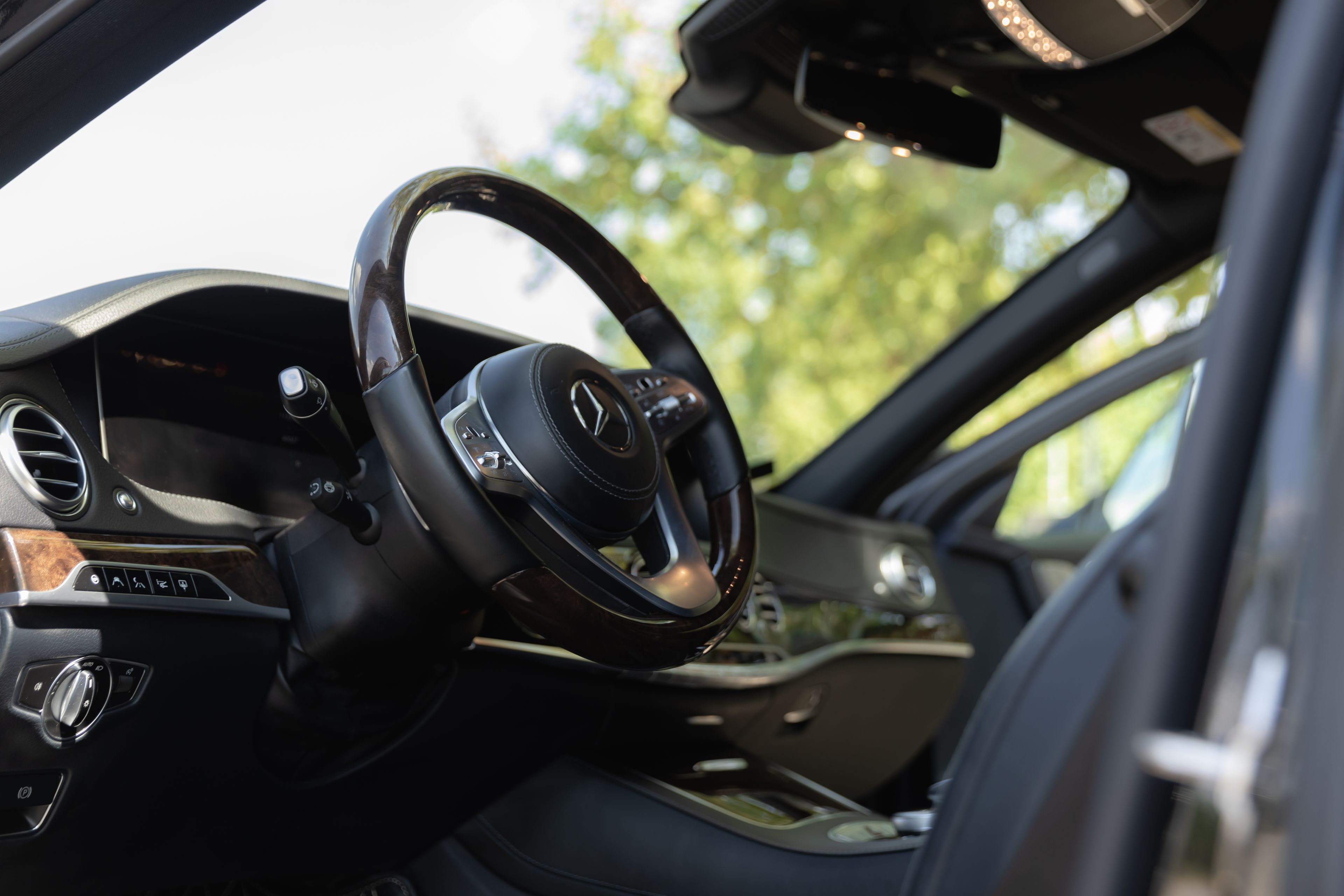
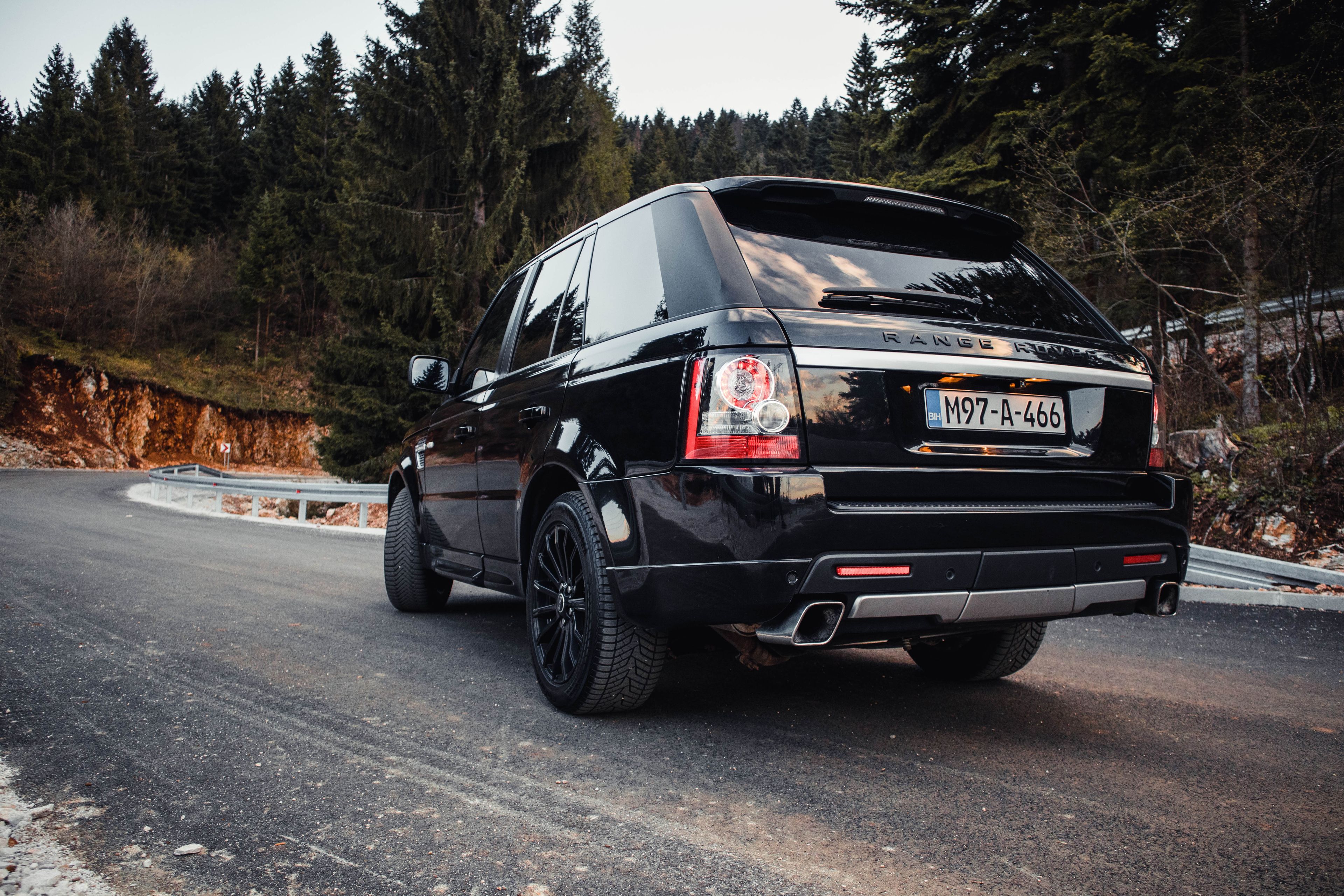
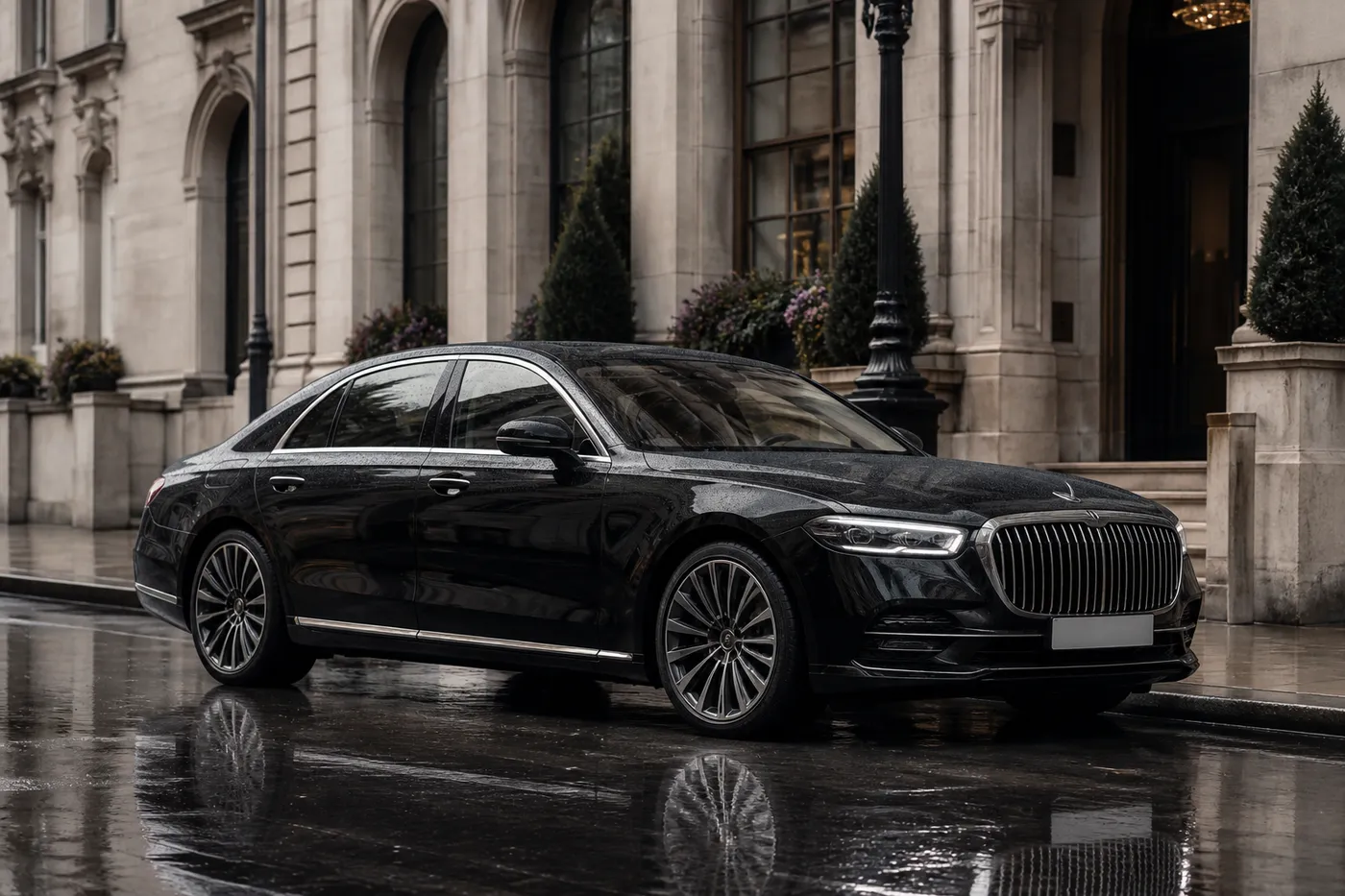
Model, colour and specification are always subject to availability and to confirmation at booking. The cars come from our own fleet and from a vetted network of professional chauffeur operators, which is how coverage at an airfield in Hampshire or Aberdeenshire is possible at reasonable notice, and we tell you what has actually been allocated rather than showing you a photograph of something similar.
Which airfields ask more of a car
The dedicated business airports around London are well served by chauffeurs and straightforward to reach, which makes them the least complicated to arrange. Regional airfields are a different proposition. A field an hour from the nearest town with no chauffeur based within forty miles means the car travels to reach you and travels again to get home, and that repositioning is part of the work.
Late-night arrivals compound it. An aircraft landing after the local operators have finished for the day leaves very few people willing to be standing on a dark apron, and the ones who are willing have made a deliberate decision about their evening. This is straightforward scarcity rather than opportunism, and the way around it is to give as much notice as the flight plan allows.
Shaping a private aviation booking
Most of the available saving lives in notice and precision. A movement confirmed a week ahead is chosen from the whole diary; the same movement confirmed at nine the previous evening is chosen from whatever is left, at an airfield where very little may be left. Where your dates are known even loosely, telling us early costs nothing and reliably helps.
For a figure, we quote each movement individually and confirm it in writing before anything is held. Send the airfield and terminal, the date and planned time, the tail number and operator, the number of passengers and crew, the destination addresses and any airside access already agreed. WhatsApp or email both work, and the arrangement and the terms come back to you set out plainly.
- Give notice as early as the flight plan allows, even provisionally
- Send the tail number and handling agent, not just the airfield
- Confirm early whether crew travel separately from passengers
- Ask what has been agreed about airside access before the day
- Combine the outbound and the return into one arrangement
- Tell us promptly when the slot moves, in either direction