




People are far more nervous about a first chauffeur journey than they will admit. Where do you sit. Are you supposed to talk. Do you open your own door or wait. Is it rude to take a call, work, sleep, ask for the window down. None of it is difficult, but nobody explains it, so the first ten minutes are spent watching for cues instead of relaxing.
This walks through a journey in the order it happens, from the day before to the moment you step out. The short version is that almost nothing is expected of you and everything is adjustable on request. The longer version is below, and it may spare you the mild self-consciousness that most people describe afterwards.
Before the day
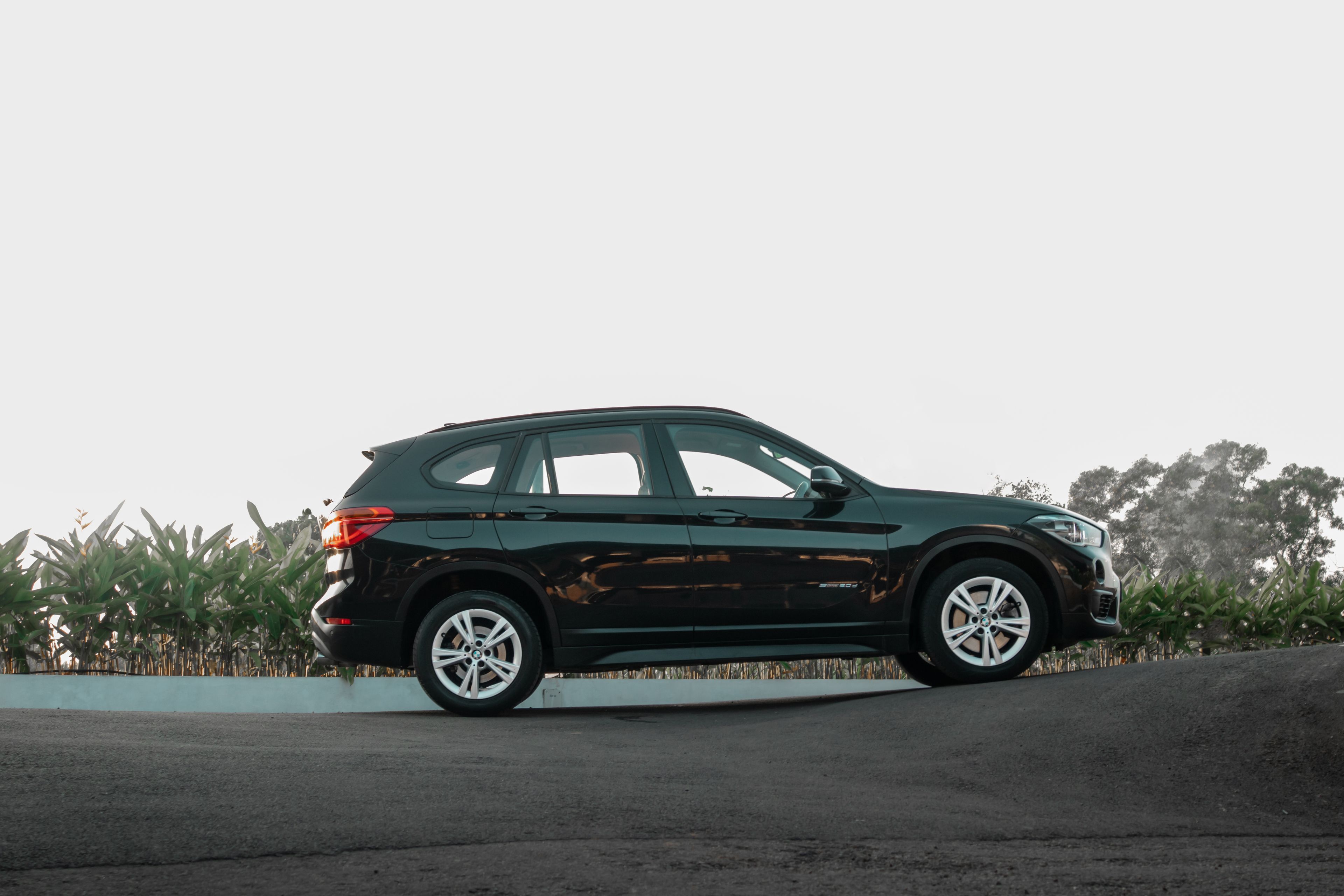
You should already know more than you need to. The confirmation you received will name the vehicle class, the times, the addresses and how waiting is handled. Ahead of the journey you should also be told practical things: where the car will stand, which entrance to use, and how the chauffeur will let you know they have arrived. None of that should require you to ask, although asking is never a problem.
If any of that has not reached you a day out, ask. A message on WhatsApp is quicker than wondering. It is entirely normal to want to confirm the details, and no operator worth booking will treat the question as a nuisance. If anything about your plans has shifted in the meantime, this is the moment to say so rather than at the kerb.
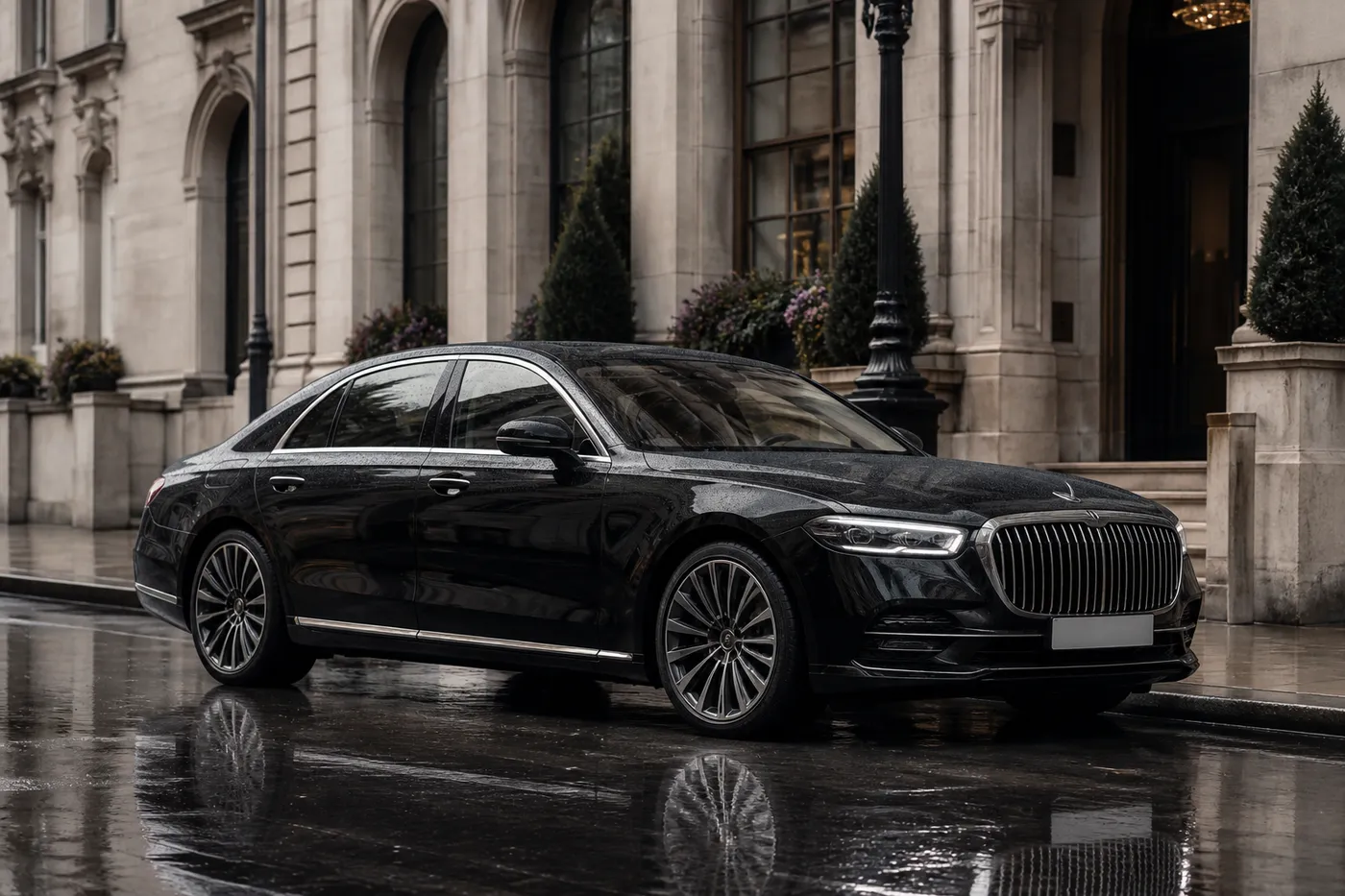
- The vehicle class reserved, and roughly what it will look like
- Where exactly the car will stand, and which door to use
- The chauffeur name, where one has been allocated in advance
- How you will be told that the car has arrived
- A number you can reach on the day if anything is unclear
The arrival, and the first thirty seconds
The car will be there before the appointed time. That is standard practice rather than a courtesy, and it exists so that a wrong turning or a closed road does not become your problem. You will usually receive a short message saying the car has arrived and where it is standing, and then nothing further, because pressing you to come out is precisely what a chauffeur does not do.
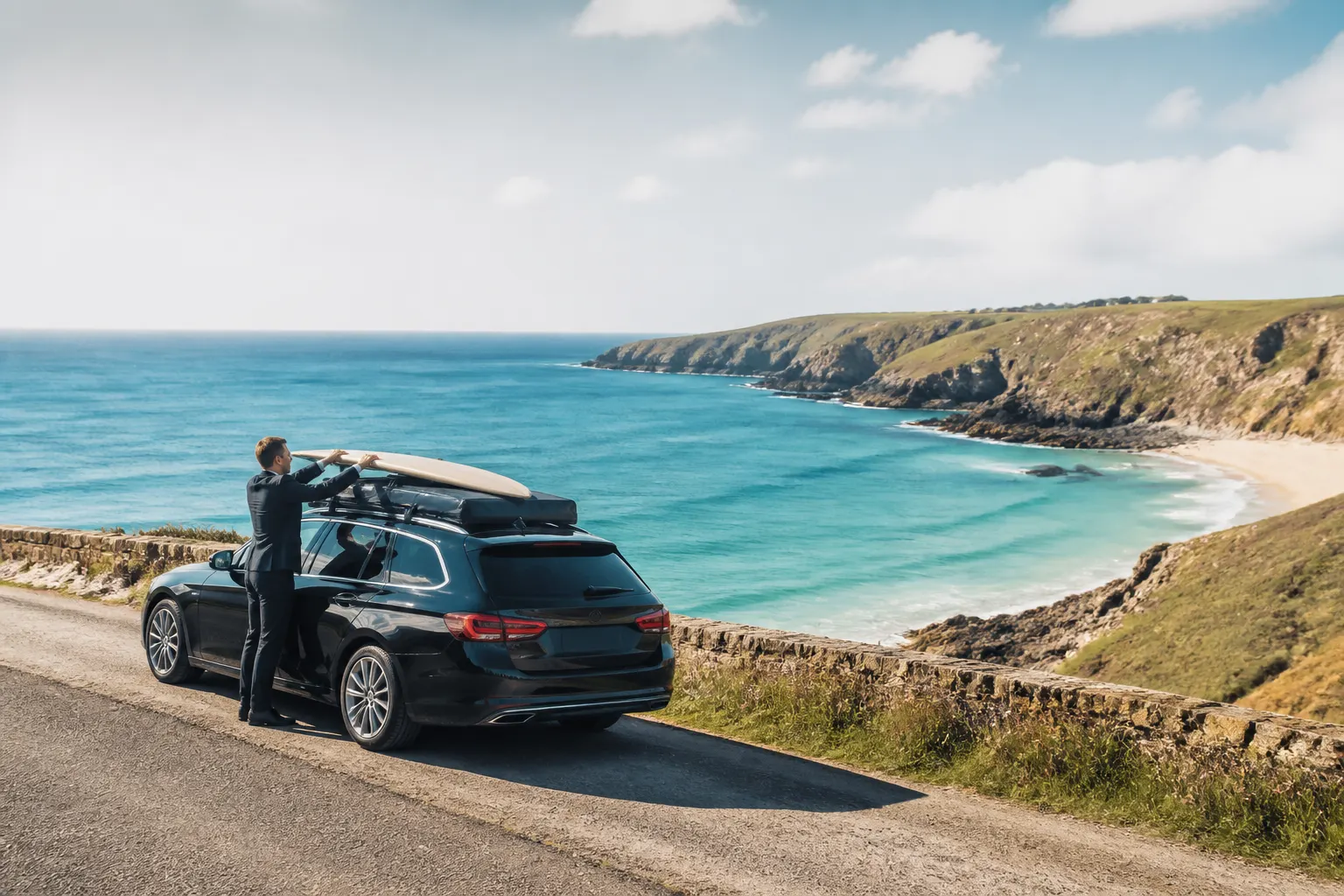
When you appear, the chauffeur will greet you, confirm your name quietly, and open the rear door. They will take your bags without being asked and load them properly rather than dropping them in. If you would prefer to keep a particular bag with you, just say so; nobody will insist on putting your laptop in the boot, and nobody will be the least bit offended if you would rather carry a bag yourself.
Where to sit, and why it barely matters
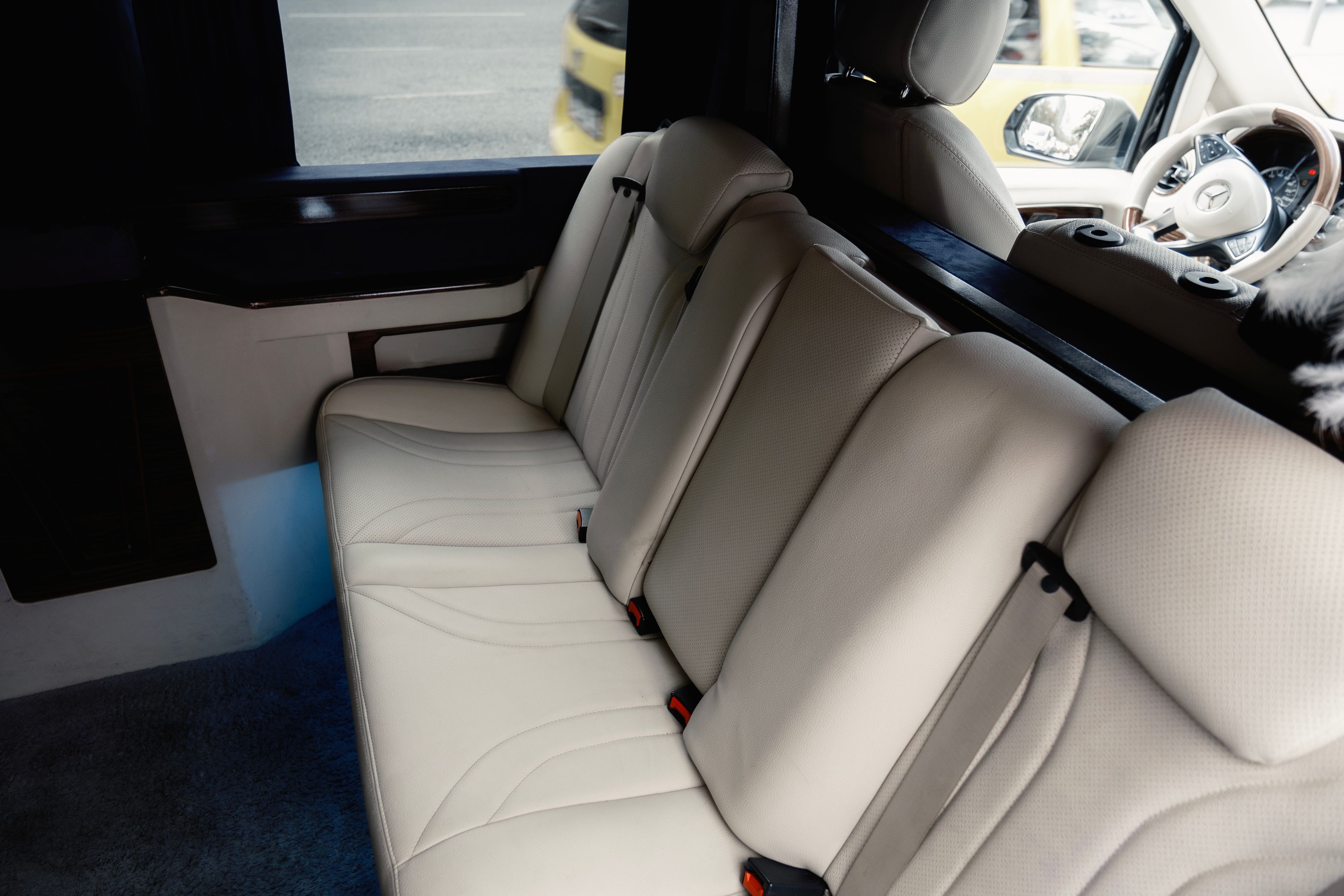
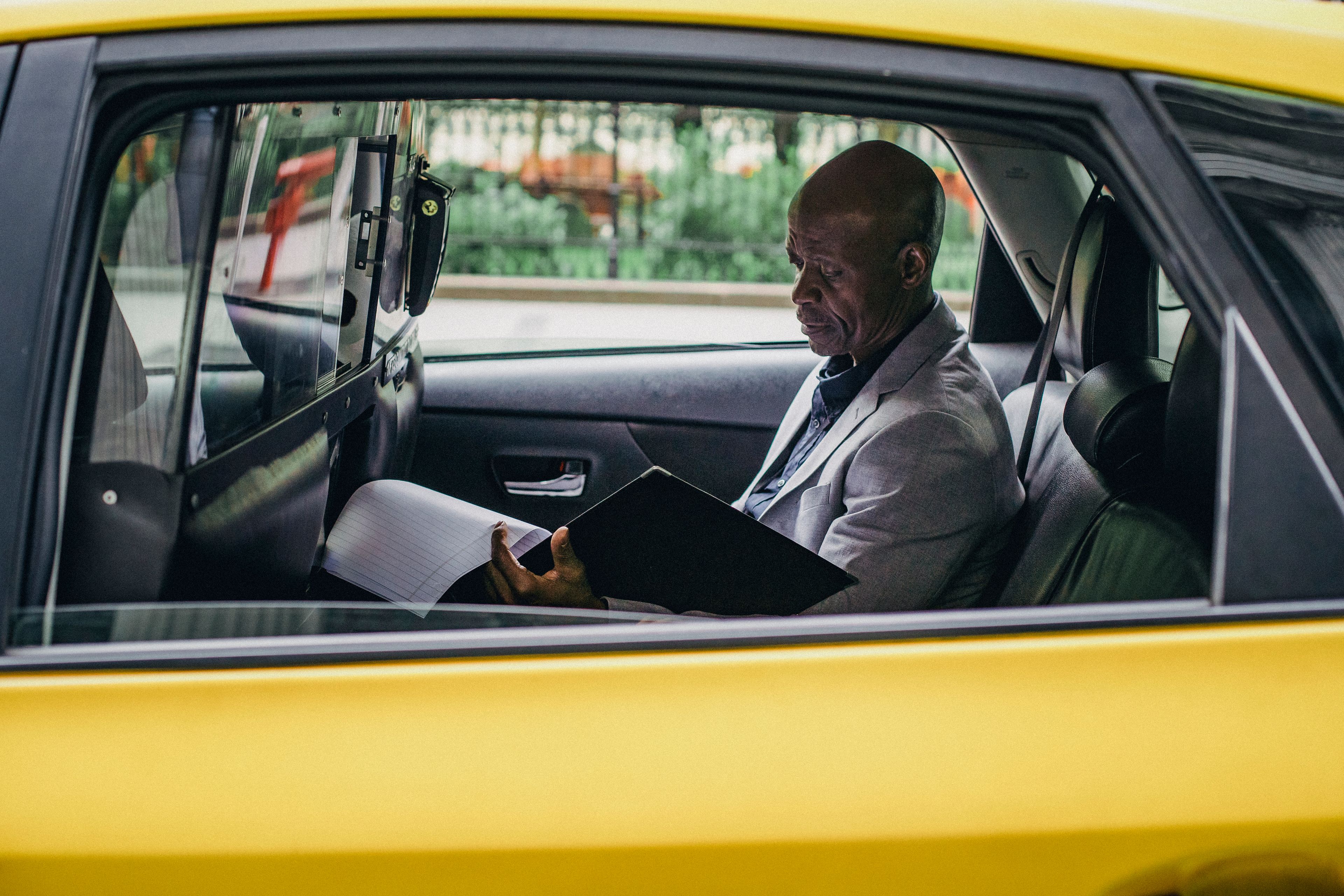
Convention places a single passenger in the rear seat behind the front passenger, because it gives the easiest exit at a kerb and the clearest sight line for conversation. That is convention, not obligation. Sit wherever you are comfortable. Some people prefer the front, particularly on long journeys or if they get car sick, and no chauffeur will find that odd.
The rear is where the car is designed to be enjoyed, though, and on anything over half an hour it is worth using. Rear climate control, more legroom and better insulation are all pointed that way. If you are travelling with somebody and want to talk without the chauffeur hearing every word, the rear seats are also the only sensible answer.
The journey itself
The cabin should be quiet, at a sensible temperature, with still water available and somewhere to charge a phone. If any of that is not how you would like it, say so at the start rather than enduring it. Asking for the heating down, the radio off, a window opened or the route changed is completely normal and is the reason the arrangement exists.
Conversation is entirely your choice. A professional chauffeur reads within the first minute whether you want to talk and behaves accordingly, and silence is not awkward for them. Take your calls, work, sleep or stare out of the window. What is discussed in the car stays in the car, and a chauffeur who repeats things is not one who lasts.
- Ask for the temperature, music or window you actually want
- Take calls freely; discretion is part of the job rather than a favour
- Say if you would like the route changed or a stop added
- Mention travel sickness early so the driving can be adjusted
- Tell the chauffeur if you need to be quiet for a call or a nap
- Say if you are running late; it is easier to absorb than to discover
Arriving, and how it ends
The chauffeur will position the car so that you step out onto the pavement rather than into the road, which occasionally means going a little further along the street than you expected. They will come round and open the door, and they will take your luggage to the door or to reception rather than leaving it at the kerb. There is no need to help.
If it is a return journey or a held booking, agree what happens next before you walk away. A rough time and a meeting point are enough. If you will message when you are ready, say that instead. The vagueness that creeps in here is the commonest cause of a passenger standing outside a restaurant wondering where the car is.
The small anxieties, answered
You are not expected to open your own door, but nothing terrible happens if you do, and plenty of regular clients simply get on with it. You are not expected to make conversation. You do not need to apologise for luggage, for children, for running late, or for changing your mind about the route. None of that is unusual and all of it is anticipated.
Tipping is entirely at your discretion in Britain and is never expected or prompted. It is neither rude to tip nor rude not to, and no chauffeur will behave differently either way. If you would rather express appreciation another way, a word to the office about a chauffeur who did the job well genuinely carries further than most people realise.