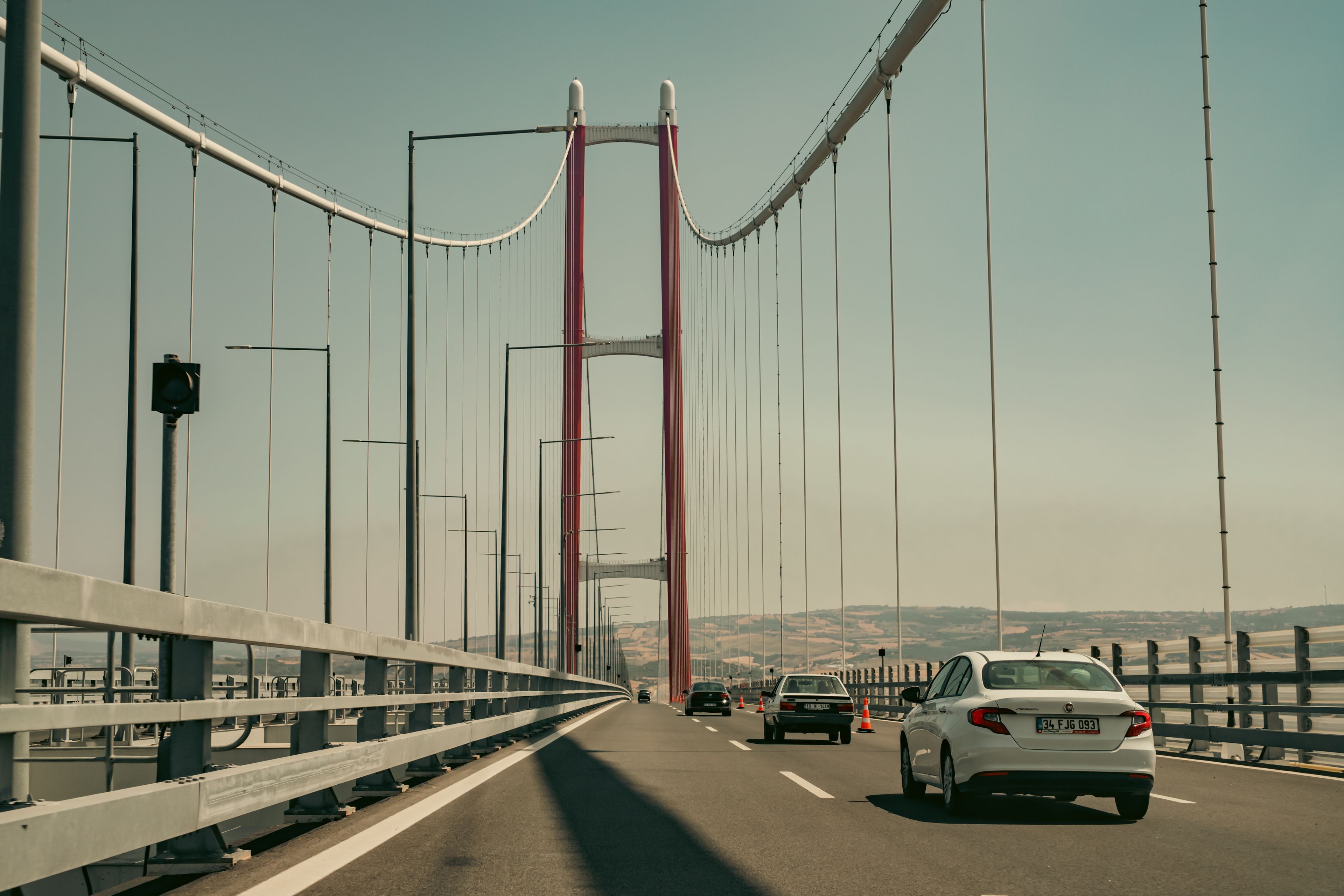






Look for a chauffeur in almost any British town and two sorts of company come back. One is rooted in a place: a few cars, a proprietor who still drives at weekends, and a working knowledge of local gates and service entrances that no mapping app contains. The other operates nationally, with structure behind it, cover behind that, and a single account across every region you travel in.
Marketing on both sides overstates the case. Small does not automatically mean attentive, and large does not automatically mean anonymous. What genuinely differs is the shape of the risk you take on and the kind of failure each model is built to absorb, which is a much more useful basis for choosing than the number of cars on a website.
What local knowledge is really worth
In a town he has driven for fifteen years, a chauffeur knows the loading bay behind the hotel that the satnav sends you past, which side of the registry office the wedding party actually emerges from, that the high street closes for market on Thursdays, and that a particular lane floods after two days of rain. None of this appears in a route calculation. All of it decides whether your car is waiting in the right place.
Continuity is the other quiet advantage. Book the same small firm often enough and you get the same two or three faces, who learn without being told that you like the rear windows down for the first mile or that your daughter is anxious in traffic. That kind of familiarity is very hard to specify in a booking and very obvious when it is present.
What scale is actually for
A national operation is buying you two things: reach and redundancy. Reach means a car in Aberdeen on Tuesday and another in Truro on Wednesday, arranged through one point of contact, against one standard, on one invoice. For anybody running a programme of travel rather than a single trip, that consolidation removes a surprising amount of administrative friction. One conversation replaces five, and nobody has to vet a new supplier in every county.
Redundancy is the less glamorous half and matters more than most people expect. Cars break, chauffeurs fall ill, and roads close. A firm with three vehicles and a busy Saturday has no third option; a wider network has somebody else within reach. You are not paying for the second car you never see. You are paying for the fact that it exists.
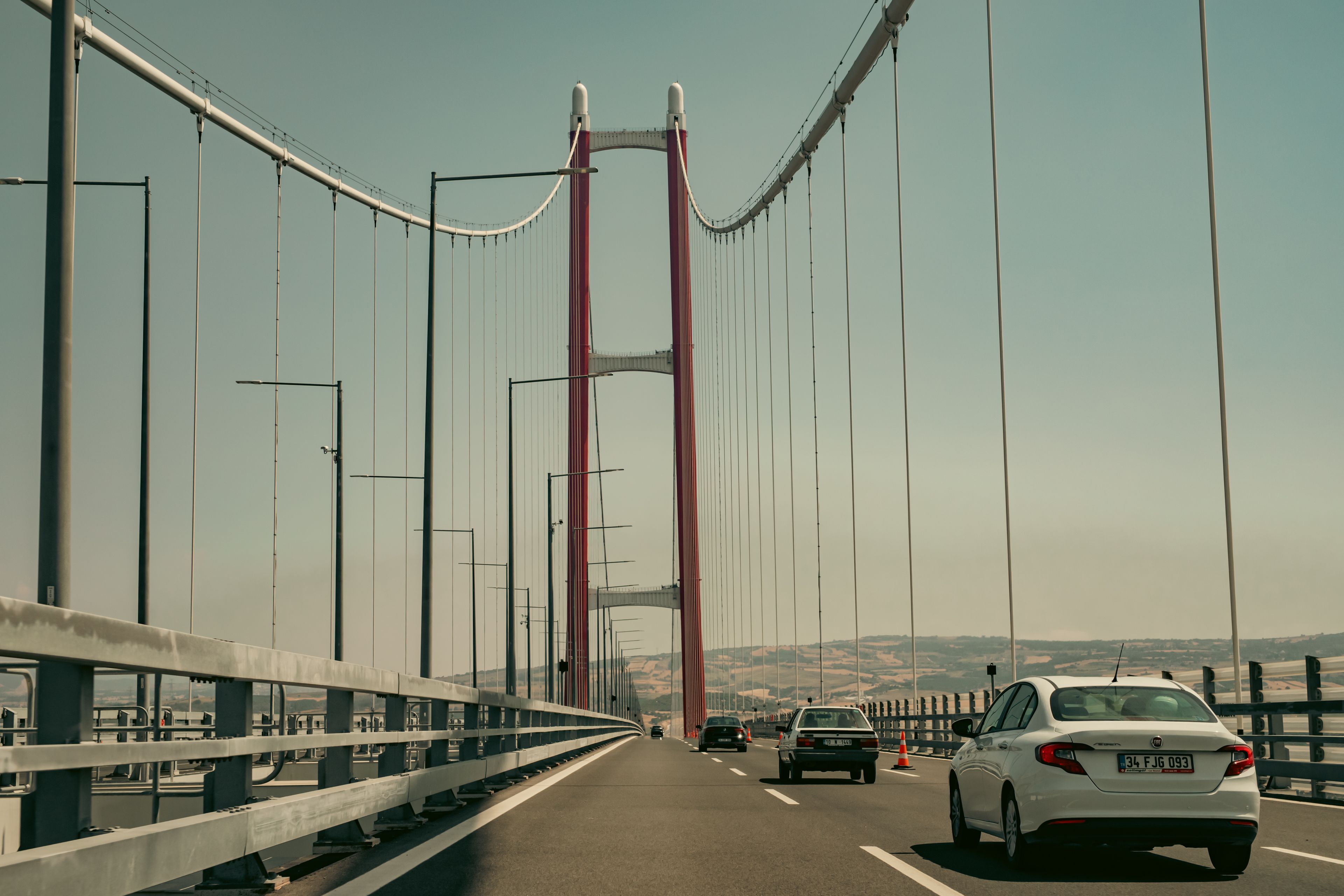
Where each model tends to strain
Small firms strain at peaks and at distance. Wedding season, a race meeting, a local festival or a run of school events can absorb every car in a modest fleet, and a long-distance job to Scotland removes a vehicle from the home area for two days. Good local operators are candid about this and will tell you when they are full. Less good ones accept the work and then improvise.
National operations strain in the opposite direction. Distance from the ground breeds generic briefing, and a brief that reads well in an office can miss the fact that the venue's main gate is chained after six. Where work is passed on without oversight, standards drift. Anybody who works through a network, ourselves included, has to answer for how that network is chosen and checked.
Head to head
Reduced to the decisions that actually differ, the two models line up fairly predictably. Most of the contrast comes down to whether your requirement is deep in one place or spread thinly across many, and almost none of it comes down to how polished the website looked when you found it. Read the list against your own pattern of travel rather than against a single upcoming journey.
One caution before the list. Several companies present themselves as national while operating as a booking desk that passes every job onward without meeting anybody it sends. Others describe themselves as local while quietly subcontracting half their work. The label on the website tells you very little; what you want to know is who checks the chauffeur who turns up.
- Knowledge of gates, entrances and local closures: the local firm, decisively
- A car in three different counties in one week: the national operation
- Cover when a vehicle fails at short notice: the national operation
- The same familiar chauffeur across repeat bookings: the local firm
- Consolidated billing and consistent standards across regions: the national operation
- Peak weekends in a single town: whoever has capacity, which is often the larger
- Unusual local requests handled by someone who knows the ground: the local firm
When the local firm is the better booking
For a single journey that begins and ends inside one town or county, a good local company is frequently the better choice, and we would say so rather than compete for it. They know the roads better than any national planner can, their chauffeur may well have driven the same route that morning, and the whole arrangement is short, direct and personal. There is no argument for complicating that.
Regular local work strengthens the case further. A weekly hospital run, a standing school journey, a recurring station transfer for the same passenger at the same hour: these reward familiarity above everything else, and familiarity is what a small firm sells best. Building that relationship with somebody two miles away is usually the sensible outcome. There is little a wider network can add to a journey that never leaves the postcode.
The one thing worth checking is what happens when their car cannot come. Ask directly. A local operator with honest arrangements for cover will answer without hesitation; one who has not thought about it will change the subject. That single question tells you more about a company than any amount of description. It is also the only part of the arrangement you cannot judge from the outside.
Where we sit, stated plainly
We are neither purely one thing nor the other, and pretending otherwise would be dishonest. We run our own cars and we work alongside a vetted network of professional chauffeur operators, which lets us cover the whole of the United Kingdom while keeping one point of contact and one set of expectations for every booking. The strength of that model rests entirely on how carefully the network is chosen.
In practice it means we are candid about which journeys we are best placed for and which are better served by somebody on the doorstep. Model, colour and specification depend on availability and are confirmed at booking rather than promised in advance. Send the route and the date on WhatsApp or by email and you will get a written quotation and, where it applies, an honest suggestion to look closer to home.