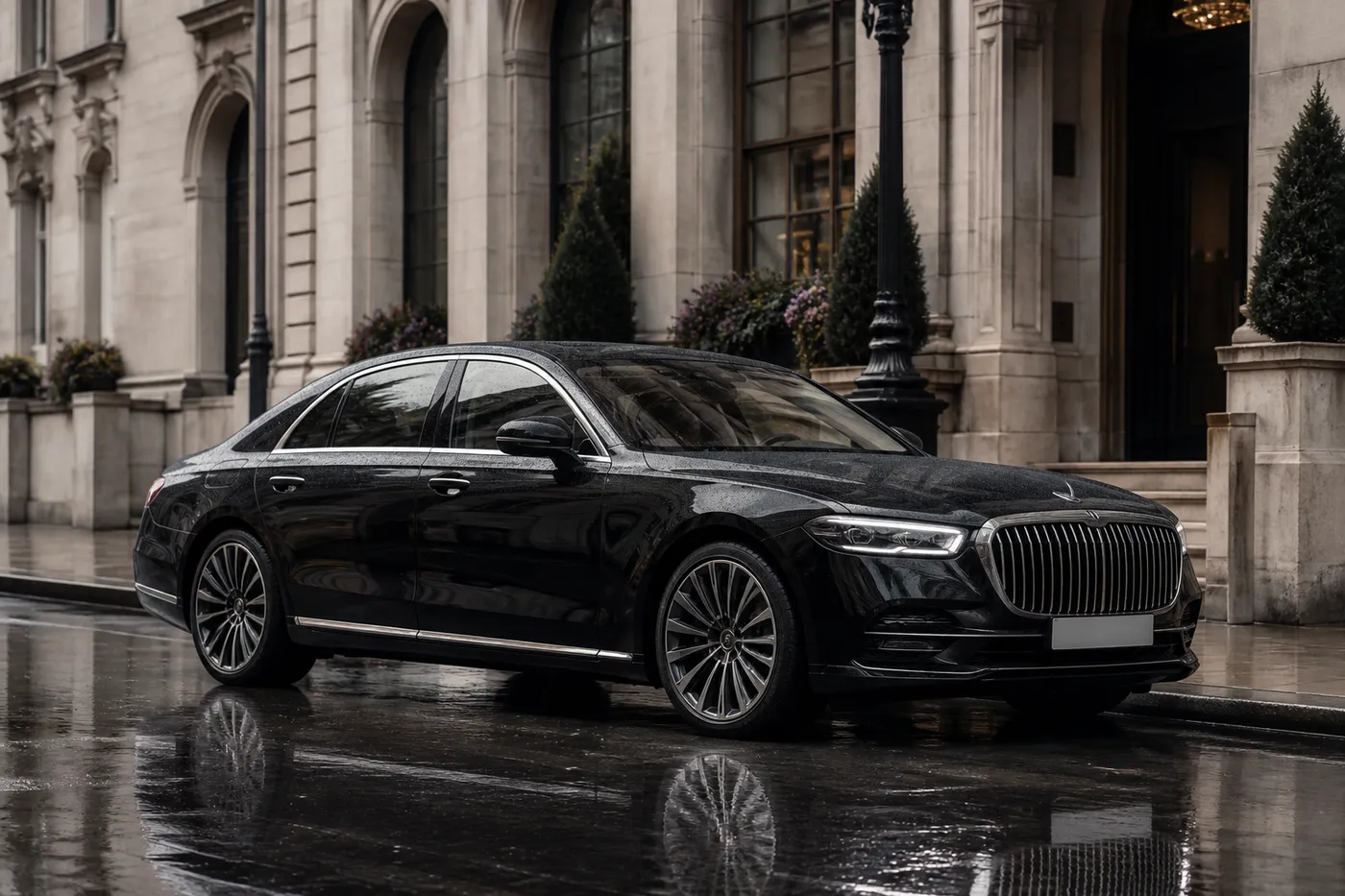





There is a strong correlation between how a booking is described and how the day turns out, and it is not the correlation people expect. It is not about being polite, or knowing the terminology, or booking a grander car. It is simply about how many assumptions the operator has to make on your behalf, because every assumption is a place where the plan can quietly diverge from your reality.
What follows is the list of things worth telling us, grouped by why they matter rather than by how obvious they seem. Some of it will feel excessive for a straightforward transfer. Send it anyway; the items that seem redundant are usually the ones that turn out to matter, and a complete brief takes about ninety seconds to write.
Times: the ones that cannot move
The single most useful thing you can tell us is not when you want to leave but when you have to be somewhere. Those are different pieces of information, and only the second one lets a chauffeur plan properly. If you say you would like to leave at nine, we will collect you at nine. If you say a meeting starts at half past ten and where it is, we can tell you whether nine is sensible.
Where a day has several appointments, mark which are immovable and which have give in them. Flights, court listings, ceremonies and trains are fixed. Lunches, viewings and internal meetings usually are not. Knowing which is which lets the whole day be built around the right anchor rather than around whichever appointment you happened to mention first, which is rarely the one that matters most.
Addresses, not areas
Give the full address including the building name and, where it matters, which entrance. A great many London offices have a main reception on one street and a set-down point on another, and hotels frequently have a forecourt that cars can use and a front door that they cannot. Naming the street alone leaves the chauffeur to guess, usually while you are standing outside somewhere else.
For private houses, gated developments, industrial estates and rural properties, add whatever the map does not know. Gate codes, the name on the intercom, which of three tracks to take at the fork, whether the barrier is manned, and whether there is anywhere at all to stand legally. These are the details that turn a fifteen-minute margin into an unnecessary phone call.
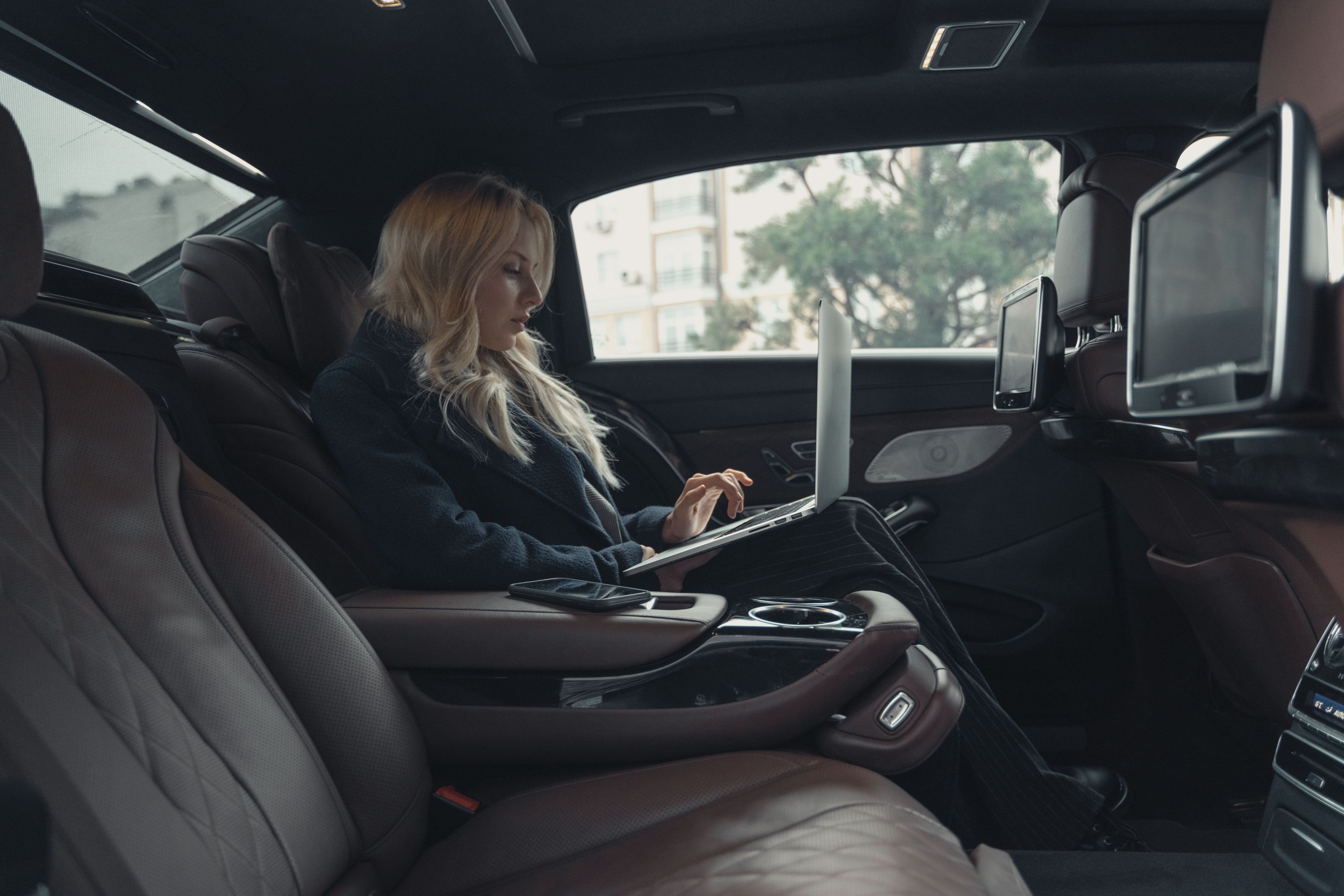
Count the luggage, do not describe it
More bookings go wrong over luggage than over any other single factor, and the reason is that people describe it rather than counting it. A couple of bags means nothing; two large cases and two cabin bags means something specific and determines whether a saloon is viable. Count the actual items, including anything travelling in the cabin with you, and give us the number rather than an impression of it.
Then mention anything that is not a suitcase. Golf clubs, skis, a cello, a pushchair, a folded wheelchair, sample cases, a wedding dress on a hanger, boxes of documents: each behaves differently in a boot and some of them determine the vehicle on their own. Saying so at the enquiry stage costs nothing; discovering it at five in the morning costs everybody a great deal.
- Large suitcases, counted individually
- Cabin bags, laptop bags and handbags travelling in the car
- Sports equipment, instruments or anything long and rigid
- Pushchairs, wheelchairs or mobility aids, folded or otherwise
- Garment carriers and anything that must not be laid flat
- Anything fragile, valuable or that you would rather keep with you
The people travelling
Tell us the number of passengers, and whether that number changes during the day. A car collecting two people and dropping off four is a different vehicle from the one you would otherwise be given, and it is surprisingly common for somebody to join at a second address without it having been mentioned. The same applies in reverse when half the party leaves after lunch and the car is suddenly larger than anybody needs.
Then say anything that affects how the journey should be run. Children need seats appropriate to their age and weight, which we can only fit if we know both. Anyone with limited mobility may need the car positioned differently, an arm offered, or simply longer at each end. Anyone travelling alone at night may want to know in advance who is collecting them. None of this is intrusive to ask about; it is the difference between transport and service.
The things people routinely leave out
Some information seems irrelevant right up until the moment it is not. The list below is drawn from the situations that most often produce a difficult phone call, and every item on it has caused a real problem for somebody who decided it was too small to be worth mentioning. None of them takes more than a few seconds to type, and any one of them can save a difficult quarter of an hour.
There is no such thing as too much context at the enquiry stage, within reason. What we do not need is personal information that has nothing to do with the journey. We need to know how to find you, how to fit you in, and how to get you there. We do not need to know why you are going.
- A flight number and terminal, even for a departure
- Whether you want to be met inside a terminal or collected at the kerb
- Any pet travelling, and whether it will be in a carrier
- Whether the return leg is likely, even if not yet certain
- Whether somebody other than the passenger is making the booking
- Any name the chauffeur should use, or one they should not
- Whether a receipt or invoice is needed and in whose name
How much detail is too much
You do not need to write an itinerary for a single airport transfer, and nobody expects you to anticipate every eventuality. A useful test is whether an item would change what we do: the entrance you will emerge from changes where the car waits, so it matters, whereas your seat number on the aircraft does not, however diligently it was written down.
Send whatever you have in whatever form you have it. A screenshot of a wedding schedule, a forwarded flight confirmation, or three lines typed quickly on the way to a meeting are all perfectly workable. We will come back with questions if something is missing, and the written quotation will set out what we have understood so that you can correct it before anything is fixed.