



Wedding transport is one of the few things on the day that has to happen at a fixed time and in a fixed order. Flowers can arrive late and nobody will mind. A car arriving late is felt by everyone in the building. The planning is not complicated, but it does need to be written down rather than held in three people's heads.
This checklist is arranged the way the day itself unfolds: the early decisions about cars and cameras, then the running order, then the practical matters of dresses, access and photographs, and finally what happens once the ceremony is over. Work through it with whoever is coordinating the day and you will have most of the answers before anyone thinks to ask for them.
Decide the running order first
Before anything else, write out who needs to be where and when. A typical morning involves at least three separate movements: attendants and family to the ceremony, the person getting ready last to the ceremony, and then everybody onward to the reception. Each of those is a booking, and each has a latest possible arrival time that the others depend on.
Once that order exists on paper, the gaps become obvious. Two movements twenty minutes apart cannot be covered by one car unless the venues are next door to each other. Three sets of attendants at three addresses is three collections, not one. Set this out early and the number of vehicles you actually need stops being a guess. It is usually fewer than people fear, and occasionally one more.
Choosing cars for the occasion
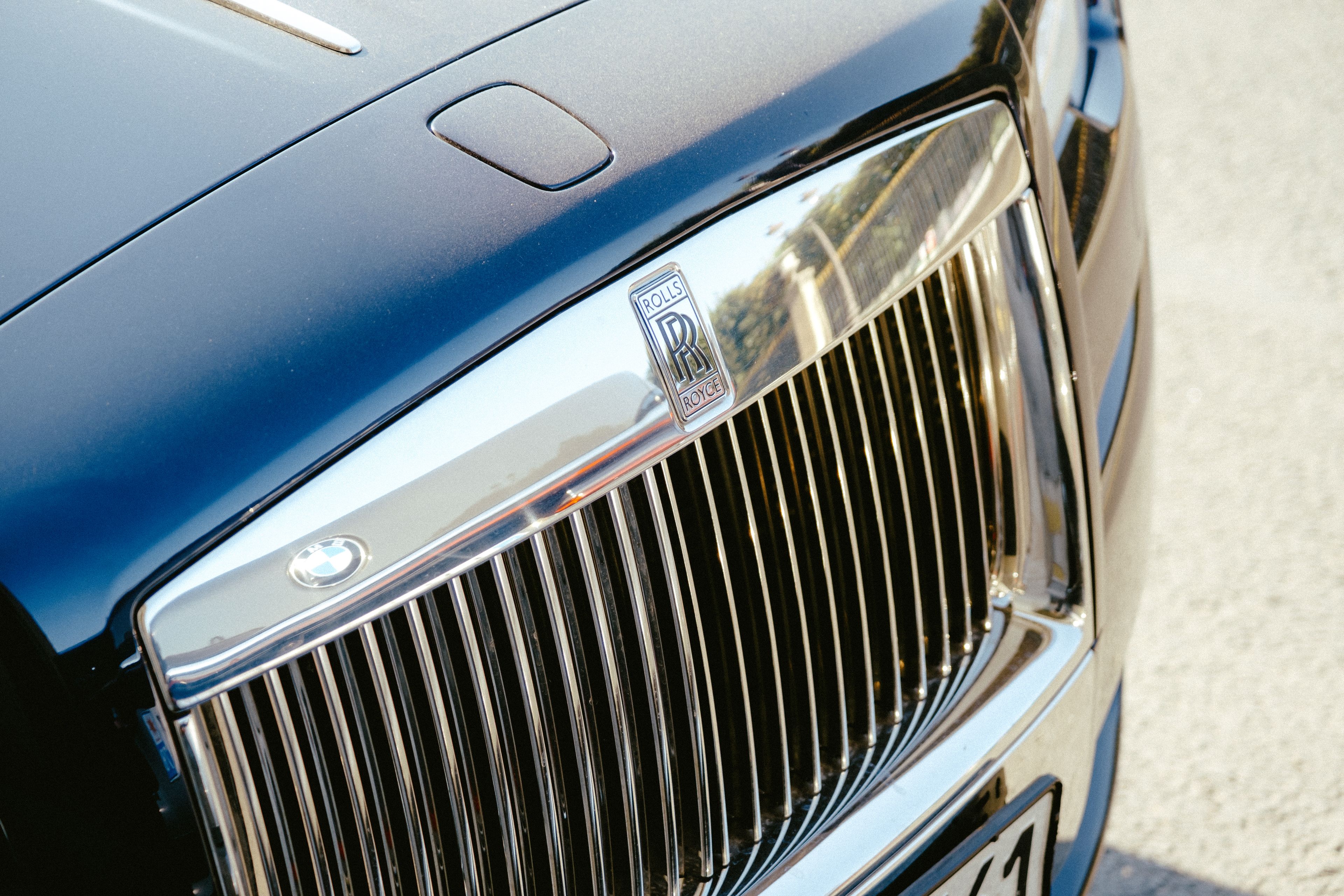
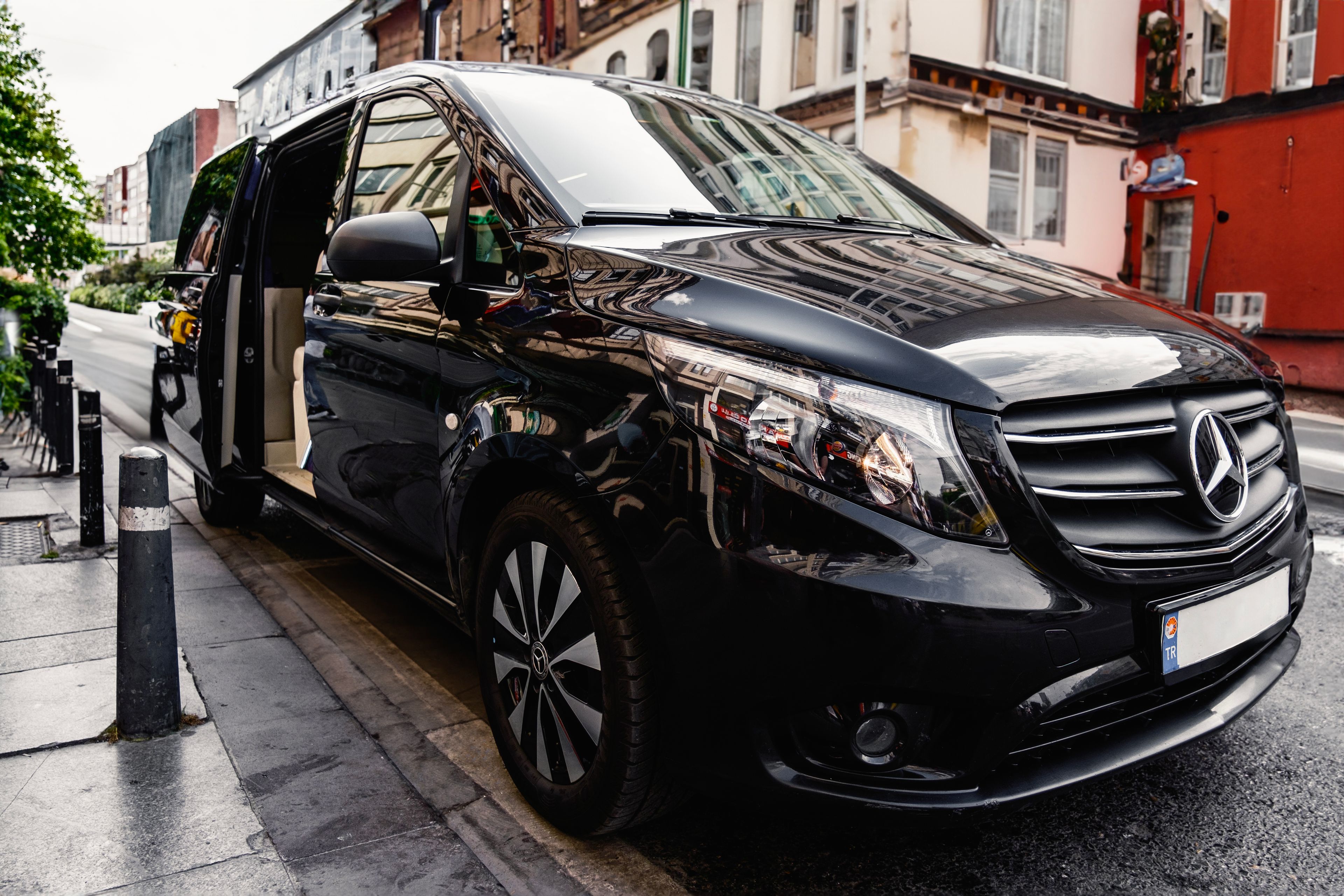
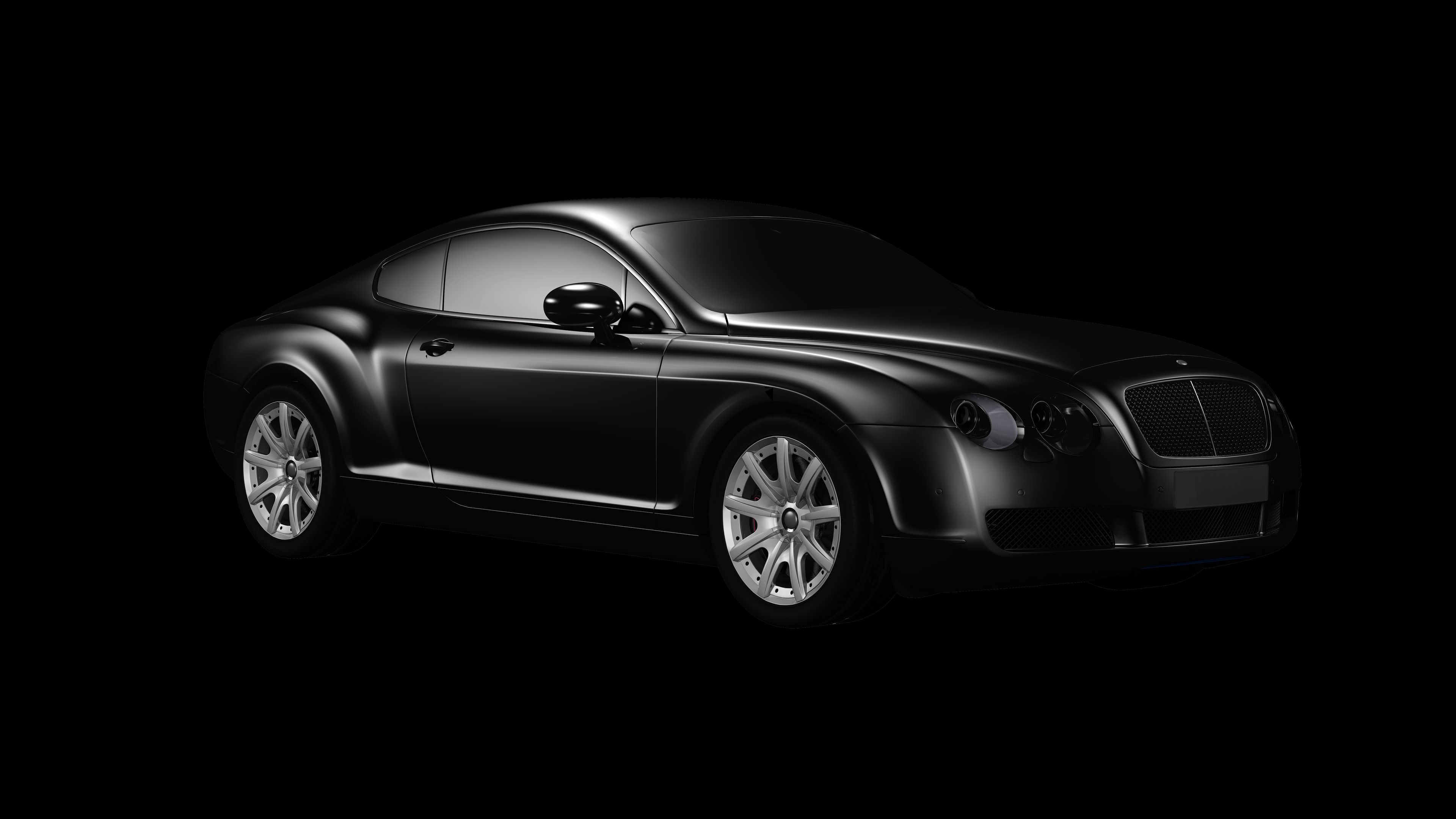
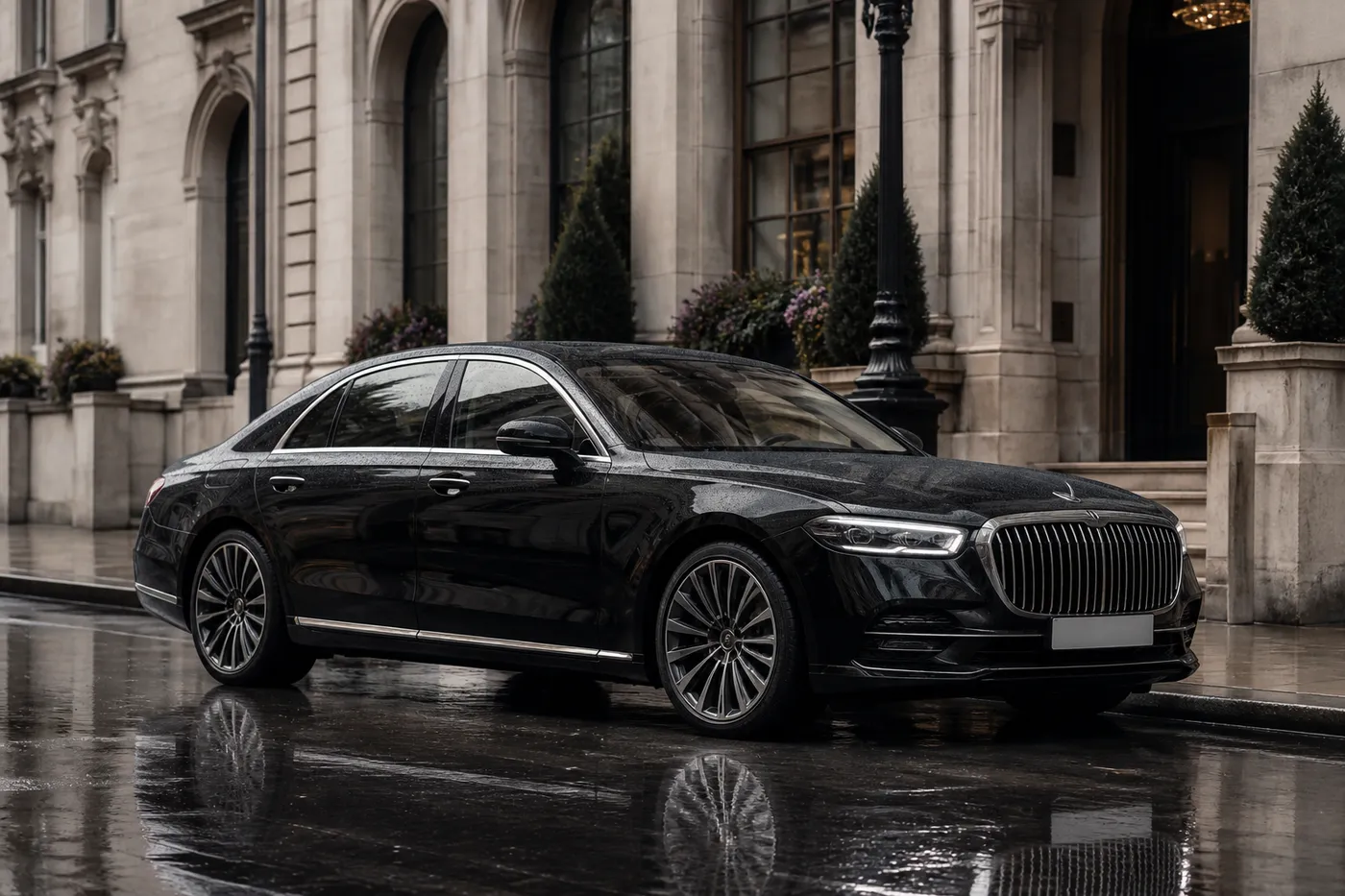
There are really two questions here: which car appears in the photographs, and which cars simply need to move people comfortably. They rarely want the same answer. A Rolls-Royce or a classic-shaped saloon earns its place at the front door of the ceremony. Attendants and parents are better served by something with easy doors and room to sit without creasing anything.
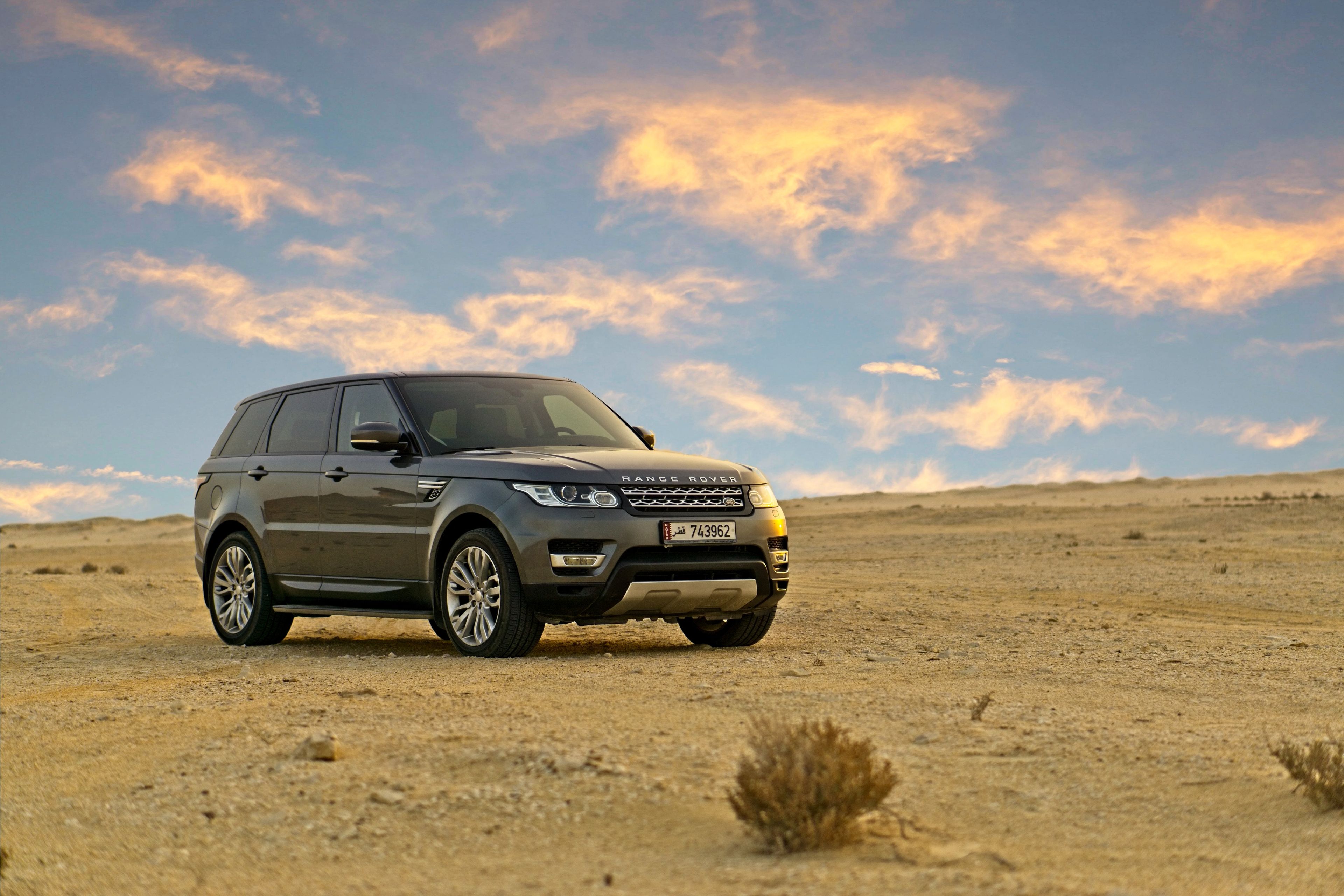
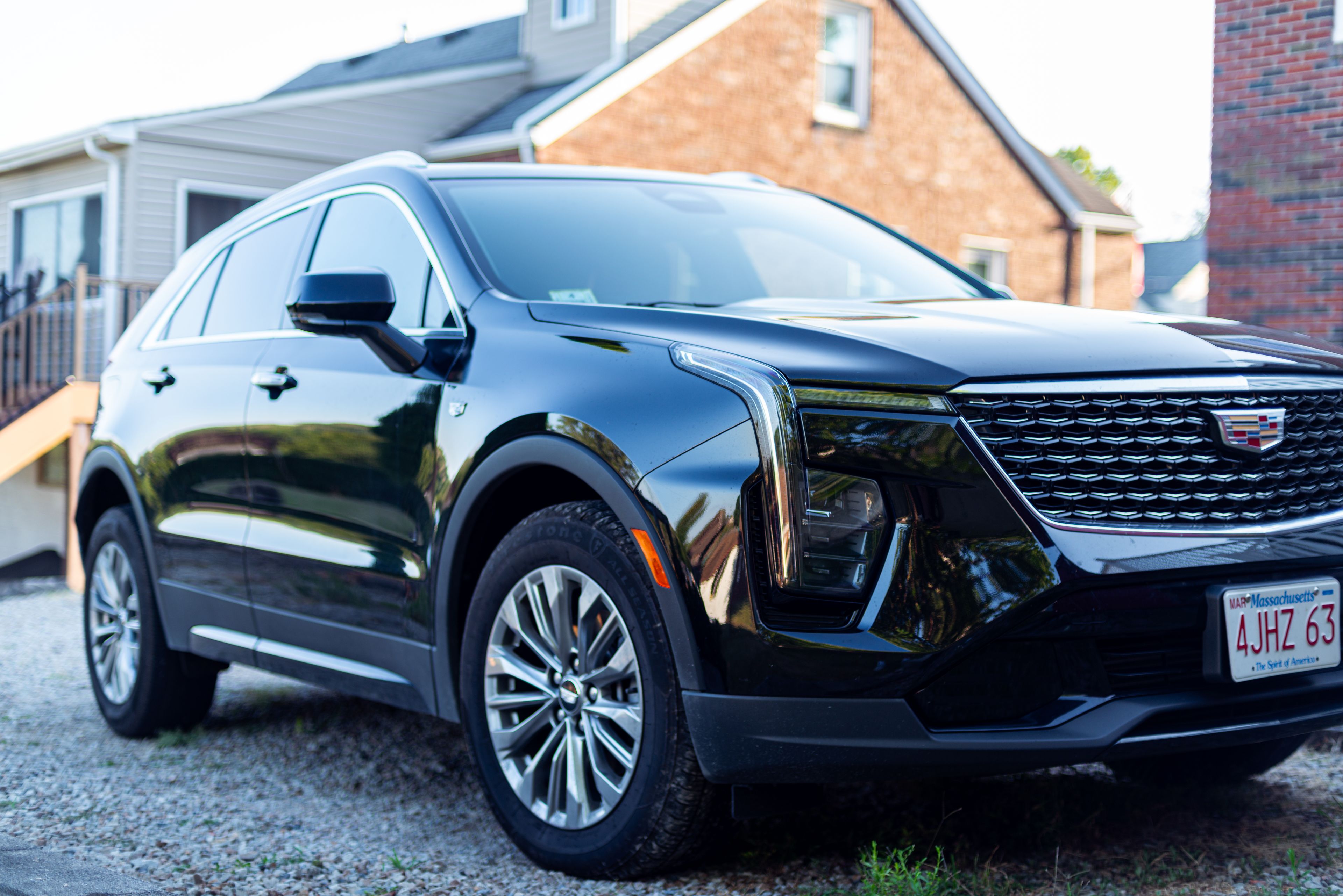
Vehicles come from our own cars and a vetted network of professional chauffeur operators, and model, colour and specification are subject to availability. That matters most for weddings, because a particular car in a particular finish on a Saturday in summer is the hardest thing in this business to promise late. If a specific car matters to you, say so at the enquiry stage and book it early.
- The car that appears in photographs, chosen for shape as much as badge
- Comfortable vehicles for attendants, parents and grandparents
- Whether ribbons or decoration are wanted, and who supplies them
- Boot space for a dress bag, shoes, umbrellas and a change of clothes
- A second choice you would be equally happy with, in case of availability

Dresses, access and stepping out well
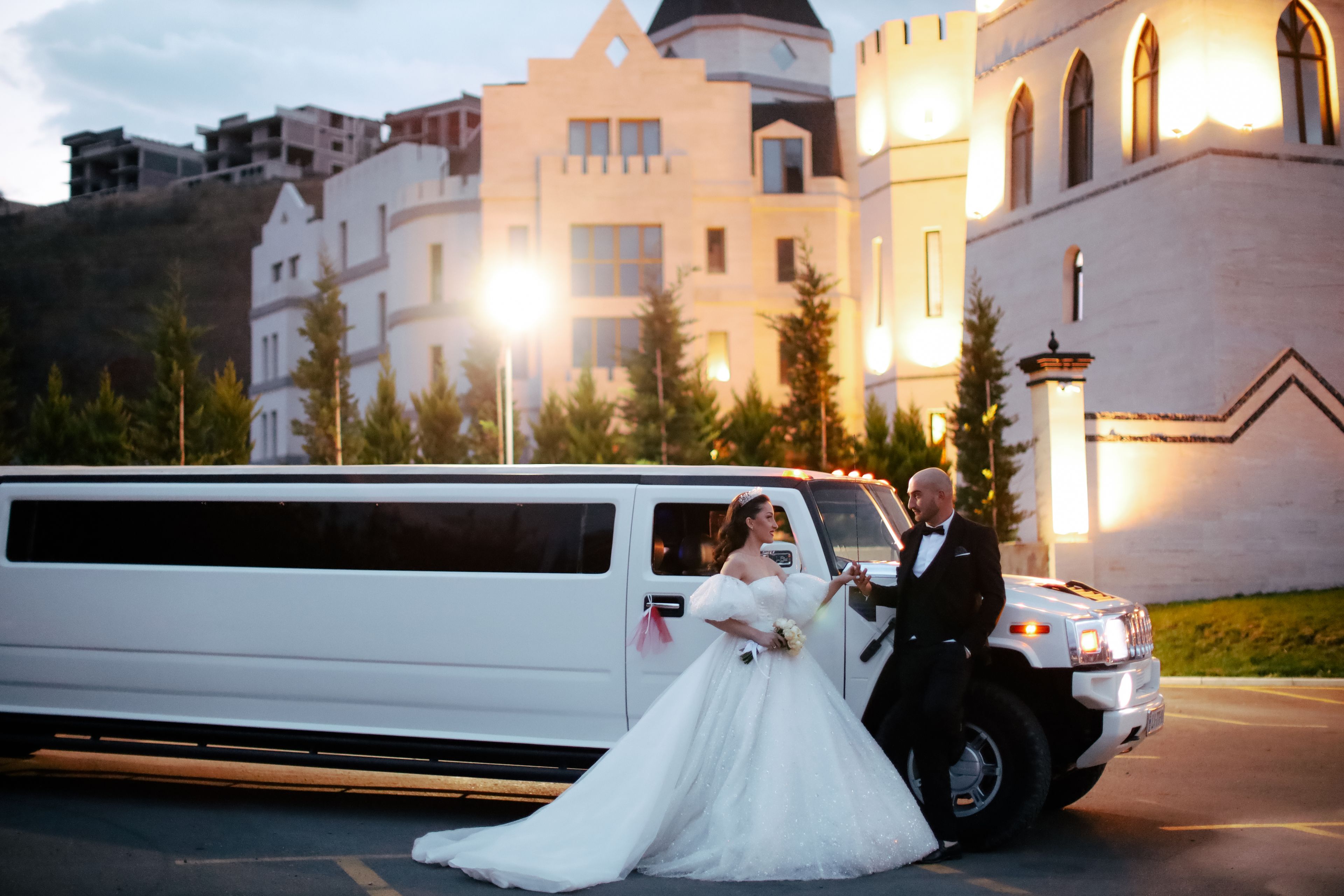
A wedding dress changes the physics of a car door. Full skirts, structured bodices and long trains all need room to enter without folding, and a low seat is the enemy of both. Tell us the shape of the dress rather than the designer; height off the ground and door aperture are what actually decide whether the entrance is elegant or a struggle.
The same applies to older guests and anyone with limited mobility. A high sill or a deep seat that is easy for one person is genuinely difficult for another, and it is far kinder to arrange the right vehicle than to help somebody in and out of the wrong one twice. Nobody minds being asked at the planning stage; everybody minds being surprised on the morning.
- Dress silhouette: full skirt, fitted, train length, structured underskirt
- Guests who need a higher seat or a wider door opening
- Walking sticks, frames or a folded wheelchair that must travel too
- Heels being changed in the car, and somewhere to put the others
- Umbrellas kept in the vehicle regardless of the forecast
- Whether anyone would like a hand from the chauffeur when stepping out
Venues, photographs and where cars stand
Ceremony venues vary enormously in what they allow at the door. Some churches have a gravel sweep and no restrictions at all. Some register offices sit on a red route with nowhere to stop. Country houses often have a specific arrival route and a member of staff who will tell you exactly where cars may wait, which is worth asking about weeks rather than days ahead.
Photographers usually want the car in at least one set-up, and that takes a few minutes of standing still in a particular spot. If you want that, say so early so the timings include it. It is also worth agreeing whether the chauffeur should stay with the vehicle throughout or move it and return. A short conversation between you, the venue and the photographer settles all of it.
- Where cars may stop at the ceremony venue, confirmed with the venue itself
- Any one-way system, gate code or arrival route the estate requires
- Whether the photographer wants the vehicle in a formal set-up
- Somewhere sensible for cars to wait during the ceremony
- The reception venue's arrival point, which is often not the main gate
After the ceremony
The hour after a ceremony is the least predictable part of a wedding day, and the one where a written plan pays for itself. Photographs overrun, confetti takes longer than anyone expects, and the couple are stopped by every third guest. Building slack into the transfer to the reception costs nothing and prevents a queue of cars idling in a country lane while everyone waits.
Decide too whether cars are finished once the reception is reached or needed again in the evening. Guest shuttles between a venue and nearby hotels are a separate arrangement and need their own timings, pickup points and passenger counts. So does a departure at the end of the night, which is worth booking rather than hoping somebody will be free. Late evening is the hardest hour to arrange at short notice.
- A realistic gap between ceremony end and departure to the reception
- Whether the couple travel alone or with the wedding party
- Evening transfers to hotels, with pickup points and rough numbers
- A final departure for the couple, and where the luggage will be
- Who the chauffeur should take instructions from once the day begins