





Few subjects generate more quiet uncertainty among visitors than this one, largely because the honest answer is unsatisfying: it depends, it is optional, and nobody is keeping score. Britain does not have a strong tipping culture. What it has is a patchwork of soft conventions that vary by setting, and a general reluctance to discuss any of it aloud, which is unhelpful if you have arrived from somewhere the rules are explicit.
So here is the patchwork, set out plainly. This covers where tipping is customary, where it genuinely is not, what a service charge on a restaurant bill actually means, and the specific question of chauffeur travel. Throughout, the underlying principle stays the same: nothing here is obligatory, and declining to tip is entirely normal behaviour that carries no meaning and attracts no comment.
The underlying difference
In some countries tipping is effectively part of the price, because a portion of the worker's income depends on it. That is not the structure in Britain. Staff in hospitality and transport are paid a wage, and tips are supplementary rather than foundational. This single fact explains most of the differences a visitor encounters, and it is why a British person can leave a restaurant without tipping and think nothing further about it.
It also explains the tone. Nobody here will indicate that a tip is expected, follow you towards the door, or comment on its absence afterwards. If you have come from a culture where the signal is clearer, the silence can read as disapproval, and it is not. It simply means the transaction was complete when you paid, and everybody involved considers the matter closed.
Restaurants and the service charge
Mid-range and upmarket restaurants in Britain, particularly in London, frequently add a discretionary service charge to the bill. Where that appears, nothing further is expected, and adding more on top would be unusual. The word discretionary is meaningful: you may ask for it to be removed and a reasonable establishment will do so without argument, though in practice most people leave it exactly as printed.
Where no service charge appears, tipping is customary in table-service restaurants but not obligatory, and there is no fixed convention about how much. Cafes with counter service, pubs where you order at the bar and takeaway establishments generally carry no tipping expectation at all. Recent legislation has changed how tips must be handled and passed to staff, so asking where a tip goes is a perfectly reasonable question.

Where it is and is not customary
What follows is a rough map of the British landscape rather than a set of instructions, and it is less prescriptive than it looks. Two people standing in the same room will handle most of these situations differently, and neither will think the other has behaved oddly. The only genuinely reliable rule is that nobody is obliged to do anything at all in any of these settings.
Britain is also close to a cashless society, and many visitors arrive with no notes whatever. Card terminals often offer a prompt to add something, which you can decline without comment or explanation. Nobody assumes you would have tipped if only you had change, and the absence of cash has become so ordinary that it no longer registers as a reason for anything at all. With that in mind, here is roughly where the conventions sit:
- Pubs and bars: no tipping culture; buying the bartender a drink is traditional
- Table-service restaurants: customary where no service charge has been added
- Hotels: porters and housekeeping are sometimes tipped, entirely by choice
- Taxis and private hire: some passengers round up, many do not, neither is remarked on
- Hairdressers and spas: reasonably common, but never assumed by anyone
- Tour guides: often appreciated after a private day, and always optional
- Retail, cinemas and transport staff: no tipping convention whatsoever
Chauffeur travel, specifically
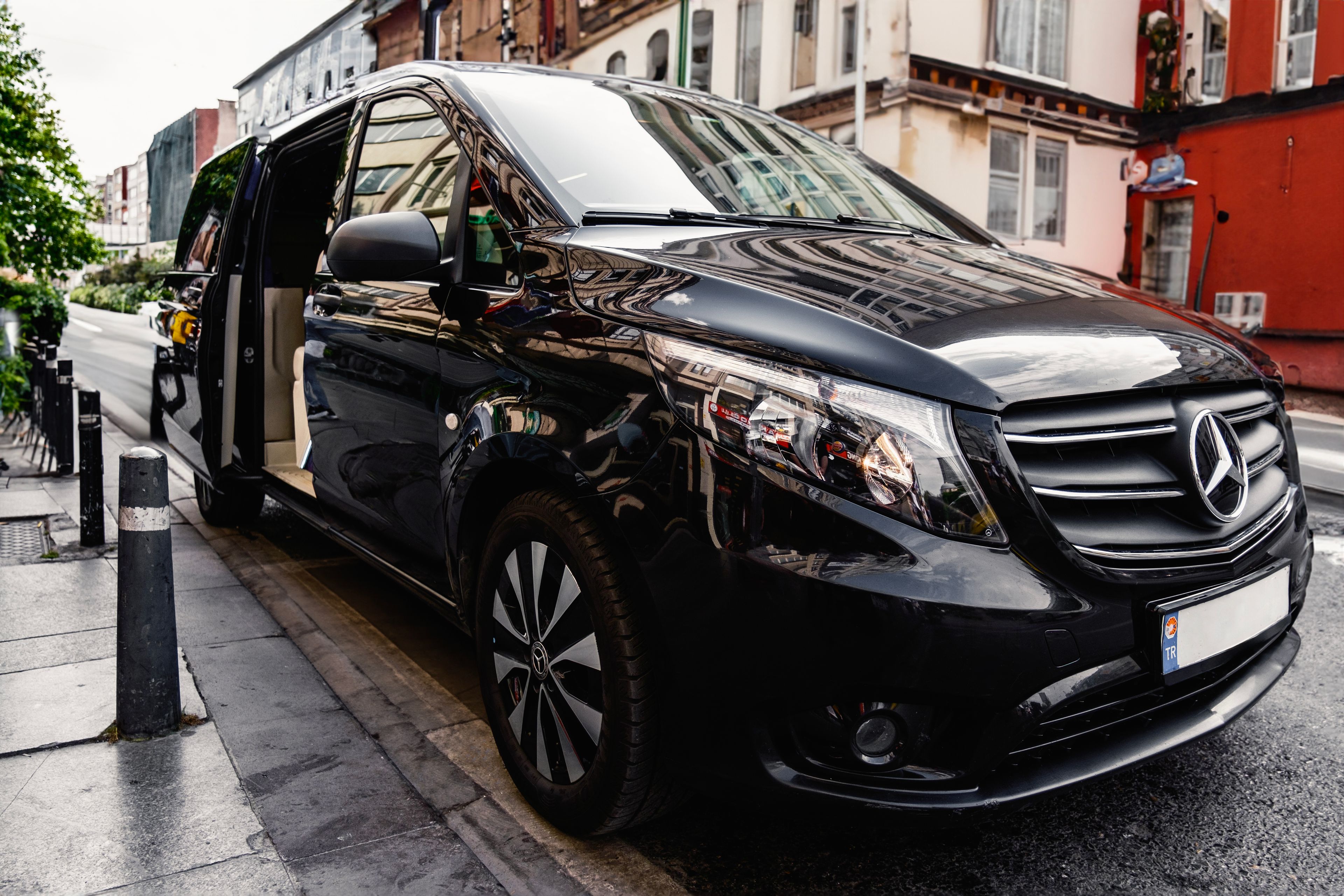
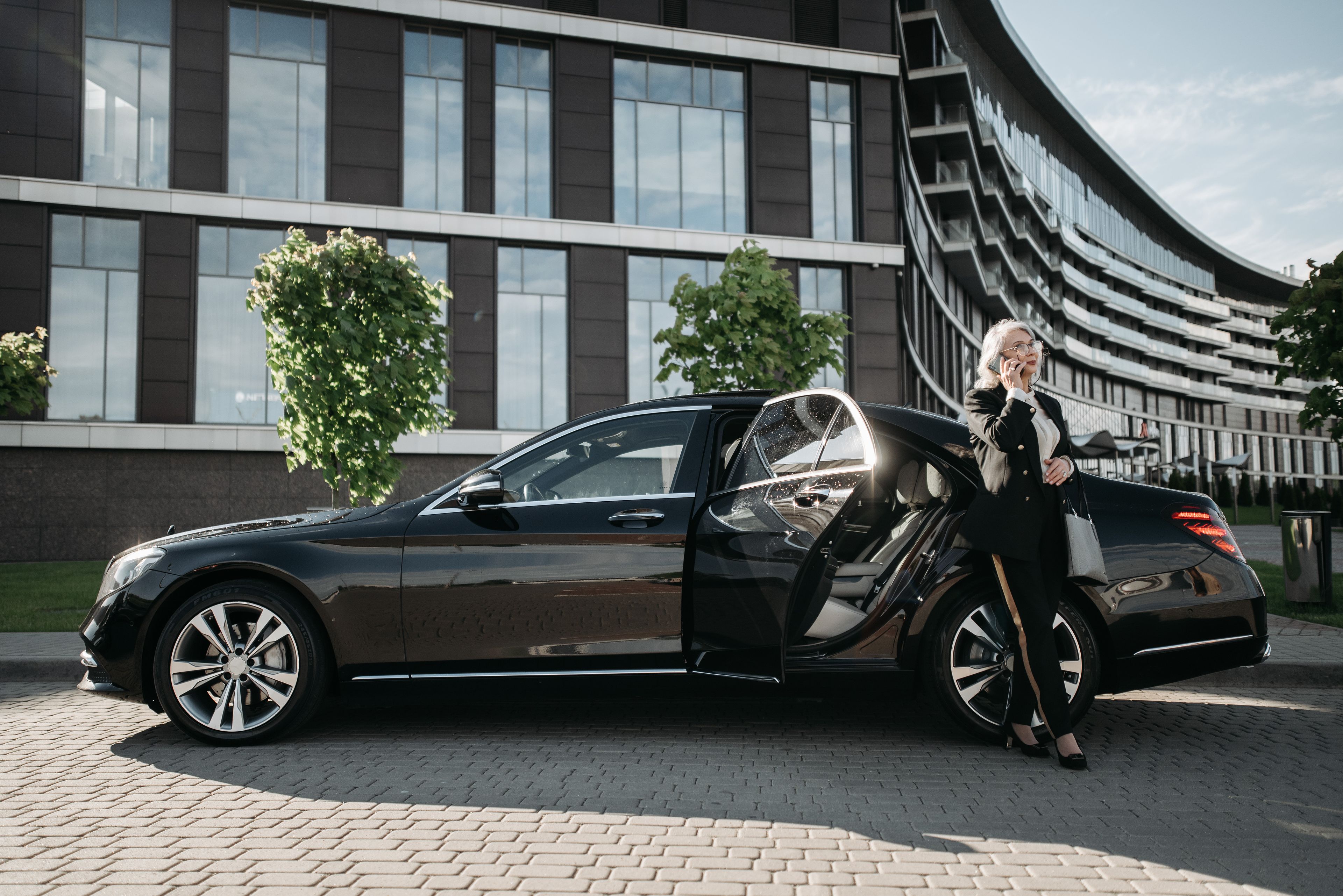
Tipping a chauffeur is not expected in Britain. The arrangement is agreed in writing in advance, the chauffeur is a professional on a proper wage, and nothing about the service is structured on the assumption of anything further. Many passengers never tip, and it is neither noticed at the time nor discussed afterwards by anybody involved in the journey. That is genuinely the whole of the answer.
If you wish to offer something it will be received graciously and without awkwardness, but we deliberately do not suggest what that might be. Any figure we named would function as an expectation, and creating one is precisely what we are trying to avoid. It is entirely your decision, including the decision not to, and no part of the service changes either way.
What actually matters instead
Politeness carries considerably more weight here than money does. Please and thank you, an acknowledgement of the person serving you, patience in a queue: these register far more than a payment would. British service culture is relatively informal and reciprocal, and being pleasant to deal with is the currency that actually circulates, which is a cheaper and more useful thing to know than any figure.
For chauffeur travel specifically, the things that genuinely help are practical rather than financial, and a note afterwards saying a chauffeur handled something well carries real weight internally. If you would prefer not to think about any of this, that is a perfectly respectable and very British position. Pay the bill, say thank you and leave, because nothing further is required of you anywhere in this country. The following are what genuinely make a day work:
- Notice of changes as early as you know about them
- Honesty about which timings are fixed and which are hopeful
- Clarity about luggage before the car is chosen rather than after
- A word afterwards if a chauffeur handled something particularly well
- Asking for what you want rather than sitting quietly uncomfortable
- Nothing else at all, financial or otherwise, is required of you