



The transatlantic crossing eastbound is one of the more awkward flights in the world. You leave in the evening, you sleep badly for a few hours, and you land into a British morning that has already been going for some time. Almost every practical difficulty American visitors have on the first day traces back to that single fact rather than to anything about Britain itself, and it is entirely solvable in advance.
The rest of the adjustment is smaller than people fear but sits in unexpected places. Scale reads differently on a British map. Roads behave differently. And several conventions that are effectively obligatory in the United States are simply absent here. This guide covers the ground travel side of all of it, written for somebody who travels well at home and would like the same to be true here.
The arrival morning, and the gap
Most flights from the east coast land in Britain between roughly six and nine in the morning, and those from the west coast not much later. British hotels typically do not release rooms until the afternoon, which leaves a gap of several hours between clearing the airport and having somewhere to lie down. This catches out more first-time visitors than anything else on the entire trip, and it is remarkably easy to plan around.
There are good ways to spend that gap and one bad one, which is sitting in a hotel lobby beside your luggage. Seasoned transatlantic travellers tend to stay awake and outdoors until early evening, which is easier if the morning has a shape to it rather than being improvised at seven with a suitcase. If you tell us the arrival flight, we can build that shape into the arrangement. These all work well:
- Leaving the cases with the hotel and going straight out to breakfast
- A slow loop through the parks, the river and the quieter squares
- An early gallery or museum opening, before the coach parties arrive
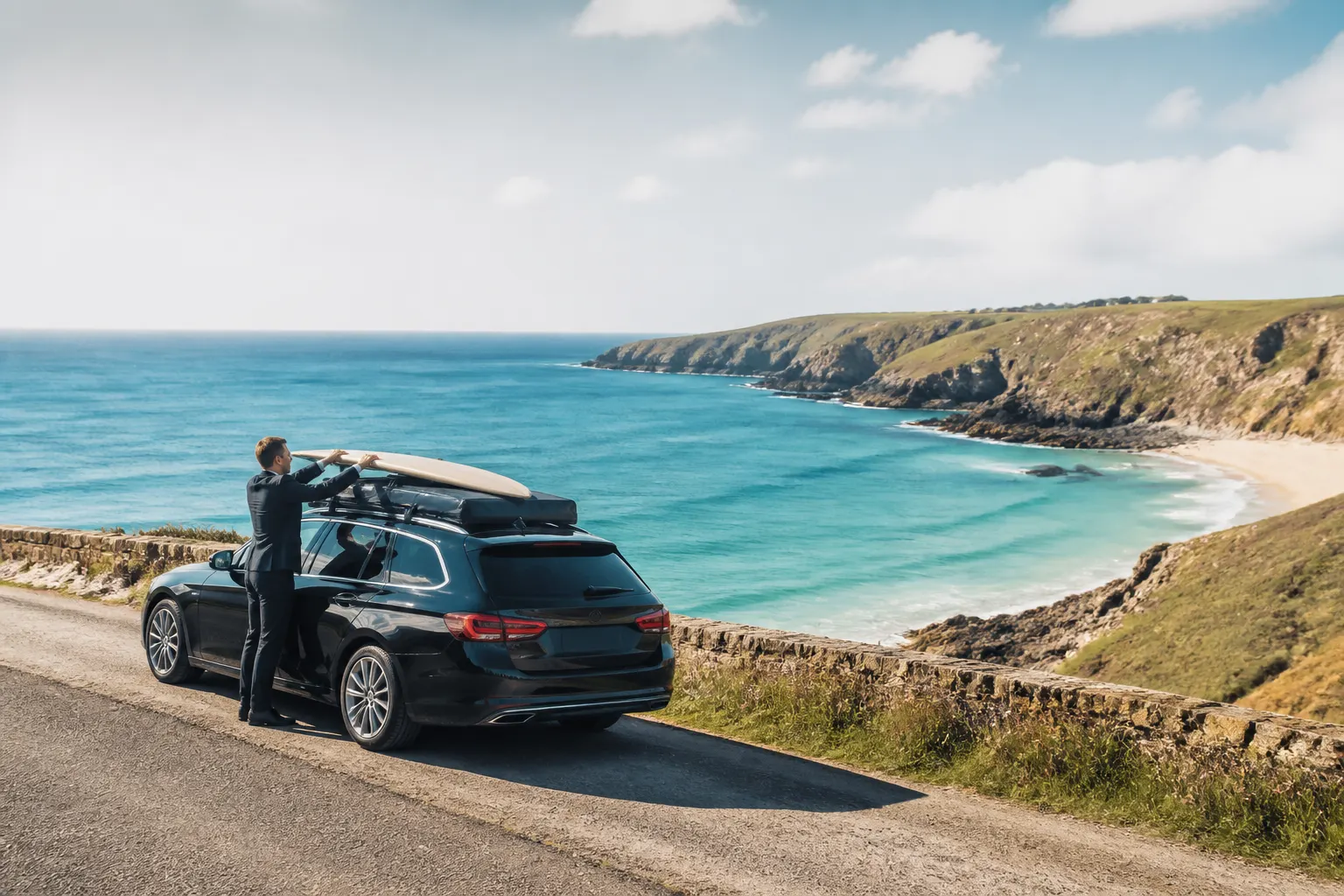
- A drive out to Windsor or the Chilterns, returning when the room is ready
- A barber, a swim or a spa hour to reset before the first proper day
- An unhurried lunch somewhere booked in advance, then check-in afterwards
Scale reads differently here
American road distances are usually a reliable guide to time, because the interstate system is built for it. British distances are not. A hundred miles here can pass in well under two hours on a good motorway run, or take most of a morning, depending on what the road goes through and when you set off. The number on the map is almost never the number you should be planning against.
This cuts both ways, and pleasantly. Britain is small enough that a great deal fits into a single week without the internal flights an equivalent American itinerary would need. Oxford, Bath, Stonehenge and Windsor are all comfortably within reach of London for a day out. What does not work is treating those as errands to be combined. Each one is a day, and a good one, and they resist being hurried.
Roads, cars and the left-hand side
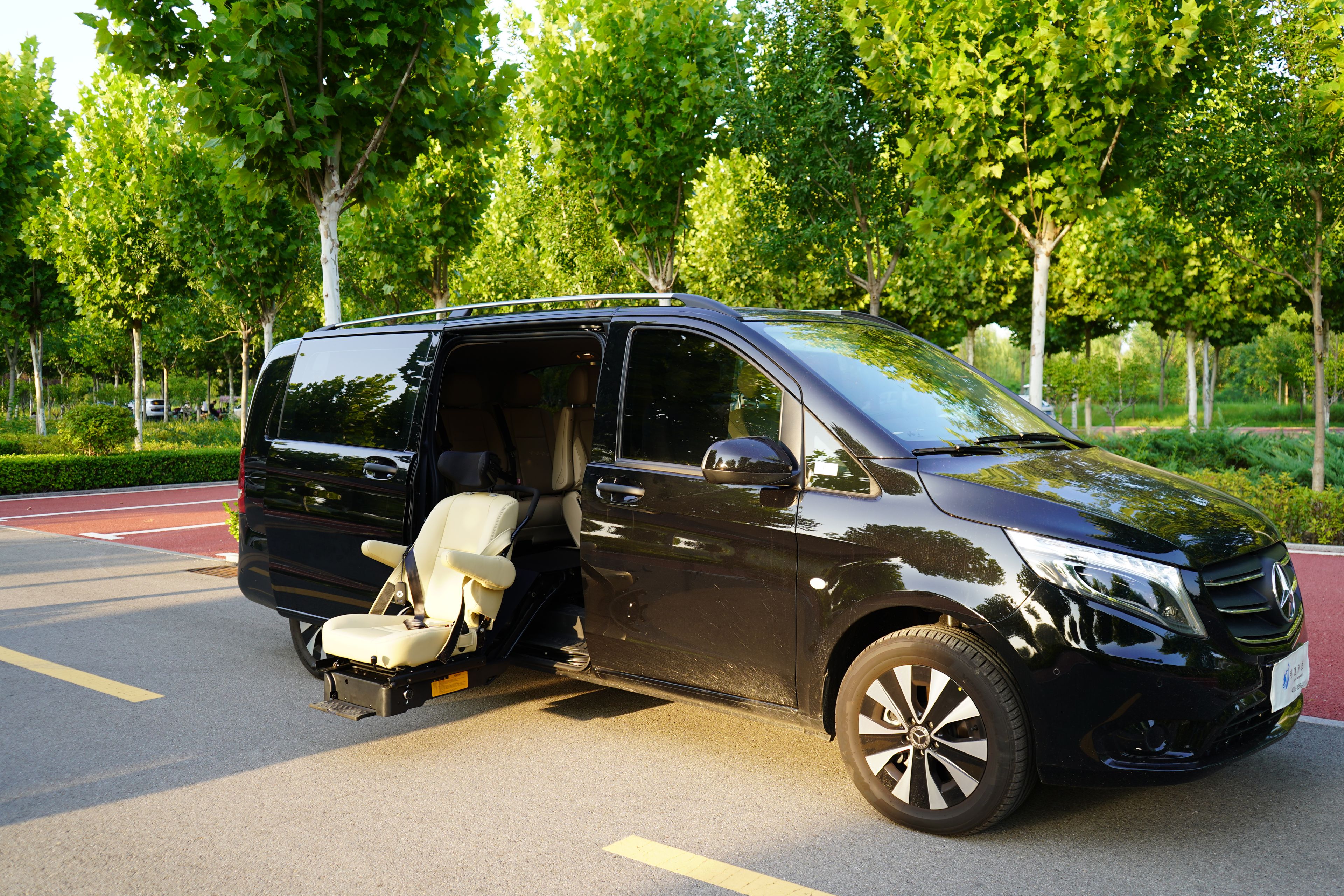
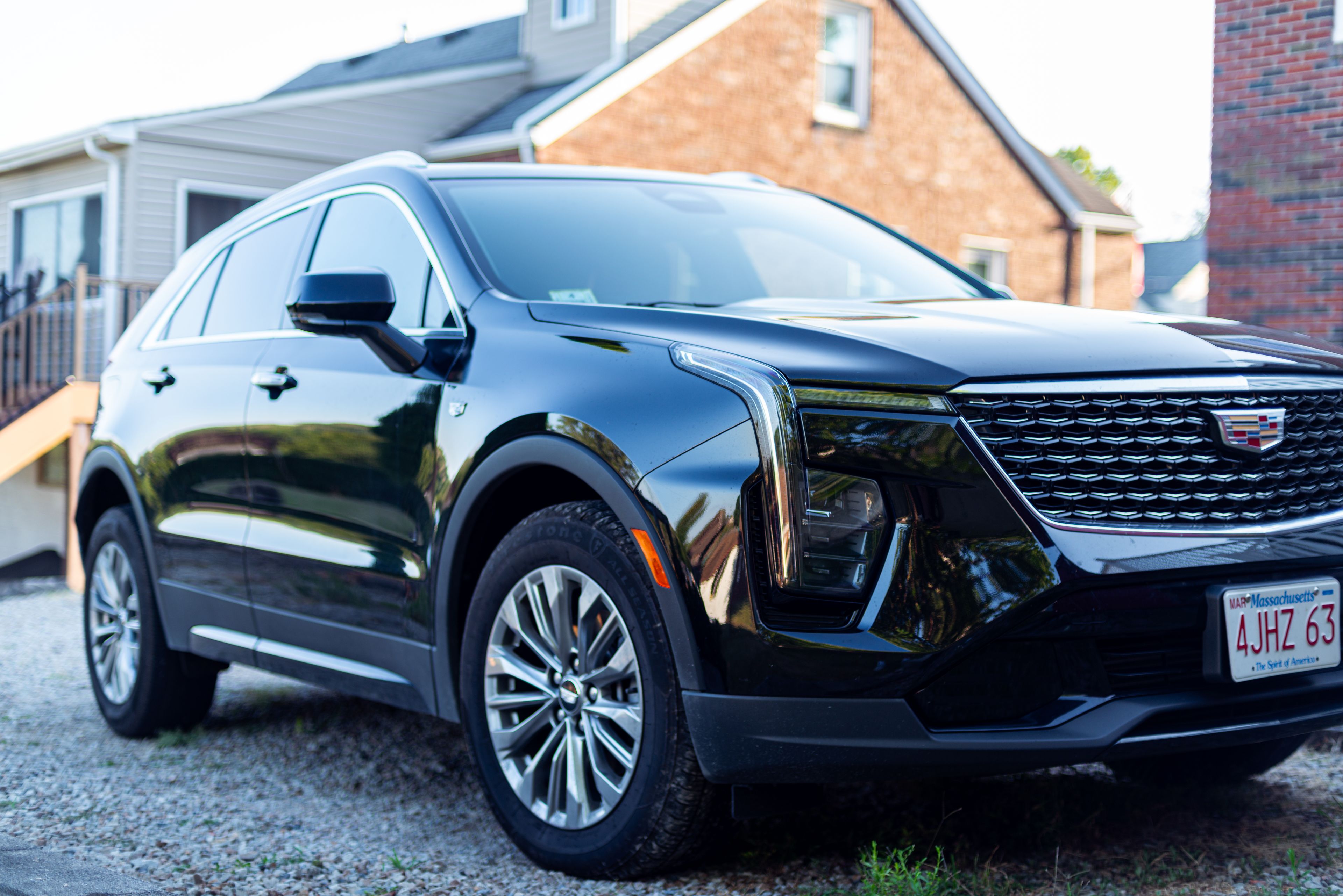
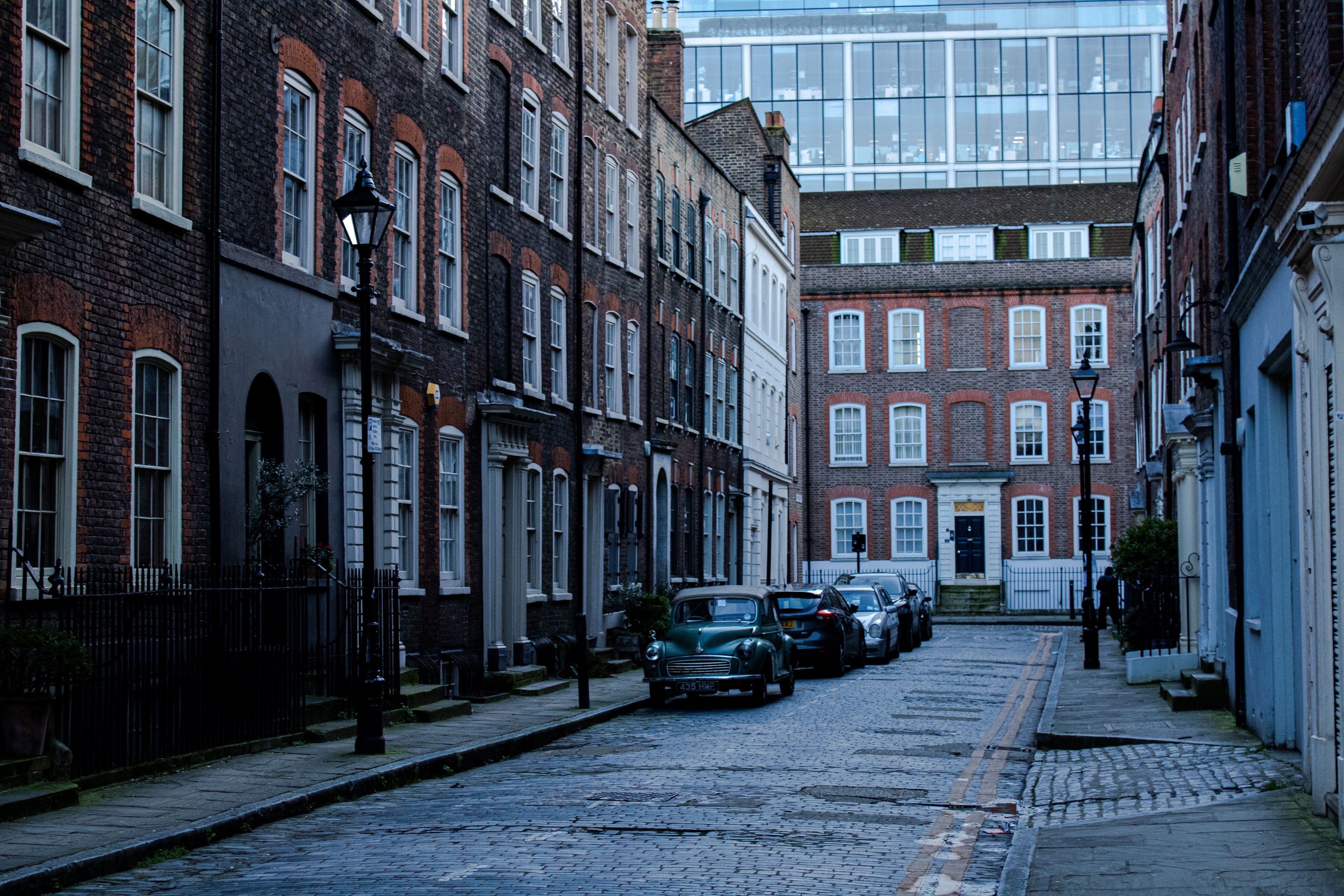
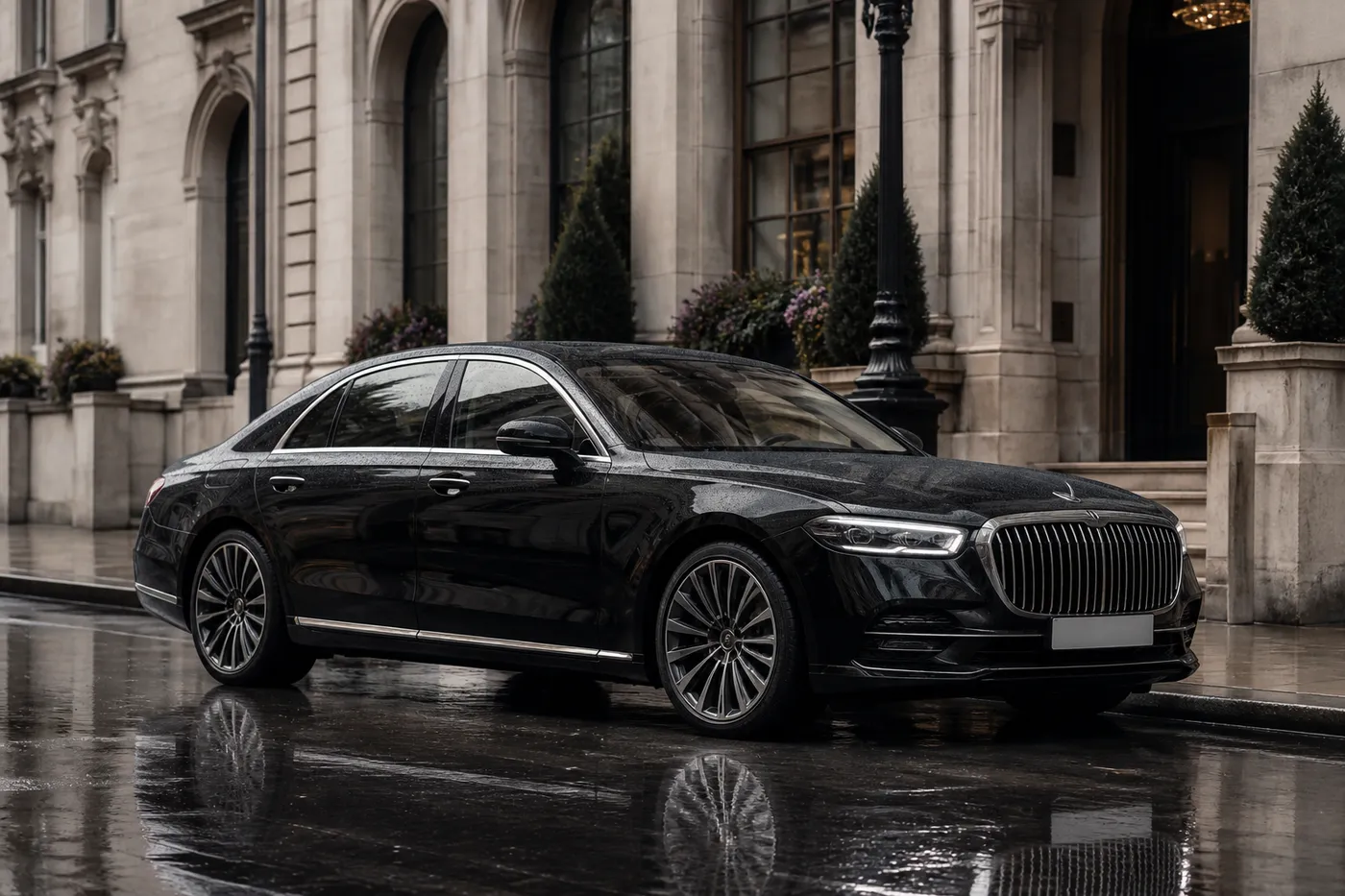
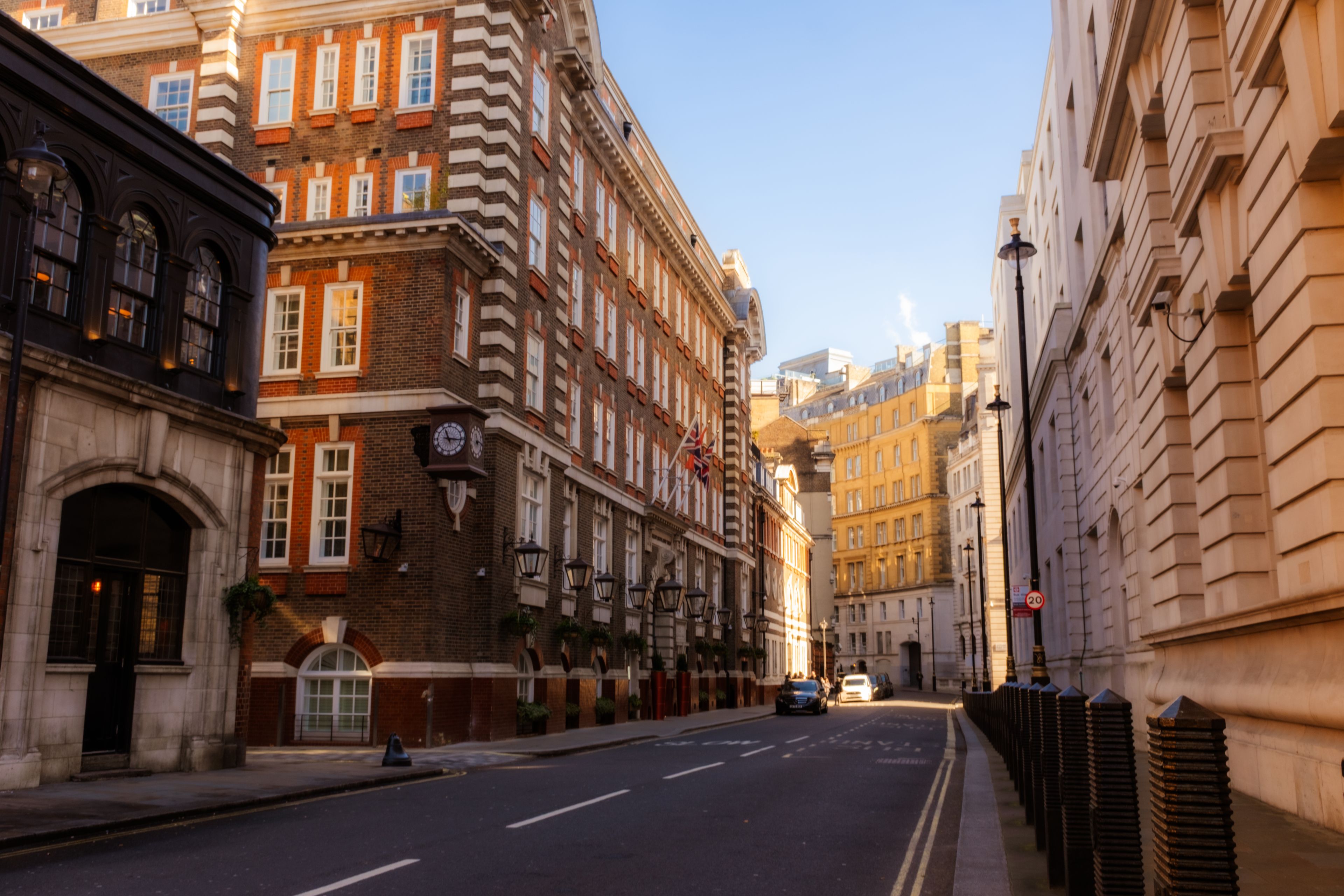
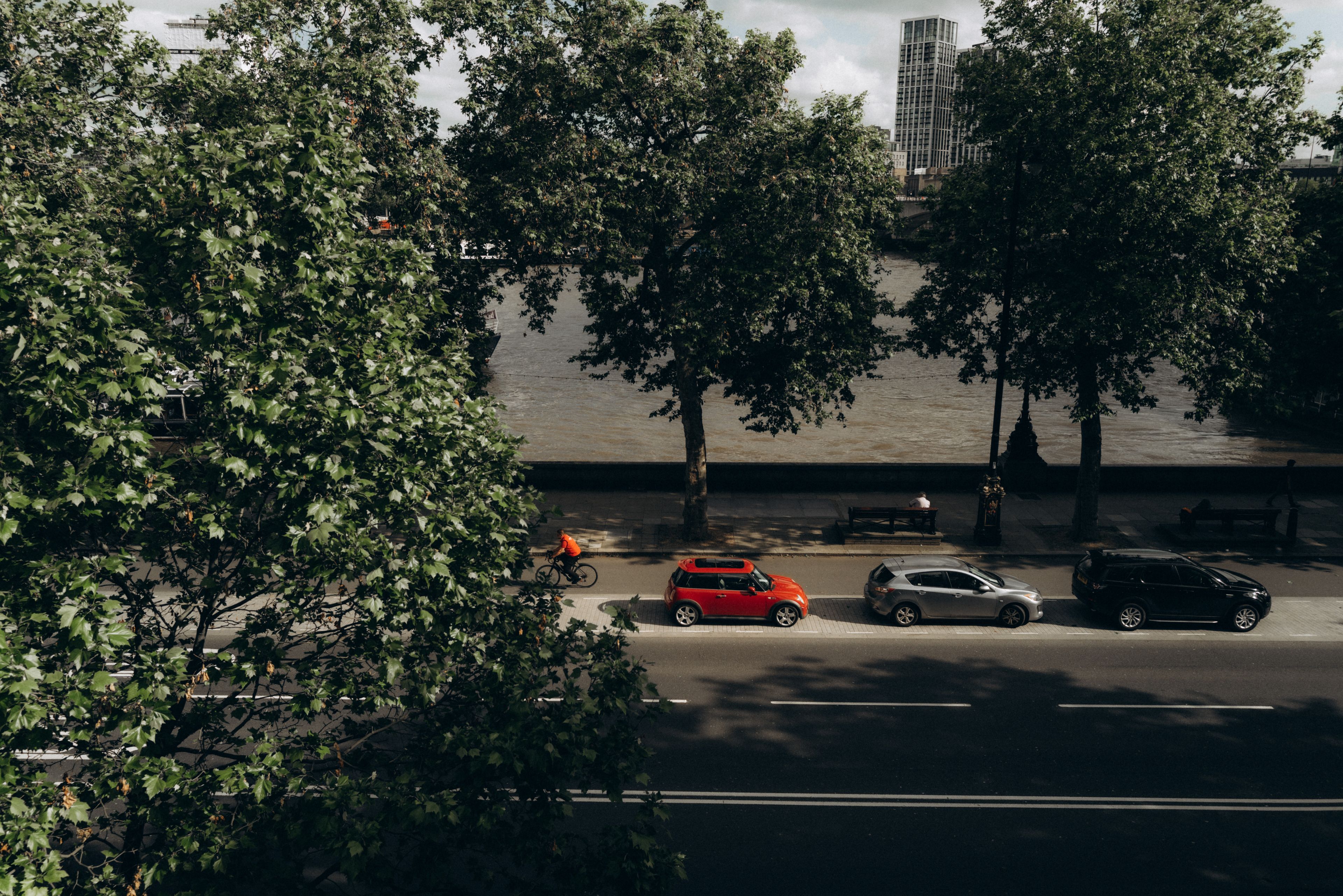
British roads are narrower than their American equivalents, often considerably so, and rural lanes can be barely wider than a single car. Parking spaces are smaller, multi-storey car parks are tighter, and city centres were laid out long before any of this was a consideration. This is why British luxury cars tend to be sized differently, and why the largest available vehicle is very rarely the best one for the journey you have in mind.
Traffic runs on the left, which affects passengers as much as drivers: look right first when stepping out of a car or crossing a road, because the instinct to check the wrong way is surprisingly persistent. Roundabouts replace most four-way junctions and move quickly once you stop trying to predict them. Hiring a car is entirely doable, but the first day is not the day for it, so many visitors take a chauffeur first.
Tipping, and what does not carry over
This is the difference that causes most quiet anxiety, so it is worth being direct about it. A chauffeur here is not tipped as a matter of course. Nothing about the arrangement assumes it, nobody is watching for it, and choosing not to tip carries no meaning whatsoever. If you do offer something it is received warmly, but it is entirely discretionary and we deliberately give no guidance on what it might be.
The wider picture is similarly relaxed by American standards. Restaurants frequently add a discretionary service charge to the bill, in which case nothing further is needed and you are free to ask for it to be adjusted. Bars generally have no tipping culture. Taxis are rounded up by some people and not by others. Nobody's income here is structured around the assumption in the way it can be at home.
Practical differences worth knowing
A number of things are obvious to residents and invisible to visitors, and most of them affect how a day by car actually goes. None is difficult, but each one has caught somebody out at an inconvenient moment, usually on a Sunday afternoon in the countryside when the alternative was several miles away and about to close for the evening.
The list below is worth reading once before you fly and then forgetting about. Everything on our side is arranged over WhatsApp or by email rather than by phone, which suits the time difference well: send the outline at the end of your working day and a written quotation is waiting when you wake, covering the vehicle, the timings and the terms.
- Entry requirements have changed in recent years; check official UK government guidance
- Payment is overwhelmingly contactless card or phone, and cash is rarely necessary
- Central London operates charging zones on most days, which shapes routes and timings
- Air conditioning is less universal in older buildings and country hotels than at home
- Sunday trading hours are shorter, and rural shops and pubs may close mid-afternoon
- Mobile coverage is patchy in parts of Wales, the Highlands and the West Country
- Fuel stops are frequent, but rural stations often close earlier than you expect