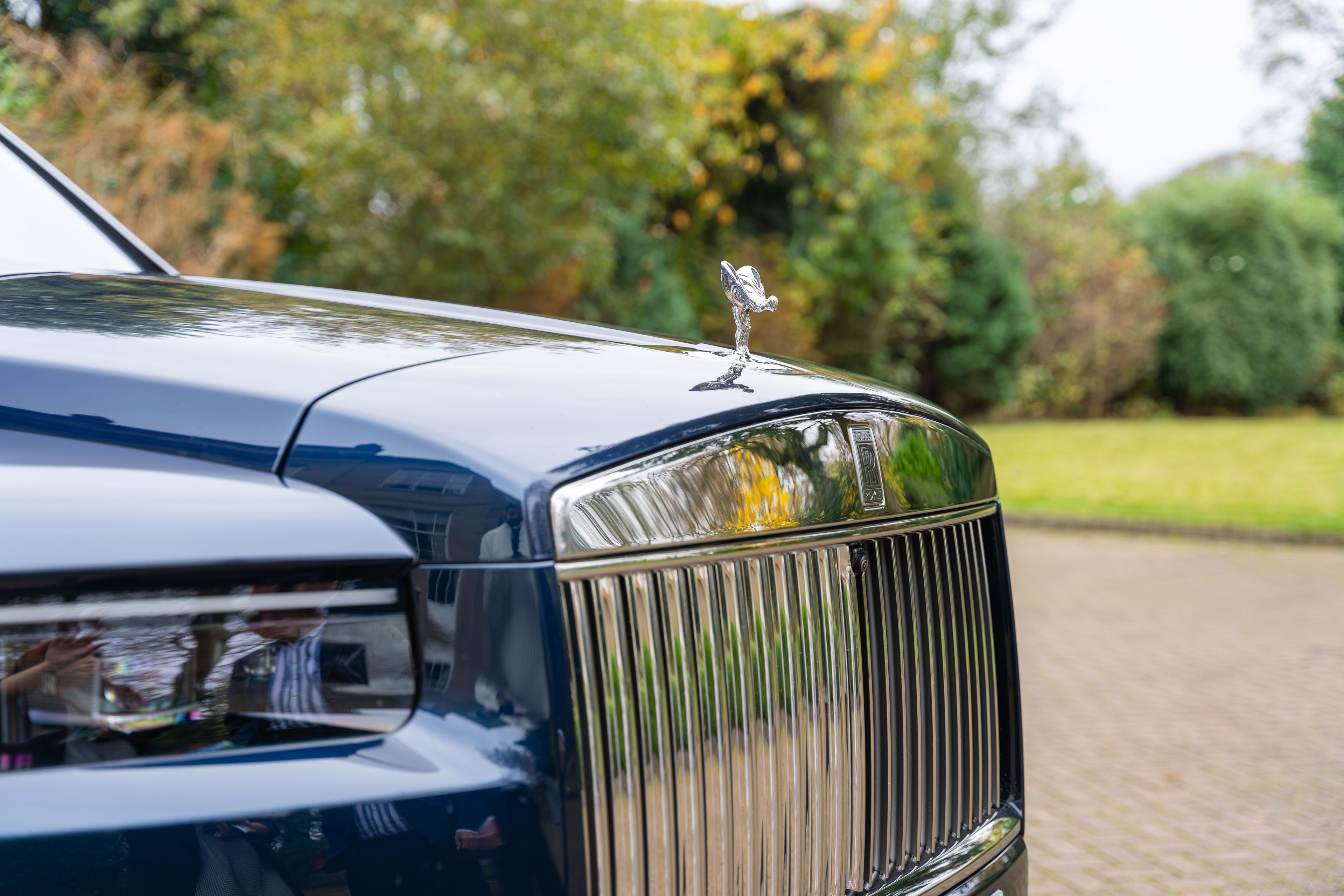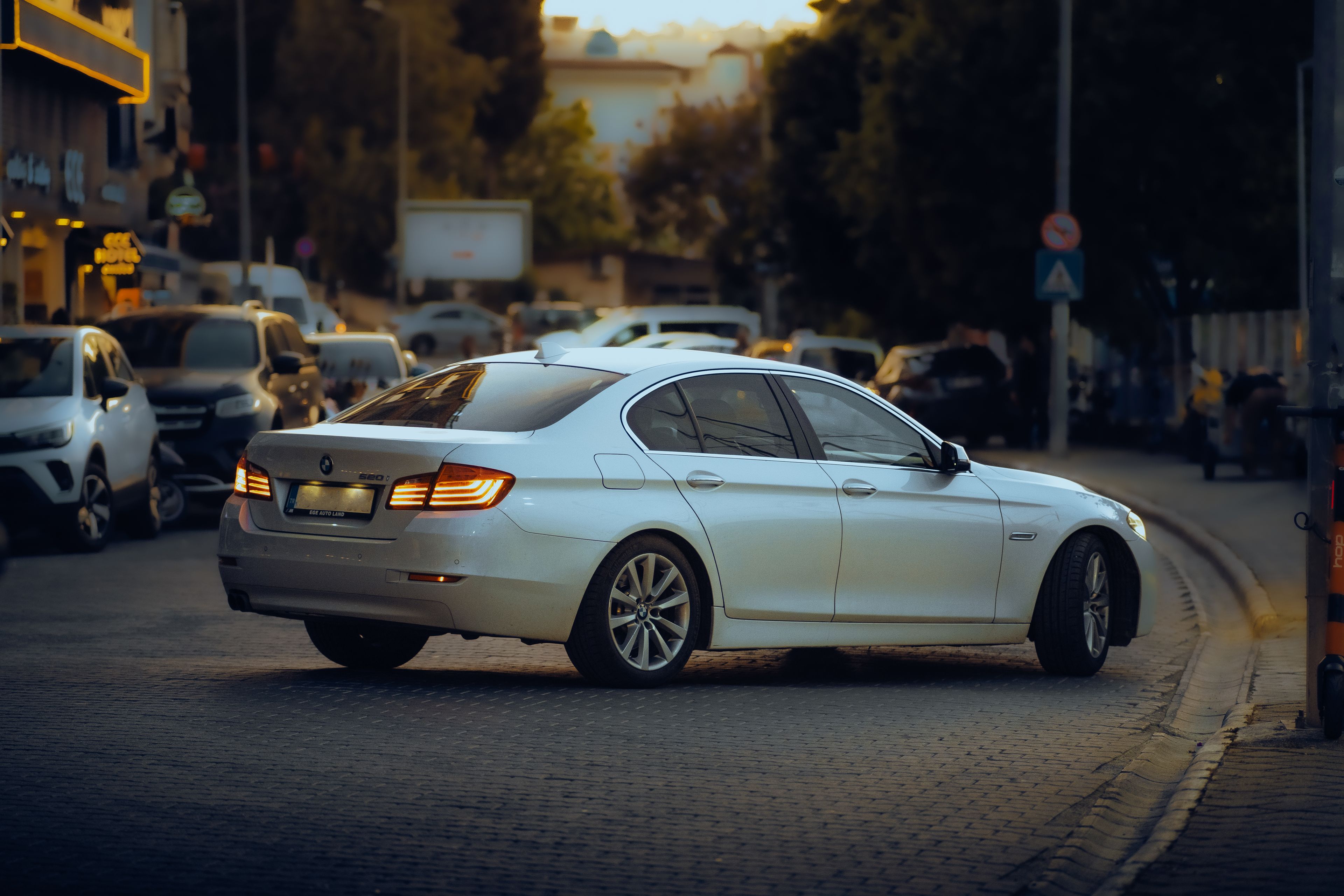

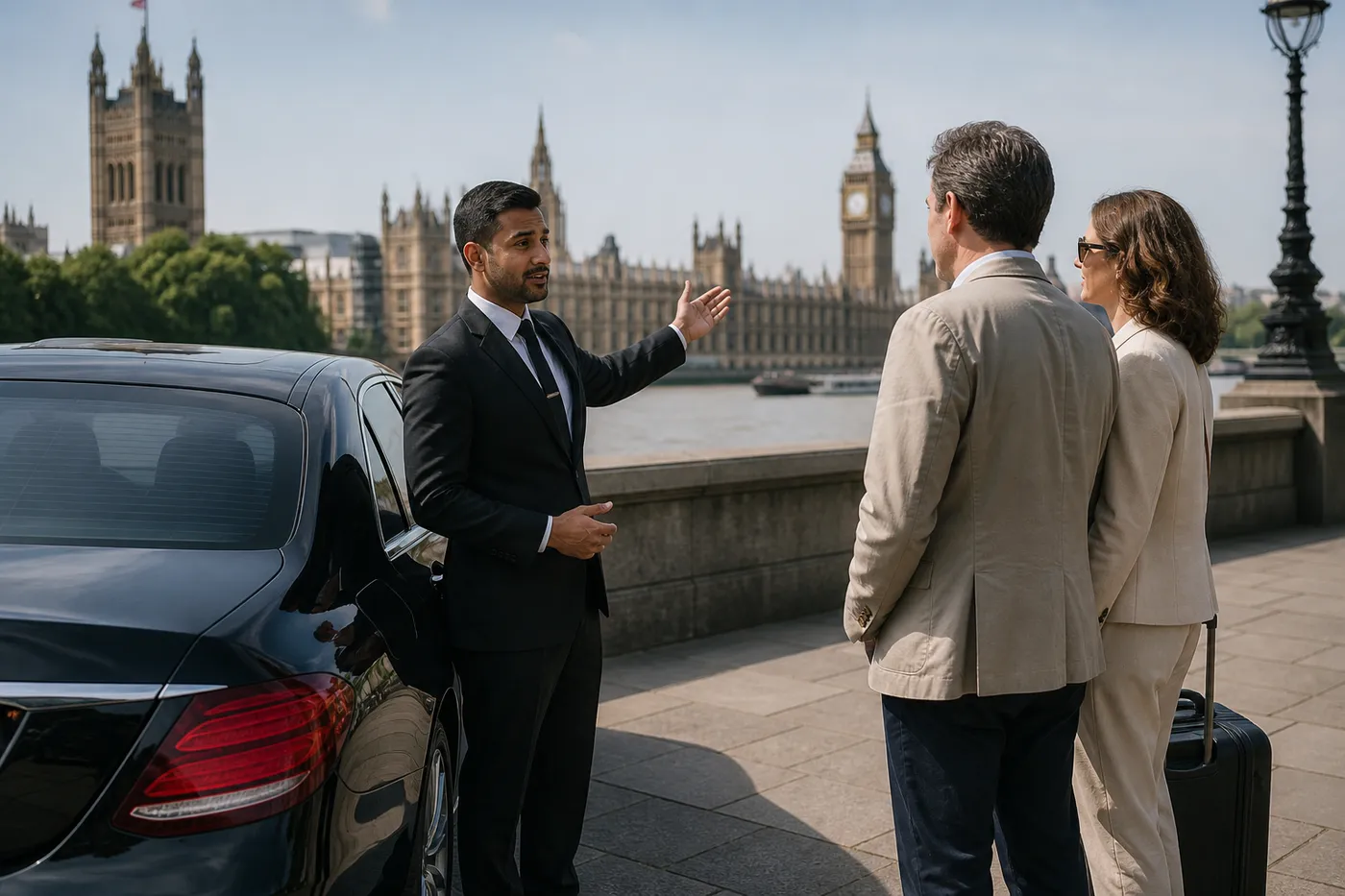
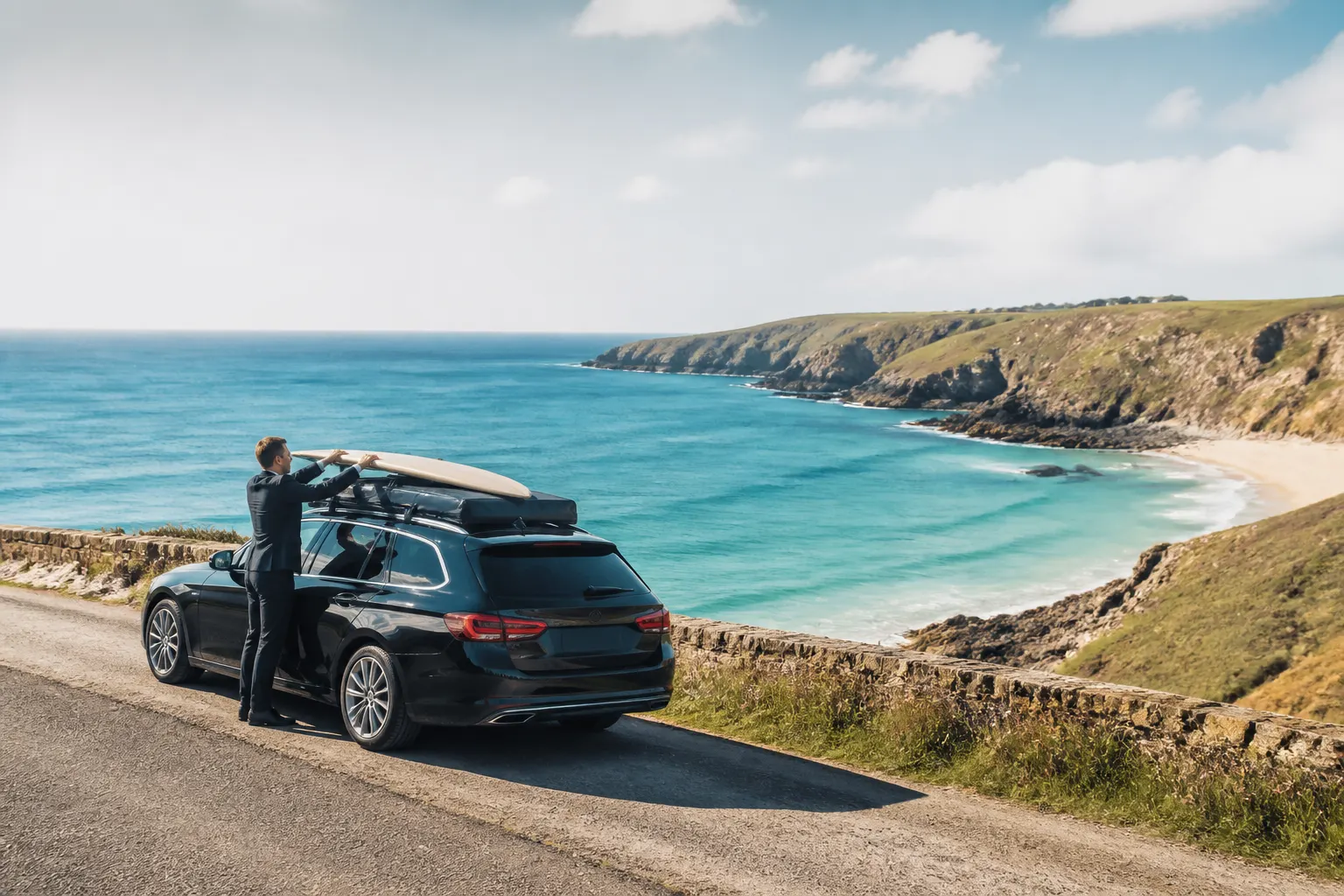


Four passengers with luggage is the single most misjudged booking we see. An executive saloon seats four adults perfectly well and has a boot that looks generous when it is empty, so the assumption follows naturally. Then four large suitcases arrive at the kerb, one of them hard-shelled and unyielding, and the arithmetic collapses in front of everybody at exactly the wrong moment.
There is no mystery to this and no shame in getting it wrong, because manufacturers quote boot volumes that assume liquid rather than luggage. What follows sets out what each vehicle actually carries, what an MPV asks you to give up in exchange, and the entirely legitimate circumstances in which the saloon remains the better car despite the smaller boot.
The boot is the whole argument
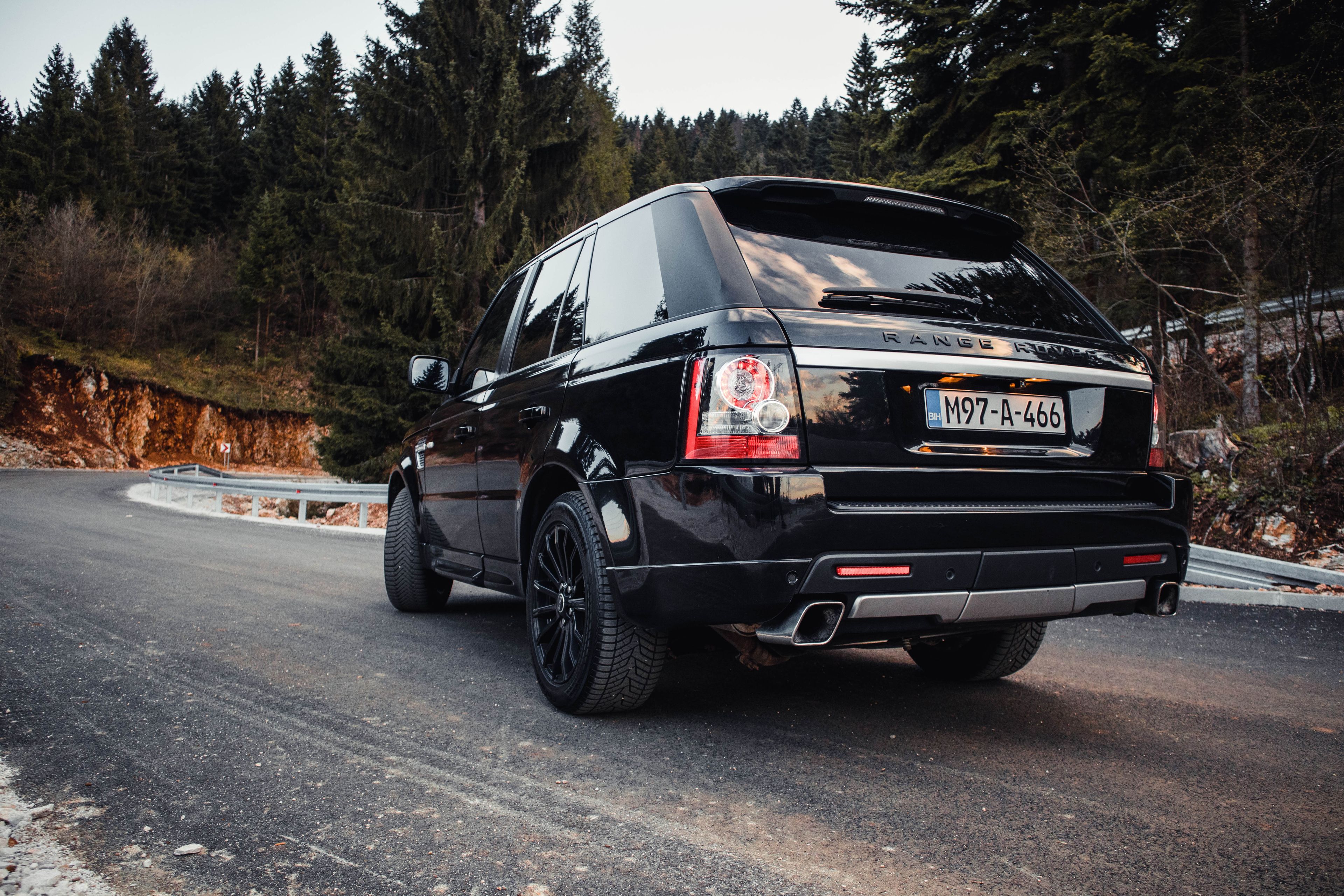
An executive saloon boot is wide and reasonably deep but shallow in height, and its opening is smaller than the space behind it. That combination takes two large cases lying flat, with room alongside for two cabin bags and a couple of coats. Add a third large case and it goes in at an angle or not at all. Add a fourth and something is riding on a passenger's knees.
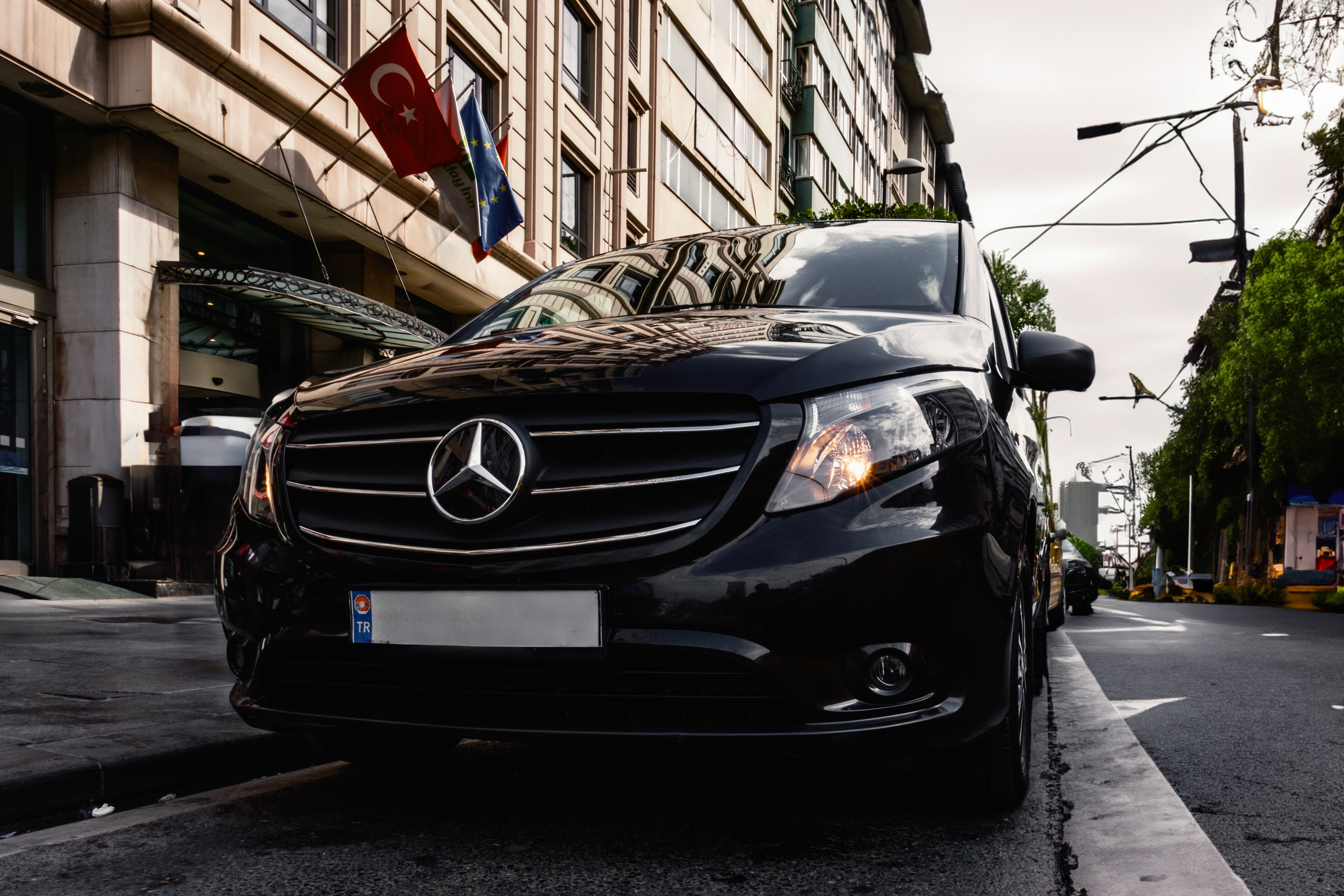
An MPV has a tall, square load bay behind the rearmost seats and an opening the full height of the tailgate. Cases stand upright rather than lying flat, which is how luggage is designed to be stored, and the loading lip is at waist height rather than knee height. Four large cases plus hand luggage goes in without negotiation and without anything being wedged.
What the MPV asks in return
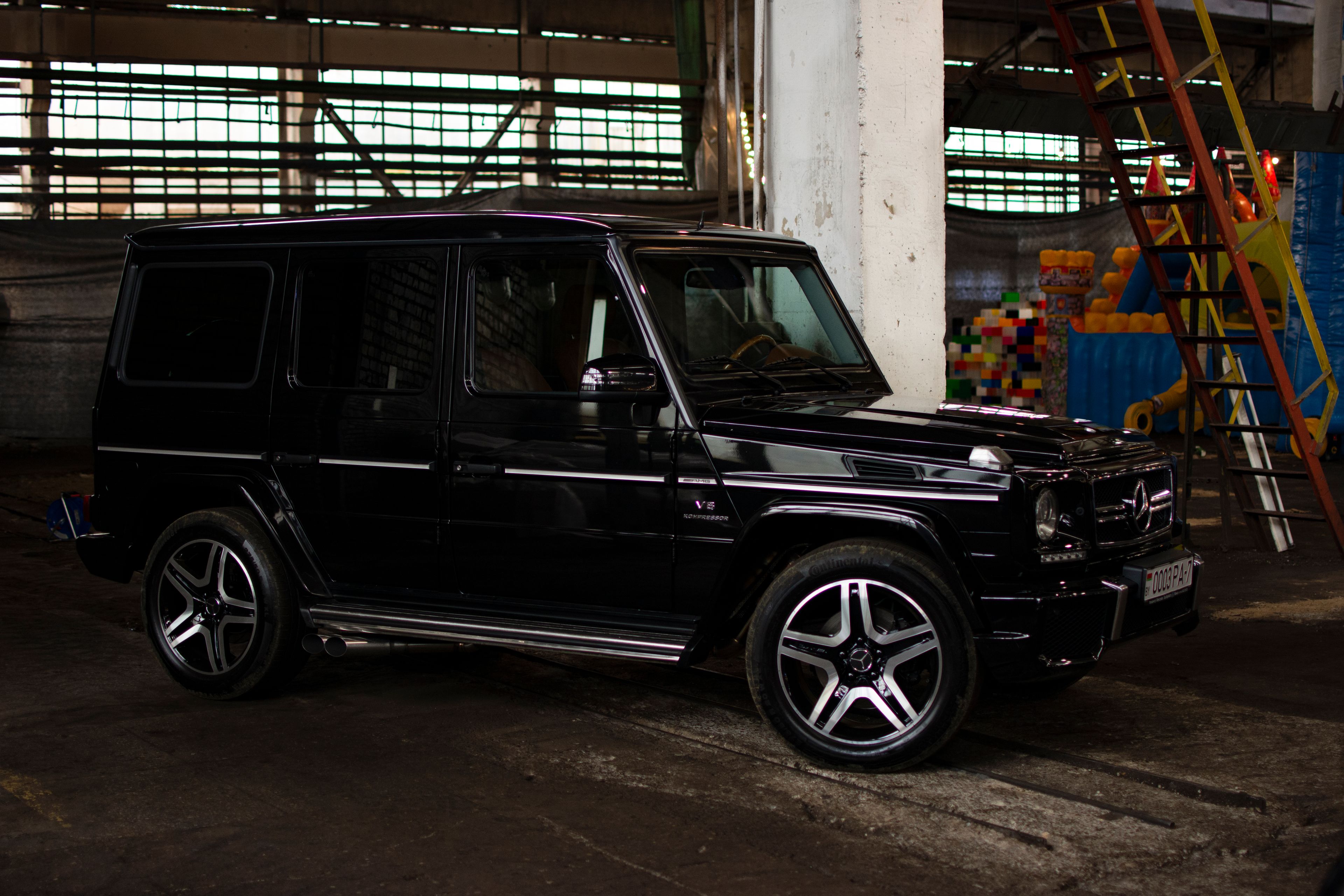
Nobody should pretend the MPV is simply the better vehicle. It sits higher, weighs more and carries its mass further from the road, so it leans a little more through a roundabout and settles less quickly over a poor surface. On a long motorway run the difference is modest. Through a series of speed cushions in a residential street it is noticeable to anybody paying attention.
Refinement follows the same pattern. A saloon has a sealed boot behind the cabin and a shorter, lower body, which keeps road and tyre noise further away from the rear seats. An MPV shares one large volume of air between passengers and luggage, and that volume carries sound. For a phone call at speed, the saloon is the quieter office by a clear if not dramatic margin.
There is a practical constraint as well. Height barriers at hotel car parks, some multi-storey entrances and a number of private forecourts are set for ordinary cars, and a tall vehicle occasionally has to be left somewhere less convenient. If your destination has an underground car park you intend to be driven into, mention it, because it may decide the vehicle on its own.

Seating four, and seating four comfortably
Both vehicles seat four adults, but not in the same posture. In a saloon the fourth passenger sits in the middle of the rear bench, over the transmission tunnel, with knees raised and shoulders squeezed. It is tolerable across town and tiring across three counties, and the person who ends up there rarely volunteers a second time. Somebody always has to, and everybody knows who it will be.
An MPV gives each passenger a proper seat with its own armrest and its own space, usually across two rows. Four people therefore travel as four individuals rather than as three plus one, which changes the character of a long journey entirely. If any leg of the day exceeds an hour, this alone is often the deciding factor regardless of what the luggage does.
Side by side
The choice usually settles against these points rather than against any general preference for one body style over another. Work through them with the actual passengers and the actual bags in mind, because the abstract version of this decision is always answered in favour of the handsomer car, and the abstract version is not the one you will be living with.
One further point decides more bookings than any other: what happens when the count is wrong. A saloon that is one case over is a problem with no solution at the kerb, in front of everybody. An MPV that is one case over usually still closes its tailgate. That margin, rather than any headline capacity, is what the larger vehicle really sells.
- Four large checked cases: the MPV, without any real argument
- Four passengers with cabin bags only: the saloon, comfortably
- A journey over an hour with four adults aboard: the MPV, on seating alone
- Ride quality and quiet at motorway speed: the saloon, by a modest margin
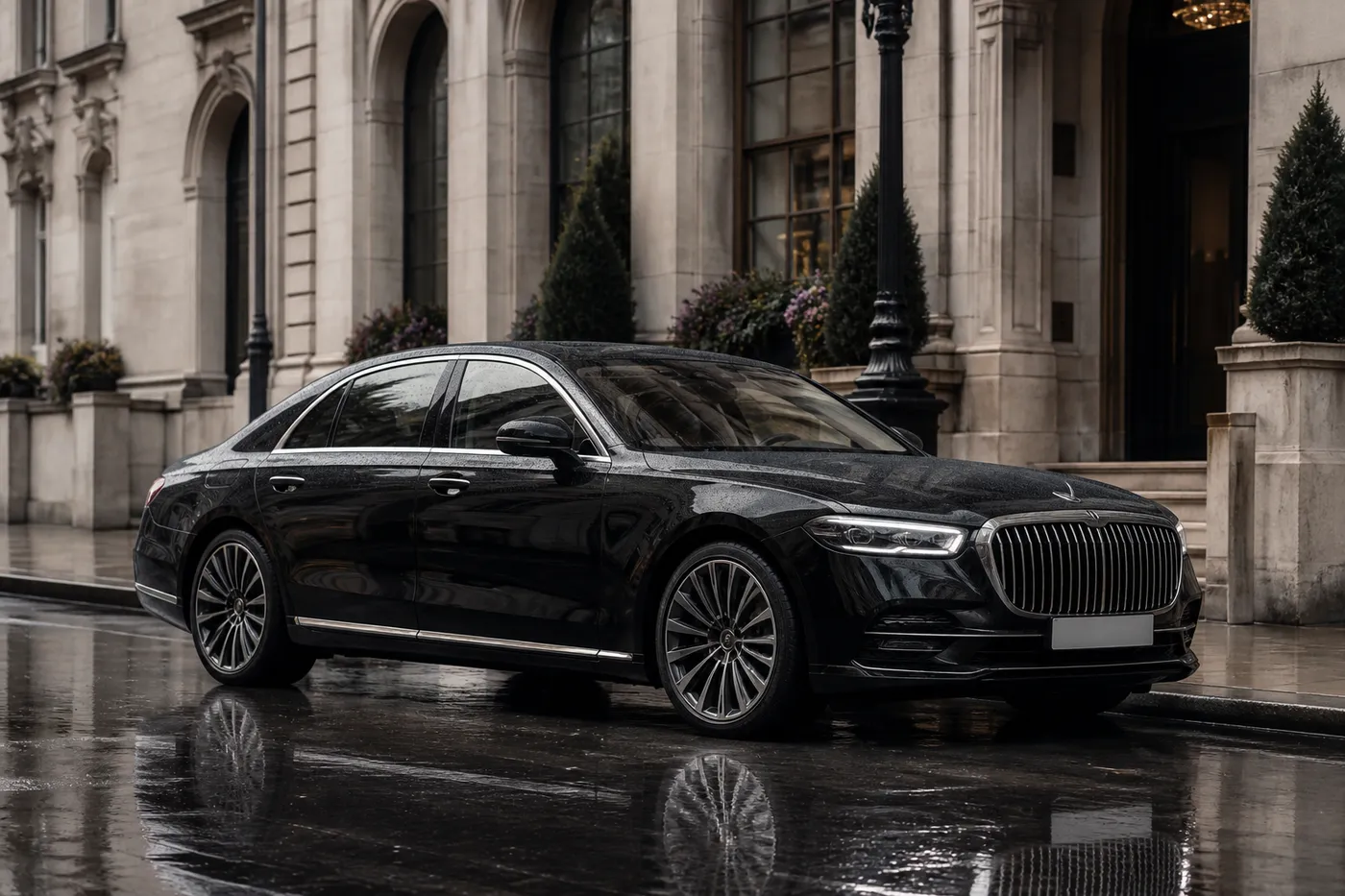
- Formal arrivals and photographs: the saloon, which looks the part
- Underground car parks and height-restricted forecourts: the saloon
- Golf clubs, skis, a pushchair or exhibition materials: the MPV
- Narrow city streets and tight kerbside stops: the saloon, marginally
When the saloon is still the right car
If your four passengers are travelling with hand luggage only, book the saloon and enjoy the better car. Business travellers on a day return, a group heading to dinner, four colleagues moving between offices with laptop bags: none of these needs a load bay, and the saloon rides better, sounds better and parks more easily than the alternative. Booking the larger vehicle here buys you nothing.
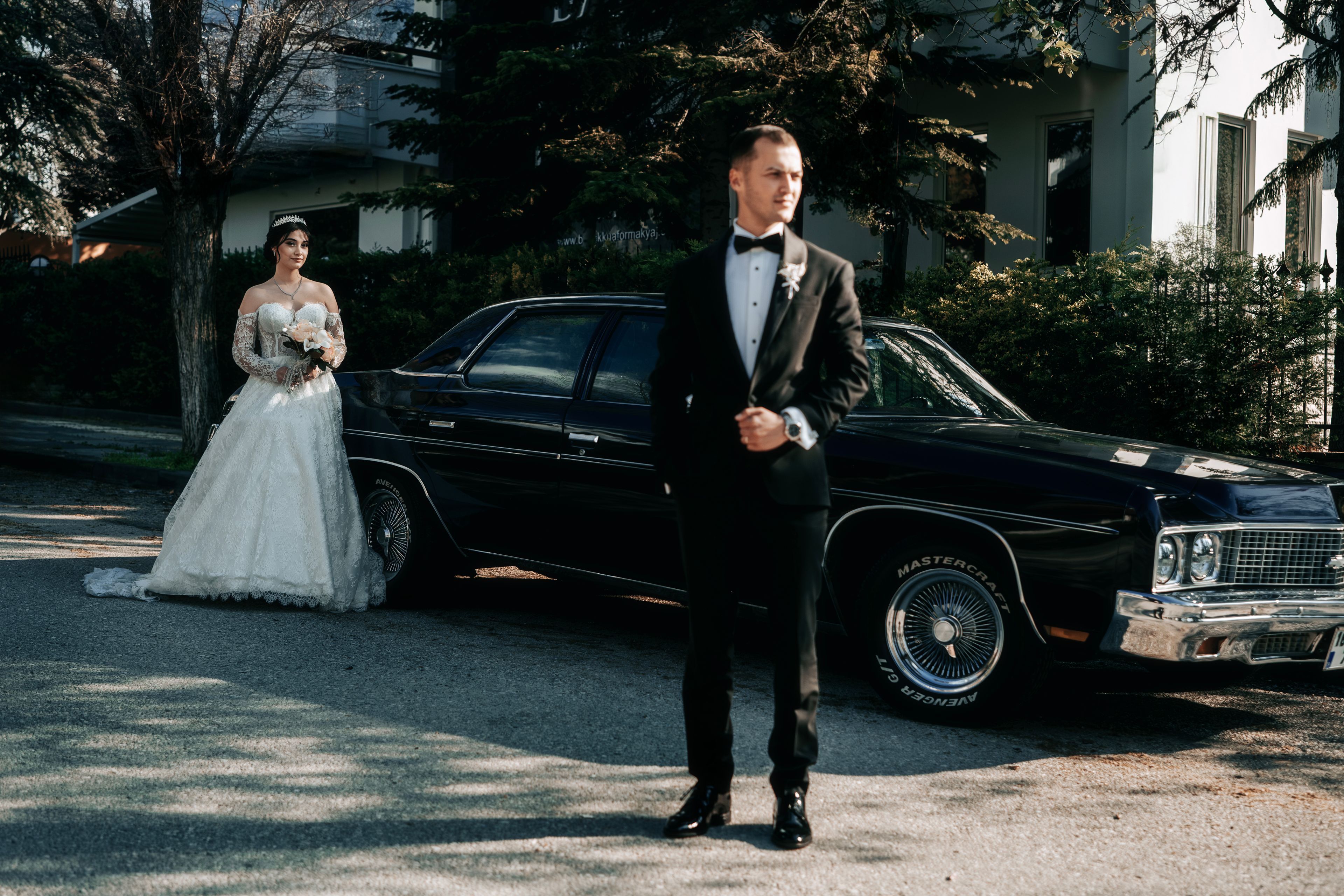
Occasions favour it too. Where the car forms part of the picture, at a wedding, an anniversary dinner, a formal reception or an arrival somebody will photograph, a low saloon simply looks correct in a way that a tall people carrier does not. That is not vanity, it is appropriateness, and it is a perfectly good reason to send the cases separately or pack lighter.
And it wins where access is tight. Older mews streets, hotel entrances with low canopies, private car parks with height barriers and country lanes with overhanging branches all suit a lower vehicle. If you know your destination is awkward, say so, and we will often recommend the saloon even when the luggage is borderline. The car that cannot reach the door has not really saved you anything.
Counting cases honestly
The single most useful thing you can tell us is the real number of large cases, counted rather than estimated, along with anything unusually shaped. A holdall is not the same as a hard-shell case of the same stated volume, because one gives and one does not. Golf bags, instrument cases and pushchairs need naming individually rather than being folded into a general total.
If the count sits right on the boundary, we will say so and give you the options, which sometimes include sending a second vehicle rather than forcing everything into one. Cars come from our own fleet and from a vetted network of professional chauffeur operators, so model, colour and specification depend on availability and are confirmed at booking. Send the passenger count, the case count and the route on WhatsApp or by email.