




Goodwood is not one occasion but several, held on the same West Sussex estate at different points in the year and each with its own crowd, its own entrances and its own traffic behaviour. Planning a car begins with establishing which of them you are actually attending, because the answer changes the approach, the timings and, more than people expect, the vehicle that makes sense.
The estate sits high above Chichester with the South Downs on three sides, and the last few miles are the interesting part of any journey there. What follows covers the approach, the surfaces you will be driving and walking on, how much of the day is spent on foot, and how to extend a single day into a weekend without the driving becoming the dominant memory of it.
Which Goodwood are you attending
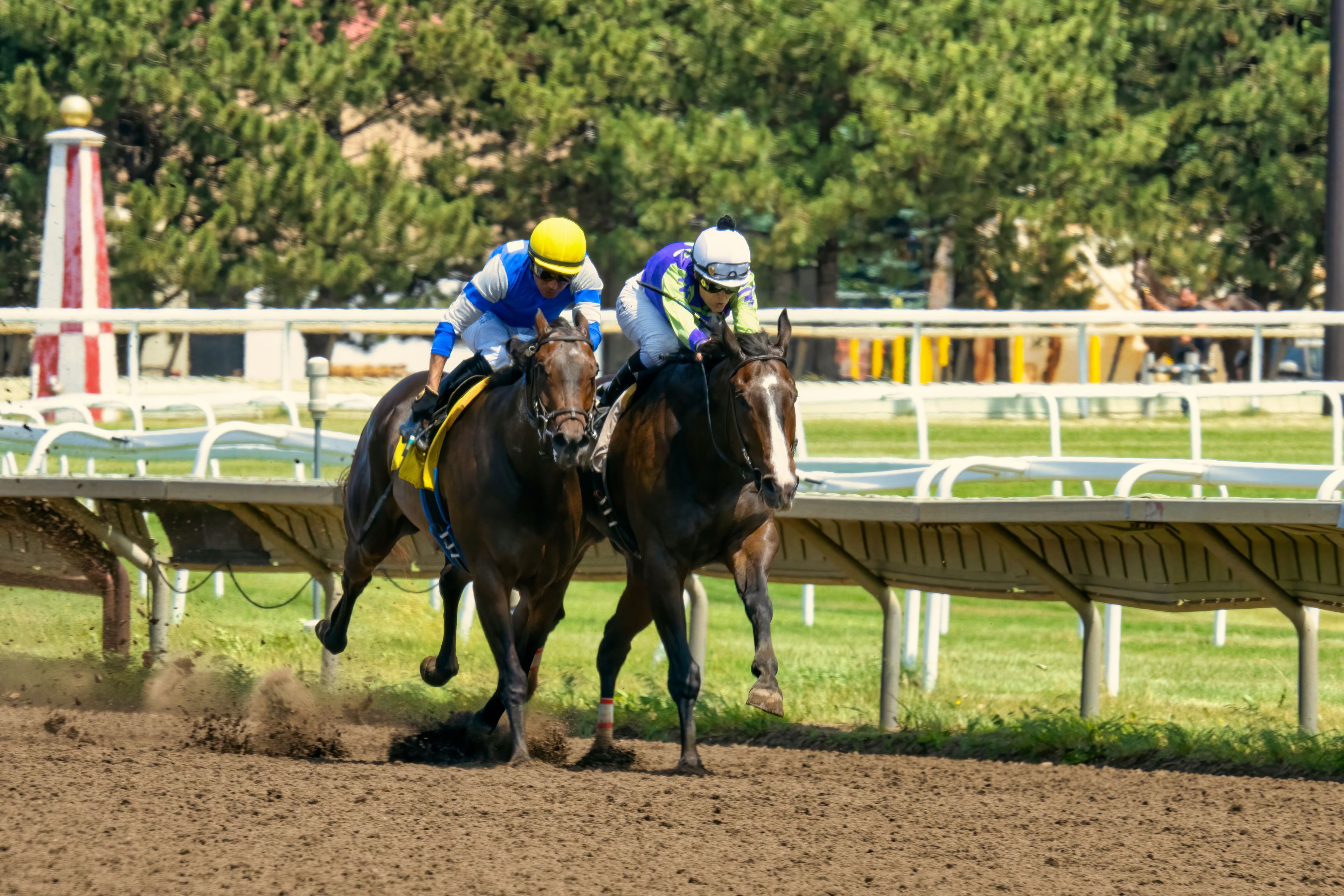
The estate hosts a summer hillclimb festival, a motor racing meeting given over to period cars and period dress, and horse racing high on the Downs across the warmer months, along with a good deal else. They share a postcode and very little else. Crowd sizes differ, entrances differ, the character of the day differs, and so does how much walking you will do between the car and wherever you want to be.
Establish the date and the entrance from the estate's own published information before anything else, since both move from year to year. Once we know which event and which gate, the approach can be planned properly rather than generically. Admission, enclosure access and hospitality are arranged directly with the estate or your host, and we have no involvement in any of it.
It is also worth knowing whether your day includes anything with a fixed time. A parade, a lunch, or a specific session gives the morning an anchor to work backwards from. Without one, the sensible plan is simply to arrive early, because the approach roads are far more pleasant before the main flow and the estate is at its best in the first hour.
The last few miles
From London the journey is largely straightforward as far as the coast, and then it changes character entirely. The lanes through the Downs villages are narrow, steep in places, and quick to block when two lines of traffic meet something agricultural. This is where the time goes, and no amount of speed on the earlier stretch compensates for arriving at that section at the wrong hour.
Build the departure around the final approach rather than the total distance, and add a margin that will feel generous. Summer Friday afternoons and event mornings both add substantially to the last part of the journey. If you are coming from the west or from a hotel on the coast, the approach differs again, so tell us where you are starting rather than assuming the London route applies.

Estate surfaces and vehicle choice
Parking on the estate is largely in fields, and the tracks serving them behave according to the weather. In a dry summer they are firm and the walk is a pleasant one. After sustained rain they are not, and a low car with limited ground clearance is the wrong tool in a way that becomes obvious quickly. This matters even when you are being set down rather than parking.
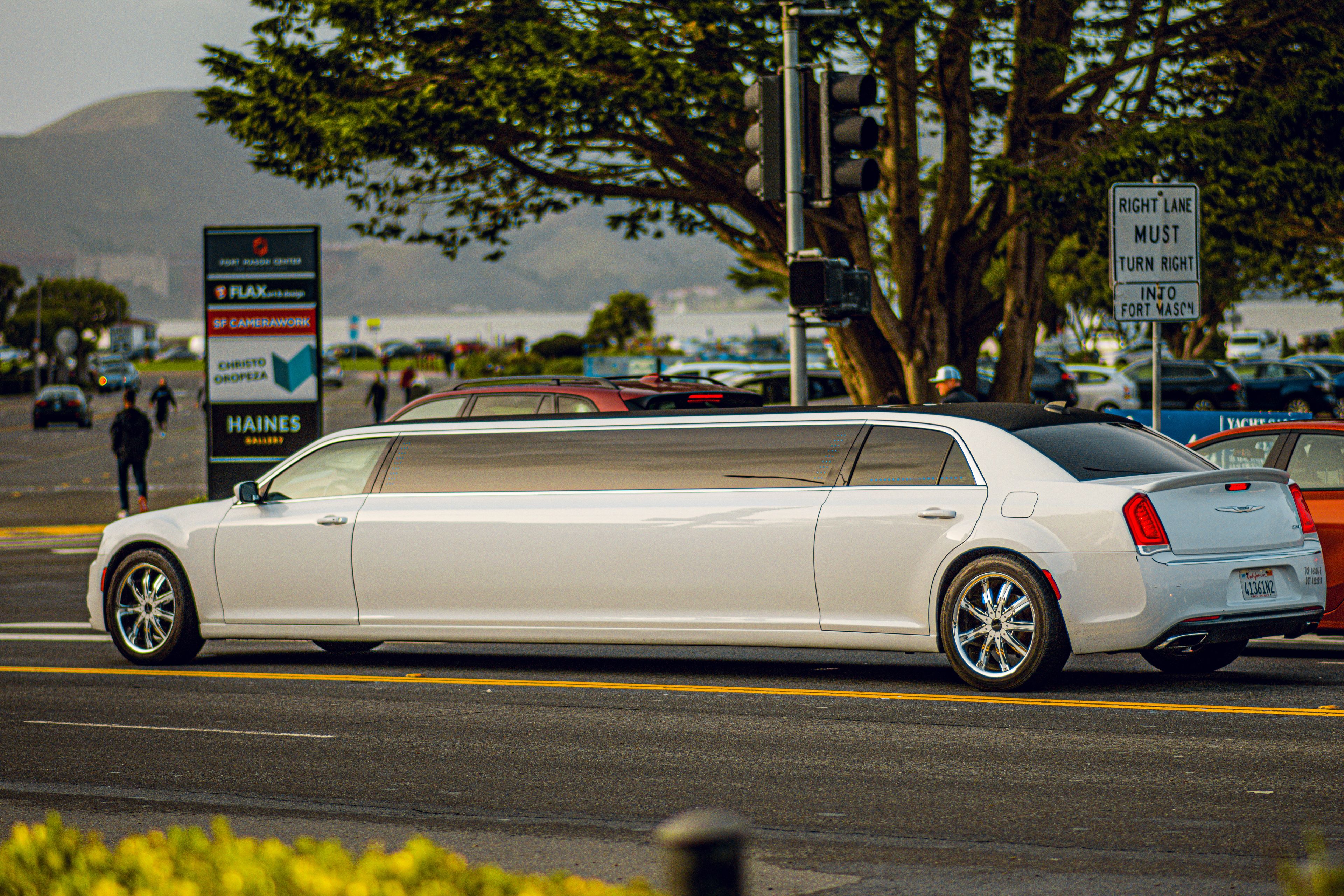
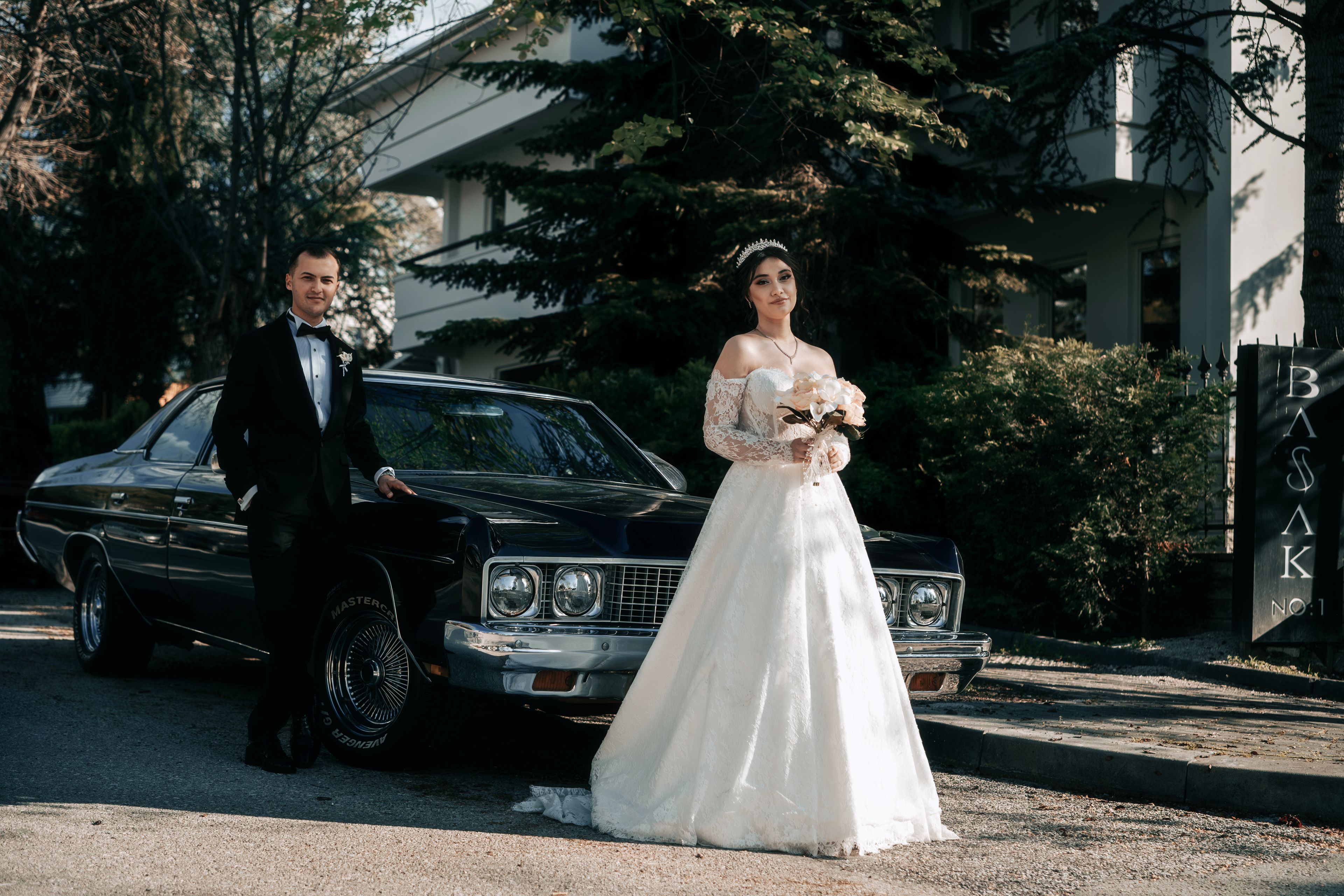
Where the forecast is uncertain we would normally suggest something with height and clearance for the final approach, and we will say so plainly rather than sending the car that looks best in photographs. On dry metalled estate drives, a long saloon is entirely at home and looks the part, particularly at the period meeting where the car becomes part of the scene.
A day measured in walking
However you arrive, a Goodwood day involves several miles on foot over grass, gravel and chalk paths, frequently uphill. People consistently underestimate this and arrive in shoes chosen for the photographs. If you are attending the period meeting, where the dress is part of the occasion for a great many attendees, the tension between correct footwear and comfortable footwear is at its sharpest.
The practical answer is to keep a second pair in the car and change at the set-down, then change back before the walk in. It sounds fussy and it is entirely normal. Leaving a bag with a coat, water and dry shoes in the vehicle costs nothing, and being able to reach it at the end of the day is one of the quieter arguments for a car being held rather than released.
- Several miles on foot over grass, gravel and chalk
- A second pair of shoes left in the car for the drive
- A coat, because the Downs are exposed and cool early
- Water and something to eat for a long gap between meals
- A bag you are content to leave with the vehicle
Turning it into a weekend
Chichester, Midhurst, the villages along the Downs and the coast towards Bosham and West Wittering all make comfortable bases, and a great many clients build a two or three night stay around a single day at the estate. That converts one long return journey into a short daily run and gives the rest of the county a chance, which it deserves more than a day trip allows.
If you are staying locally, holding the vehicle across the stay is simpler than arranging each leg separately, and it means dinner in a village pub twelve miles away stops being a question of who is driving. The lanes are dark and unlit at night, which is precisely the driving most people would rather not do after a long day outdoors and a decent bottle.
Weekend accommodation near the estate is taken up early for the busier meetings, so book that first and let the transport follow rather than the other way round. Once your base is fixed, send us the addresses and the days, and we will propose timings for each morning individually rather than repeating a single plan that only really suits one of them. The differences between days are larger than they look.
- Fix accommodation before transport for the busier meetings
- Consider Chichester, Midhurst or the coast as a base
- Hold one vehicle across the stay rather than booking each leg
- Use the car for dinner in surrounding villages after dark
- Send each day separately so timings can differ