



Anybody who has finished a meeting in an unfamiliar part of a city, opened an app and watched the estimated arrival climb while standing in the rain, understands the value of this immediately. The car being there is not a luxury detail. It is the difference between a day that runs to plan and a day spent negotiating with strangers about where they can collect you from.
The arrangement is simpler than most people expect. A chauffeur booked for a half day or a full day is yours for that period, and what happens in the gaps is a matter of practicality rather than permission. This page covers where the car actually goes, what the chauffeur does with the time, and how overruns are handled.
How a waiting day is structured
Most professional days follow a familiar rhythm: a collection in the morning, heavy movement for an hour or two, a long static period, then a burst of activity in the late afternoon or evening. Booking by the hour or by the day rather than journey by journey matches that rhythm, because the value sits in availability as much as in mileage covered.
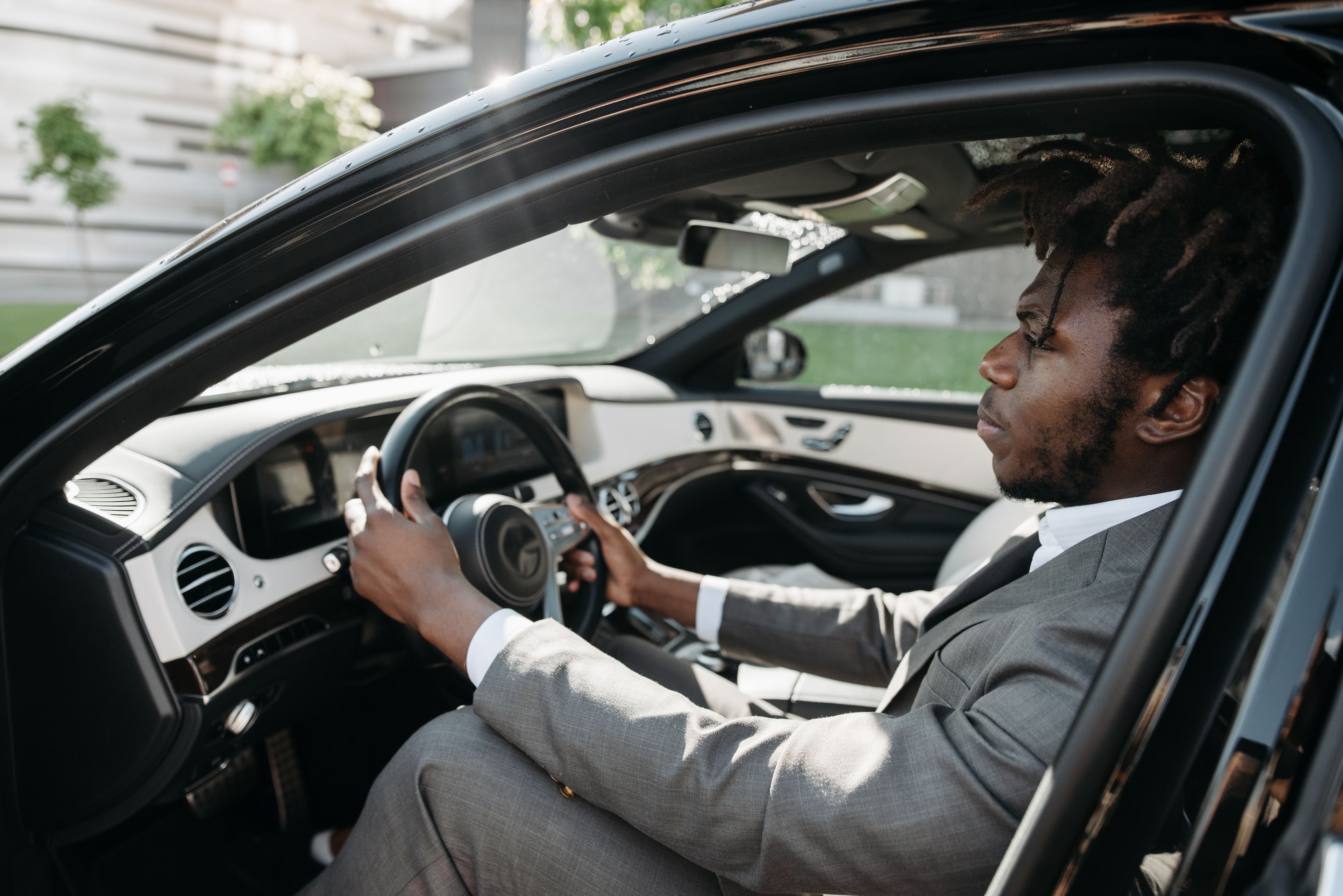
Within that period, waiting requires nothing from you. You go into the building; the chauffeur handles the car. There is no re-booking, no repeated explanation of where you are, and no fresh negotiation at every stage of the day. When you come out and send a message, the car returns to the door, which is the entire point of holding it.
Where the car actually goes
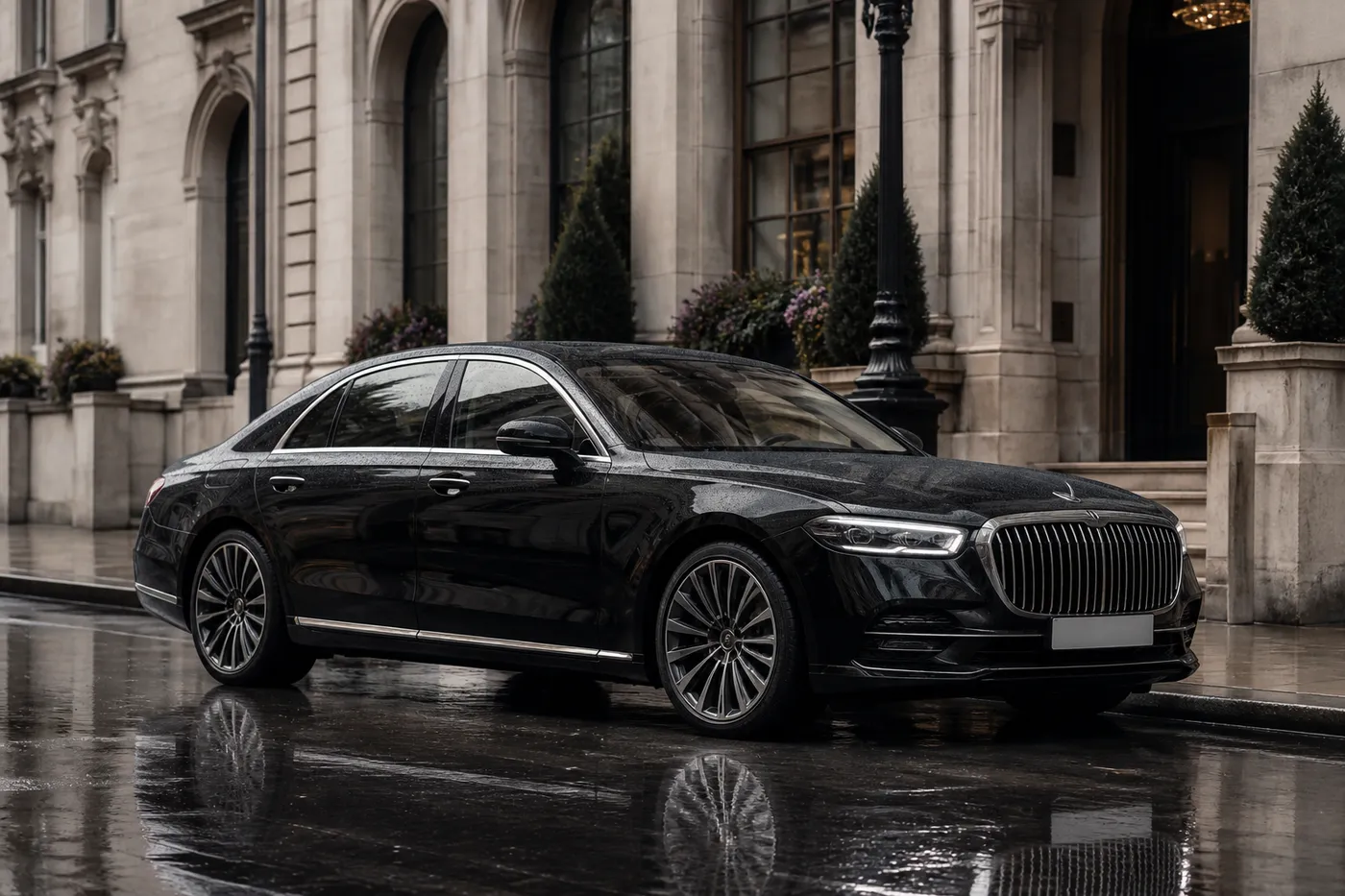
Rarely directly outside, and that is a feature rather than a failing. Central London has very little kerb on which a vehicle may legally sit for an hour, and a chauffeur who parks illegally to look attentive has created a problem for both of you. The car goes to a nearby car park, a permitted bay, or a quiet street a few minutes away, and returns when called.
Practically, this means allowing two or three minutes between your message and the car appearing. Experienced chauffeurs learn where to hold near the buildings clients use regularly, which is why a familiar route feels quicker than a new one. If you need the car genuinely at the door at a fixed moment, say so and it will be positioned in advance rather than summoned.
- Send a message when you are five minutes from leaving, not as you leave
- Name the exit you will use if the building has more than one
- Say if you are leaving with an extra passenger or additional bags
- Flag a hard departure time so the car is placed before it, not after
- Tell the chauffeur if the next address has changed while you were inside

When the meeting overruns
Meetings overrun constantly, and the arrangement is built for it. If the delay sits inside the hours you have booked, nothing needs to happen at all beyond a message so the chauffeur is not waiting at a door you have not reached. Nobody is watching a clock in order to catch you out; the car is yours for the period agreed.
If the overrun pushes the day beyond the hours held, tell us as soon as you can see it coming. Extending is usually possible and depends on what follows for that vehicle and chauffeur, so early notice genuinely improves the odds. Any change to the arrangement is confirmed with you in writing before it applies, exactly as the original booking was.