




There are perhaps forty days a year when a specific British event reshapes the roads over a wide area, and if your journey falls on one of them the difference is not marginal. A city that is twenty minutes across becomes an hour. A motorway junction that never queues has a three mile tailback. A hotel becomes unreachable by car for an afternoon.
None of this is unpredictable. The dates are published, the closures are announced, and anyone who drives for a living knows the calendar. What follows is a working guide to the events that matter most, roughly in the order they occur, and what each one actually does to the road network around it. It is not an exhaustive list and does not need to be: knowing that a date is difficult is usually enough to plan around it.
Spring: racing, gardens and the marathon
The March festival at Cheltenham is the first major fixture of the year and it affects roads across Gloucestershire for four days, with the M5 junctions and every approach to the town carrying far more than usual. Departures after the last race are slow in all directions, and accommodation across the region fills months ahead.
April brings the Grand National meeting at Aintree, which reshapes the north of Liverpool for three days and affects the M57 and M58 approaches. The London Marathon closes large parts of central and south east London for most of a Sunday, with the closures crossing the river and cutting the city in two for several hours. It is the single most disruptive regular day in the London calendar for a car.
May adds the Chelsea Flower Show, which brings very heavy traffic to the roads around Sloane Square and the Embankment for a week, and the equestrian and racing fixtures that fill particular counties for a weekend at a time. Badminton and the spring point to points both put substantial traffic onto country roads that carry very little for the rest of the year.
Summer: the season proper
June is the busiest month for events that change traffic. Royal Ascot fills Berkshire for five days, the Derby brings crowds to Epsom, and Glastonbury turns the roads around the Somerset site into something close to impassable for the best part of a week. Chauffeur availability across the south tightens noticeably through the month.
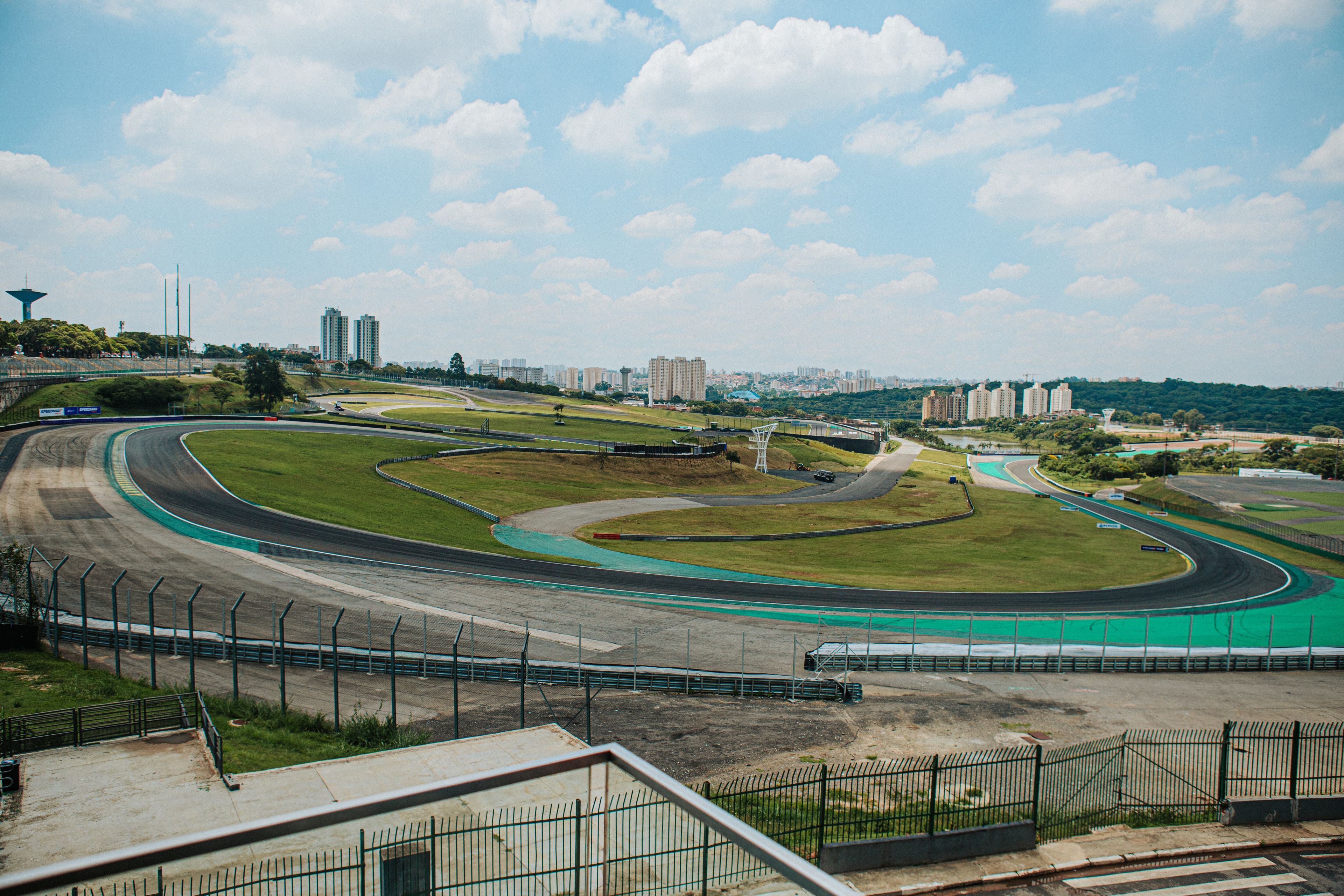
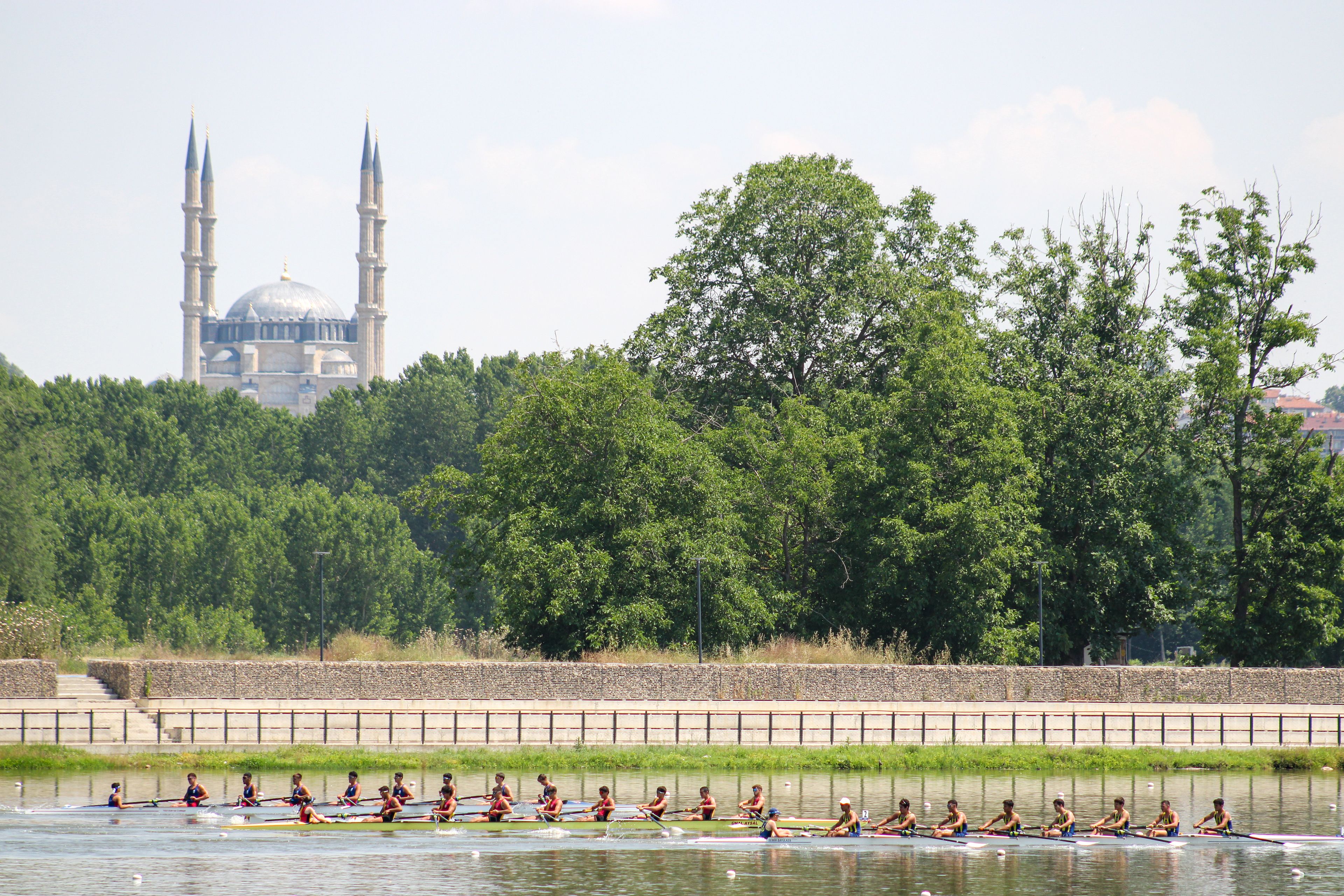
July continues with Wimbledon, which affects south west London for a fortnight, Henley Royal Regatta on the Thames, the British Grand Prix at Silverstone with very heavy traffic on the A43 and the surrounding M1 junctions, and the Goodwood events in West Sussex on narrow country roads that were never designed for those numbers.
August belongs to Edinburgh, where the festivals close central streets for weeks rather than hours, and to Notting Hill Carnival over the August bank holiday, which closes a substantial area of west London across two days with extensive diversions well beyond the immediate route. Anyone with a flight that weekend should treat the diversions as the main constraint rather than the mileage.
- Cheltenham Festival in March: four days across Gloucestershire
- Grand National in April: three days across north Liverpool
- London Marathon in April: central and east London closed for a Sunday
- Royal Ascot in June: five days across east Berkshire
- Glastonbury in June: Somerset roads affected for most of a week
- British Grand Prix in July: the A43 and M1 junctions near Silverstone
- Notting Hill Carnival in August: two days of west London closures
- Edinburgh festivals in August: central closures lasting weeks
Autumn: runs, conferences and ceremonial
September opens with the Great North Run, which closes the main routes through Newcastle and Gateshead including the river crossings for much of a Sunday morning. The Southampton boat show runs through the same weeks, and the Goodwood Revival brings the Sussex lanes to a standstill again.
Party conference season moves between Manchester, Liverpool, Birmingham and Brighton through the autumn, and the effect is more than traffic. Security cordons close streets around the venue and the main conference hotels for several days, and access arrangements change at short notice. Where your dates coincide we plan the approach and the set-down accordingly.
November brings Remembrance Sunday, with closures around Whitehall and at civic ceremonies in every city, and the start of the Christmas market season, which fills Birmingham, Bath, York, Manchester and Edinburgh through to late December. Those markets change the shape of a city centre for weeks, closing streets, filling car parks and moving the ordinary set-down points several streets further out.
Stadiums, arenas and the everyday events
Beyond the annual fixtures, the ordinary calendar of sport and music does more cumulative damage to journey times than any single festival. An international at Wembley, Twickenham, the Principality Stadium or Murrayfield closes streets for a wide radius. A stadium concert empties tens of thousands of people into a small area in fifteen minutes.
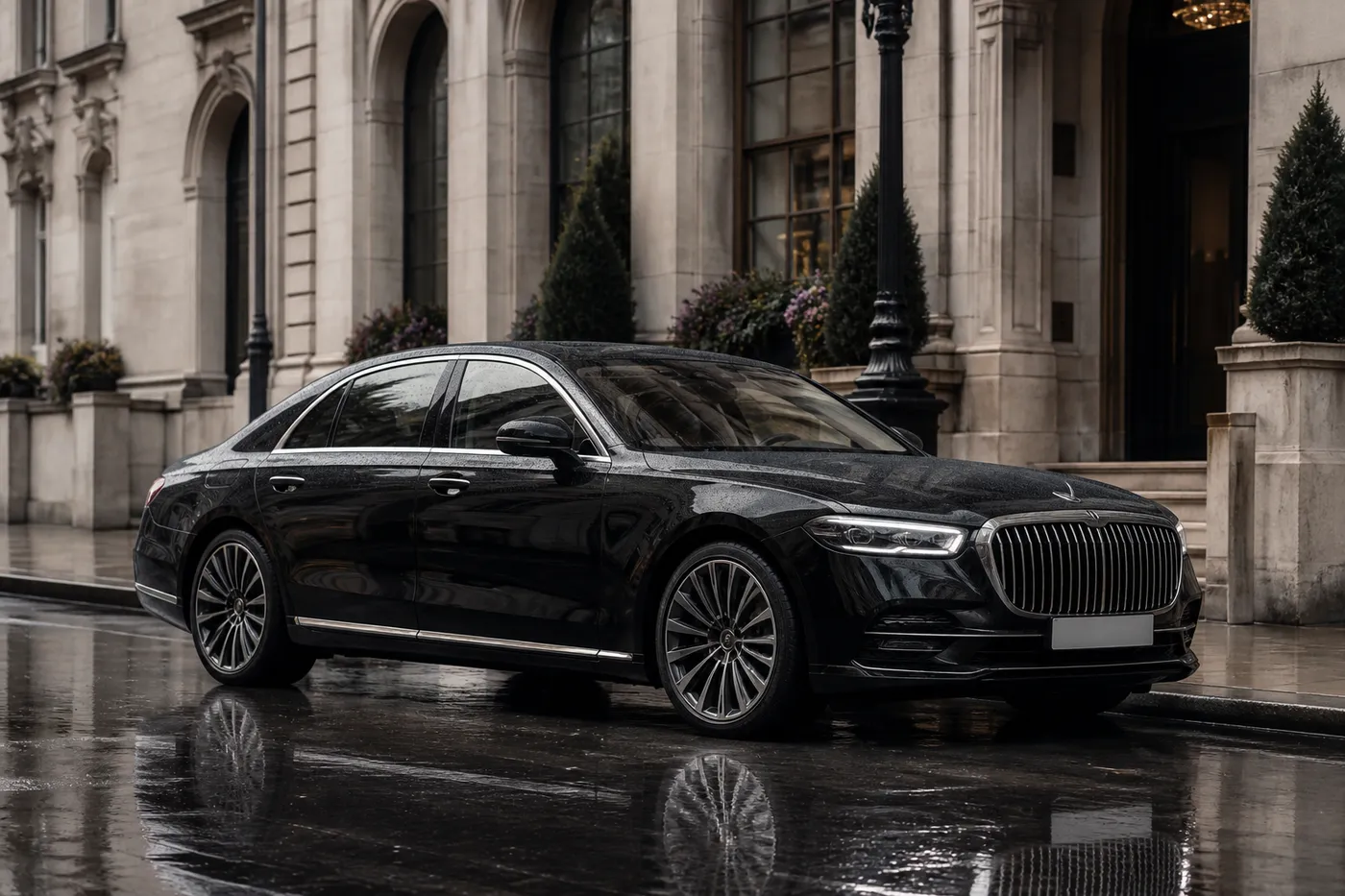
Arena nights in Manchester, Birmingham, Leeds, Glasgow and London all produce the same pattern: a sharp peak on arrival, a sharper one on departure, and taxi availability that disappears entirely at exactly the moment everyone needs it. This is the situation a pre-booked car handles best, and the reason we always agree a collection point away from the immediate exit.
Football is the most frequent of all. Every fixture closes local roads and fills local parking, and in cities where the ground sits in the centre, such as Newcastle and Cardiff, the effect reaches the whole core rather than a few streets. Midweek European nights are the ones most often overlooked, because they fall on evenings when nobody thinks to check a fixture list.
How we plan around all of it
The first step is checking. Before quoting any journey we look at what is happening on that date in that place, and where something significant coincides we raise it at the quotation stage rather than after you have booked. It is a short conversation that prevents a long problem.
The second is positioning. On an event day the plan is almost always to set down outside the affected area and agree a collection point chosen for how easily it leaves rather than how close it sits. A five minute walk to a moving road is a far better experience than forty minutes in a stationary queue.
The third is booking early. For the major weeks, Ascot, Cheltenham, the Edinburgh festivals, Wimbledon and the Christmas season, chauffeur availability across the relevant region is genuinely limited. Send the dates as soon as you have them, by WhatsApp or email, and we will confirm in writing what is possible.
- Great North Run in September: Tyne crossings closed for a morning
- Party conferences in autumn: multi-day security cordons
- Remembrance Sunday: ceremonial closures in every city
- Christmas markets: weeks of central congestion in several cities
- Stadium internationals: wide radius closures around the ground
- New Year celebrations: extensive city centre closures overnight