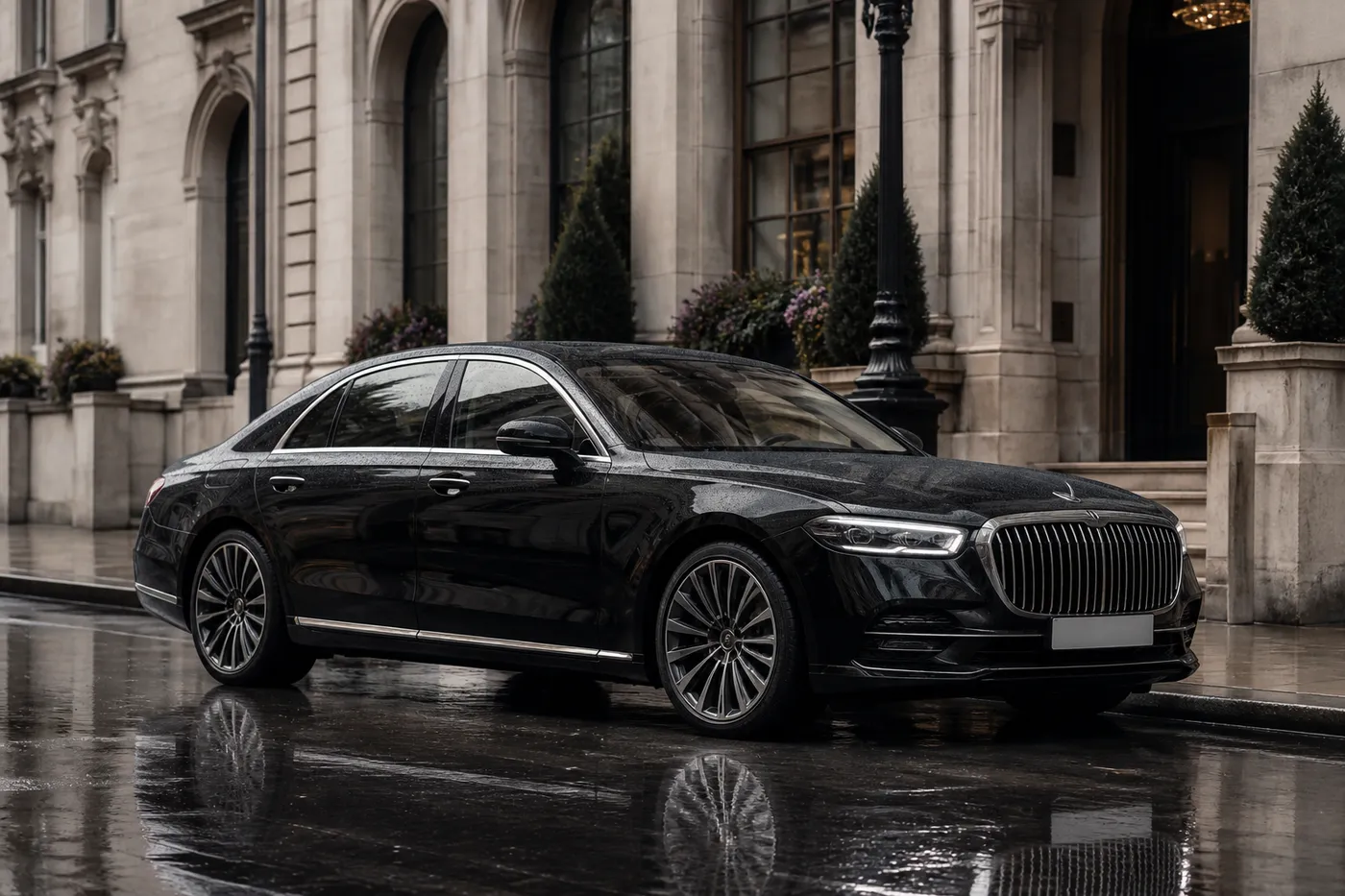

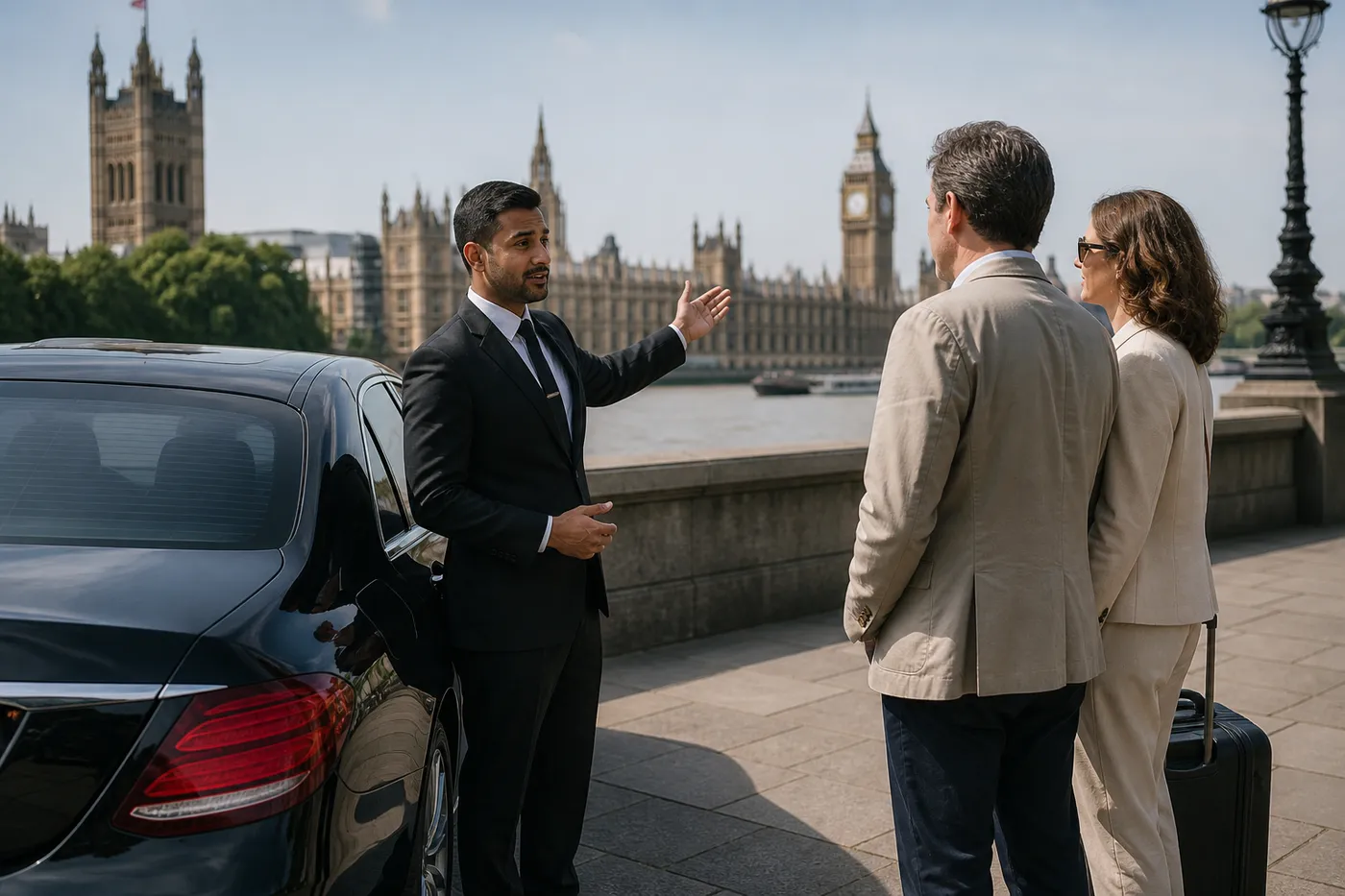


The most common misunderstanding about chauffeur travel in London is that the car waits outside. In most of central London it cannot. The kerb is a red route, a bus lane, a loading bay with a time restriction or a residents bay, and every one of them is watched by a camera. What actually happens is a set-down, a departure to somewhere legal, and a return timed to the minute you are ready.
That choreography is invisible when it works, which is the point. It is also the part of the service that takes the most local knowledge, because the rules change street by street and hour by hour. This is an account of what a chauffeur is dealing with while you are inside the building, and what it means for how you should plan a London day.
The kerb is not available
Transport for London operates red routes on the main arteries, where stopping is prohibited outright for most of the day and often entirely. Beyond those, boroughs control the rest with single and double yellow lines, resident permit bays, pay bays, loading bays with tight time limits and disabled bays. In much of Mayfair, St James's and the City there is no category of kerb that a waiting private car may legally occupy.
Enforcement is largely automated. Local authorities have powers to enforce moving traffic contraventions by camera, which means banned turns, box junctions, bus lanes and no-entry restrictions are all monitored without an officer present. A momentary mistake generates a notice weeks later, and there is no discussion to be had at the roadside.
The practical effect is a discipline rather than a difficulty. We set down on the correct side of the street for the door you want, the car leaves, and it returns when you tell us you are ready. It is the reason we ask for a message a few minutes before you come out rather than a fixed time.
Where the car actually goes
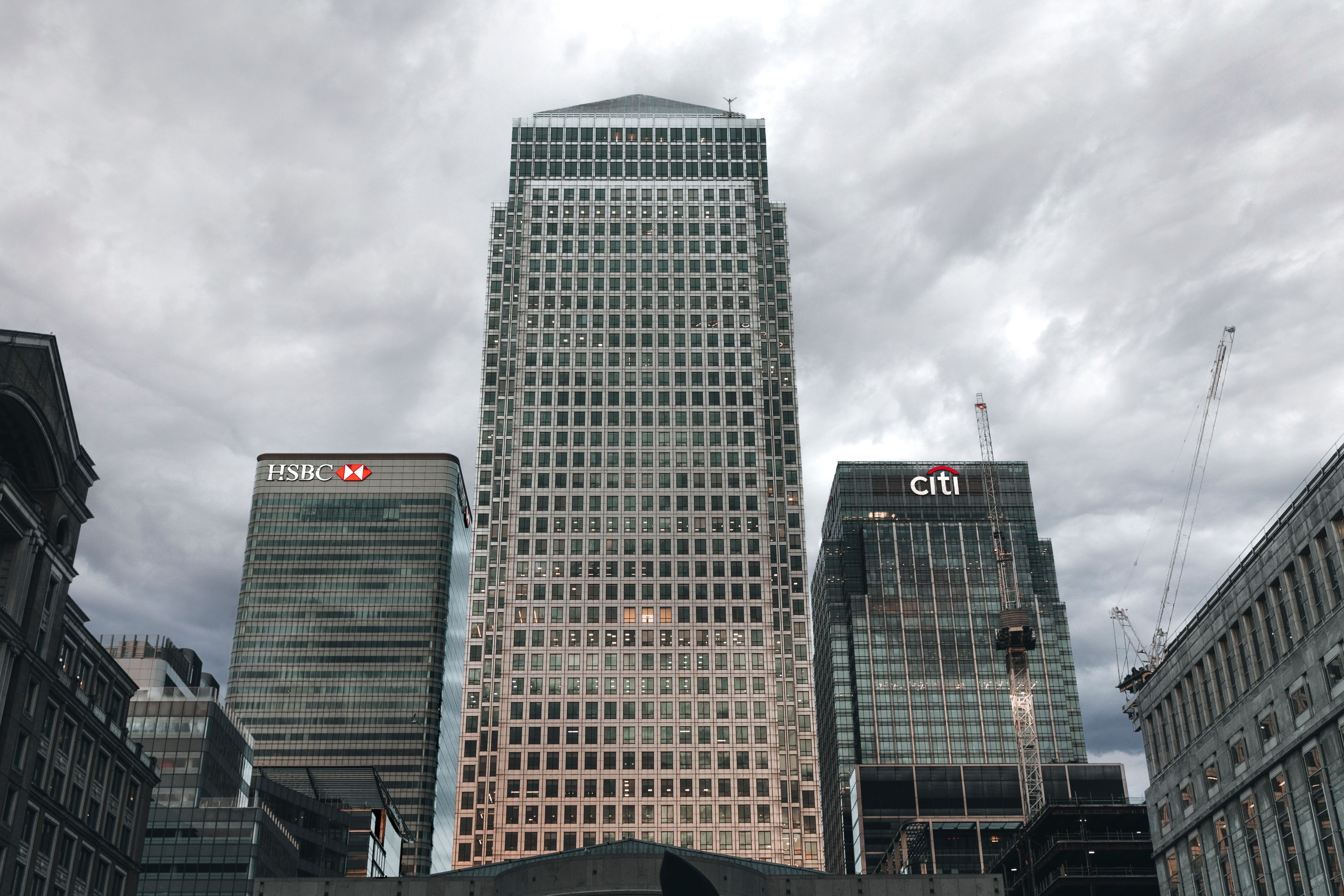
Between drop-off and collection, a chauffeur needs somewhere legal and reasonably close. In central London that usually means an underground car park, and there are a limited number of them in the areas where clients spend their time. Cavendish Square, Park Lane and the car parks around Soho, Covent Garden and the City are all part of the working geography of the job.
Some hotels have a forecourt and some do not, and the ones that do generally reserve it for guests currently arriving rather than cars waiting for hours. We do not assume access to any forecourt; we ask, and we plan on the basis that the answer may be no. Office buildings very rarely have anything at all.
For a day booking with several appointments, this is why the shape of the day matters at the quotation stage. A morning in Mayfair, an afternoon in the City and dinner in Chelsea is a completely different logistical problem from four hours in one building, and it is worth telling us which you have.
- Red routes prohibit stopping on most main arteries
- Borough restrictions cover almost every remaining central kerb
- Camera enforcement covers turns, box junctions and bus lanes
- Underground car parks are the practical waiting option
- Hotel forecourts are for arrivals, not for hours of waiting
- A message when you are ready works better than a fixed time
Streets that are closed to us entirely
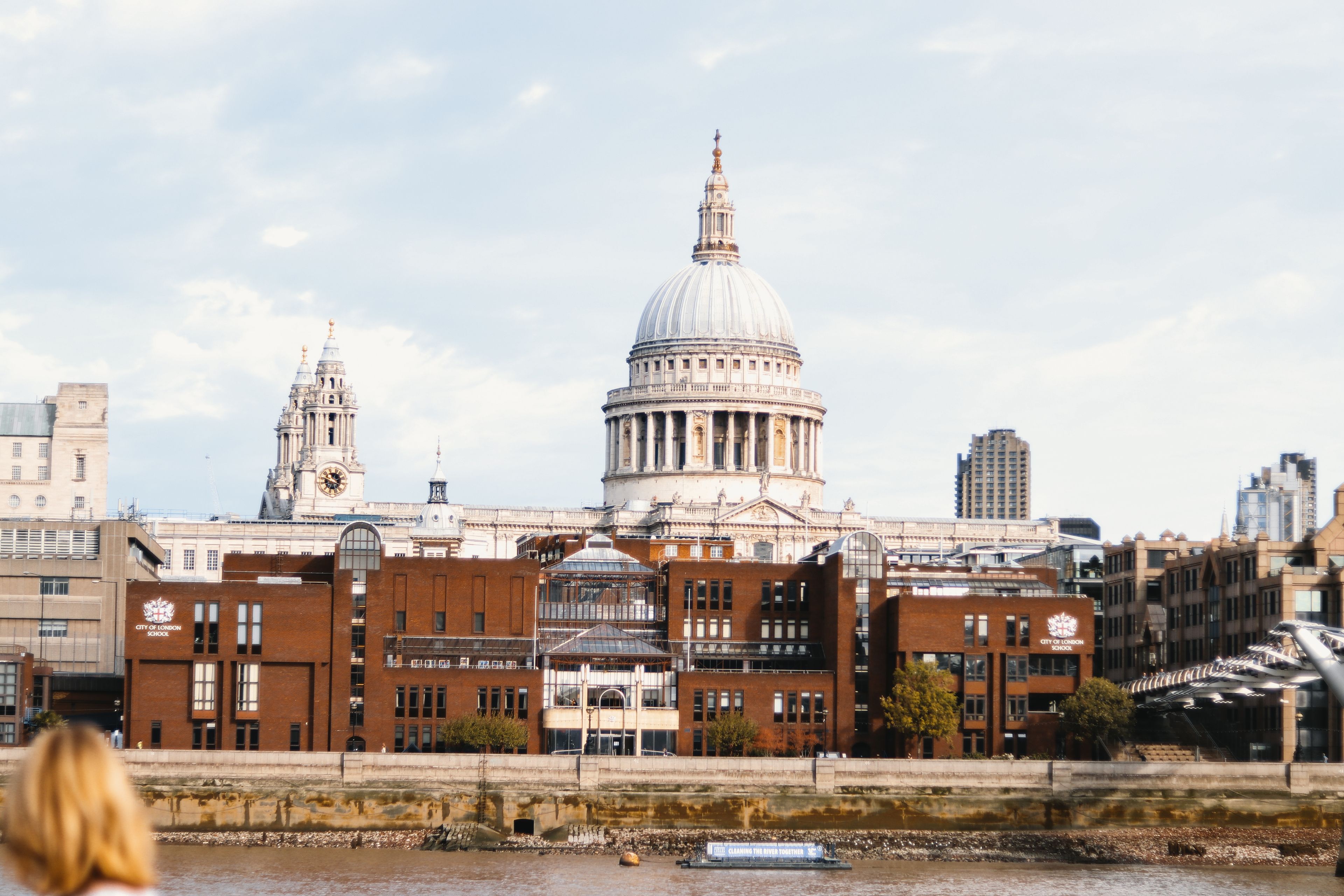
A growing share of central London is not available to private cars at any hour. Bank junction in the City operates restrictions favouring buses and cycles through much of the week. Oxford Street carries heavy restrictions along its length. Parts of Soho, Covent Garden and Seven Dials are pedestrian or closed in the evenings, and low traffic neighbourhoods in the residential boroughs use camera-enforced filters to remove through traffic altogether.
The Mall and the roads around it close for ceremonial occasions and on Sundays, the area around Parliament has its own arrangements, and school streets across the city close to traffic at the start and end of the school day. None of these are exceptional; they are simply the current shape of the network.
What this means for you is that the nearest point a car can reach is sometimes a few minutes walk from the door. We will tell you where that is in advance rather than discovering it together, and where anyone in the party would find that walk difficult, tell us and we will favour the closest legal option even at the cost of a longer drive.
- Bank junction restrictions favouring buses and cycles much of the week
- Oxford Street restrictions running along its full length
- Soho and Covent Garden evening pedestrian closures
- Low traffic neighbourhood filters enforced by camera
- The Mall and ceremonial routes closed on Sundays and state occasions
- School streets closed at the beginning and end of the school day
Timing, not distance
The other half of the job is the clock. Central London journeys are governed by the hour rather than the mileage, and a route that takes fifteen minutes at ten in the morning can take fifty at half past five. A chauffeur builds the day around the appointments that cannot move and treats the rest as flexible.
Where a journey has a hard deadline, particularly a flight or a curtain, we plan backwards from it with a genuine margin and we would rather leave early than arrive tense. Where the day is a series of meetings, we will suggest an order that reduces the number of times you cross the centre, which is usually where the time goes.
Roadworks and short-notice closures are a constant. A burst water main can remove a route for a week. Chauffeurs working here daily know the current state of the network, which is more useful than any app because it includes what happened yesterday and what is planned for tomorrow.
What we handle and what you never see
Charging schemes, permits and any applicable zone requirements are dealt with within the booking rather than by you. Where a charge falls due on your journey it is included in the written quotation and confirmed before you travel. You are never asked to pay anything at the roadside, and there is no separate reckoning afterwards.
Vehicles come from our own cars and from a vetted network of professional chauffeur operators, and vehicle compliance with the relevant standards is our responsibility rather than yours. The chauffeur handles the parking, the routing, the enforcement risk and the timing, which is the whole of what you are actually buying.
Everything is arranged by WhatsApp or email. You send the outline of the day, we return a written quotation covering the vehicle, the timings and the terms, and nothing is confirmed until you have agreed it in writing. There is no call centre queue, no app allocating you to whoever happens to be nearest, and one point of contact throughout.