
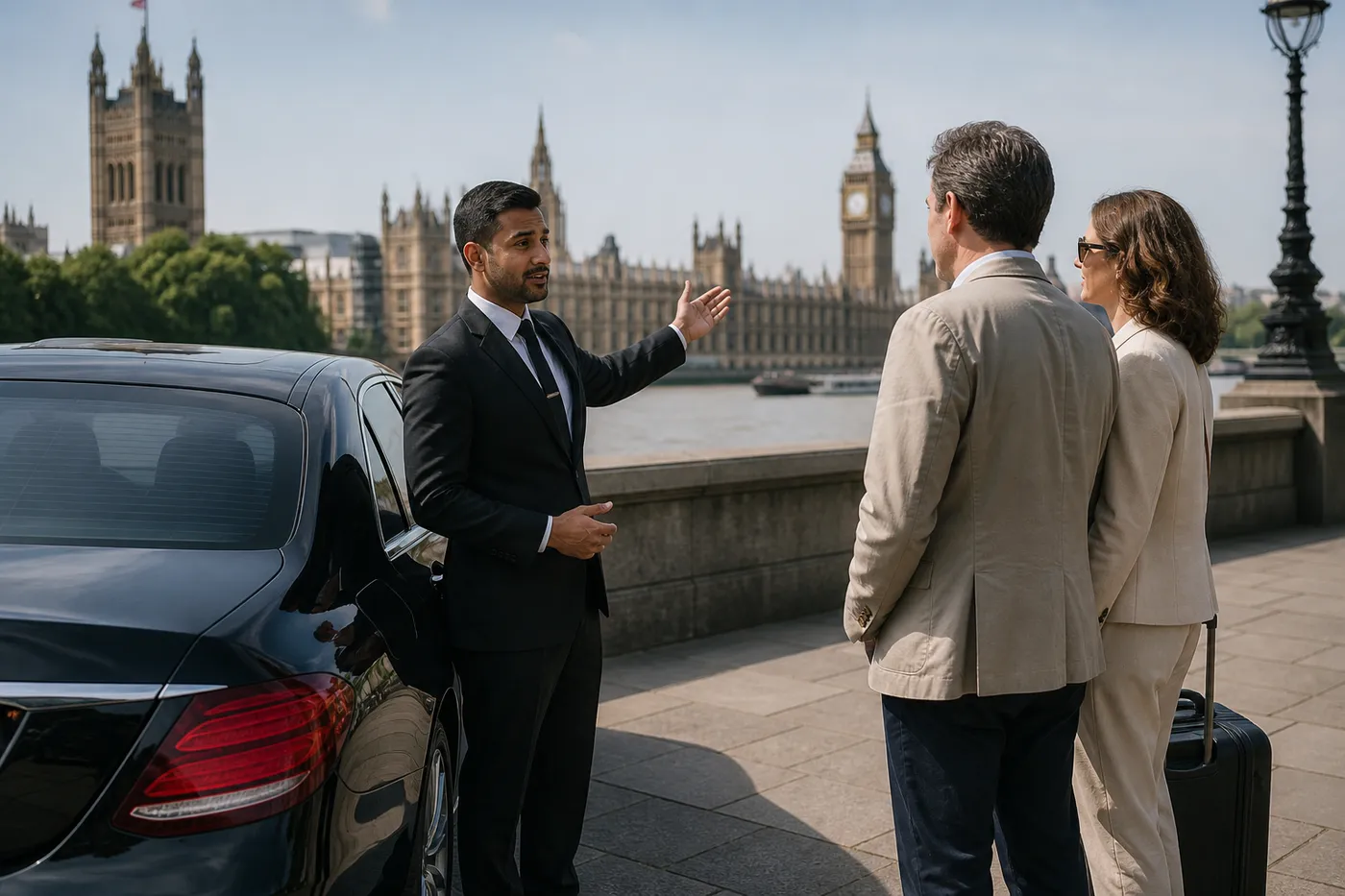



Ten is an awkward number in private travel. It is comfortably beyond one car and comfortably short of a coach, which leaves it in the gap where people assume the only option is something with a step at the door and fabric seats. That assumption is worth examining, because the alternative is usually better and rarely as complicated as it sounds.
The workable answer is a pair of chauffeured vehicles moving as one unit. Everybody arrives together, everybody has a proper seat, and the group keeps the flexibility to split when the day requires it. Here is how that is put together, what it does well, and the points where the arrangement genuinely needs care.
Why two cars beat one large vehicle
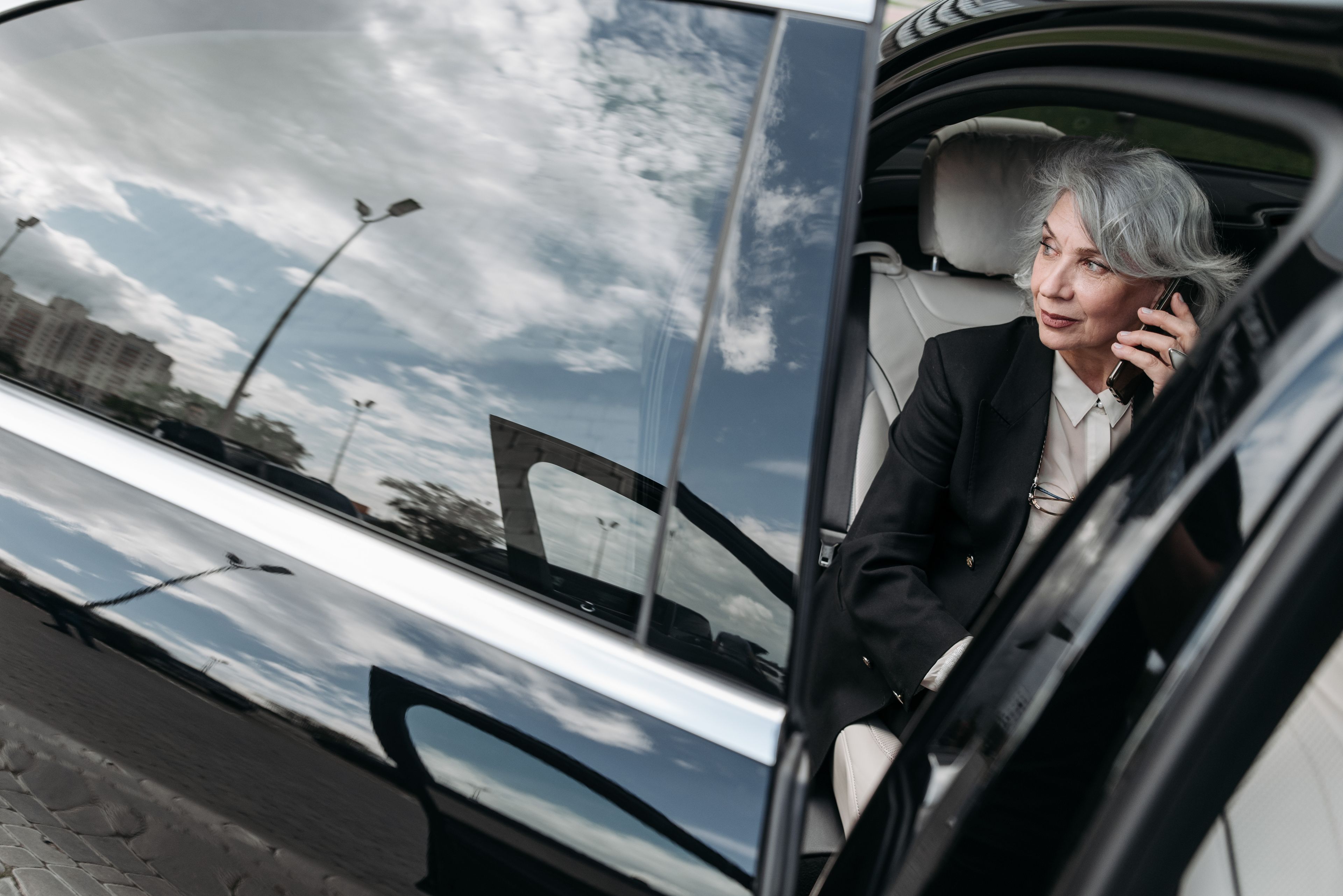
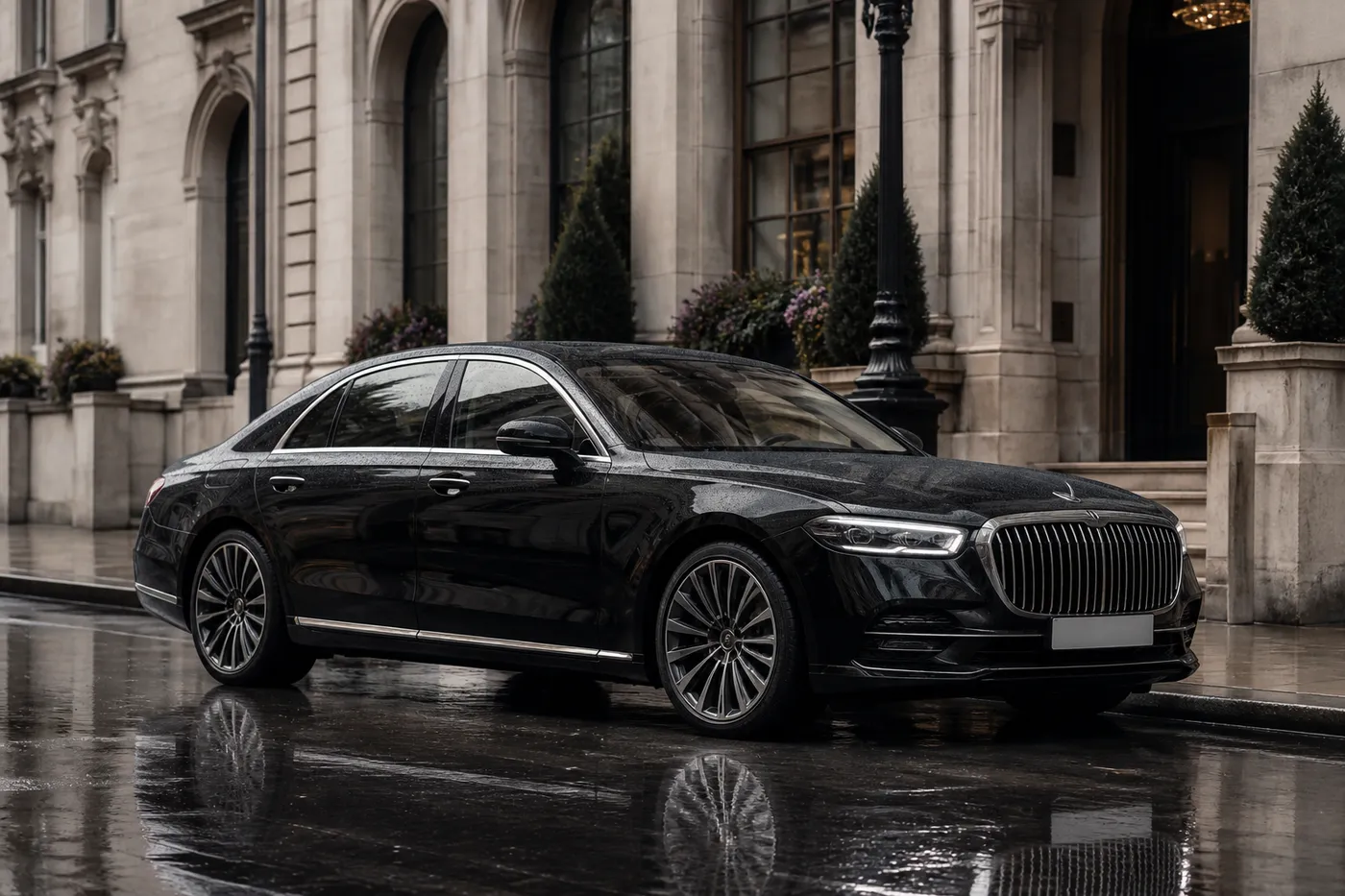
A pair of vehicles preserves the character of chauffeur travel in a way a single large one does not. The cars set down at the same entrances everybody else uses, fit the car parks at hotels and terminals that exclude taller vehicles, and keep the party in cabins built for comfort rather than capacity. For a wedding, a milestone birthday or a client group, the difference in arrival is not subtle.
It also builds in useful redundancy. If four people need to leave a dinner early and six want to stay, one car goes and one waits, which is impossible when everybody shares a single vehicle. Across a full day with several venues, that flexibility tends to be the thing clients remember afterwards, far more than the choice of vehicle they travelled in.
How a pair of cars is coordinated
Both chauffeurs work to the same written itinerary, with the same addresses, the same timings and the same understanding of which appointment is immovable. They stay in contact through the day, so a delay affecting one car is known to the other rather than discovered on arrival. One vehicle is nominated as the lead, which settles who sets the pace and who follows on the awkward approaches.
You are given a single point of contact rather than two chauffeur numbers to juggle. Changes go through us and reach both cars together, which prevents the classic failure of a group booking where half the party has been told something the other half has not. It is unglamorous coordination, and it is what makes a two-car day feel like one booking.
Luggage, and where the maths really bites
Ten people can be seated across two MPVs without difficulty. Ten people with ten checked cases plus cabin bags is a different calculation, and it is the one that most often needs a third vehicle or a change of plan. Airport work is where this bites hardest, because a party that fits perfectly on the outbound leg has acquired shopping by the return.
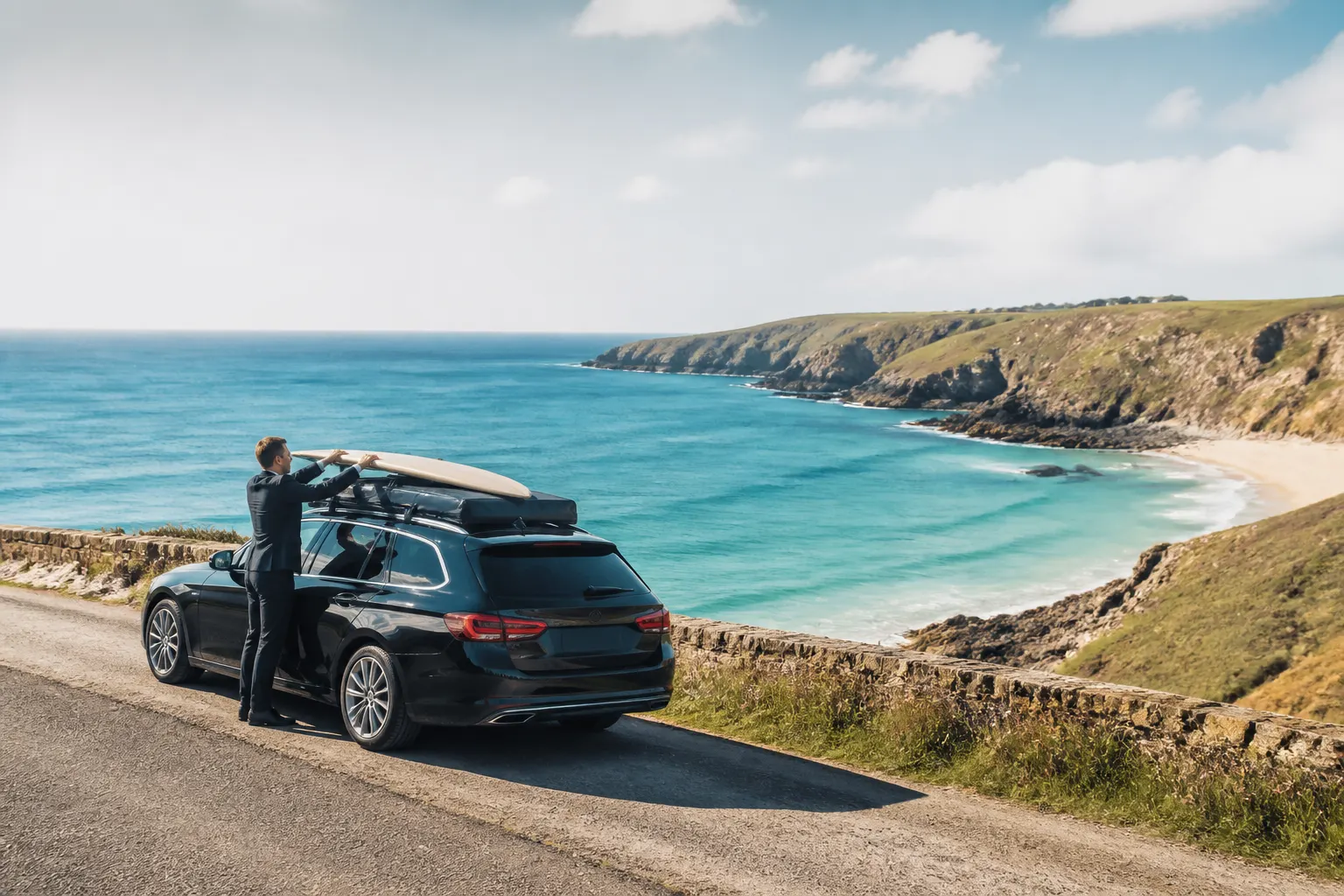
Give us the case count alongside the head count and the recommendation follows automatically. Where the numbers genuinely do not work, we will say so and set out the options rather than squeezing the party in and hoping. Sports equipment, instruments and pushchairs all need naming individually, because each changes the answer more than its size suggests. Name them and the answer arrives quickly.
- Total passengers, including children who occupy a seat
- Large checked cases, counted rather than estimated
- Golf clubs, skis or other long sporting equipment
- Whether the group must travel together or may split
- Whether the return leg carries more luggage than the outbound