



Arranging transport for a funeral falls to somebody at the worst possible moment, usually while they are also fielding calls, feeding relatives and finding a suit. Whatever we can take off that person's list is worth taking, and the first thing to remove is the need to explain everything twice.
One message with the outline is enough to begin. From there you should not have to think about the cars again until they arrive, and on the day itself the chauffeurs work quietly around whatever is happening rather than adding themselves to it. That is the entire ambition of a funeral booking.
What we provide, and what we do not
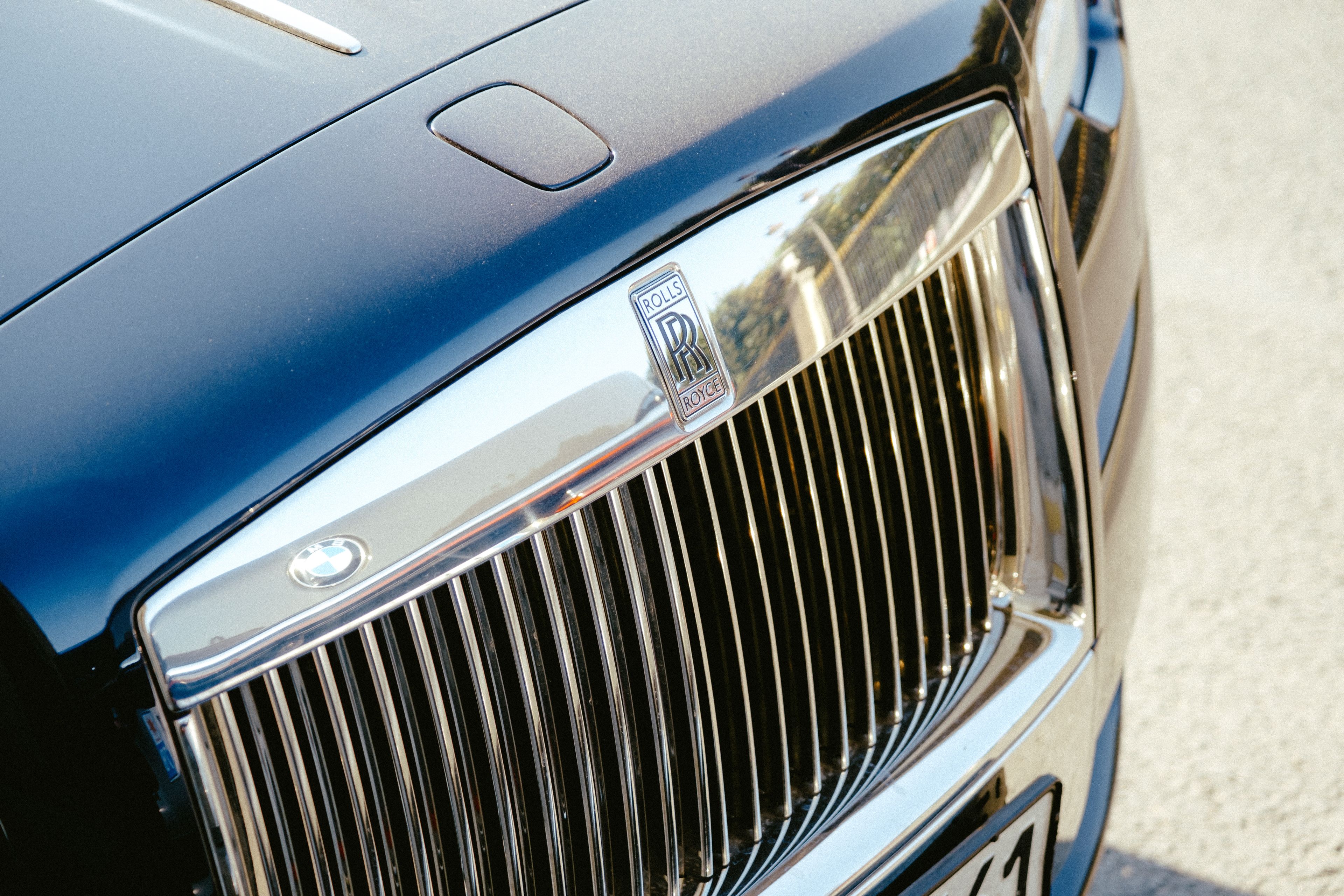
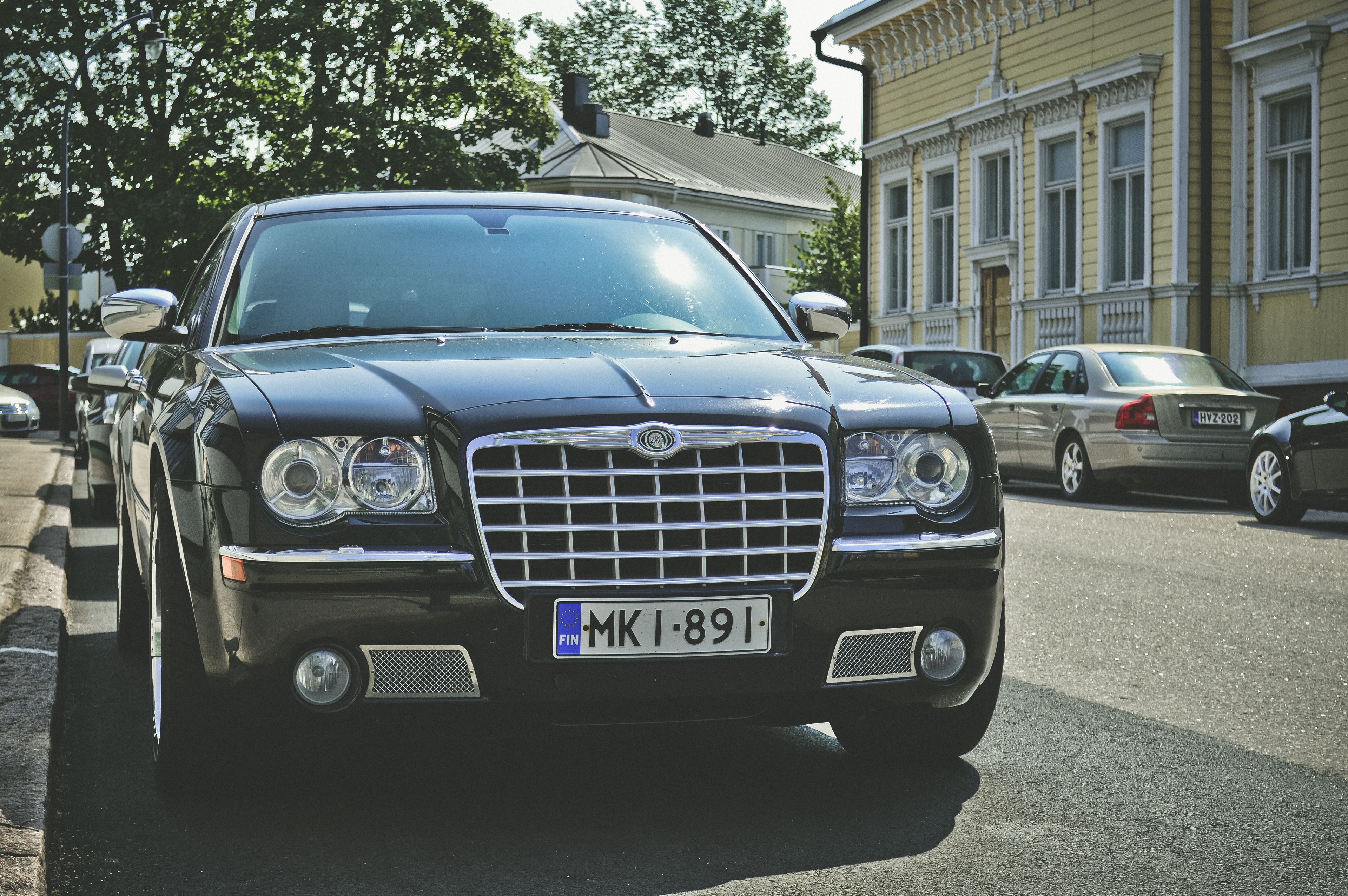
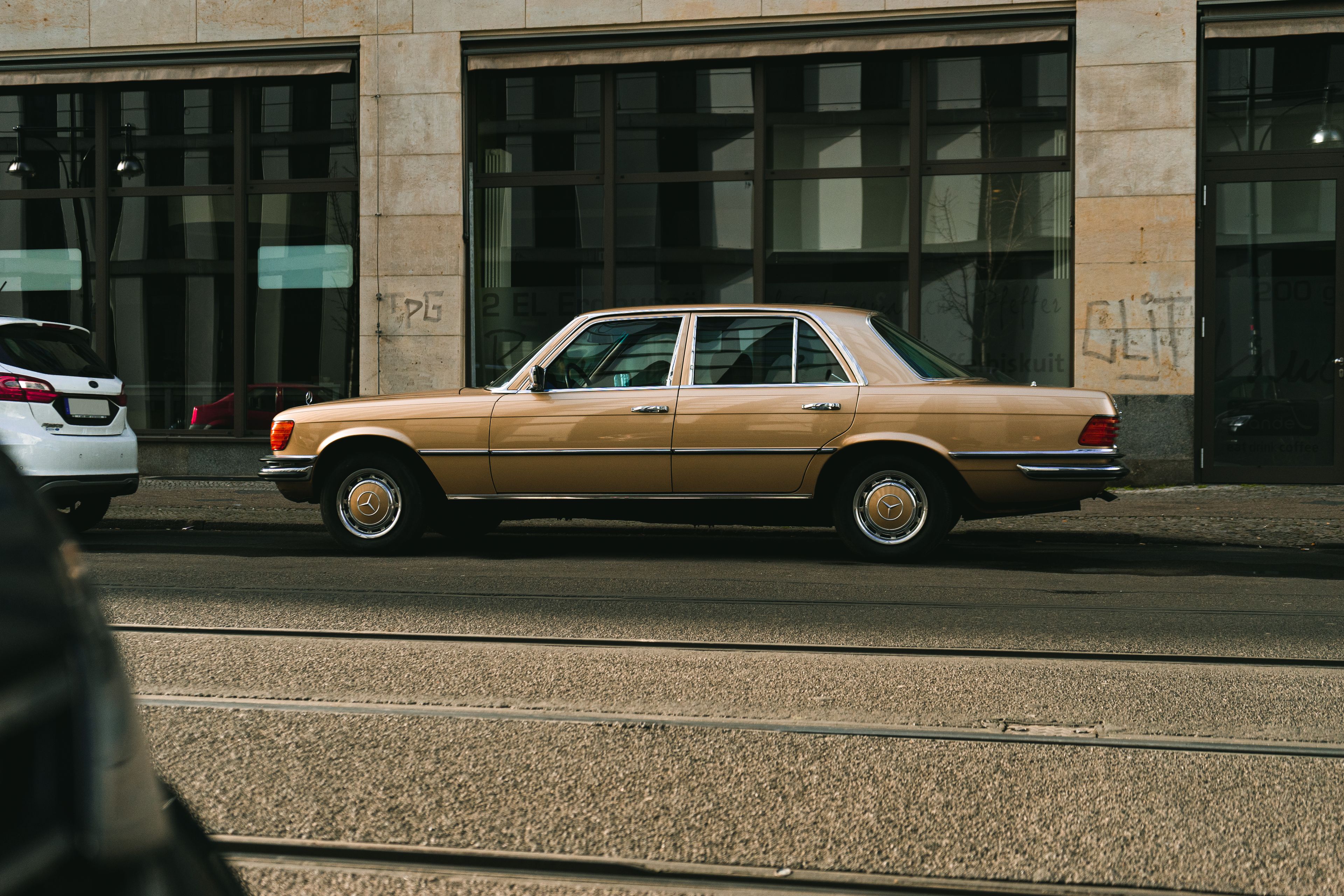
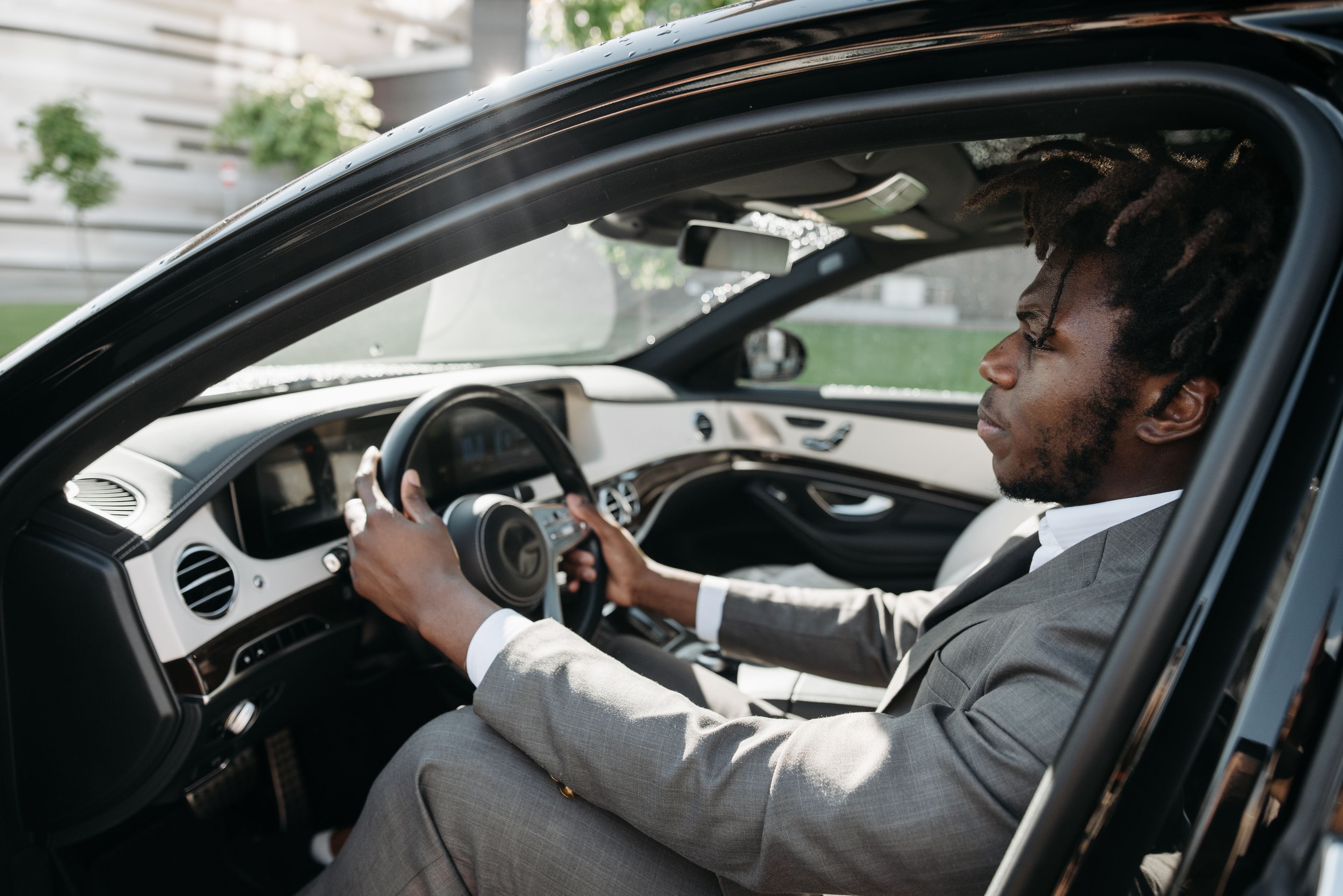
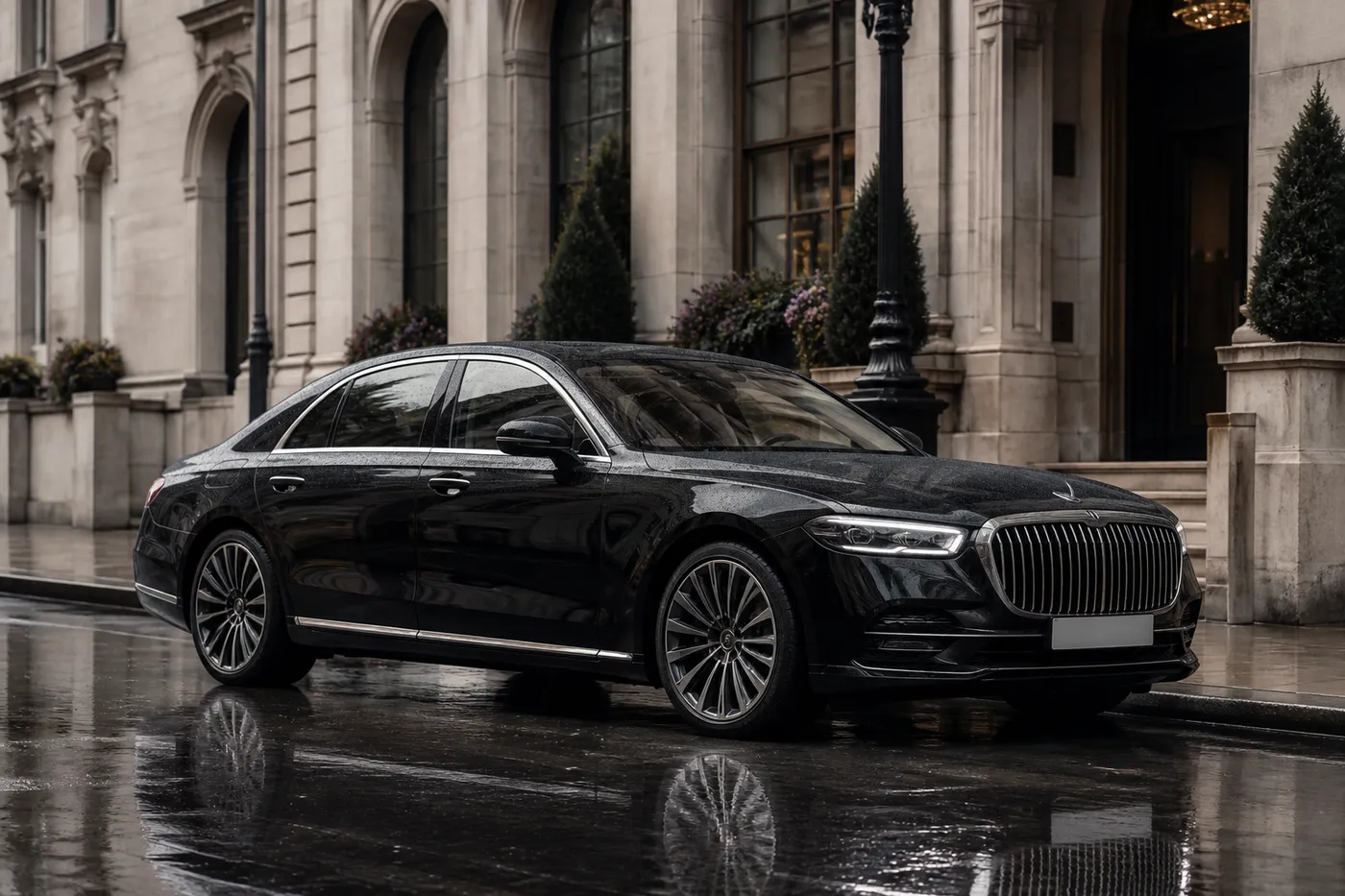
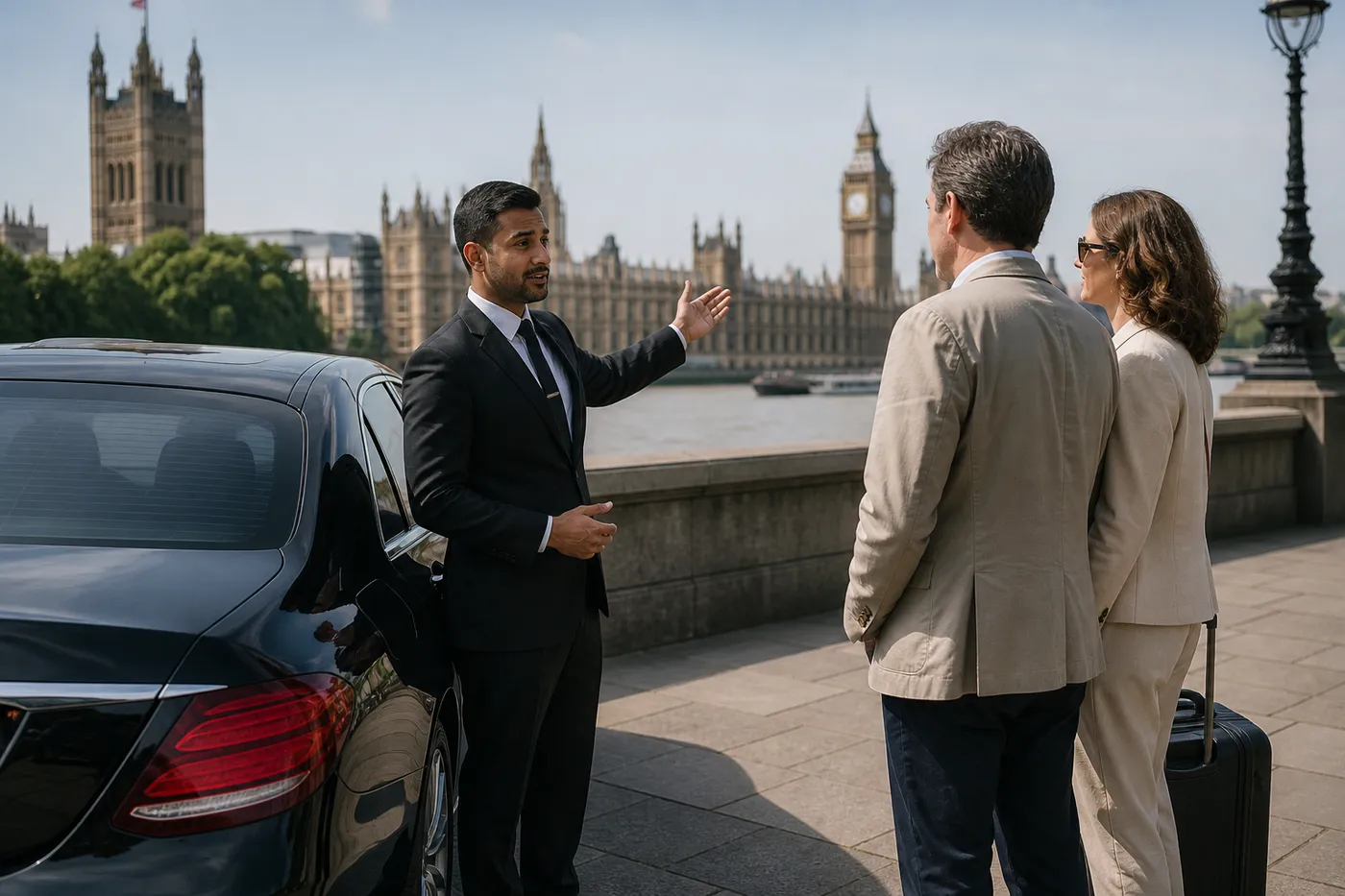
We provide unbranded chauffeur-driven cars: dark saloons and MPVs of the sort used for any formal occasion, driven by chauffeurs dressed appropriately and briefed on where they are going and why. Several vehicles can run together where a larger group needs moving, and the same cars stay with you across the day.
We do not provide a hearse, traditional funeral limousines, bearers or anything else that belongs to a funeral director's remit. Your funeral director arranges the cortège, and our cars work around it. If you are unsure which parts they are covering, ask them first and then tell us what is left — that division is usually the clearest way to avoid duplication.
How the day is usually arranged
Most funeral bookings follow a recognisable shape, and it helps to think in terms of the whole day rather than individual journeys. Holding the cars for the duration means nobody is left waiting outside a crematorium in the rain while somebody makes arrangements on a phone.
- Collection from one or more family addresses in the morning
- Travel to the church, crematorium or graveside in convoy if needed
- Waiting throughout the service, with coats and belongings in the car
- Onward travel to the wake or reception afterwards
- Return journeys home, staggered as people are ready to leave
- Additional cars for elderly relatives collected from further away

Making it easy on the person organising
Nominate one person as the point of contact and give us their details, so questions on the day go to them and not to whoever is closest to the family. Tell us which relatives may need help getting in and out of a car, and whether anyone is using a stick, a frame or a wheelchair, and the vehicle choice is made around that from the start.
If the timings are still uncertain when you first message us, send what you know anyway. A rough outline can be firmed up later, and it is far better to have the cars provisionally held while details settle than to find nothing available in the week of the funeral. We will chase you gently for the final details rather than leaving it to chance.