




Most airport departure planning is about motorways. Bristol is the exception, and it is the exception in a way that catches out people who fly from elsewhere and assume the same rules apply. The final approach is a rural A road climbing away from the city, and it does not respond to being in a hurry. Nor does it offer an alternative when it slows.
That single characteristic drives almost everything about setting a collection time here. The airline window still comes first, the terminal still asks for its own allowance, but the road is the ingredient that most often decides whether a morning is comfortable or fraught. None of it is complicated; it simply has to be done in the right order.
Why the road comes into it so heavily
From the centre of Bristol the drive is ordinarily twenty-five to forty minutes, which sounds generous until you look at what the road actually is. The A38 climbs through Bedminster and out past Barrow Gurney with junctions, villages and single-carriageway stretches along the way. It is a perfectly good road that simply does not scale when it is busy.
The absence of a motorway matters because it removes the alternative. If the M4 closes, there are other roads. If the A38 is blocked at the wrong point, the diversion is long and slow and through lanes. That asymmetry is the reason a Bristol collection time carries a bigger margin than the mileage on its own would ever suggest.
The airline window and the terminal
Airlines set their own guidance on how early to arrive, and it varies by carrier, cabin and destination, with bag drop and gate closing times separate again. Bristol's leisure programme means a lot of passengers checking hold luggage at the same time, and the queues at peak departure banks are real. We check what applies to your flight when quoting.
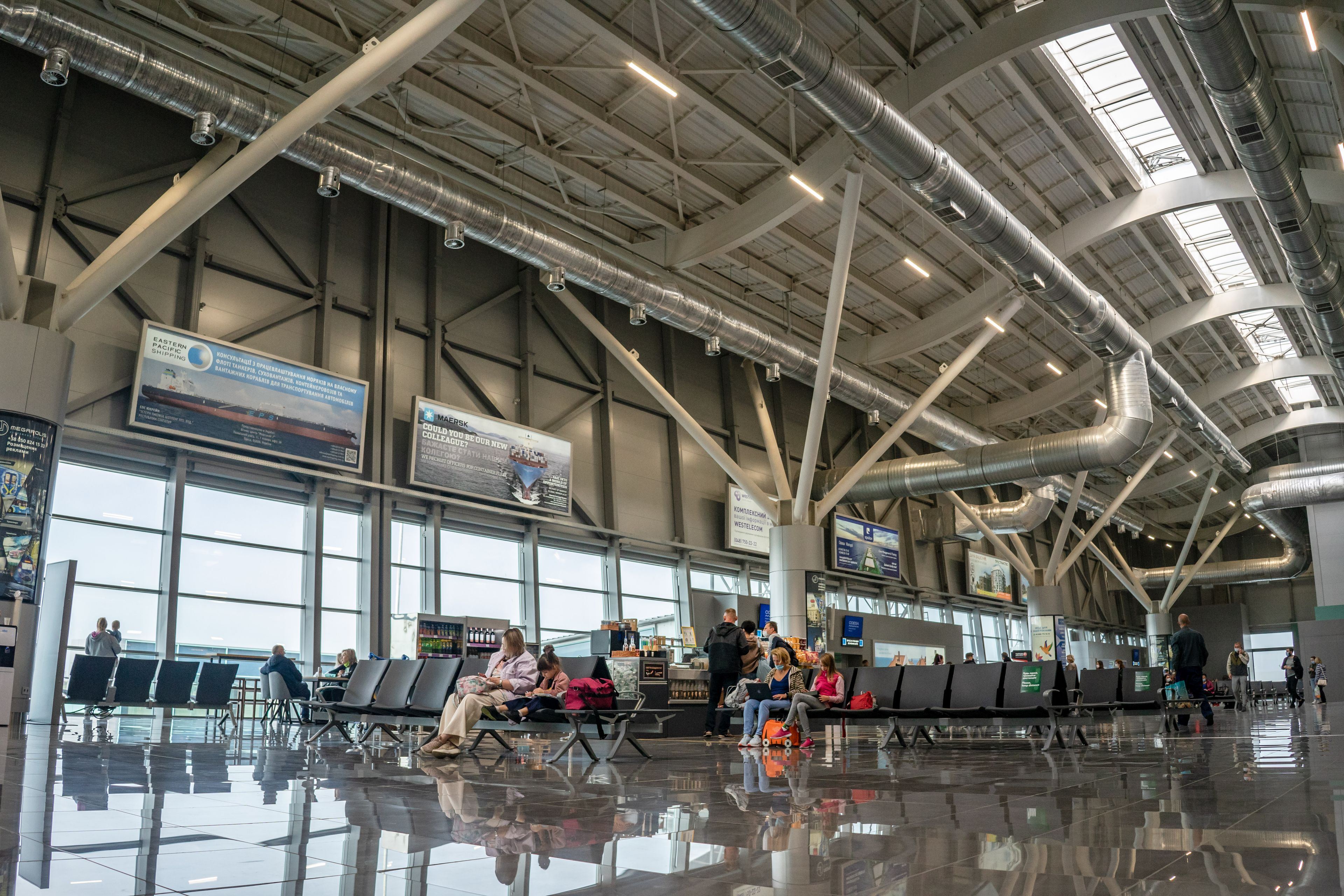
Inside, the building is compact and the walk from set-down to the desks is short. That helps, but it does not offset a busy morning at the bag drop, particularly in the summer when the holiday flights leave in clusters. The internal allowance we suggest reflects the hour and the season rather than the floor area of the terminal.
Starting points and what each costs
Where you begin changes the answer more here than at most airports, because the approaches are genuinely different in character rather than merely in length. From the city the A38 does everything. From the M5 the last stretch is still the A38. From Bath the A368 crosses country and takes about an hour, sometimes rather more.
From Wells and the Mendips the roads are attractive and unhurried. From Cardiff and south Wales the crossing introduces a variable that can be significant at peak times. From Devon the M5 is quick until it is not, and holiday weekends in the summer are exactly when it is not. Each of these gets its own figure.
- Central Bristol, twenty-five to forty minutes on the A38
- Bath, around an hour across the A368
- Wells and the Mendips, slow and pleasant country roads
- Cardiff and south Wales, plus whatever the crossing is doing
- Exeter and Devon, quick on the M5 outside holiday peaks
- Cheltenham and Gloucester, down the M5 and across
Dark mornings, wet nights and fog
The A38 at six on a wet January morning is not the same road as the A38 at ten on a clear June day. Standing water, spray behind lorries and unlit sections all slow a careful driver down, and a careful driver is exactly what you want on that road. The high ground near the airport adds fog to the list often enough to plan for.
We do not treat this as an emergency, only as a reason to move the collection earlier in the winter months. It is a small adjustment that costs a passenger nothing except a slightly earlier alarm, and it removes almost all of the risk from a journey that otherwise has very little slack built into it.
A worked example, summer and winter
Take a family of four leaving for Spain on a July morning from a house in Clifton, with four hold cases between them. The airline window is the anchor. The drive is short in mileage and unpredictable in practice, the bag drop is at its busiest, and the terminal is full of people doing exactly the same thing. The collection lands well before most people would guess.
Take two travellers with cabin bags on a Wednesday in February from the same address and the picture relaxes. The window is shorter, the desks are quieter and the drive is easier outside the peak. What does not relax is the margin for the road itself, because a February morning brings its own reasons to be careful on it.
- The airline's arrival guidance for your flight and cabin
- A drive time set for the season and the hour, not the distance
- Hold luggage or cabin only, and how many pieces in total
- Whether the summer holiday departure banks apply
- Weather likely on the high ground near the airport
- A margin that assumes the A38 has no alternative
On the morning
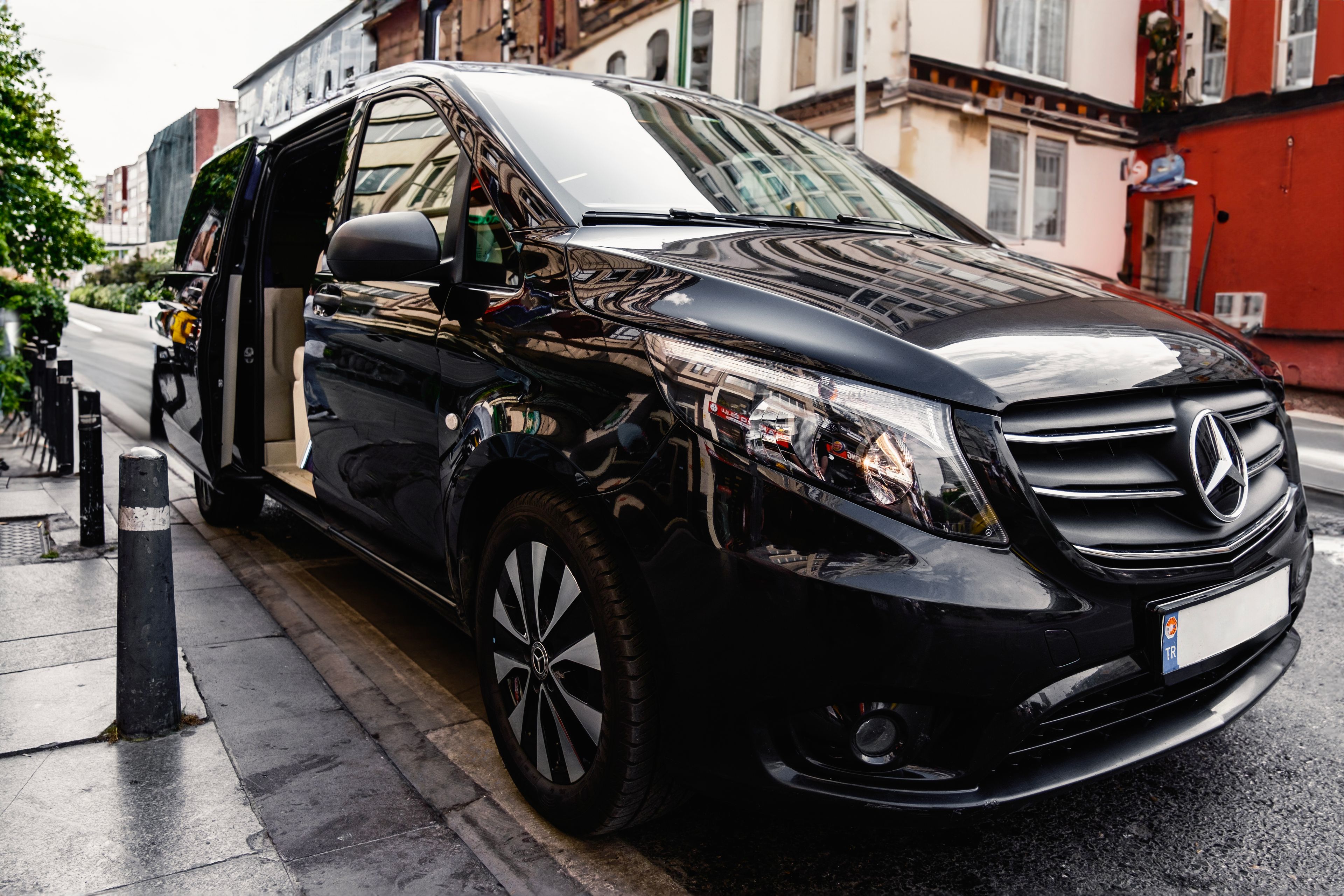
Your chauffeur arrives ahead of the agreed time and the cases are loaded while you finish getting ready. The route is checked that morning, and on this particular approach that check matters, because a closure on the A38 is worth knowing about before you set off rather than halfway up the hill. There is rarely a quick way to recover once you are committed.
At the terminal the set-down closest to the doors is used, the luggage comes out and the walk to the desks is short. Forecourt arrangements are the airport's own and are chargeable; we deal with them and include them in the written quotation. Cars come from our own fleet and from a vetted network of professional chauffeur operators across the west country.