


These two represent genuinely different visions of what a modern luxury car should be, which makes the comparison more interesting than most. One is an electric saloon designed around new technology and a startling absence of noise. The other is a lengthened, elaborately finished flagship built on a very long tradition of doing one thing well.
Passengers tend to have strong instincts about which they prefer before they have sat in either, and those instincts are usually right about the experience and wrong about the practicalities. This page separates the two: what each is like to travel in, and what each requires from the person planning the journey, since those considerations point in slightly different directions.
Technology forward, or craft forward
The i7 puts its character on display. Depending on specification there may be a large rear screen that folds down from the roof, elaborate door controls, ambient lighting that changes with the drive mode, and an interface that rewards curiosity. For a passenger who enjoys new things, it is a genuinely engaging environment and quite unlike anything that came before it.
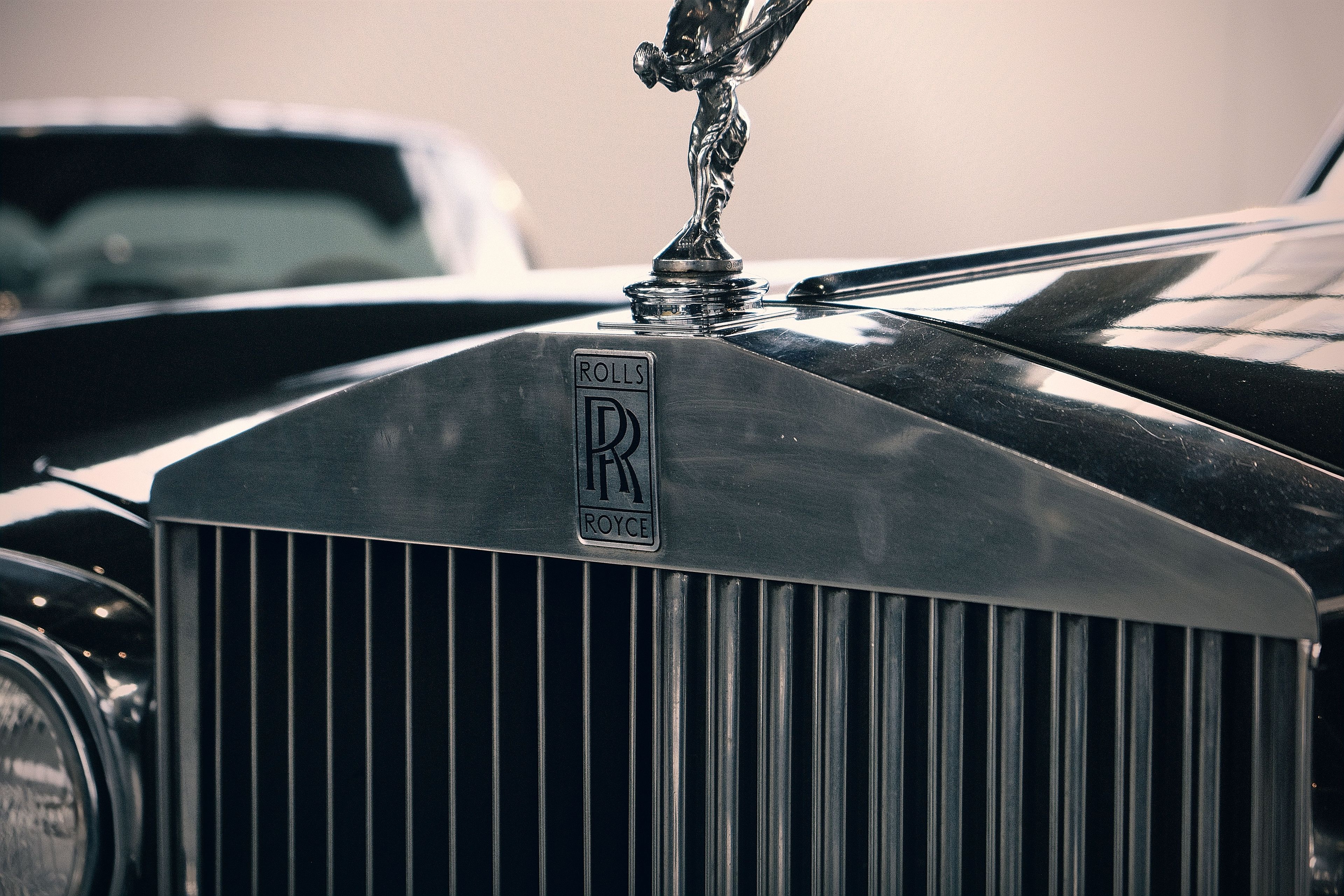
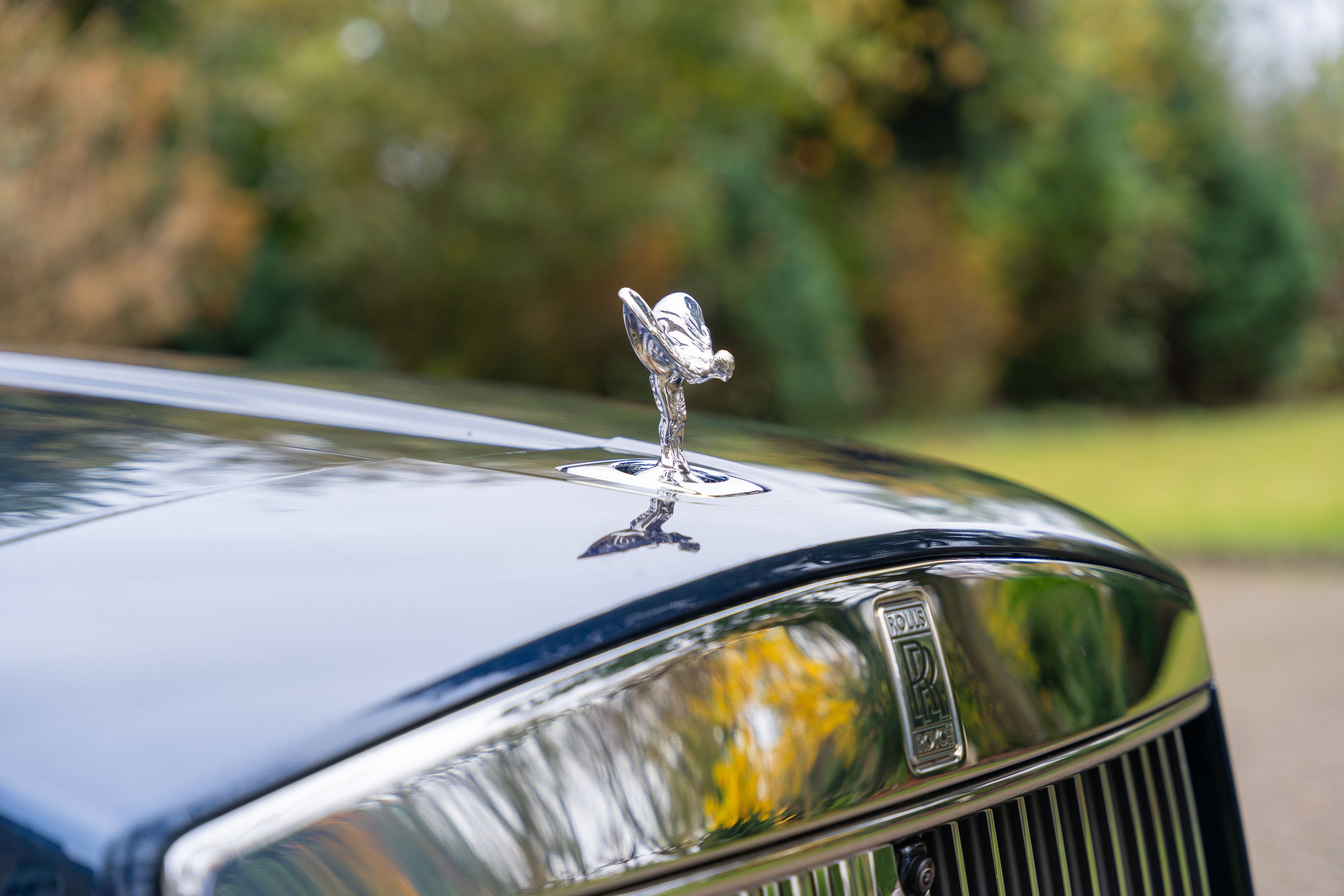
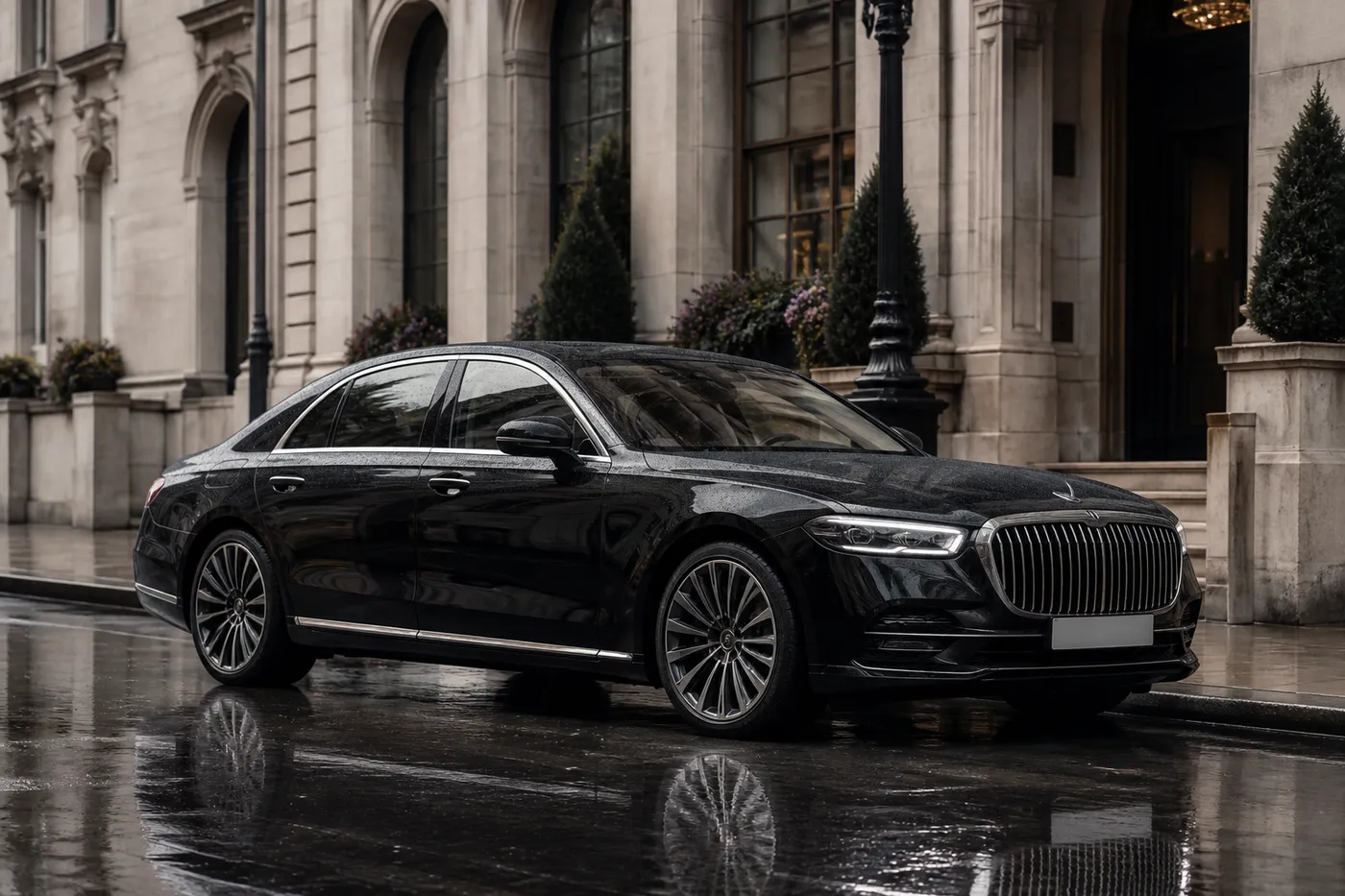
The Maybach places its effort where you touch rather than where you look. Longer rear doors, deeper carpets, a reclining outer seat with calf support, tables that fold away properly and materials chosen to age well. Its character is one of accumulated refinement rather than novelty, and it asks nothing of the passenger except that they sit down. It is a quieter kind of confidence, and it wears well.
Silence achieved two ways
At city speed the electric car is remarkable. Pulling away from a kerb happens with no sound and no vibration at all, and in slow traffic the cabin is quieter than any combustion car can manage. For a day of short journeys through a congested city, that difference is felt continuously rather than occasionally. Nothing in a combustion car reproduces the sensation of moving off in silence.
At motorway speed the two converge, because most noise at that speed comes from wind and tyres. The Maybach has extensive acoustic engineering behind it and is superb, and the very slight sound of a distant engine is something many passengers find reassuring rather than intrusive. Which you prefer is genuinely a matter of taste and not of quality. Both are far quieter than anything most passengers travel in.
Rear space and long-distance planning
The i7 benefits from electric packaging, particularly a flat floor with no transmission tunnel, which makes the rear footwell more usable and the middle position less of a penalty. Legroom is generous by any standard. The Maybach counters with sheer length, and its reclining outer seat is a more specialised piece of furniture than anything in the electric car. Neither is short of room.
The planning difference is the practical one. A long journey in an electric vehicle involves a route that passes reliable charging, a stop of meaningful length if the distance exceeds the usable range, and a plan for a charger being occupied. Chauffeurs handle this invisibly and it works well on most British routes, but it is a variable that the combustion car does not have.
For city work that variable disappears, and the electric car's advantages come forward: no emissions charges, no idling outside a building while you are inside it, and silence in exactly the conditions where noise is most tiring. The same car is therefore the easier choice for one kind of day and the harder choice for another, which is an unusual thing to say about a flagship saloon.
How they differ in practice
Because both are excellent, the useful comparison is about fit rather than ranking. These are the points that decide most bookings. Nobody should feel they are choosing a lesser car in either direction, because both are among the finest saloons available and both will be a pleasant place to spend three hours. What follows is about matching a vehicle to the shape of your day.
- Silence in city traffic: the i7, noticeably
- Rear recline and long-journey seating: the Maybach
- Rear entertainment and technology: the i7, where specified
- A long run with a fixed arrival time: the Maybach removes charging planning
- Clean air and emissions zone charges: the i7 avoids them
- Presence at a formal entrance: the Maybach, for most onlookers
- Flat rear floor and middle seat usability: the i7
- Availability across the country at short notice: the Maybach
When the i7 is the better choice
For a full day of meetings in a city, it is often the more suitable car. City speeds are where its refinement is most obvious, there is no engine running while it waits outside a building, and emissions charges do not apply. Over eight hours of short journeys those small advantages compound into a noticeably calmer day. Passengers notice the calm long before they notice the badge.
It is also the right choice where an environmental policy applies. A great many organisations now specify low or zero emission transport for staff and visitors, and a corporate travel policy is not a preference to be negotiated. Where that is the requirement, the electric flagship meets it without asking anybody to accept a lesser car. Compliance is straightforward when the vehicle is genuinely zero emission at the tailpipe.
And it suits passengers who genuinely enjoy the technology. If a rear screen, adjustable lighting and a modern interface would make a long journey more interesting rather than more irritating, that is a real benefit and worth choosing for. Not every passenger wants a traditional car, and there is no reason they should. Enjoyment of the journey counts for something, and it is a perfectly good reason to specify a car.
Requesting either with realistic expectations
If an electric vehicle matters to you, say so at the enquiry stage rather than as an aside. Availability of electric flagships is thinner than combustion flagships, particularly at short notice and outside major cities, and knowing that early lets us either confirm it properly or suggest an alternative before you have made plans around it. Notice is the single most useful thing you can give us here.
As with everything we arrange, cars come from our own fleet and from a vetted network of professional chauffeur operators, so we quote a class of vehicle rather than a specific car, and model year, colour, trim and rear equipment remain subject to availability. Send the route, the timings and your priorities over WhatsApp or by email and we will recommend one of the two in writing.