



London is a difficult city to move through and an easy one to move through badly. It has more taxis than almost any capital in Europe, an underground that works remarkably well, and a road network laid over medieval property boundaries that no amount of engineering has ever quite resolved. Most days, most of the time, none of that matters. On the days it does matter — a flight to catch, four appointments in three postcodes, a dinner reservation after a show — the difference between a good arrangement and a poor one is considerable.
This guide sets out how chauffeur travel actually works here: what the service includes, how the city shapes the timings, which car suits which kind of day, and the handful of details that, when you get them right at the point of booking, make everything downstream feel effortless. It also tries to be honest about when a chauffeur is not the answer, because there are plenty of London journeys where the Victoria line will beat any car ever built.
What a chauffeur does that a driver does not
The distinction is real and it is mostly about anticipation. A driver takes you from A to B. A chauffeur has already checked the route for closures, knows which side of the building the entrance is on, has the car facing the right way for your departure, and is standing at the door before you reach it. None of these are dramatic. Collectively they remove the small frictions that make a day feel harder than it needed to be, which is the entire point of the service.
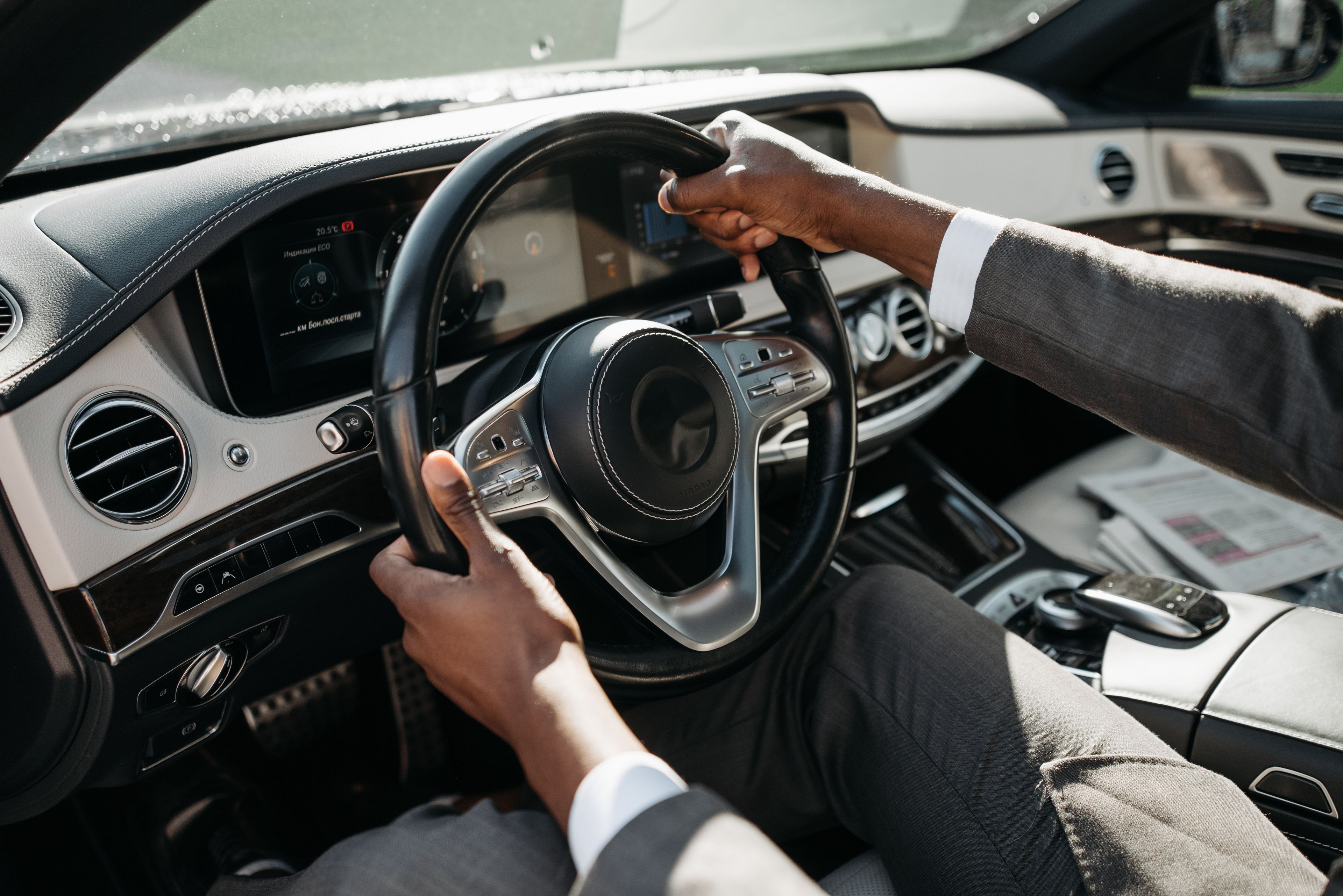
There is also a manner to the job. A professional chauffeur reads whether you want conversation or silence within the first thirty seconds and behaves accordingly. They do not comment on where you have been, who was in the car, or what was discussed in it. They open the door and step back rather than hovering. They keep the cabin at the temperature you asked for rather than the one they prefer. These are learned behaviours, not personality traits, and they are what you are actually paying for.
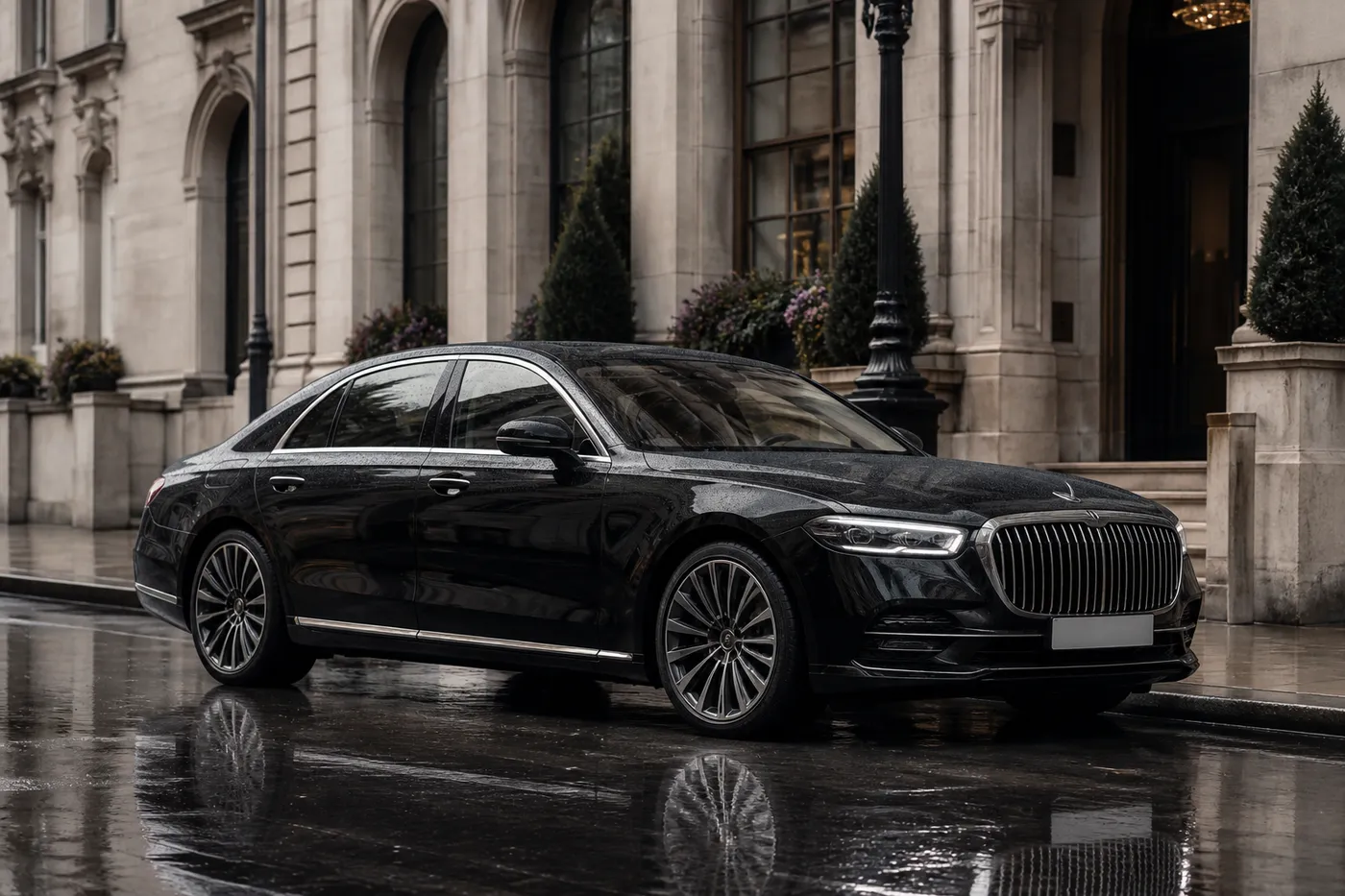
The car is presented as part of the same discipline: cleaned before every journey rather than at the end of a shift, no branding on the exterior, still water in the door, and a cabin that smells of nothing in particular. A chauffeur car should be unremarkable from the outside and quietly excellent from the inside, and holding that standard consistently is harder than it looks.
How London's geography shapes the day
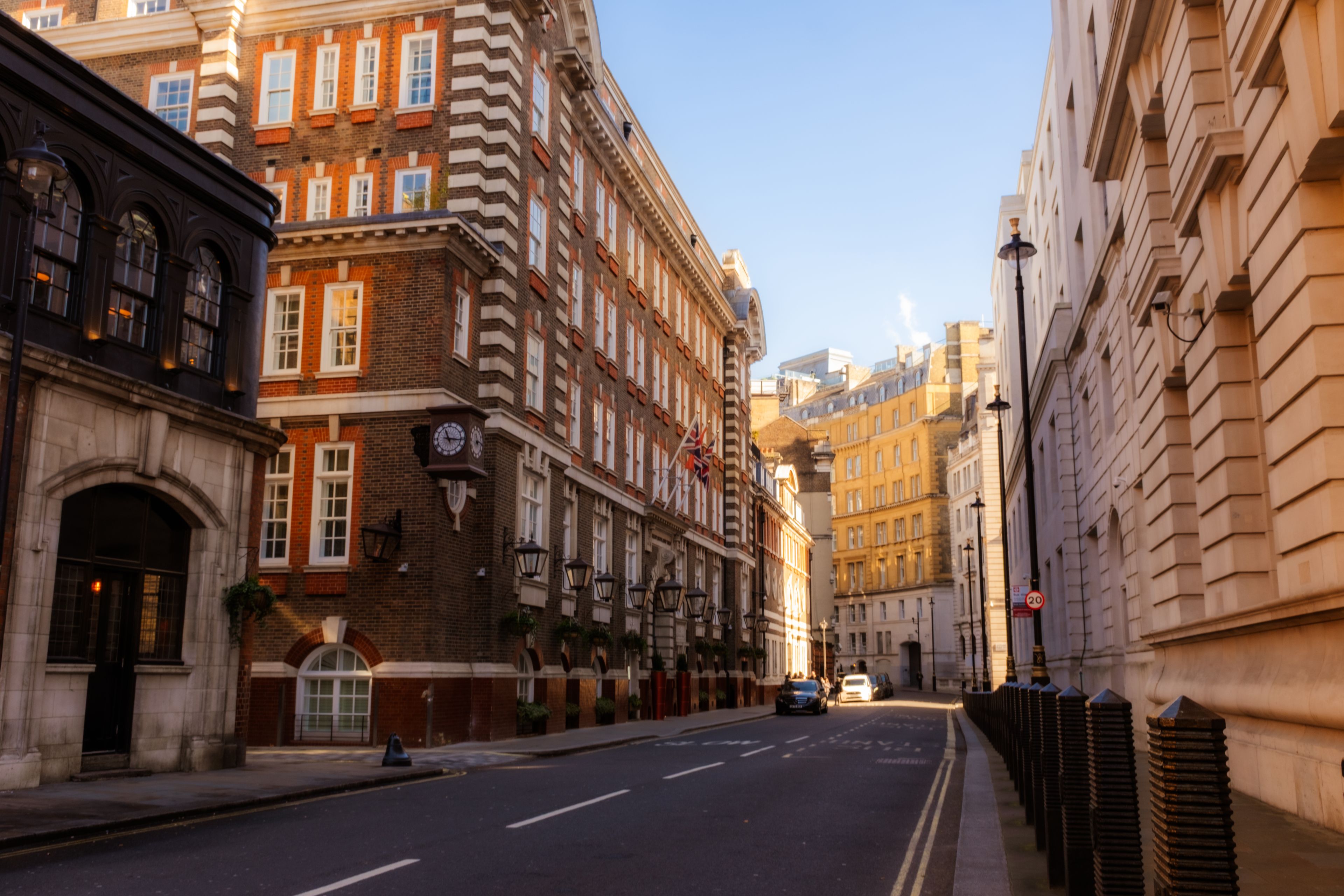
The single most useful thing to understand about driving in London is that the centre is small and the approaches are slow. Mayfair to the City is under four miles and can take fifty minutes at the wrong hour. Kensington to Canary Wharf is nine miles and can take ninety. Meanwhile, an evening run from Chelsea to Islington might take twenty. Distance tells you very little. Time of day tells you almost everything, and a chauffeur who works the city daily prices the day around that rather than around the map.
There are structural constraints too. Central London operates congestion charging on weekdays and weekend afternoons, low-emission requirements now cover every borough, and a growing number of residential areas have filtered through-traffic out entirely. Add the school run, the Friday exodus westward, and the fact that a single burst water main in Piccadilly can reshape an entire afternoon, and it becomes clear why a fixed schedule is less useful than a flexible one with sensible margins built in.
Practically, this means we will usually suggest leaving earlier than feels necessary and will build the day around the immovable appointments rather than the negotiable ones. If you have a flight at six and a meeting at three, the meeting is what moves. Tell us which is which when you book, and the rest of the planning follows from it.
Choosing the right car for the city
For one or two passengers moving around central London, an executive saloon is genuinely the right answer more often than people expect. It is quiet enough for a confidential call, comfortable enough for an hour in traffic, and small enough to place easily in a Mayfair mews or a multi-storey at a hotel. Larger is not automatically better in a city where half the useful set-down points are on single yellow lines outside listed buildings.
The flagship saloons — the S-Class and its peers — earn their place the moment the journey exceeds about forty minutes or the day involves several hours in the car. Reclining rear seats, better insulation and rear climate control convert a long day of appointments from tiring to restorative. For three or more passengers with luggage, a luxury MPV is almost always the more civilised choice: everyone gets their own seat, and nobody travels with a bag on their lap.
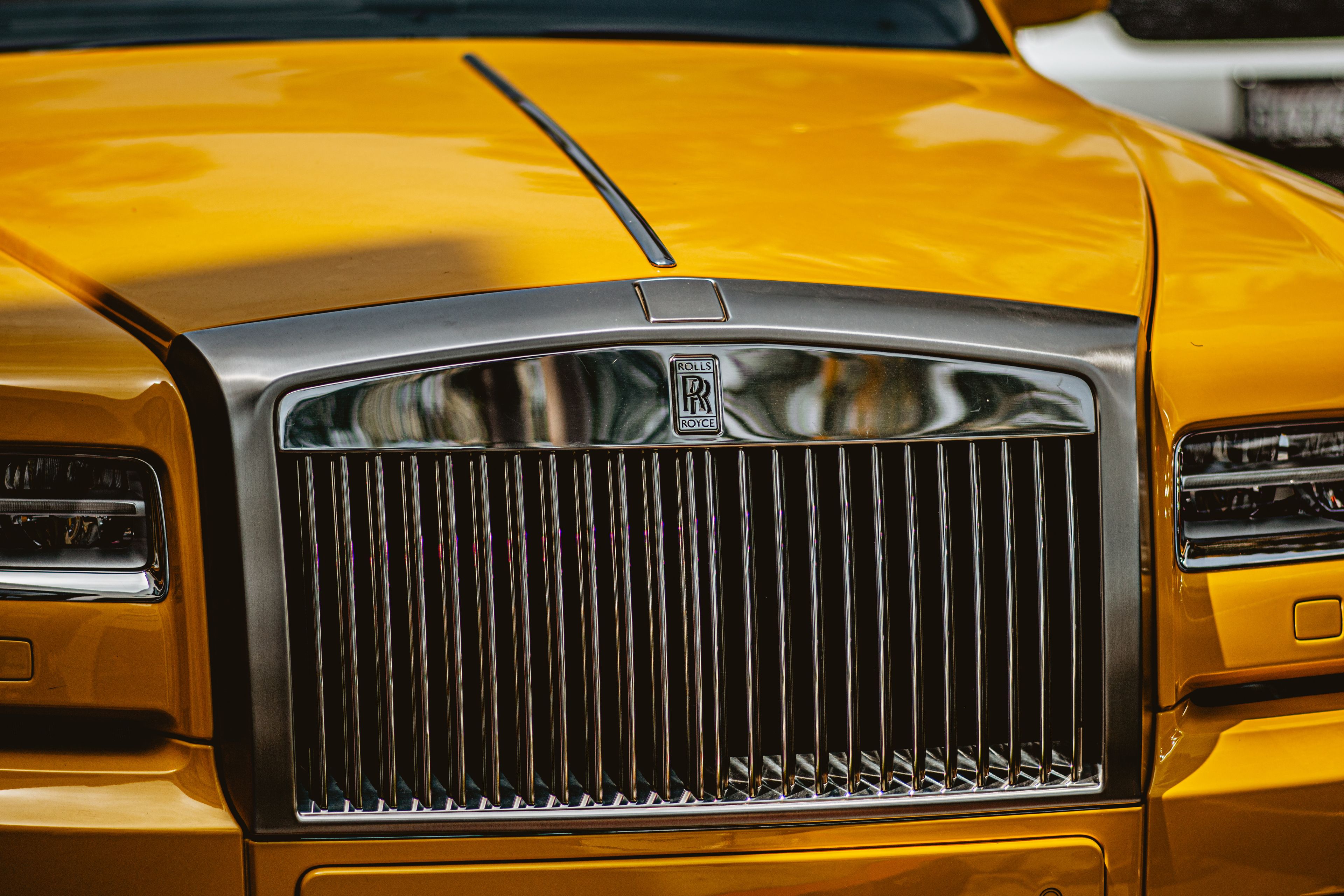
The prestige and ultra-luxury cars occupy a different category altogether. A Rolls-Royce is not chosen for efficiency; it is chosen because the car is part of the occasion. For a wedding, a landmark birthday or a red carpet arrival, that is exactly right. For a Tuesday morning airport run it is beside the point, and we would rather say so than quietly take the larger booking.
Booking well: the details that decide the day
Almost every problem in chauffeur travel traces back to something not said at the point of booking. Passenger count is the obvious one, but luggage is the more common failure: three adults and three large suitcases will not fit in a saloon, and discovering that at the kerb at five in the morning is nobody's idea of a good start. Tell us the number of large cases and cabin bags and the vehicle recommendation follows automatically.
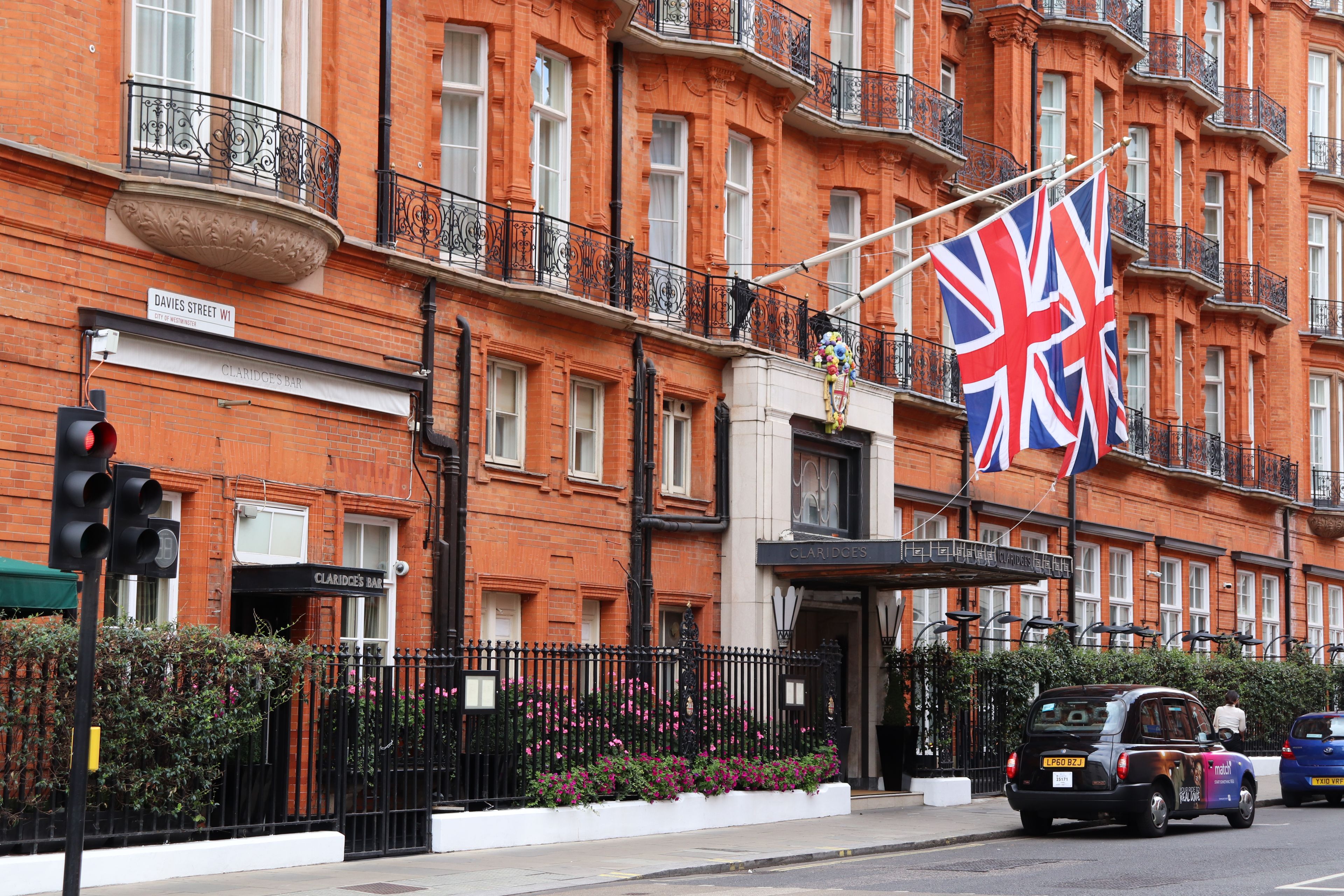
Beyond that, the useful details are the specific ones. Which entrance you will come out of. Whether there is a step or a lift. Whether a child seat is needed and for what age and weight. Whether anyone in the party needs help with a wheelchair or has difficulty with a low seat. Whether you would rather the chauffeur waited outside or came into reception. None of it is intrusive; all of it changes how the collection is arranged.
Everything is arranged over WhatsApp. You send us the outline of the journey, we come back with a written quotation covering the vehicle, the timings and the terms, and nothing is confirmed until you have that in writing and have agreed to it. There is no call centre queue and no app allocating you to whoever happens to be nearest.
When a chauffeur is worth it, and when it is not
The service earns its keep whenever waiting has real value. Airport arrivals, where somebody is standing there regardless of how long immigration takes. Full days with multiple stops, where re-hailing between each one costs you twenty minutes and your composure. Evening events, where the car is at the door as you come out rather than forty minutes away in surge pricing. Long-distance journeys, where four hours of motorway becomes four hours of work, sleep or conversation.
It earns its keep less obviously on short, single, off-peak hops in zone one. If you are going from Green Park to Soho at two in the afternoon with no luggage, a black cab is faster, cheaper and entirely pleasant. We would rather tell you that than take the booking. A chauffeur service that pretends every journey needs a chauffeur is not being useful to you.
The middle ground is where most clients settle: a car and chauffeur held for a half day or a full day, used heavily in the morning and evening and parked somewhere sensible in between. That arrangement tends to give the best of both — the freedom to move without thinking about it, without paying for hours you will never use — and it is what we suggest more often than any single transfer.