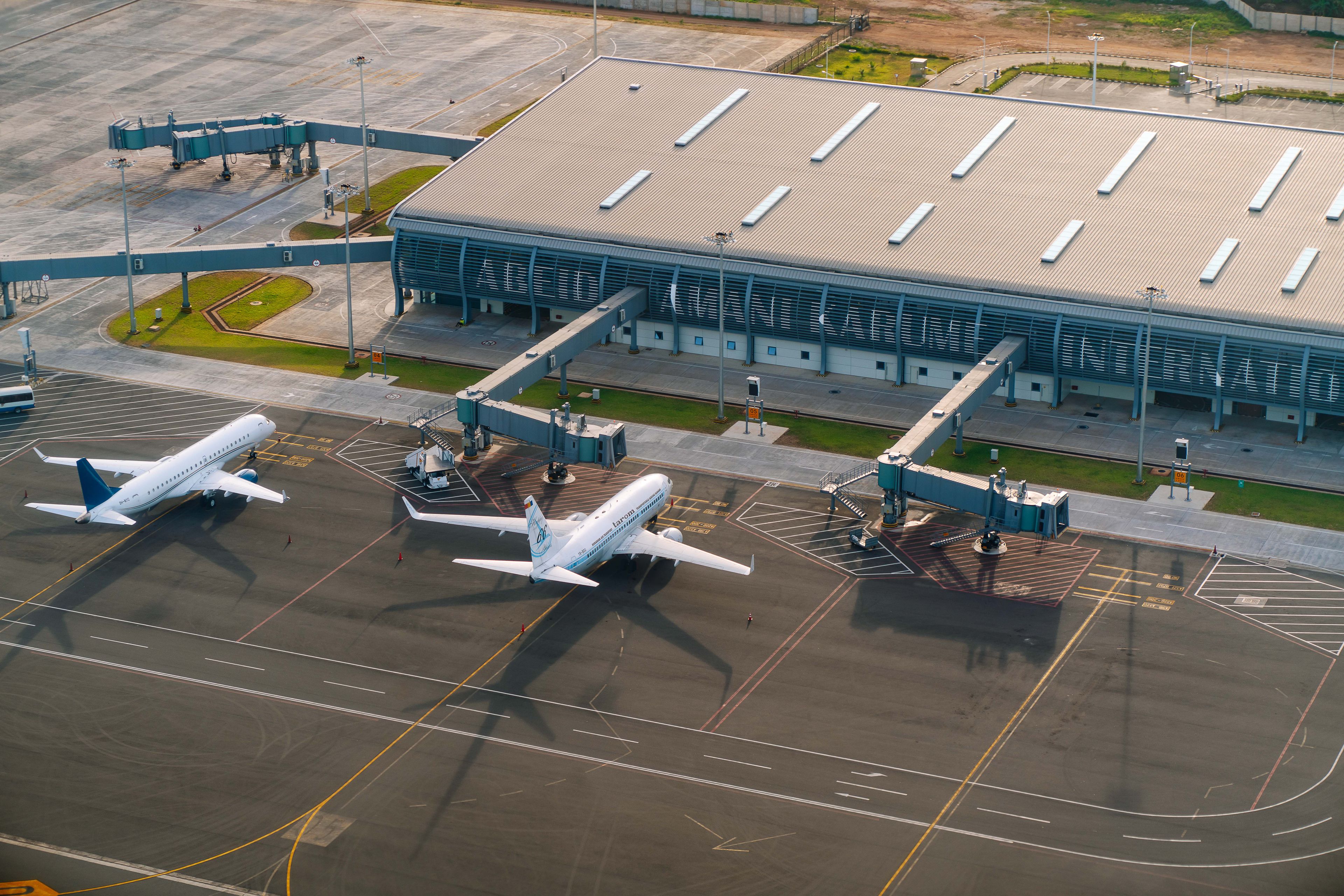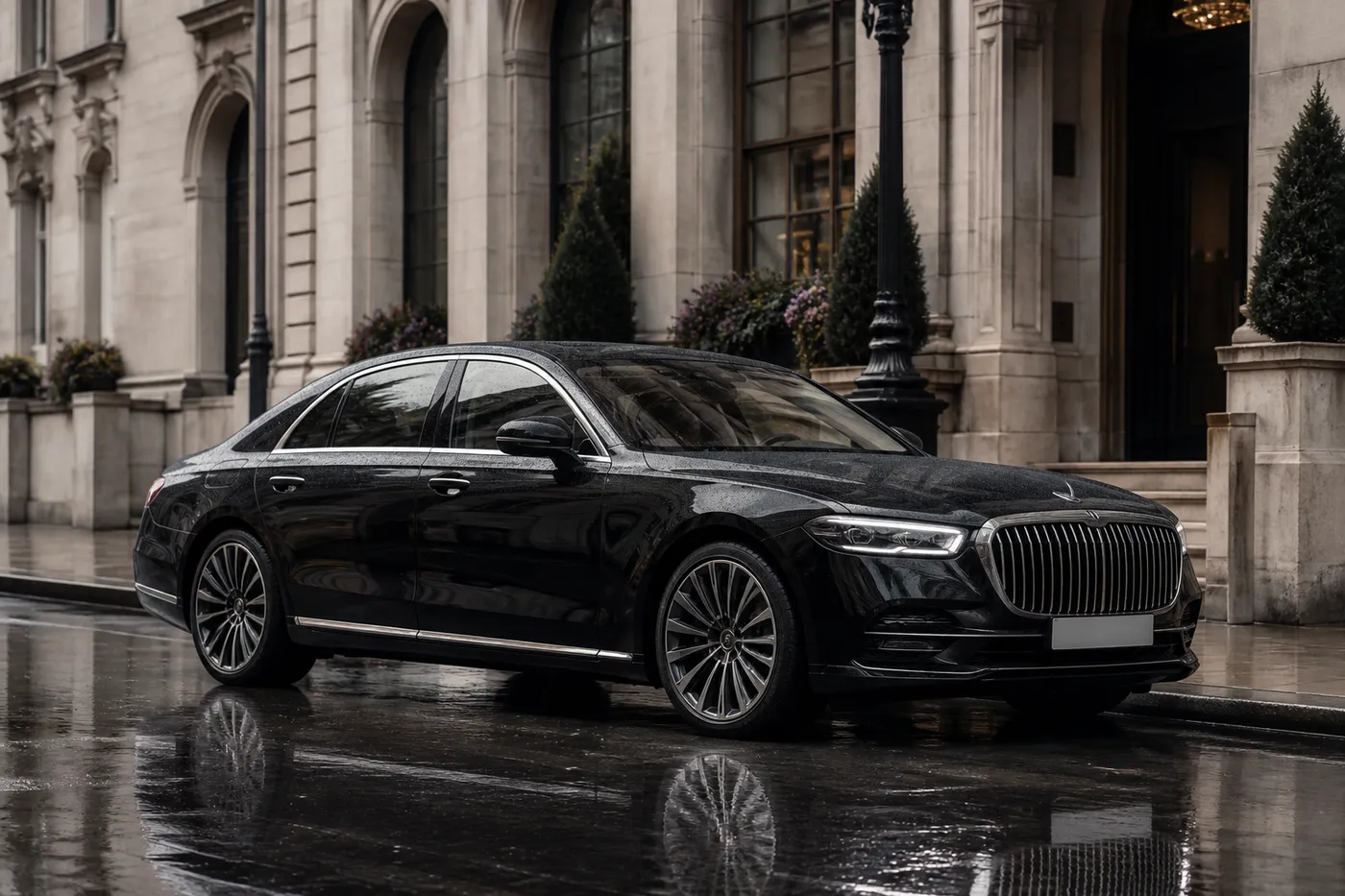





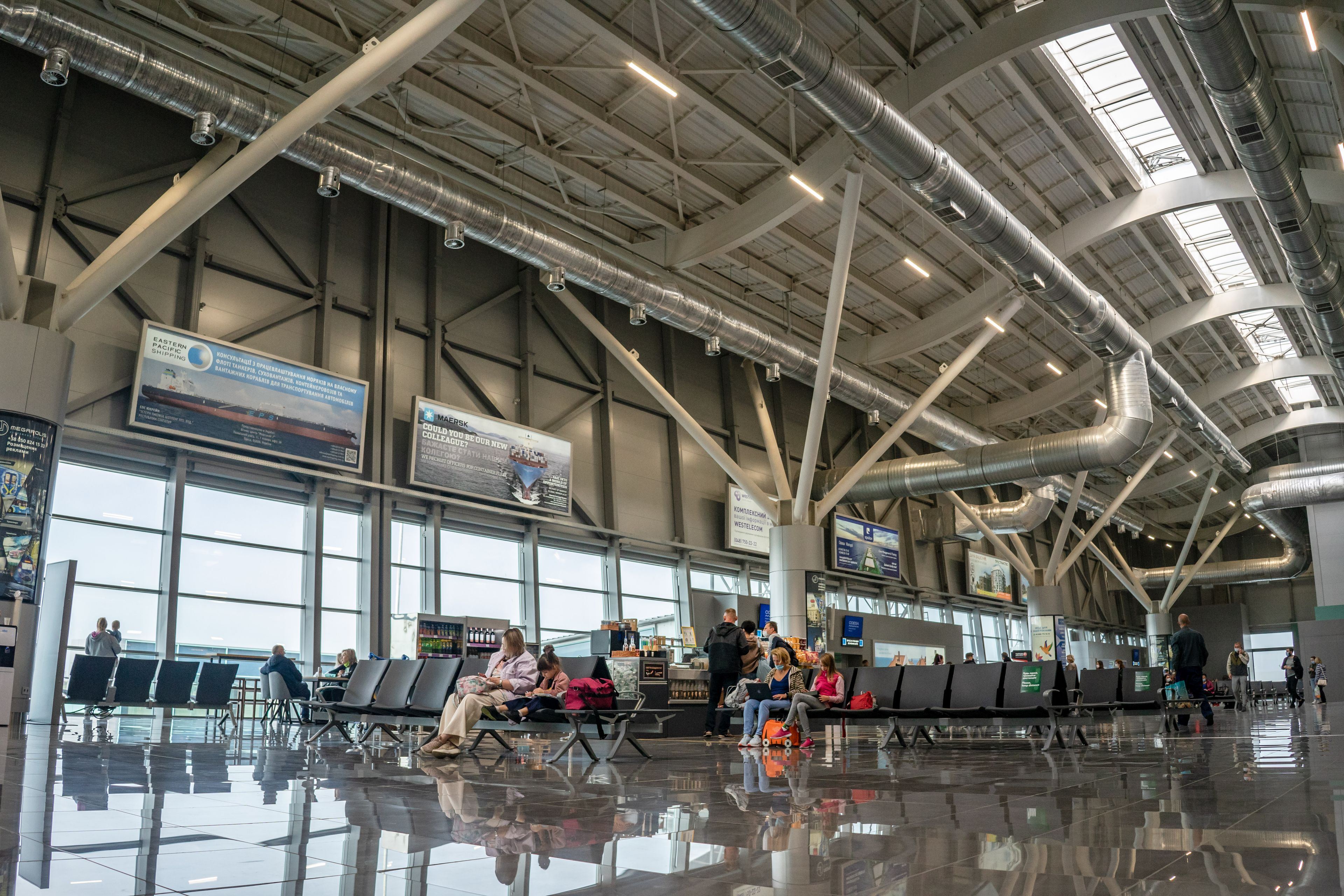
No airport in Europe handles more international passengers than Heathrow, and it does so across four operating terminals set over a site so large that driving between two of them takes longer than plenty of London journeys. Most transfer problems have nothing to do with the airport. They come from setting off twenty minutes late, pitching up at the wrong terminal, or agreeing a meeting point neither party can find at half past five in the morning.
What follows is the part that counts: settling on the right terminal and the right meeting arrangement, the way we plan the drive around your flight, what happens when things slip, and the practical business of luggage and vehicle size that decides whether a holiday starts calmly or in a fluster. One thing at the outset. We are an independent chauffeur service, with no partnership held with the airport or with any terminal operator.
Four terminals, and why it matters which one
Four terminals operate at Heathrow, numbered 2, 3, 4 and 5, and none of them stands near another. The central area holds Terminals 2 and 3, reached through the tunnel that runs beneath the runways. Terminal 4 sits out on the southern perimeter, Terminal 5 at the western end, and each is approached from a different point on the road network. Turn up at the wrong one and the correction is not five minutes. On a bad morning it costs thirty, plus a second pass through the drop-off system.
Airlines shift between terminals, sometimes at short notice and sometimes with the season, and a codeshare booking sets a particular trap: the operating carrier fixes the terminal, not whichever airline sold you the ticket. Whatever terminal your booking confirmation prints is what we plan around, and should it change, we would much rather hear about it the evening before than at the kerb on the morning itself.
On a departure we put the terminal in writing at the quotation stage, and it repays checking against your airline's own confirmation in the days beforehand. For an arrival it matters a shade less, since we will know where you have landed, yet it still governs where the car sits, which entrance your chauffeur walks to, and how quickly you are reached once your message arrives.
Meet and greet, or kerbside collection
Kerbside collection works like this: you call or message to say the luggage is with you and you are walking out, and the car comes round to the designated pickup area. Quick, uncomplicated, and well suited to a confident traveller with hand baggage who wants no particular help. It is also the arrangement likeliest to leave you standing outside for a minute or two if you emerge before the car has been called forward.
With meet and greet your chauffeur parks, walks into the terminal, and stands in arrivals holding a name board, then takes the bags and walks you out to the car. That costs more, because it takes longer and involves parking. It is the right call for families, for anybody off a long-haul flight, for a first visit to London, and for anyone who would simply rather step out and find somebody already waiting.
Either way, the exact meeting point goes into writing beforehand: the terminal, the hall, and the particular spot inside it. Arrivals areas are enormous, and a loosely described meeting point causes more frustrating starts to a trip than anything else. Precision costs nothing here, gets rid of the problem outright, and counts for most at the moment you are least willing to sort it out.
How we plan around your flight
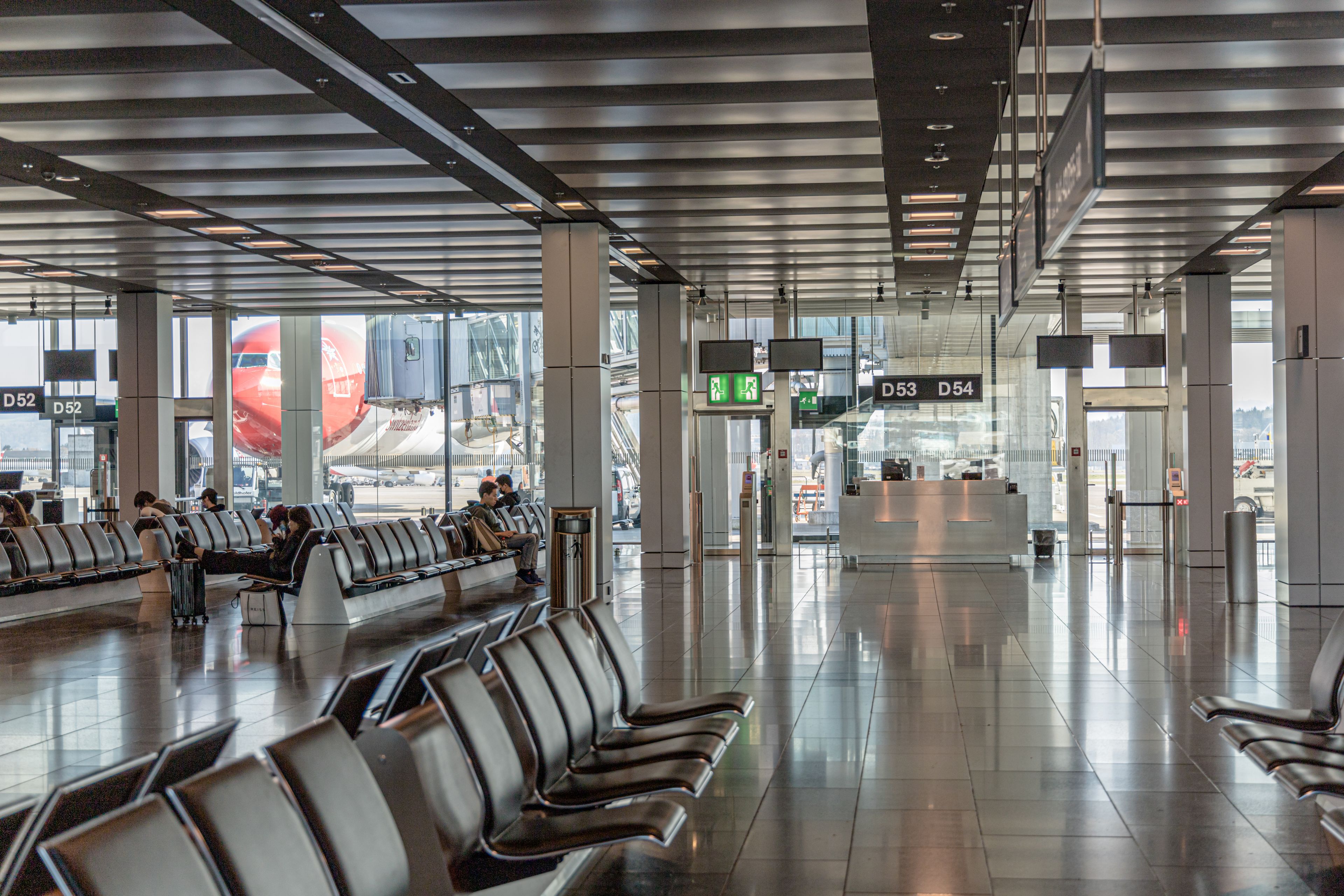
Give us the flight number and we plan against the published schedule together with the usual clearance times for that terminal at that hour. On top of that planning we watch the arrival itself as the day approaches, so a landing that comes in well ahead of schedule, or a delay that pushes it back by hours, reaches us before it reaches your chauffeur's morning. Land notably early or notably late and a message from you when you land is still the quickest and surest thing that can happen.
On arrivals we leave an allowance between the scheduled landing and the moment you are likely to walk out: longer for a long-haul flight into a busy immigration hall, shorter for a domestic or European hop with nothing but hand baggage. That allowance is the reason a well-planned collection feels as though the car was simply there, and the reason an under-planned one leaves you outside with your cases.
Held up on the ground? Tell us. Delays are a perfectly ordinary part of flying, we plan for them, and adjusting the arrangement suits everyone better than a car circling a terminal while you sit on a stand waiting for a gate. Waiting time terms appear in your written quotation at the point of booking, so a flight landing an hour late never brings an unpleasant surprise along with it.
Timing the drive out to the airport
Out of central London, Heathrow is roughly forty-five minutes at four in the morning and can run well past ninety in the Friday afternoon peak. Rush hour treats the M4 and the A4 badly, and coming round on the M25 from north or south brings a risk of its own. Our suggested departure time will look generous, and now and then it turns out to be necessary. An hour in a lounge beats an hour in traffic with a boarding gate closing.
The working rule is to have you at the terminal three hours ahead of a long-haul departure and two ahead of a short-haul one, then to count backwards through whatever traffic that day and hour are likely to bring. School holidays move those numbers, so do major sporting fixtures and the first weekend of a half term, and we allow for all of it.
Travelling very early? Let us know the night before if anything shifts. Between four and six in the morning the roads really are clear and the timings hold, which makes early departures the easiest of all to get right and the least anxious to plan. That is also why, given a choice between two flights, we will often nudge you towards the earlier one.
Luggage, families and the vehicle question
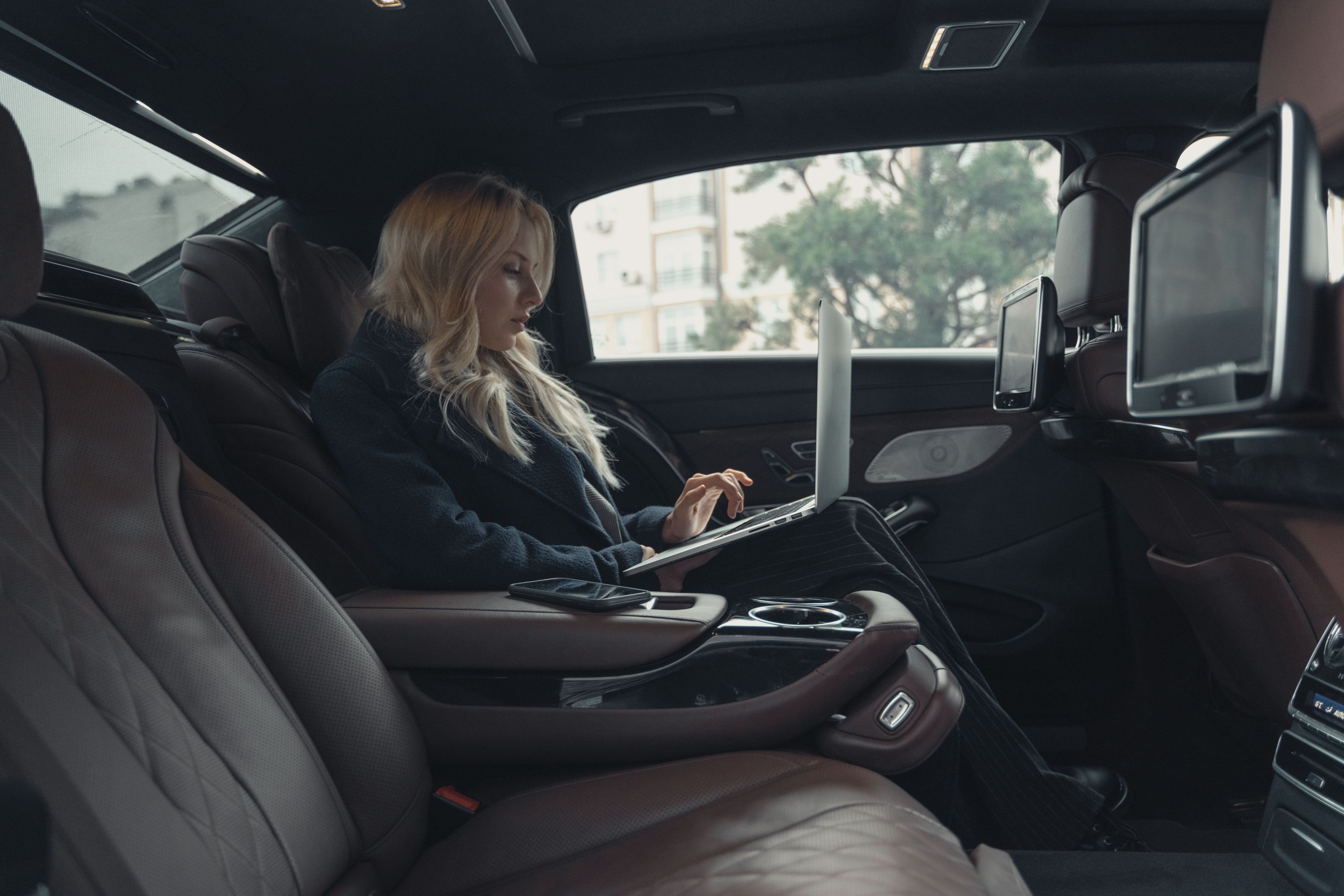
Under-declaring luggage is the commonest mistake on an airport booking. Two large suitcases plus two or three cabin bags go into a luxury saloon without complaint. Four people away for a fortnight will not, and the answer there is a luxury MPV rather than a second car. It rides more comfortably, keeps the party together, and works out the more sensible arrangement in every respect.
Child seats can be provided, and they must be asked for at the time of booking, together with the child's age and rough weight so the right one is fitted. Adding a seat at short notice is not something we can promise, and it is a poor thing to leave to chance on the way to a terminal. Should anyone in the party use a wheelchair or find a low seat difficult, mention it while you are enquiring and we will point you at a vehicle with an easier entry height.
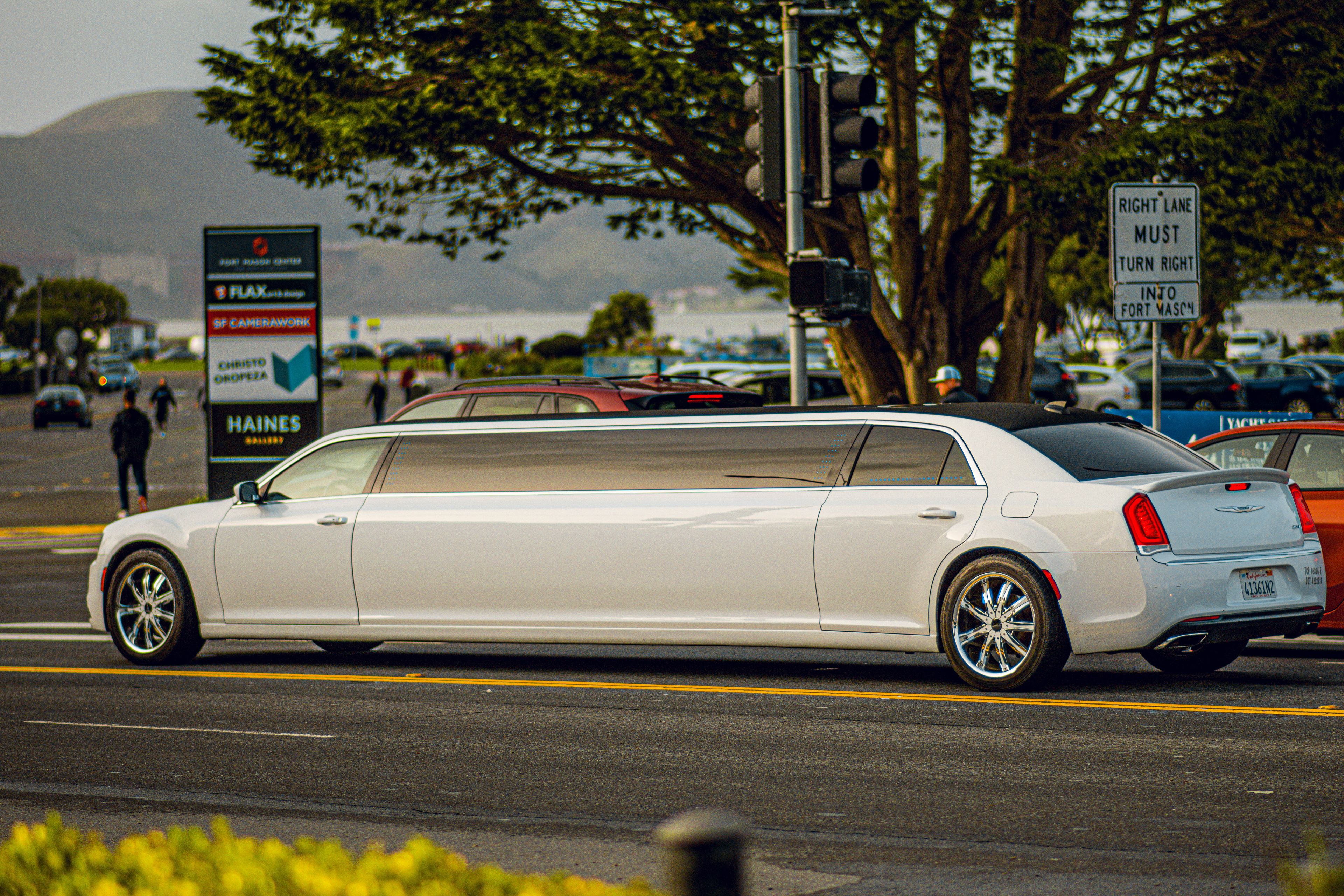
Golf clubs, ski bags, instruments, pushchairs, wheelchairs and boxed items all want mentioning at the point of booking. Told about them in advance, we never have a problem, because the answer is simply a larger vehicle; left to discover them at the kerb, we frequently do. The same holds for a party that has gained a person since your first enquiry. Tell us, and the car changes to match.